Mastering Video Marketing: Your 2026 Strategy Playbook for Startup Growth
The digital landscape is relentlessly evolving, and for startup founders and entrepreneurs, staying ahead isn’t just an advantage—it’s a survival imperative. In 2026, video isn’t merely a content format; it’s the foundational language of digital communication, a powerful engine for brand building, lead generation, and customer engagement. If your business isn’t actively integrating a sophisticated video marketing strategy, you’re not just missing an opportunity; you’re conceding ground to competitors who understand the gravity of visual storytelling. This isn’t a suggestion; it’s a strategic mandate. This comprehensive guide will arm you with the sharp, data-driven insights and actionable frameworks required to dominate your niche with video, transforming passive viewers into loyal customers.
The Irrefutable Case for Video in 2026: Why It’s Non-Negotiable
Forget the notion that video is a “nice-to-have.” By 2026, industry analysts project that video will account for over 80% of all internet traffic. This isn’t just about entertainment; it’s about how consumers prefer to learn, discover, and connect with brands. Data consistently shows that video content drives higher engagement rates, longer dwell times on websites, and significantly improved conversion rates compared to text or static images alone.
Consider these realities:
* Consumer Preference: Modern audiences, especially Gen Z and younger millennials—your future customer base—overwhelmingly prefer video for product research, tutorials, and brand interaction. They expect dynamic, engaging visual content across all touchpoints.
* Algorithmic Favoritism: Major platforms like Google, Instagram, TikTok, and YouTube actively prioritize video content in their algorithms. More video means greater visibility, organic reach, and reduced reliance on paid acquisition channels over time.
* Emotional Connection & Trust: Video uniquely conveys emotion, authenticity, and personality in a way that text struggles to match. Seeing faces, hearing voices, and witnessing product demonstrations builds trust and a deeper connection with your brand, crucial for startups establishing credibility.
* Complex Explanations Made Simple: For tech startups, SaaS companies, or businesses with intricate offerings, video is an unparalleled tool for simplifying complex concepts, showcasing product functionality, and demonstrating value proposition with clarity and impact.
* AI’s Accelerating Impact: The rise of AI-powered video creation tools is democratizing high-quality production, making sophisticated video strategies accessible even for lean startup teams. This isn’t just about efficiency; it’s about scaling personalized and diverse content at speeds previously unimaginable.
Ignoring video in 2026 isn’t a cost-saving measure; it’s a strategic liability. Your competitors are already leveraging it, and the gap will only widen. The time to build a robust, forward-looking video strategy is now.
Crafting Your Core Video Strategy: Audience, Goals, & Content Pillars
A video strategy without clear objectives and a deep understanding of your audience is merely content creation for content creation’s sake—a common pitfall for resource-strapped startups. Your video marketing must be a deliberate, integrated component of your overall growth strategy.
Define Your Audience with Precision
Before you even think about scripts or shot lists, you need to know who you’re talking to. Develop detailed buyer personas, not just demographics, but psychographics:
- Pain Points & Challenges: What problems does your audience face that your product solves? How can video illustrate this problem and present your solution as the definitive answer?
- Information Consumption Habits: Where do they spend their time online? Are they scrolling TikTok, watching YouTube tutorials, or engaging with LinkedIn Live events? This dictates your platform strategy.
- Language & Tone: What kind of communication resonates with them? Formal or informal? Humorous or serious? Authentic and transparent?
- Buyer’s Journey Stage: Are they just becoming aware of a problem, actively researching solutions, or ready to make a purchase decision? Your content must align with their mindset.
Actionable Insight: Conduct surveys, analyze social media conversations, and leverage analytics from your existing content to build out these personas. Tools like HubSpot’s Persona Generator can be a good starting point, but deep qualitative research is key.
Set SMART Goals for Your Video Initiatives
Your video marketing efforts must be tied to measurable business objectives. Use the SMART framework: Specific, Measurable, Achievable, Relevant, Time-bound.
- Awareness: Increase brand recognition, reach new audiences. (e.g., “Achieve 500,000 unique video views on short-form platforms within Q1 2026.”)
- Engagement: Foster community, build relationships, increase interaction. (e.g., “Increase average watch time on YouTube explainer videos by 15% and comment rate by 10% over the next six months.”)
- Conversions: Drive leads, sales, sign-ups. (e.g., “Generate 200 new qualified leads directly from embedded video content on landing pages by the end of the year.”)
- Customer Support & Retention: Reduce support tickets, improve product adoption, foster loyalty. (e.g., “Decrease customer support inquiries related to onboarding by 20% through a new video tutorial series within three months.”)
Actionable Insight: Don’t just track vanity metrics. Connect video performance directly to your CRM and sales funnels to understand its true impact on your bottom line.
Map Content Pillars to the Buyer’s Journey
Your video content shouldn’t be a random assortment; it needs to guide your audience systematically through their journey, from initial curiosity to becoming a loyal advocate.
- Awareness Stage (Top of Funnel – TOFU):
- Goal: Capture attention, introduce your brand/problem you solve.
- Formats: Short-form vertical video (TikTok, Reels, Shorts) for trends, quick tips, relatable memes; short animated explainers; thought leadership snippets; “behind-the-scenes” content.
- Example: A SaaS company uses a trending audio on TikTok to briefly highlight a common pain point their software solves, ending with a subtle brand mention.
- Consideration Stage (Middle of Funnel – MOFU):
- Goal: Educate, build interest, differentiate your solution.
- Formats: Product demos (feature-focused, benefit-driven); testimonial videos; case studies; “how-it-works” explainers; comparative videos (your solution vs. alternatives).
- Example: A fintech startup creates a 3-minute video demonstrating how their app simplifies personal budgeting, featuring a user’s experience and key benefits.
- Decision Stage (Bottom of Funnel – BOFU):
- Goal: Convince, overcome objections, drive conversion.
- Formats: In-depth product tutorials; personalized demo videos (e.g., via Sendspark); FAQ videos; “why choose us” videos; live Q&A sessions; free trial walkthroughs.
- Example: An e-commerce brand showcases a detailed unboxing and setup guide for their premium product, addressing common customer questions and highlighting value.
- Retention & Advocacy Stage (Post-Purchase):
- Goal: Enhance customer success, foster loyalty, encourage referrals.
- Formats: Advanced tip tutorials; community highlights; “meet the team” videos; user-generated content (UGC) campaigns; exclusive content for existing customers.
- Example: A B2B software company hosts a monthly webinar (recorded as video) with power users sharing advanced strategies, fostering a sense of community.
Actionable Insight: Create a content matrix aligning each video idea with a persona, a goal, a stage in the buyer’s journey, and target platforms. This ensures every piece of content serves a strategic purpose.
The Video Content Arsenal: Formats & Platforms for Maximum Impact
The days of a single video type dominating your strategy are over. A truly effective 2026 video marketing strategy leverages a diverse arsenal of formats, each optimized for specific platforms and objectives.
- Short-form Vertical Video (TikTok, Instagram Reels, YouTube Shorts):
- What: Punchy, highly engaging videos (15-90 seconds) designed for mobile-first consumption. Often trend-driven, educational, or entertaining.
- Why: Unparalleled organic reach and discovery potential, especially with younger demographics. Excellent for brand awareness, quick tips, behind-the-scenes glimpses, and humanizing your brand.
- Tactics: Jump on trending sounds and challenges, create quick “how-to” guides, share motivational snippets, showcase product features in visually appealing ways. Duolingo’s quirky TikTok strategy is a masterclass in brand personality.
- Tools: CapCut (mobile editing), InVideo (template-based creation), native platform editing tools.
- Long-form & Explainer Videos (YouTube, Website, Blog):
- What: Videos ranging from 2 minutes to 10+ minutes, designed for deeper dives, tutorials, and comprehensive explanations.
- Why: Establishes thought leadership, provides in-depth value, improves SEO (YouTube is the second-largest search engine), and drives conversions for complex products. Ideal for the consideration and decision stages.
- Tactics: Product tutorials, detailed case studies, expert interviews, educational series, webinars (recorded). Stripe’s product explainers are renowned for their clarity and effectiveness.
- Tools: Adobe Premiere Pro, DaVinci Resolve (free, powerful), Descript (AI-powered editing for podcasts/videos), Animaker (animated explainers).
- Live Video (LinkedIn Live, YouTube Live, X Spaces, Instagram Live):
- What: Real-time broadcasts that allow direct interaction with your audience.
- Why: Builds immediate authenticity and trust, fosters community, allows for real-time Q&A, and generates urgency for announcements or launches. Can be repurposed into shorter clips or long-form replays.
- Tactics: Product launches, expert Q&A sessions, behind-the-scenes tours, interactive workshops, interviews with industry leaders. Many SaaS companies leverage LinkedIn Live for thought leadership and customer engagement.
- Tools: StreamYard, OBS Studio, native platform live features.
- Interactive Video (Website, Landing Pages, Email):
- What: Videos that allow viewers to click, choose their path, answer questions, or enter information directly within the video player.
- Why: Significantly boosts engagement, personalization, and data collection. Can qualify leads, guide users through tailored experiences, and gather direct feedback.
- Tactics: Choose-your-own-adventure product demos, quizzes to recommend products, personalized welcome videos that ask for preferences.
- Tools: Vidyard, H5P (open-source interactive content), Mindstamp.
- Personalized Video (Sales Outreach, Customer Support):
- What: Videos specifically tailored to an individual prospect or customer, often featuring their name, company, or addressing a specific query.
- Why: Breaks through the noise in cold outreach, dramatically improves response rates for sales, enhances customer satisfaction, and builds strong relationships.
- Tactics: Short (30-60 second) custom videos for sales follow-ups, onboarding instructions, addressing specific support tickets, or celebrating customer milestones.
- Tools: Sendspark, Vidyard, Loom (for quick screen recordings with webcam overlay).
- User-Generated Content (UGC) & Testimonials:
- What: Content created by your customers, showcasing their experience with your product or service. Testimonials are curated endorsements.
- Why: Unparalleled authenticity and social proof. Consumers trust other consumers far more than they trust brands. Highly effective for building credibility and driving conversions.
- Tactics: Run contests for best product usage videos, encourage customers to share their experiences with a specific hashtag, actively request video testimonials from happy clients.
- Tools: Vocal Video (for easy testimonial collection), Archive (UGC management), or simply leveraging content shared organically on social media.
- AI-Generated Video (For Scale & Efficiency):
- What: Videos created using AI text-to-video platforms, often featuring AI avatars, voiceovers, and dynamic visuals from a script.
- Why: Dramatically reduces production time and cost, allows for rapid iteration, multi-language localization, and scaling content creation for FAQs, internal communications, or quick explainers.
- Tactics: Rapidly generate multiple versions of ad creatives, create educational content in various languages, quickly update product feature videos, or produce personalized internal comms.
- Tools: Synthesia, HeyGen, Pictory (text-to-video summary), InVideo.
Actionable Insight: Don’t try to master all formats at once. Start with 2-3 formats most relevant to your audience and goals, then gradually expand. For instance, a B2B SaaS might prioritize long-form explainers and LinkedIn Live, while a DTC brand might lean into TikTok and Instagram Reels.
Production & Optimization: From Concept to Conversion
Creating video is only half the battle. To truly succeed, you need efficient production workflows and a rigorous optimization strategy that ensures your videos get seen and drive desired actions.
Streamlined Production Workflows
Even with limited resources, a structured approach is critical.
- Concept & Scripting:
- Ideation: Brainstorm ideas based on your content pillars, audience pain points, and buyer’s journey stage.
- Scripting: Write a concise script. For short-form, focus on hooks and quick value delivery. For long-form, outline key points, calls to action (CTAs), and pacing. Include on-screen text and visual cues.
- Tools: Google Docs, Notion, or dedicated scripting software like Celtx. AI tools like Jasper or Copy.ai can help generate script outlines or variations.
- Pre-Production (Planning):
- Storyboarding: Visualizing key scenes helps ensure flow and consistency.
- Asset Gathering: Collect or create necessary visuals (B-roll, graphics, product shots), music, and sound effects.
- Scheduling: Plan shooting days, talent, and locations if applicable.
- Production (Shooting/Generating):
- DIY: Modern smartphones (e.g., iPhone 15 Pro, Google Pixel 8) with good lighting and external microphones can produce broadcast-quality video. Invest in a simple ring light and a lavalier mic.
- AI Generation: For speed and scale, leverage Synthesia or HeyGen. Provide your script, choose an avatar, and let AI generate the video.
- Screen Recording: For software demos, use Loom, OBS Studio, or Descript.
- Post-Production (Editing):
- Editing: Cut footage, add graphics, text overlays, music, and sound design. Ensure pacing is tight and engaging.
- Color Grading & Audio Mixing: Polish visuals and ensure clear, crisp audio.
- CTAs: Integrate clear, compelling calls to action within the video and at the end.
- Tools: Descript (revolutionary for editing by text), Adobe Premiere Pro, DaVinci Resolve, CapCut (for mobile-first editing).
SEO for Video: Getting Discovered
Your video is only as good as its discoverability. Treat video like any other SEO asset.
- Keyword Research: Identify relevant keywords for your video topic using tools like Ahrefs, Semrush, or Google Keyword Planner.
- Compelling Titles: Include your primary keyword, make it enticing, and clearly state the video’s value. (e.g., “SaaS Onboarding Made Easy: [Your Product] Tutorial 2026”).
- Rich Descriptions: Write detailed descriptions (200+ words for YouTube) incorporating keywords, relevant hashtags, timestamps, and a clear CTA with links.
- Tags: Use a mix of broad and specific tags relevant to your content.
- Custom Thumbnails: This is your video’s billboard. Design eye-catching, high-resolution thumbnails with clear text and branding that accurately represent your content.
- Transcripts & Closed Captions: Essential for accessibility and SEO. Search engines can index the text, expanding your reach. Tools like Descript or Rev.com can automate this.
- Video Schema Markup: Implement `VideoObject` schema on your website to help search engines understand your video content and display rich results.
Distribution That Drives Results
Don’t just upload and hope. Distribute strategically.
- Multi-Platform Approach: Upload native versions to YouTube, Instagram (Reels), TikTok, LinkedIn, and X (formerly Twitter). Each platform has unique audience demographics and algorithmic preferences.
- Website Embedding: Embed videos on relevant landing pages, blog posts, and product pages. Use a video hosting platform (Vidyard, Wistia) that offers analytics and removes ads.
- Email Marketing: Include video thumbnails in your email campaigns. A compelling thumbnail with a play button can significantly increase click-through rates.
- Paid Promotion: Amplify your best-performing videos with targeted ad campaigns on YouTube, Instagram, and other platforms.
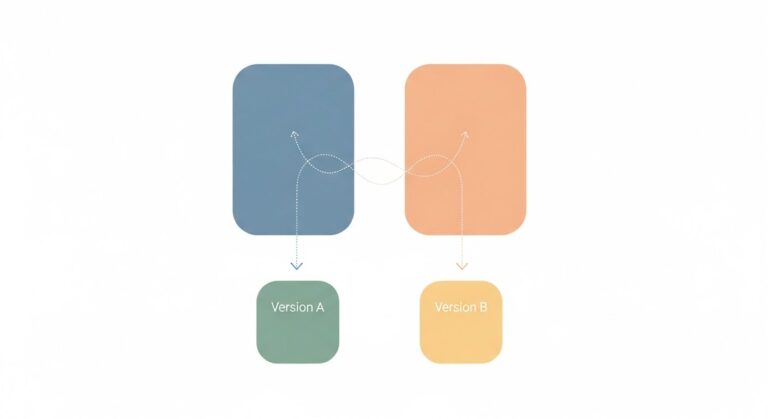
A/B Testing & Iteration
Never assume your first version is the best.
- Thumbnails: Test different images, text, and colors to see which drives the highest click-through rate.
- Titles & Descriptions: Experiment with wording and keyword placement.
- Intros & Hooks: The first 5-10 seconds are critical. Test different openings to maximize watch time.
- Calls to Action: Vary the placement, wording, and visual presentation of your CTAs.
Actionable Insight: Set up a content calendar specifically for video. This helps maintain consistency, track progress, and ensures a steady stream of content across your chosen platforms.
Measuring ROI & Scaling Your Video Efforts
In a startup environment, every dollar spent and every hour invested must demonstrate a clear return. Video marketing is no exception. Tracking, analyzing, and optimizing are paramount for scaling effectively.
Key Metrics That Matter
Move beyond vanity metrics. Focus on data that informs business decisions:
- Views & Reach: While not the sole indicator, it shows initial exposure. Track unique viewers vs. total views.
- Watch Time/Audience Retention: For long-form video, this is critical. High watch time signals engaging content and algorithmic favorability. Analyze drop-off points to identify areas for improvement.
- Engagement Rate: Likes, comments, shares. Indicates how well your content resonates and whether it’s fostering a community.
- Click-Through Rate (CTR): For videos with embedded CTAs or links in descriptions, this measures how effectively your video drives viewers to your desired action.
- Conversion Rate: The ultimate metric. How many viewers completed a desired action (sign-up, purchase, download) directly attributable to your video? Track this using UTM parameters and integrated analytics.
- Cost Per Conversion (CPC): For paid video campaigns, this is essential for understanding the efficiency of your ad spend.
- Lead Quality: Are the leads generated by video converting into paying customers at a higher rate? This speaks to the effectiveness of your targeting and messaging.
Attribution Models
Understanding video’s impact often requires more than last-click attribution.
- First-Touch Attribution: Video introduces a prospect to your brand.
- Last-Touch Attribution: Video is the final interaction before conversion.
- Multi-Touch Attribution (e.g., Linear, Time Decay, U-Shaped): Acknowledges that video plays a role at various stages of the customer journey, contributing to the overall conversion path. Many CRMs and analytics platforms offer robust multi-touch reporting.
Actionable Insight: Implement UTM tracking codes on all links associated with your videos (in descriptions, embedded on websites) to accurately attribute traffic and conversions back to specific video campaigns.
Tools for Analytics & Reporting
Leverage powerful analytics platforms to gain deep insights:
- YouTube Analytics: Comprehensive data on audience demographics, watch time, traffic sources, and retention for your YouTube content.
- Google Analytics 4 (GA4): Integrate your website’s video analytics with GA4 to track video engagement, events (play, pause, complete), and how video influences other website interactions and conversions.
- Video Hosting Platforms (Vidyard, Wistia): Offer detailed viewer-level analytics, heatmaps showing engagement spikes/drops, and integrations with marketing automation and CRM systems.
- Social Media Insights (TikTok Analytics, Instagram Insights, LinkedIn Analytics): Track performance metrics specific to each platform, helping you understand what resonates with their respective audiences.
Scaling with AI & Automation
The future of video marketing for startups lies in intelligent scaling.
- AI for Content Generation: Use AI to generate video scripts, create multiple variations of ad copy for A/B testing, or even produce entire videos with AI avatars and voiceovers. This allows you to produce more content, faster, without a massive team.
- Automated Personalization: Leverage tools that dynamically insert viewer-specific information (name, company) into videos at scale for sales outreach or customer onboarding.
- AI-Powered Editing: Tools like Descript allow you to edit video by editing the text transcript, dramatically speeding up the editing process for talking-head videos, podcasts, and webinars.
- Smart Distribution: Use AI-powered scheduling tools to optimize posting times across platforms for maximum reach, and leverage audience segmentation to deliver personalized video experiences.
- Repurposing at Scale: Use AI to automatically transcribe long-form videos, summarize them into short-form snippets, extract quotes for social graphics, or translate them into multiple languages, maximizing the ROI of each piece of content.
Actionable Insight: Start by experimenting with AI for specific, repetitive tasks like generating short ad variations or creating quick FAQ videos. As you gain confidence, gradually integrate AI into more complex parts of your workflow.
FAQ: Your Video Marketing Questions Answered
Q1: How much budget do I really need for effective video marketing as a startup?
A: The beauty of video in 2026 is its scalability. You can start lean and scale up. For under $500, you can equip yourself with a good smartphone, an external lavalier mic, and a basic ring light. Leverage free editing apps like CapCut or DaVinci Resolve. The biggest investment initially will be your time and creative energy. As you grow, allocate budget for professional editing software (Descript, Adobe Premiere Pro), AI video tools (Synthesia), or even outsourcing specific projects. The key is to start, learn, and reinvest based on ROI, rather than waiting for a massive budget.
Q2: Should I focus on short-form vertical video (TikTok, Reels) or long-form content (YouTube)?
A: It’s not an either/or; it’s a strategic blend. Short-form vertical video excels at initial awareness, capturing attention, and driving discovery—ideal for the top of your funnel. Long-form video, like YouTube tutorials or in-depth explainers, is crucial for building authority, educating your audience, and guiding them through the consideration and decision stages. A robust 2026 strategy integrates both: use short-form to hook, then direct interested viewers to your longer, more valuable content. Repurpose long-form content into multiple short clips for maximum efficiency.
Q3: What’s the biggest mistake startups make with video marketing?
A: The biggest mistake is creating video without a clear strategy or purpose. Many startups jump into video because “everyone else is doing it,” without defining their target audience, setting SMART goals, or understanding which stage of the buyer’s journey each video addresses. This leads to wasted resources, inconsistent branding, and ultimately, a lack of measurable ROI. Every video you produce must have a specific objective and a planned distribution channel.
Q4: My team is small. How can we consistently produce high-quality video content?
A: Consistency is paramount. Here’s how a small team can manage: 1) Batching: Plan and record multiple videos in one session. 2) Repurposing: Transform one piece of long-form content (e.g., a webinar) into dozens of short clips, graphics, and text posts. 3) Templates: Create branded templates for intros, outros, and common graphic overlays to speed up editing. 4) AI Tools: Leverage AI for script generation, video editing (e.g., Descript), and even full video creation (Synthesia) to automate repetitive tasks and scale output without expanding your team. 5) UGC: Encourage and curate user-generated content to fill gaps in your content calendar.
Q5: Is AI-generated video “good enough” for marketing, or does it lack authenticity?
A: AI-generated video has rapidly evolved and is absolutely “good enough” for many marketing use cases in 2026, especially for startups seeking efficiency and scalability. It excels for FAQs, internal communications, rapid testing of ad creatives, or localization. While it might not replace the raw authenticity of a founder speaking directly to the camera for highly emotional or trust-building content, it’s perfect for conveying information clearly and professionally at scale. The key is to use it strategically where efficiency and speed are priorities, and balance it with human-led content where deeper connection is needed. Don’t dismiss it; experiment with it.
Conclusion: Your Video-First Future Starts Today
The trajectory is clear: video isn’t just a trend; it’s the future of digital marketing. For startup founders and entrepreneurs navigating the competitive landscape of 2026, a robust, data-driven video marketing strategy isn’t optional—it’s foundational to growth, engagement, and market leadership. From understanding your audience and setting precise goals to deploying a diverse content arsenal and rigorously measuring ROI, every step outlined in this playbook is designed to empower you with actionable insights.
Embrace the power of video to tell your brand’s story, simplify complex solutions, and forge deeper connections with your audience. Start small, iterate fast, and leverage the incredible advancements in AI to scale your efforts. The businesses that master video marketing today will be the ones that define their industries tomorrow. Don’t just participate in the video revolution; lead it.
“`json
{
“@context”: “https://schema.org”,
“@graph”: [
{
“@type”: “Article”,
“mainEntityOfPage”: {
“@type”: “WebPage”,
“@id”: “https://www.eamped.com/video-marketing-strategy-2026”
},
“headline”: “Mastering Video Marketing: Your 2026 Strategy Playbook for Startup Growth”,
“description”: “A comprehensive, practical guide for startup founders and