The Ultimate 2026 Guide to Running High-Converting Webinars for Startups
In the relentless pursuit of growth, ambitious startup founders are constantly evaluating the most effective channels for lead generation, customer education, and brand building. While new marketing tactics emerge daily, the webinar remains an indispensable, high-leverage tool in the digital marketing arsenal. In 2026, a successful webinar isn’t just about showing up and presenting; it’s a meticulously planned, data-driven, and highly interactive experience designed to convert. This comprehensive guide will equip you with the sharp, actionable strategies and specific tools you need to run webinars that don’t just attract an audience, but actively drive your startup’s bottom line.
1. Strategic Foundation: Defining Your Webinar’s Core Purpose and Audience
Before you even think about slides or promotion, you must establish a rock-solid strategic foundation. Many startups fall into the trap of hosting a webinar “just because everyone else is.” This leads to generic content, low engagement, and zero ROI. Your webinar must have a clear, measurable purpose tightly aligned with your business objectives.
Define Your ‘Why’:
Are you aiming for:
- Lead Generation? Focus on solving a critical pain point your Ideal Customer Profile (ICP) faces, subtly introducing your solution as the answer.
- Customer Education/Onboarding? Deep dive into specific features, advanced use cases, or best practices to reduce churn and increase product adoption.
- Product Launch or Feature Announcement? Generate excitement, demonstrate value, and drive early adoption for new offerings.
- Thought Leadership/Brand Authority? Showcase your team’s expertise, share unique industry insights, and position your startup as a go-to resource.
- Sales Acceleration? Address common objections, provide live demos, and offer exclusive incentives to move prospects down the funnel.
Each ‘why’ dictates a different content structure, promotion strategy, and success metrics.
Deep Dive into Your Ideal Customer Profile (ICP):
Who are you speaking to? Go beyond demographics. Understand their:
- Pain Points: What keeps them up at night? What frustrations do they encounter daily that your solution addresses?
- Goals & Aspirations: What are they trying to achieve? How does your solution help them get there faster or more efficiently?
- Current Solutions/Alternatives: What are they doing now? Why isn’t it working perfectly?
- Information Consumption Habits: Where do they hang out online? What types of content do they consume?
Leverage your existing CRM data (e.g., HubSpot, Salesforce) to analyze customer segments, common support tickets, and sales objections. Conduct short surveys using tools like Typeform or SurveyMonkey among your existing audience or target prospects to validate assumptions. This granular understanding ensures your content resonates deeply.
Craft Your Unique Value Proposition (UVP):
Your webinar isn’t just a presentation; it’s a solution to a problem. Articulate what unique value attendees will gain. Frame your title and description around this UVP. Instead of “Introduction to [Your Product],” consider “Unlock [Desired Outcome]: A Practical Guide to [Solving Specific Problem] with [Your Solution].” This problem-solution framework is a potent engagement driver.
Set Measurable KPIs (Key Performance Indicators):
Based on your ‘why,’ define what success looks like.
- Lead Gen: Registration rate, attendance rate, number of qualified leads generated, cost per lead (CPL).
- Education: Feature adoption rate, customer satisfaction scores, reduction in support tickets.
- Sales: Number of demo requests, free trial sign-ups, conversion rate from webinar attendee to paying customer.
Without clear KPIs, you can’t optimize. Use your webinar platform’s analytics (e.g., Livestorm, Demio) integrated with your CRM to track these metrics end-to-end.
2. Pre-Webinar Hype: Mastering Promotion and Registration for Max Impact
Even the most brilliant content fails if no one shows up. Effective pre-webinar promotion is a multi-channel campaign designed to build anticipation and drive registrations. Think of it as launching a product, not just sending an invite.
Optimize Your Registration Landing Page:
This is your primary conversion point. It must be clear, compelling, and mobile-responsive.
- Headline: Catchy, benefit-driven, and includes your UVP.
- Key Takeaways: Bullet points outlining what attendees will learn.
- Speaker Bio: Establish credibility and expertise.
- Social Proof: Testimonials, logos of companies using your product, or past webinar attendee counts.
- Clear CTA: “Register Now,” “Save Your Spot.”
- Concise Form: Only ask for essential information (Name, Email, Company). More fields equal lower conversion.
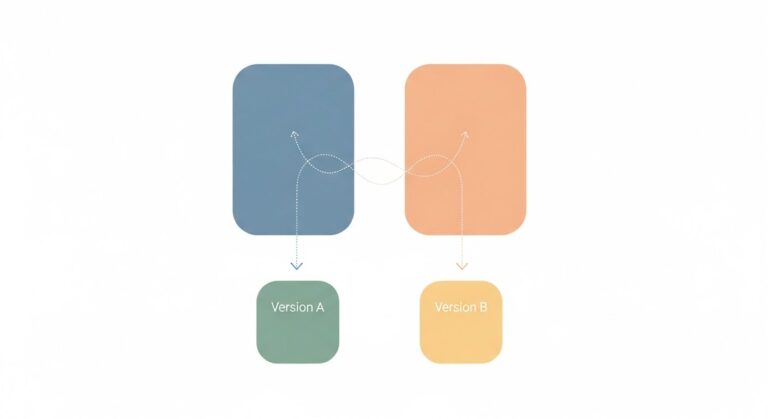
Tools like Unbounce or Leadpages offer robust A/B testing capabilities to optimize your page for maximum conversion. Expect registration rates to vary, but aim for 20-40% for warm audiences and 5-15% for cold traffic.
Multi-Channel Promotion Strategy:
Cast a wide, but targeted, net.
- Email Marketing (Your Hottest Channel): Segment your existing list (prospects, customers, newsletter subscribers) and tailor messages. Send a 3-part sequence: Announcement, Reminder, Last Chance. Craft compelling subject lines (e.g., “Don’t Miss Out: [Problem] Solved!”). Tools like ActiveCampaign, Mailchimp, or ConvertKit are essential.
- Social Media (Organic & Paid):
- Organic: Share on LinkedIn, X (formerly Twitter), Facebook groups relevant to your niche. Create engaging visuals and short video snippets teasing the content. Encourage team members to share.
- Paid: Leverage targeted ads on LinkedIn (for B2B), Facebook/Instagram (for B2C or B2B with specific demographics). Target based on job title, industry, interests, or lookalike audiences. Allocate a budget for this, as paid promotion significantly boosts reach.
- Website & Blog: Prominently display banners, pop-ups (e.g., using OptinMonster), and dedicated blog posts promoting the webinar. Embed registration forms directly on relevant blog content.
- Strategic Partnerships: Co-host with an complementary (non-competing) company or invite a well-known industry expert. They’ll promote to their audience, instantly expanding your reach.
- Retargeting: Show ads to people who visited your webinar landing page but didn’t register.
The Reminder Sequence:
This is critical for attendance rates, which typically range from 30-50% of registrants.
- 48 Hours Before: “Get Ready! Your Spot is Secured for [Webinar Title].” Include calendar links.
- 24 Hours Before: “Tomorrow! Here’s Your Link for [Webinar Title].” Reiterate key benefits.
- 1 Hour Before: “Live Soon! Join [Webinar Title] Now.” Direct link to the live room.
- 15 Minutes Before: An optional, but effective, final nudge.
Consider adding SMS reminders for higher open rates, especially for high-value prospects, using platforms like Twilio.
3. Crafting an Unforgettable Live Experience
The live event is where your preparation pays off. This isn’t just about information delivery; it’s about creating an engaging, valuable, and memorable experience that sets your startup apart.
Content Structure for Maximum Impact:
Follow a proven narrative arc:
- The Hook (5-10 min): Start strong. A compelling statistic, a relatable story, or a bold statement to immediately grab attention. Introduce yourself and the agenda.
- The Problem (10-15 min): Deeply empathize with your audience’s pain points. Articulate the problem better than they can themselves. This builds trust and relevance.
- The Solution (15-20 min): Introduce your approach or framework. Provide actionable insights and strategies, not just theoretical concepts. This is where your unique expertise shines.
- The Demo/Case Study (10-15 min): If applicable, showcase your product in action, focusing on how it solves the identified problems. Use real-world examples or a success story.
- Q&A (10-15 min): Dedicate substantial time. This is often the most engaging part.
- The Call to Action (CTA) (5 min): Clearly state the next step you want attendees to take (e.g., free trial, demo request, resource download).
Aim for a total duration of 45-60 minutes, including Q&A. Attention spans are short.
Engaging Your Audience in Real-Time:
Passive listening leads to drop-offs. Proactive engagement is key.
- Polls & Quizzes: Integrate 2-3 polls throughout the presentation. Ask about their challenges, their current solutions, or preferences. This makes them active participants and provides valuable insights.
- Live Chat: Encourage questions and comments throughout. Have a moderator (or a second speaker) monitor the chat, answer simple questions, and flag complex ones for the Q&A segment. Tools like Zoom Webinar and GoToWebinar have robust chat features.
- Q&A Session: Don’t just answer questions; engage in a dialogue. Repeat questions for clarity, provide thoughtful answers, and thank participants. Prepare a few common questions in advance in case the audience is shy initially.
- Storytelling: Weave personal anecdotes, customer success stories, and real-world scenarios into your presentation. Stories are memorable and relatable.
- Visuals, Not Text: Your slides should be visually rich, not text-heavy. Use high-quality images, infographics, and minimal bullet points. The presenter is the content, the slides are the support.
Technical Mastery: No Excuses:
A glitchy webinar erodes credibility instantly.
- Reliable Platform: Invest in a professional webinar platform like Zoom Webinar, GoToWebinar, Livestorm, or Demio. Choose one with robust features, excellent uptime, and good analytics. Consider features like custom branding, breakout rooms (for advanced sessions), and CRM integrations.
- High-Quality Audio & Video: Use a good external microphone (e.g., Blue Yeti, Rode NT-USB Mini) and a decent webcam (e.g., Logitech C920, Razer Kiyo). Ensure good lighting.
- Stable Internet Connection: Hardwire your connection if possible. Have a backup hotspot ready.
- Rehearse, Rehearse, Rehearse: Do a full technical run-through with all speakers, slides, and interactive elements. Check screen sharing, video playback, and audio levels.
- Backup Plan: Have a co-host or moderator ready to step in if a speaker experiences technical difficulties. Have a pre-recorded backup of critical segments if absolutely necessary.
Remember, your energy is contagious. Be enthusiastic, authentic, and genuinely interested in helping your audience.
4. Post-Webinar Goldmine: Nurturing Leads and Maximizing ROI
The webinar doesn’t end when you click “stop recording.” The real work—and the greatest opportunity—begins afterward. This is where you convert engaged attendees into qualified leads and, ultimately, customers.
The Immediate Follow-Up Sequence:
Speed and relevance are paramount.
- Thank You & Recording Email (within 24 hours): Send a personalized email to all registrants (attendees and no-shows). Thank attendees, provide a link to the recording, and reiterate the main CTA. For no-shows, provide the recording and a gentle nudge to watch it, perhaps with a smaller, more accessible CTA.
- Segmented Follow-Ups: This is where the magic happens.
- Engaged Attendees (e.g., asked questions, participated in polls): Send a more personalized email, perhaps referencing their specific question or poll response. Offer a direct path to the next step (e.g., “Ready for a deeper dive? Book a 15-min chat here.”).
- Attendees (less engaged): Provide additional resources related to the webinar topic (e.g., a relevant blog post, a free template).
- No-Shows: Encourage them to watch the recording and offer a clear, low-friction next step (e.g., download a related lead magnet).
Integrate your webinar platform with your CRM (Salesforce, HubSpot) and marketing automation platform (Pardot, Marketo, ActiveCampaign) to automate these sequences and update lead statuses. This ensures no lead falls through the cracks.
Content Repurposing: The Gift That Keeps Giving:
Don’t let your valuable webinar content collect dust. Transform it into a diverse array of assets.
- Blog Posts: Transcribe the webinar and create 2-3 detailed blog posts covering key topics. Optimize them for SEO.
- Short Video Clips: Edit the recording into bite-sized segments (1-3 minutes) highlighting key insights, tips, or product features. Share these on social media (LinkedIn, YouTube Shorts, Instagram Reels) and embed them in blog posts. Tools like Descript make this easy.
- Podcast Episodes: Extract the audio and publish it as a podcast episode.
- Infographics & Quote Cards: Visually represent key data points or memorable quotes from the webinar.
- Lead Magnets: Create a more in-depth guide, checklist, or template based on the webinar content, using it as a gated asset for future lead generation.
- Internal Training: Use the recording to train your sales or support teams.
Repurposing extends the life and reach of your content, driving evergreen traffic and leads long after the live event.
Feedback Loop & Iteration:
Always seek to improve.
- Post-Webinar Survey: Send a short survey to attendees asking about content quality, speaker effectiveness, and what topics they’d like to see next. Use tools like Google Forms or Typeform.
- Sales Team Debrief: Share the list of attendees and their engagement levels with your sales team. Gather their feedback on lead quality and common questions.
This feedback is invaluable for refining your strategy for future webinars.
5. Analytics & Optimization: The Data-Driven Advantage
If you can’t measure it, you can’t improve it. A successful webinar strategy in 2026 is inherently data-driven. You need to track, analyze, and iterate based on concrete metrics.
Key Metrics to Track Across the Funnel:
- Promotion & Registration:
- Registration Rate: (Registrants / Visitors to landing page) * 100%. Benchmarks vary widely by audience and promotion, but 20-40% is good for warm audiences.
- Cost Per Registration (CPR): (Total ad spend / Total registrants).
- Channel Performance: Which channels (email, social, paid ads, partners) drove the most registrations and at what CPR? Use UTM parameters consistently.
- Attendance & Engagement:
- Attendance Rate: (Attendees / Registrants) * 100%. Aim for 30-50%.
- Average Watch Time: How long did attendees stay? A significant drop-off point indicates content issues.
- Engagement Rate: Poll participation, chat messages, questions asked. High engagement correlates with higher conversion.
- Drop-off Points: Where did attendees leave? This can highlight areas for content or delivery improvement.
- Conversion & ROI:
- CTA Click-Through Rate: (Clicks on your CTA / Attendees).
- Conversion Rate: (Desired action taken / Attendees or Registrants). E.g., demo requests, free trial sign-ups, sales.
- Qualified Lead Rate: Percentage of attendees who meet your MQL (Marketing Qualified Lead) criteria.
- Cost Per Qualified Lead (CPQL): (Total webinar cost / Qualified leads).
- Revenue Attributed to Webinar: The ultimate metric. Track this through your CRM.
Tools for Data Collection & Analysis:
- Webinar Platform Analytics: Most platforms (Zoom Webinar, Livestorm, Demio) provide detailed reports on registrations, attendance, engagement, and even individual attendee activity.
- CRM Dashboards: Integrate your webinar data directly into your CRM (HubSpot, Salesforce) to track leads through the entire sales pipeline.
- Google Analytics 4 (GA4): Track traffic to your landing page, user behavior, and conversion events.
- Marketing Automation Platforms: Analyze email open rates, click-through rates, and conversion within your follow-up sequences.
The Iterative Optimization Cycle (PDCA Framework):
Embrace a continuous improvement mindset:
- PLAN: Based on past data and new insights, hypothesize what you can improve (e.g., “If we change the webinar title to focus on ‘X,’ registration rates will increase by Y%”).
- DO: Implement the changes (e.g., A/B test a new landing page headline).
- CHECK: Measure the results against your hypothesis.
- ACT: If successful, implement the change permanently. If not, analyze why and plan a new iteration.
This data-driven approach transforms webinars from a one-off event into a powerful, scalable growth engine.
6. Scaling Your Webinar Strategy in 2026: Automation, AI, and Beyond
To truly maximize the impact of webinars, startups in 2026 must look beyond individual events and build a scalable, integrated strategy.
Embrace Evergreen & On-Demand Webinars:
Not every webinar needs to be live.
- Evergreen Webinars: Record your most successful live webinars and make them available on-demand or schedule them for automated, recurring playback. Platforms like Demio and Livestorm excel here. This allows leads to access valuable content 24/7, acting as an automated lead generation machine.
- On-Demand Libraries: Create a library of past webinars on your website, categorized by topic. This positions you as a valuable resource and extends the content’s lifespan.
This automation frees up your team’s time while continuously engaging prospects.
Leverage AI for Personalization and Efficiency:
AI is rapidly transforming how we interact with and manage webinars.
- AI-Powered Content Generation: Use AI tools (e.g., Jasper AI, Copy.ai) to help draft webinar titles, descriptions, social media posts, and even outline presentation points.
- AI Chatbots: Implement chatbots on your registration page or within the live webinar room (for pre-submitted questions) to answer FAQs, guide registrants, and improve the attendee experience.
- Dynamic Content: Future platforms may allow for dynamic content delivery based on attendee profiles or real-time engagement, showing different product features or case studies to different segments.
- Post-Webinar Summaries: AI can automatically generate summaries, key takeaways, and even highlight important questions from the Q&A, streamlining content repurposing.
Hybrid Events & Enhanced Interactivity:
The line between virtual and in-person events is blurring.
- Hybrid Model: Consider hosting a physical event with a robust virtual component, allowing for broader reach while maintaining the high-touch experience for local attendees.
- Advanced Interactive Tools: Explore platforms that offer virtual whiteboards, collaborative breakout rooms, and gamification elements to keep remote audiences deeply engaged.
Community Building & Long-Term Engagement:
Webinars shouldn’t be isolated events; they should feed into a broader community strategy.
- Dedicated Groups: Create a private Slack channel, Discord server, or LinkedIn group for webinar attendees to continue discussions, ask follow-up questions, and network.
- Ongoing Content Series: Position individual webinars as part of a larger series, encouraging attendees to register for future sessions.
- Expert Q&A Sessions: Host informal “office hours” or Q&A sessions with your experts based on popular webinar topics.
This builds brand loyalty, fosters advocacy, and creates a continuous feedback loop for product development and marketing. By adopting these scaling strategies, your startup can transform webinars from a tactic into a central pillar of your growth strategy.
FAQ: Your Top Webinar Questions Answered
Here are answers to common questions startup founders have about running successful webinars in 2026:
Q: What’s a good attendance rate for a webinar?
A: A good attendance rate typically falls between 30-50% of registered attendees. For highly targeted audiences or internal training, this can be higher. For broader, cold audiences, it might be lower. Focus on driving engaged registrations rather than just high numbers, as attendance rate is a key indicator of interest.
Q: How long should a webinar be?
A: For most B2B and educational webinars, 45-60 minutes is ideal, including 10-15 minutes for Q&A. This duration is long enough to deliver substantial value but short enough to maintain attendee engagement. For quick product updates or “lunch and learn” sessions, 30 minutes can be effective.
Q: What’s the best day/time to host a webinar?
A: Mid-week (Tuesday, Wednesday, Thursday) is generally best, avoiding Mondays (catch-up day) and Fridays (winding down). For time, 10 AM, 11 AM, 1 PM, or 2 PM in your target audience’s dominant time zone often perform well. Consider offering two sessions for different time zones if you have a global audience, or leverage on-demand recordings heavily.
Q: Should I offer a recording of the webinar?
A: Absolutely. Offering a recording is standard practice and highly recommended. It serves multiple purposes: it acts as a valuable resource for attendees to revisit content, allows registrants who couldn’t attend live to still benefit, and provides content for repurposing into other marketing assets. Send it out within 24 hours of the live event.
Q: How do I choose the right webinar platform?
A: Consider your budget, desired features, audience size, and integration needs. Key features to look for include: ease of use for both hosts and attendees, reliable streaming, interactive tools (polls, Q&A, chat), robust analytics, branding customization, and CRM/marketing automation integrations. Popular choices for startups include Zoom Webinar, Livestorm, Demio, and GoToWebinar. Start with a free trial to test functionality.
Conclusion
Running a successful webinar in 2026 is no longer a peripheral marketing activity; it’s a strategic imperative for ambitious startups. By adopting a data-driven approach, meticulously planning your content and promotion, crafting an engaging live experience, and diligently nurturing leads post-event, you can transform webinars into a potent engine for growth. This isn’t just about presenting; it’s about building relationships, demonstrating value, and driving measurable conversions. Embrace these actionable insights, leverage the right tools, and commit to continuous optimization. Your next high-converting webinar starts now.
“`json
{
“@context”: “https://schema.org”,
“@graph”: [
{
“@type”: “Article”,
“headline”: “The Ultimate 2026 Guide to Running High-Converting Webinars for Startups”,
“description”: “A comprehensive, practical guide for startup founders and entrepreneurs on how to plan, promote, execute, and optimize webinars for maximum growth and ROI in 2026. Includes specific tools, tactics, and data-driven strategies.”,
“image”: {
“@type”: “ImageObject”,
“url”: “https://www.eamped.com/images/webinar-guide-2026.jpg”,
“width”: 1200,
“height”: 675
},
“author”: {
“@type”: “Person”,
“name”: “Eamped Content Team”
},
“publisher”: {
“@type”: “Organization”,
“name”: “Eamped”,
“logo”: {
“@type”: “ImageObject”,
“url”: “https://www.eamped.com/images/eamped-logo.png”,
“width”: 600,
“height”: 60
}
},
“datePublished”: “2023-10-27T10:00:00Z”,
“dateModified”: “2023-10-27T10:00:00Z”,
“mainEntityOfPage”: {
“@type”: “WebPage”,
“@id”: “https://www.eamped.com/blog/successful-webinar-guide-2026”
},
“articleSection”: [
“Strategic Foundation: Defining Your Webinar’s Core Purpose”,
“Pre-Webinar Hype: Mastering Promotion & Registration”,
“Crafting an Unforgettable Live Experience”,
“Post-Webinar Goldmine: Nurturing Leads & Maximizing ROI”,
“Analytics & Optimization: The Data-Driven Advantage”,
“Scaling Your Webinar Strategy in 2026”
],
“keywords”: “webinar guide, successful webinar, run a webinar, webinar strategy, 2026, digital marketing, startup growth, lead generation, webinar platforms, marketing automation”
},
{
“@type”: “FAQPage”,
“mainEntity”: [
{
“@type”: “Question”,
“name”: “What’s a good attendance rate for a webinar?”,
“acceptedAnswer”: {
“@type”: “Answer”,
“text”: “A good attendance rate typically falls between 30-50% of registered attendees. For highly targeted audiences or internal training, this can be higher. For broader, cold audiences, it might be lower. Focus on driving engaged registrations rather than just high numbers, as attendance rate is a key indicator of interest.”
}
},
{
“@type”: “Question”,
“name”: “How long should a webinar be?”,
“acceptedAnswer”: {
“@type”: “Answer”,
“text”: “For most B2B and educational webinars, 45-60 minutes is ideal, including 10-15 minutes for Q&A. This duration is long enough to deliver substantial value but short enough to maintain attendee engagement. For quick product updates or ‘lunch and learn’