
Public DC Fast Charging Etiquette and Best Practices
TL;DR: Master public DC Fast Charging by planning ahead, being mindful of time limits and fellow drivers, leveraging charging apps for real-time data, and fostering a community of respect. Efficient charging isn’t just good etiquette; it’s a productivity hack for busy founders and marketers, minimizing downtime and maximizing the utility of a shared, vital resource.
Understanding the DC Fast Charging Landscape: A Strategic Overview for Founders
For startup founders and digital marketing strategists, understanding the DC Fast Charging (DCFC) landscape isn’t merely about personal convenience; it’s about recognizing a burgeoning infrastructure and the operational challenges and opportunities it presents. DCFC, often referred to as Level 3 charging, delivers power at significantly higher rates than Level 2, typically ranging from 50 kW to over 350 kW, allowing most EVs to gain 80% charge in 20-60 minutes. This speed is a game-changer for long-haul trips and urban commuters alike, transforming what was once a multi-hour ordeal into a quick pit stop.
The rapid expansion of networks like Electrify America, EVgo, and ChargePoint, alongside Tesla’s proprietary Supercharger network, reflects massive investment. Electrify America, for instance, aims to have over 1,800 charging stations and 10,000 individual chargers in the US and Canada by 2026. This growth is fueled by both consumer demand and significant government incentives, such as the National Electric Vehicle Infrastructure (NEVI) Formula Program, which allocates billions to build out a robust charging network. For a founder, this represents a shifting paradigm: less about personal car ownership and more about a systemic change in energy consumption and infrastructure.
However, this rapid growth also brings complexities. Different connectors (CCS, CHAdeMO, NACS/Tesla), varying pricing structures (per kWh, per minute, session fees), and network reliability issues can create friction. ChargePoint, a leading EV charging network, reports over 200,000 active charging ports globally, demonstrating the scale, but also highlighting the need for standardization and seamless user experiences. Startups in the EV ecosystem are already tackling these challenges, from developing universal payment platforms to AI-driven charger allocation systems. Understanding these dynamics is crucial not just for personal charging habits, but for identifying potential market gaps, partnership opportunities, or even new SaaS solutions that can optimize this evolving infrastructure. For instance, a digital marketing agency might specialize in promoting sustainable transportation solutions, requiring deep insight into these very networks. The operational efficiency derived from a well-understood charging landscape directly translates to reduced downtime for your team and fleet, offering a tangible ROI in productivity.
Pre-Charge Preparation: Maximizing Your Efficiency and Minimizing Downtime
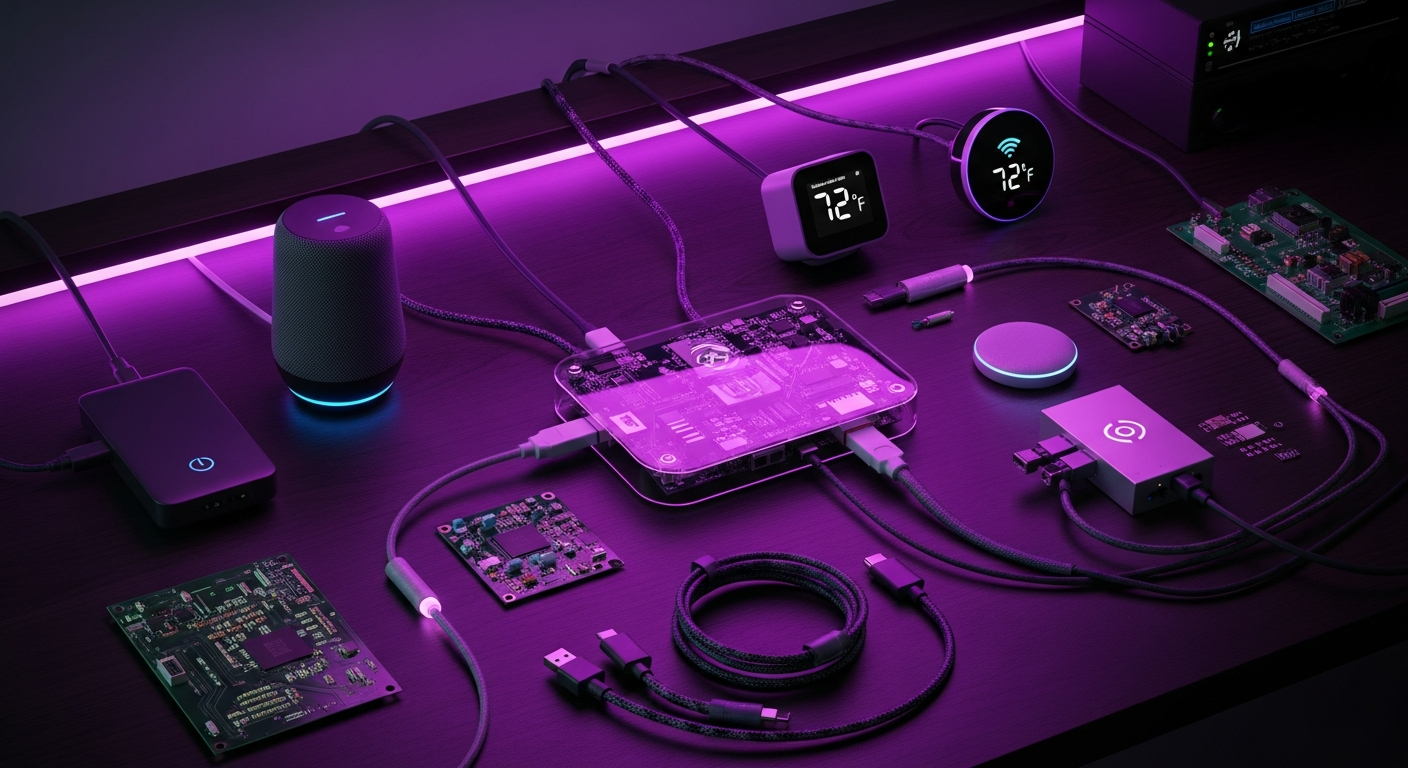
In the fast-paced world of startups, every minute counts. Just as you wouldn’t launch a marketing campaign without thorough planning, approaching a DC Fast Charging session requires strategic foresight to maximize efficiency and minimize downtime. This preparation phase is where savvy EV drivers, particularly those with a founder’s mindset, truly shine.
First, leverage technology. Apps like PlugShare, A Better Routeplanner (ABRP), Electrify America, ChargePoint, and EVgo are indispensable tools. PlugShare, for example, offers user-generated reviews, photos, and real-time availability status for chargers across all networks. Before heading out, especially on longer trips, use these apps to:
- Locate Chargers: Identify DCFC stations along your route or near your destination.
- Check Availability: See if chargers are currently in use, out of order, or have a queue. Some apps even show estimated wait times. A study by JD Power in 2023 found that public charger availability and reliability are top concerns for EV owners, underscoring the importance of this step.
- Verify Speed & Connector Type: Ensure the station offers the charging speed your vehicle can handle (e.g., 150 kW, 350 kW) and has the correct connector (CCS, CHAdeMO, or NACS).
- Review Pricing: Understand the cost structure—some charge per kWh, others per minute, or a combination. Membership plans (e.g., Electrify America Pass+, EVgo Plus) often offer reduced rates, which can yield significant savings for frequent users. For example, an Electrify America Pass+ membership might drop your rate from $0.43/kWh to $0.31/kWh, saving you over 25% on a typical 50 kWh session.
Secondly, consider your battery’s State of Charge (SoC). DC Fast Chargers deliver maximum power when your battery is at a lower SoC (typically 20-50%) and significantly slow down as it approaches 80%. This is known as the “charging curve.” Planning to arrive at a DCFC with around 20-30% SoC will ensure you get the fastest possible charge. Pushing to 90% or 100% at a DCFC is often inefficient, as the last 20% can take as long as the first 80%. For example, topping up from 70% to 80% might take 5 minutes, but 80% to 90% could take an additional 15-20 minutes, tying up a valuable resource unnecessarily. Use your in-car navigation or ABRP to precondition your battery if your EV supports it; this optimizes battery temperature for faster charging upon arrival, shaving precious minutes off your session. This meticulous planning isn’t just good etiquette; it’s a strategic move to optimize your time and resources, reflecting the same efficiency principles applied to project management or campaign optimization in the digital marketing world.
The Golden Rule of the Charger: Be Mindful and Timely
Just as a co-working space thrives on shared respect and efficient resource allocation, the public DC Fast Charging station operates on a similar principle. The “Golden Rule” here is simple yet profound: be mindful of others and timely in your usage. This isn’t merely about being polite; it’s about optimizing a limited, high-demand resource for the benefit of the entire EV community, a concept that resonates deeply with startup culture’s emphasis on efficiency and community building.
The most critical aspect is understanding and respecting the 80% rule. As discussed, DCFC speeds significantly taper off after your battery reaches approximately 80% State of Charge (SoC). Continuing to charge past this point not only slows down your own session but also prevents others from accessing a charger that could deliver much faster speeds to their lower-SoC vehicles. For instance, while your vehicle might pull 150 kW at 30% SoC, it might only be drawing 30 kW at 85% SoC, effectively “charger hogging” a high-power stall for a trickling charge. Most charging networks, like Electrify America and EVgo, implement idle fees after a grace period once your charging session completes or your battery reaches a certain SoC (often 80% or 90%) to discourage this behavior. Electrify America’s idle fee, for example, is $0.40 per minute after a 10-minute grace period, a cost that quickly adds up and incentivizes prompt departure.
Beyond the 80% rule, active monitoring of your charging status is crucial. Modern EV apps provide real-time updates on your battery’s SoC and estimated time to completion. Set notifications on your phone to alert you when your session is nearing completion or has reached your desired SoC. When your car is charged, move it promptly. This frees up the charger for the next driver and avoids unnecessary idle fees. If you need to spend more time in the area, consider moving your fully charged vehicle to a regular parking spot, if available and permissible, rather than occupying the fast charger.
Finally, consider communication. If there’s a queue, a simple nod or brief chat can establish goodwill. If you anticipate needing a few extra minutes for a specific reason, politely inform those waiting. Leaving a note with your phone number on your dashboard is a common courtesy if you must step away for an extended period, allowing others to contact you if the charger is urgently needed. This proactive communication fosters a positive environment, much like transparent communication within a startup team leads to better collaboration and outcomes. By adhering to these practices, you not only demonstrate respect but also contribute to the efficient operation of shared infrastructure, a win-win for everyone in the EV community.
Navigating Charging Network Apps and Payment Systems: A Digital Marketer’s Perspective
For digital marketers and tech-savvy founders, the ecosystem of DC Fast Charging extends beyond the physical hardware into a complex web of mobile applications and payment systems. Mastering these digital interfaces isn’t just about convenience; it’s about optimizing your workflow, tracking expenses, and even understanding customer journey mapping in a real-world context. Each major charging network—Electrify America, EVgo, ChargePoint, and the Tesla Supercharger network—operates with its own app and payment structure, creating a fragmented but increasingly sophisticated user experience.
Take Electrify America, for instance. Their app allows you to locate stations, check charger availability, initiate and monitor charging sessions, and manage your payment methods. They offer a “Pass+” membership for a monthly fee (e.g., $4.00/month) that significantly reduces per-kWh rates, often by 20-30%. For a high-mileage EV user, this subscription model translates into substantial annual savings, mirroring how SaaS platforms offer tiered pricing for different user needs. Similarly, EVgo’s app provides similar functionalities, often integrating with loyalty programs and offering flexible pricing plans. Their EVgo Plus plan, for a small monthly fee, also provides a discount on charging sessions.
ChargePoint, known for its extensive network of both Level 2 and DCFC stations, offers a robust app that not only facilitates charging but also provides detailed session history, energy consumption data, and carbon emissions savings. This level of data analytics is gold for a founder keen on sustainability reporting or tracking operational costs. Their platform also supports various payment options, including Apple Pay, Google Pay, and direct credit card integration, emphasizing user flexibility.
Tesla’s Supercharger network, while historically proprietary, is increasingly opening up to non-Tesla EVs in select locations, often requiring the Tesla app for payment and session management. This move highlights a strategic shift towards broader accessibility, a concept digital marketers understand well in terms of market expansion. The Supercharger experience is often lauded for its seamless integration and reliability, setting a benchmark for user experience that other networks strive to achieve.
From a digital marketing perspective, these apps are powerful touchpoints. They collect valuable user data, provide channels for direct communication (notifications, promotions), and build brand loyalty through seamless experiences and value-added features. Understanding how these apps function, their UX/UI strengths and weaknesses, and their pricing models can even inform your own product development or marketing strategies. For instance, the frustration of a buggy app or an unreliable payment system directly impacts customer satisfaction, a crucial metric for any startup. By actively engaging with these platforms, you’re not just charging your car; you’re conducting competitive analysis and market research on the fly, gaining insights into the digital infrastructure powering the future of mobility.
Community and Communication: Fostering a Positive EV Ecosystem
The EV community is a unique blend of early adopters, tech enthusiasts, and environmentally conscious individuals, all navigating a rapidly evolving landscape. For startup founders and digital marketers, fostering a positive community around shared resources, like DC Fast Chargers, is not just about good manners; it’s about brand building, reputation management, and understanding the power of collective experience. Just as a strong online community can elevate a SaaS product, a respectful and communicative EV community enhances the charging experience for everyone.
Effective communication at a charging station can diffuse tension and improve efficiency. If you arrive at a busy station and there’s a queue, a simple acknowledgment of those waiting, or even a quick chat about estimated charging times, can set a positive tone. Apps like PlugShare often have a “check-in” feature where drivers can leave comments about charger status, wait times, or even connect with other drivers. This real-time, peer-to-peer communication is invaluable. Imagine a scenario where a charger is down; a quick post on PlugShare saves countless drivers wasted trips, much like a quick status update from a SaaS provider about an outage maintains user trust.
Beyond direct interaction, consider the subtle cues. Parking your vehicle correctly within the charging bay, ensuring cables don’t block pedestrian pathways or other parking spots, and being mindful of noise levels all contribute to a respectful environment. If you notice a charger is malfunctioning, taking a moment to report it via the network’s app or customer service line (e.g., Electrify America’s 24/7 support line) is a powerful act of community service. This proactive problem-solving benefits everyone, preventing future frustration and demonstrating a commitment to the collective good.
The EV community is also a source of valuable feedback and insights. Online forums, social media groups, and dedicated EV owner clubs are vibrant hubs of discussion about charging experiences, vehicle performance, and infrastructure development. Engaging with these communities can provide founders with firsthand market research, identifying pain points that could inspire new product ideas or service offerings. For instance, consistent complaints about charger reliability in a specific region might highlight a gap for a mobile charging service or a crowdsourced maintenance reporting platform. By actively participating and embodying good etiquette, you not only improve your own charging experience but also contribute to a stronger, more supportive ecosystem that ultimately accelerates EV adoption and infrastructure improvement, aligning perfectly with the growth-oriented mindset of a startup.
Leveraging Data and Feedback for Better Charging Experiences: A SaaS Approach
For tech startups and digital marketers, the DC Fast Charging experience isn’t just about electrons flowing; it’s a rich data stream waiting to be analyzed and optimized. Approaching charging with a “SaaS mindset” means constantly seeking metrics, feedback loops, and opportunities for continuous improvement, not just for your personal use, but for the entire EV ecosystem. This perspective can even uncover potential business opportunities within the burgeoning EV infrastructure market.
Consider the data points available. Your charging network apps (Electrify America, ChargePoint, EVgo) meticulously record session duration, energy delivered (kWh), cost, and even the specific charger ID used. By regularly reviewing your charging history, you can identify patterns: which stations are most reliable, which times offer the best availability, and which pricing plans yield the most savings. For a founder managing a fleet of company EVs, this data becomes critical for cost optimization and operational efficiency. For example, if your team consistently uses a 150 kW charger that only delivers 70 kW due to grid constraints or vehicle limitations, identifying this discrepancy can lead to smarter routing and time management.
Beyond personal data, the collective feedback from platforms like PlugShare is a goldmine. User reviews, photos, and check-ins provide real-time, qualitative data on charger reliability, cleanliness, and the overall user experience. This crowdsourced intelligence is akin to customer reviews for a SaaS product; it highlights bugs, feature requests, and areas for improvement. A startup could, for instance, develop an AI-powered sentiment analysis tool for PlugShare comments to provide charge point operators (CPOs) with actionable insights, predicting maintenance needs or identifying high-satisfaction locations.
Furthermore, the charging networks themselves are increasingly sophisticated data providers. ChargePoint, for example, offers analytics tools for site hosts to monitor charger utilization, energy consumption, and revenue. This data can inform future infrastructure planning, ensuring that new stations are strategically placed and adequately powered to meet demand. For digital marketers, understanding these backend metrics can refine targeting for EV-related campaigns, identifying high-traffic areas or underserved markets.
Thinking like a product manager, every charging session is a “user story.” What are the pain points? Long queues, broken chargers, confusing payment systems. What are the “delighters”? Seamless app integration, reliable hardware, clear signage. By actively providing feedback—whether through in-app surveys, customer service calls, or community forums—you contribute to the iterative improvement of the charging experience. This feedback loop is essential for any growing product or service, and the EV charging industry is no exception. Embracing this data-driven, feedback-oriented approach transforms a routine task into an opportunity for strategic insight and ecosystem enhancement, a true embodiment of the startup spirit.
Future-Proofing Your Charging Habits: Adapting to an Evolving Grid
The EV charging landscape is not static; it’s a dynamic, rapidly evolving sector driven by technological innovation, policy shifts, and increasing demand. For startup founders and digital marketers, future-proofing your charging habits means staying agile, anticipating changes, and adapting your strategies to leverage new developments. This proactive approach ensures you remain at the forefront of efficiency and sustainability, much like staying ahead of SEO algorithm changes or emerging marketing channels.
One significant trend is the move towards higher power outputs. While 50 kW and 150 kW chargers are common today, 350 kW chargers are becoming more prevalent, with companies like Electrify America deploying them across their network. Vehicles capable of utilizing these higher speeds, such as the Porsche Taycan, Hyundai Ioniq 5, and Kia EV6, are already on the road. As battery technology improves and more vehicles can accept these ultra-fast rates, the average charging session duration will continue to shrink. Future-proofing means understanding your vehicle’s maximum charging rate and prioritizing stations that can deliver that power, avoiding slower chargers if time is of the essence.
Another crucial development is the increasing adoption of Plug & Charge technology, based on the ISO 15118 standard. This feature, already available on some networks and vehicles (e.g., Ford Mustang Mach-E on Electrify America), allows you to simply plug in your car, and the charger automatically identifies your vehicle, authorizes the session, and begins charging, eliminating the need for apps or RFID cards. This seamless experience significantly reduces friction and improves user convenience, aligning with the “frictionless customer journey” mantra of digital marketing. As more vehicles and chargers support Plug & Charge, it will become the default, making pre-session app fiddling a relic of the past.
Furthermore, the grid itself is evolving. Smart charging, vehicle-to-grid (V2G), and demand response programs are on the horizon. V2G technology allows EVs to not only draw power from the grid but also to feed stored energy back into it during peak demand, potentially earning vehicle owners credits or payments. While largely experimental now, companies like Nuvve are actively developing V2G solutions. Understanding these concepts helps you prepare for a future where your EV is not just a mode of transport but a mobile energy storage unit, offering financial and environmental benefits.
Finally, keep an eye on battery technology advancements. Solid-state batteries promise faster charging, higher energy density, and longer lifespans. While still some years away from mass production, these innovations will fundamentally alter charging requirements and capabilities. By staying informed about these technological shifts, subscribing to industry newsletters, and following key innovators, you ensure your charging habits and expectations are aligned with the cutting edge, reinforcing the forward-thinking ethos essential for any successful startup.
Comparison of Popular DC Fast Charging Networks
Choosing the right DC Fast Charging network often depends on your location, vehicle, and specific needs. Here’s a comparison of some leading players, highlighting aspects relevant to efficiency and user experience for the discerning EV owner.
| Feature/Network | Electrify America | EVgo | ChargePoint | Tesla Supercharger (Open to Non-Tesla) |
|---|---|---|---|---|
| Primary Connector Types | CCS, CHAdeMO | CCS, CHAdeMO | CCS, CHAdeMO (Level 2 & DCFC) | NACS, CCS (via adapter or built-in, increasingly common) |
| Max Power Output (kW) | Up to 350 kW | Up to 350 kW | Up to 350 kW (varies widely by station) | Up to 250 kW |
| Pricing Model | Per kWh (varies by state), subscription discounts available | Per minute or per kWh (varies by state), subscription discounts available | Set by station host (per kWh, per minute, flat fee) | Per kWh or per minute (varies by state), higher rates for non-Teslas |
| App Features | Station locator, real-time availability, remote start/stop, payment management, Plug & Charge support | Station locator, real-time availability, remote start/stop, payment, loyalty programs | Extensive network, station locator, session history, payment, waitlist feature, enterprise solutions | Seamless integration, station locator, navigation to available stalls, payment via app, high reliability |
| Idle Fees | Yes, after 10-minute grace period post-session/80% SoC | Yes, after 10-minute grace period post-session/80% SoC | Dependent on station host settings | Yes, significant fees for overstaying |
| Reliability (User Reported) | Improving, some reported issues with specific stations | Generally good, occasional outages reported | Varies widely by station host and maintenance schedule | Consistently high, known for uptime |
| Typical Cost per kWh (approx.) | $0.31 – $0.48 (Pass+ vs. Guest) | $0.34 – $0.50 (Plus vs. Guest) | $0.25 – $0.60+ (highly variable) | $0.40 – $0.60+ (non-Tesla often higher) |
| Best For | Cross-country travel, high-power charging, new EV models | Urban charging, diverse locations, loyalty benefits | Widespread availability (L2 & DCFC), corporate fleets, flexible host pricing | Tesla owners, increasingly non-Teslas seeking reliability |