Understanding the Psychology and Power of Social Proof
At its core, social proof is a psychological phenomenon where people assume the actions of others in an attempt to reflect correct behavior in a given situation. Coined by Robert Cialdini in his seminal book “Influence: The Psychology of Persuasion,” it stems from our innate human tendency to look to others when we’re uncertain about a decision. In the digital realm, this translates into potential customers seeking validation from their peers, experts, or even the sheer volume of existing users before making a purchase, signing up for a service, or even downloading a whitepaper.
Why Social Proof is Indispensable for Conversions
- Reduces Uncertainty: When faced with a new product or service, especially from a nascent tech startup, potential customers often harbor doubts. Social proof acts as a powerful antidote to this uncertainty, providing reassurance that others have tried and benefited from what you offer.
- Builds Trust and Credibility: In an era rife with skepticism, third-party validation carries immense weight. A glowing review or a prominent endorsement speaks volumes more than self-promotion ever could, fostering a sense of trust that is critical for conversion.
- Triggers FOMO (Fear Of Missing Out): Seeing many others adopting a product or service can create a sense of urgency and a fear of being left behind. This is particularly effective in fast-paced tech markets.
- Establishes Authority and Expertise: When industry leaders or reputable organizations endorse your solution, it immediately elevates your brand’s perceived authority and expertise, making your offering more attractive.
- Acts as a Shortcut for Decision-Making: In our information-overloaded world, people appreciate shortcuts. Social proof provides a quick, easy way for prospects to assess value without having to conduct extensive research themselves.
The Diverse Forms of Social Proof
Social proof isn’t a monolith; it manifests in several distinct forms, each with its own unique persuasive power. Understanding these categories allows you to strategically choose the most impactful types for different stages of your customer journey.
- Expert Social Proof: This comes from credible experts or authoritative figures in your industry. Think of a renowned developer praising your new Best Project Management Software Startups solution, or an established cybersecurity expert endorsing your SaaS platform’s security features. Their endorsement lends significant weight and credibility.
- Celebrity Social Proof: While often associated with consumer brands, celebrity endorsements can also be powerful for B2B tech if the celebrity genuinely uses or advocates for the product, or aligns with the brand’s values. It taps into aspiration and recognition.
- User Social Proof: This is perhaps the most common and accessible form, derived from actual users of your product or service. It includes:
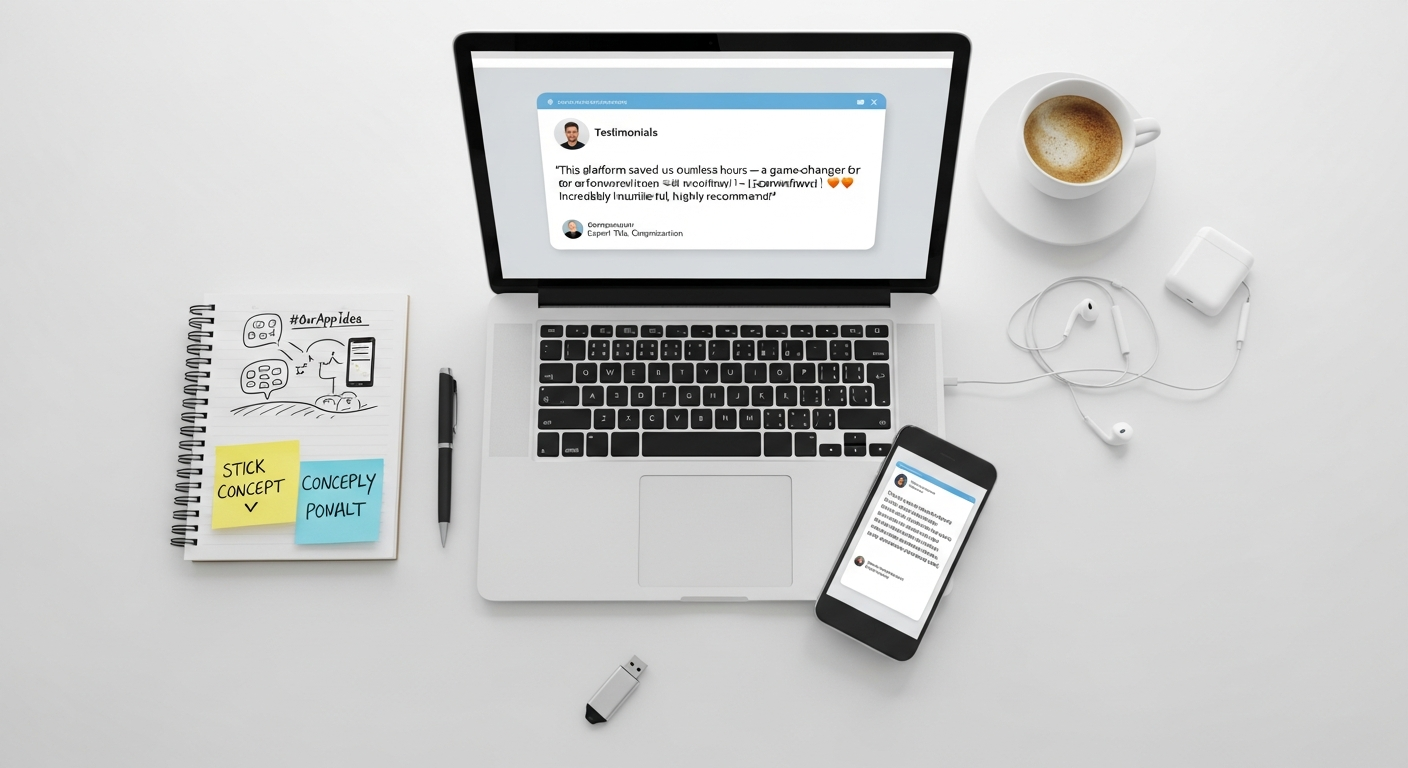
- Testimonials: Direct quotes from satisfied customers, often accompanied by their name, photo, and company.
- Reviews and Ratings: Star ratings and written reviews on your website, Google, industry-specific platforms (e.g., Capterra, G2 for software), or app stores.
- Case Studies: In-depth narratives detailing how a specific customer achieved significant results using your product or service.
- User-Generated Content (UGC): Photos, videos, or posts created by your customers featuring your product, often shared on social media.
- Wisdom of the Crowds: This form relies on the sheer number of people who have used, bought, or endorsed your product. Examples include displaying “X thousand users,” “Y sales this month,” or “Z subscribers.” It leverages the belief that if many people are doing it, it must be good.
- Wisdom of Your Friends: This is a powerful, personalized form of social proof where people see that their friends or connections are using or endorsing a product. Social media integrations often facilitate this, showing “X friends also like this.”
- Certifications & Trust Badges: Logos from reputable organizations, security certifications (e.g., SSL, ISO), awards, or media mentions act as visual cues that reinforce trust and credibility.
Core Strategies for Implementing Social Proof to Boost Conversions
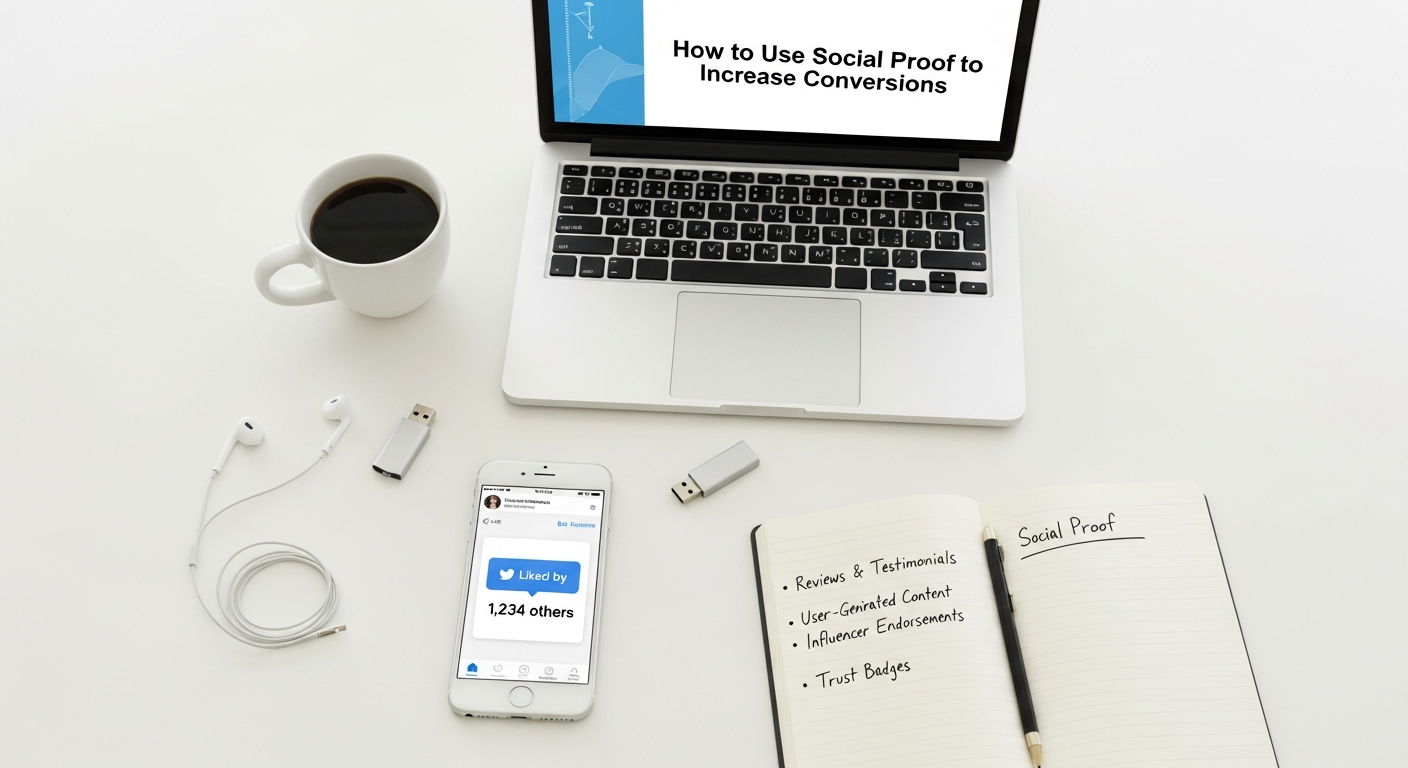
Now that we’ve explored the “what” and “why,” let’s dive into the “how.” Implementing social proof effectively requires a strategic approach that integrates it seamlessly across your marketing channels and customer journey.
1. Master the Art of Testimonials and Reviews
Testimonials and reviews are the bread and butter of user social proof. They are direct, personal, and highly persuasive.
- Solicit Actively: Don’t wait for reviews to come to you. Implement automated email sequences post-purchase or post-onboarding to request feedback. Make it easy for customers to leave reviews directly on your site or preferred platforms.
- Go Beyond Text: While text testimonials are good, video testimonials are gold. They add authenticity, emotion, and can convey a deeper level of trust. Short audio snippets can also be effective.
- Feature Prominently: Place testimonials strategically on your homepage, product pages, landing pages, and even in your email signatures. Use dedicated “Reviews” or “Testimonials” pages.
- Showcase Specifics: A general “Great product!” is less impactful than “Our team saw a 30% increase in productivity within two months of using [Your Product], making it the Best Project Management Software Startups could ask for.” Encourage customers to highlight specific benefits and results.
- Incorporate Photos/Names/Company Logos: Personalization adds authenticity. Always include the customer’s name, title, company logo, and a photo if possible, with their permission.
- Address Negative Reviews Gracefully: Publicly responding to negative feedback with empathy and a commitment to improvement can actually strengthen trust, turning a potential negative into a positive display of customer service.
2. Develop Compelling Case Studies
Case studies are the long-form version of testimonials, offering a deep dive into a customer’s success story. They are particularly effective for B2B tech startups with complex products or services.
- Identify Success Stories: Work closely with your sales and customer success teams to pinpoint customers who have achieved measurable results using your solution.
- Structure for Impact: A good case study follows a clear narrative:
- Challenge: What problem was the customer facing?
- Solution: How did your product address that challenge?
- Results: What specific, quantifiable benefits did they achieve (e.g., X% increase in efficiency, Y% reduction in costs)?
- Include Direct Quotes: Weave in powerful quotes from the client contact to add authenticity.
- Optimize for Readability: Use headings, bullet points, and visuals (charts, graphs, screenshots) to make the case study easy to digest.
- Promote Widely: Share case studies on your website, blog (consider how to adapt them to How To Write Blog Posts That Rank Google), social media, and in sales presentations.
3. Harness the Power of User-Generated Content (UGC)
UGC is content created by your customers, not by your brand. It’s incredibly authentic and persuasive because it comes directly from peers.
- Run Contests and Campaigns: Encourage users to share photos, videos, or stories of them using your product with a specific hashtag. Offer incentives like discounts or features on your brand’s channels.
- Create a Community: Foster online communities (e.g., Slack groups, forums, Facebook groups) where users can share tips, ask questions, and celebrate successes. This naturally generates UGC.
- Showcase on Your Channels: Regularly repost, share, or embed UGC on your website, social media profiles, and even in product galleries. Always give credit to the original creator.
- Integrate into Product Pages: For e-commerce or SaaS products with visual elements, allow users to upload photos or videos directly to product review sections.
4. Leverage Social Media Engagement and Influencer Marketing
Social media is a hotbed of social proof, reflecting real-time engagement and sentiment.
- Display Follower Counts: Prominently display your follower counts on your website if they are substantial.
- Share Mentions and Tags: Actively monitor social media for mentions of your brand. Retweet, share, and respond to positive comments and tags.
- Run Social Campaigns: Create campaigns that encourage sharing, tagging friends, or using branded hashtags.
- Partner with Influencers: Identify micro or macro-influencers whose audience aligns with your target market. Their authentic endorsement can expose your brand to a new, receptive audience and provide powerful expert/celebrity social proof. Ensure transparency about sponsored content.
5. Utilize Trust Badges, Certifications, and “Wisdom of the Crowds” Numbers
These are quick, visual cues that build confidence and demonstrate popularity.
- Security Badges: For any online transaction or data collection, display SSL certificates, payment processor logos (e.g., Stripe, PayPal), and security badges (e.g., McAfee, Norton).
- Awards and Media Mentions: If your company or product has won awards, been featured in reputable publications, or received industry recognition, proudly display these logos.
- Quantifiable Metrics: Don’t shy away from displaying impressive numbers:
- “Trusted by over 50,000 users worldwide”
- “10,000+ companies use our platform”
- “Rated 4.8/5 stars across 1,500 reviews”
- “Over $1M in processed transactions this month”
These numbers provide instant validation and create a sense of popularity.
Practical Application Across Your Digital Marketing Funnel
On Your Website
- Homepage: Feature prominent client logos, a rotating carousel of strong testimonials, and headline numbers (e.g., “Join 100,000 satisfied users”).
- Product/Service Pages: Integrate star ratings, customer reviews directly below product descriptions, case study snippets, and “as seen in” media logos. Show real-time purchase notifications if applicable.
- Landing Pages: For lead generation, include testimonials relevant to the offer (e.g., “This e-book helped me increase my leads by 20%!”) and logos of companies using your free tool.
- Pricing Pages: Display trust badges, customer logos, and possibly a compelling testimonial related to ROI or value.
- About Us Page: Share your company’s story, but also include testimonials about your team’s expertise or customer service.
In Your Email Marketing
- Welcome Sequences: Include a short, impactful testimonial in your welcome email to new subscribers.
- Nurture Campaigns: Weave case study links or review snippets into emails designed to educate and persuade prospects.
- Promotional Emails: When launching new features or offering discounts, highlight positive user feedback about your product’s overall value.
- Post-Purchase/Onboarding: Use emails to request reviews and testimonials, leveraging the positive sentiment immediately after a successful experience.
In Your Advertising Campaigns
- Social Media Ads: Use ad creatives that feature customer quotes, star ratings, or user-generated content. A/B test ads showing “X users trust us” versus ads without.
- Search Engine Ads: Consider incorporating review extensions or seller ratings in your Google Ads to increase click-through rates.
- Display Ads: Display trust badges or the logos of recognizable clients in your banner ads to build immediate credibility.
In Your Content Marketing Strategy
When you are crafting How To Write Blog Posts That Rank Google, remember that social proof can enhance their authority and engagement. Embed relevant testimonials or user statistics within your blog posts. Link to detailed case studies from your blog content to provide deeper evidence. For example, if you’re writing about “Choosing the Right CRM for Your Startup,” you could include a quote from a customer praising your CRM’s ease of integration, thereby strengthening your argument and providing social proof for your solution.
Measuring the Impact of Social Proof on Conversions
Implementing social proof without measuring its effectiveness is like navigating without a compass. To ensure your efforts are yielding the desired results, a robust measurement strategy is essential.
A/B Testing is Your Best Friend
The most direct way to measure the impact of social proof is through A/B testing.
- Test Different Types: Compare a landing page with video testimonials against one with text testimonials. See if displaying “X,000 users” converts better than “Trusted by industry leaders.”
- Test Placement: Does moving a review widget from the bottom of the page to near the “Add to Cart” button increase conversions?
- Test Quantity: Does displaying three testimonials perform better than five? Is there a point of diminishing returns?
- Iterate and Optimize: Continuously run tests, analyze the data, and refine your social proof strategy based on what performs best for your specific audience and goals.
Leverage Analytics and Conversion Tracking
Your web analytics platform (e.g., Google Analytics) is crucial for tracking conversion rates before and after implementing social proof elements.
- Baseline Measurement: Before implementing new social proof, establish a baseline conversion rate for the page or funnel you’re targeting.
- Track Key Metrics: Monitor conversion rates (e.g., sign-ups, purchases, demo requests), bounce rates, time on page, and click-through rates on social proof elements.
- Segment Your Audience: Analyze if social proof resonates differently with various audience segments (e.g., new visitors vs. returning visitors, different demographics).
Utilize Feedback and Surveys
Directly ask your customers what influenced their decision. Post-purchase surveys can include questions like “What ultimately persuaded you to choose us?” or “Did customer reviews play a role in your decision?” This qualitative data can provide invaluable insights into the effectiveness of your social proof efforts.
Integrating Social Proof with Your Tech Stack
The effectiveness of your social proof strategy is often amplified by the tools you integrate into your What Is A Tech Stack How To Choose. Choosing the right platforms for collecting, managing, and displaying social proof is critical.
- Review Management Platforms: Tools like G2, Capterra, Trustpilot, or industry-specific review sites allow you to collect, manage, and display reviews directly on your site. They often have widgets and APIs for seamless integration.
- Testimonial Collection Tools: Platforms specifically designed for collecting video testimonials (e.g., VideoAsk) or streamlining text testimonial requests can save significant time.
- UGC Platforms: Tools that help you aggregate and curate user-generated content from social media (e.g., Taggbox, Yotpo) can simplify showcasing authentic customer content.
- A/B Testing Tools: Optimizely, VWO, or Google Optimize are essential for rigorously testing the impact of different social proof implementations.
- CRM and Marketing Automation: Ensure your social proof efforts are integrated with your CRM to track customer journeys and identify opportunities for testimonial requests or case study development. Your marketing automation platform can help automate review requests post-conversion.
When considering your tech stack, prioritize tools that offer robust analytics, easy integration with your existing systems, and scalability. A well-chosen tech stack ensures that your social proof strategy is not only effective but also efficient to manage.
Overcoming Challenges and Best Practices for Authenticity
While incredibly powerful, social proof must be handled with care. Inauthentic or poorly implemented social proof can backfire, eroding trust rather than building it.
The Peril of Fake Social Proof
In an attempt to quickly build credibility, some businesses resort to creating fake reviews, testimonials, or inflated numbers. This is a dangerous game. Modern consumers are increasingly savvy, and if discovered, fake social proof can lead to severe reputational damage, loss of trust, and even legal repercussions. Always prioritize authenticity.
Ensuring Authenticity and Credibility
- Be Transparent: Clearly indicate if a testimonial is from a paid influencer (though genuine endorsements from organic users are always preferred).
- Attribute Properly: Always include names, titles, companies, and photos where possible for testimonials. For reviews, use platforms that verify reviewers.
- Show a Range: Not every piece of feedback will be 5-star perfection. A few 4-star reviews or constructive criticisms, handled well, can actually make your overall social proof more believable.
- Keep it Fresh: Stale testimonials from 2018 won’t cut it in 2026. Regularly update your social proof with recent feedback and case studies.
- Don’t Be Afraid of Specificity: Generic praise is less believable. Encourage customers to be specific about their results and experiences.
Best Practices for Maximizing Impact
- Contextual Relevance: Ensure the social proof you display is relevant to the specific product, service, or page the user is viewing. A testimonial about your customer support isn’t as persuasive on a product features page as one about the product’s performance.
- Diversity in Proof: Don’t rely on just one type. A mix of expert endorsements, user reviews, and impressive numbers will create a more robust and convincing picture.
- Visual Appeal: Present social proof in an aesthetically pleasing and easy-to-read format. Use clear fonts, good imagery, and intuitive layouts.
- Segment Your Social Proof: If you serve multiple customer segments, tailor the social proof you display to each segment. A small business testimonial might not resonate with an enterprise client, and vice-versa.
- Monitor and Respond: Continuously monitor reviews and mentions. Thank customers for positive feedback and address negative comments constructively. This shows you value your customers and are committed to improvement.
For Best Project Management Software Startups, which are often selling complex solutions to discerning business clients, the emphasis on expert social proof and detailed case studies becomes even more critical. Demonstrating how other businesses have successfully navigated challenges using your software, backed by data and direct quotes, can be the deciding factor for a high-value conversion.
In conclusion, social proof is not merely a marketing tactic; it’s a fundamental aspect of human psychology that, when leveraged ethically and strategically, can dramatically increase conversions for any business, especially for tech startups navigating the competitive digital landscape of 2026. By understanding its various forms, meticulously implementing it across your digital touchpoints, and continually measuring its impact, you can build unwavering trust, establish credibility, and ultimately drive unparalleled growth.
Frequently Asked Questions
Recommended Resources
You might also enjoy How To Protect Yourself From Cybersecurity Threats from Bookmark Sharer.
Learn more about this topic in How To Design A Poster From Scratch at Layout Scene.