The Vision & The Void: Defining Your Founding Team Needs
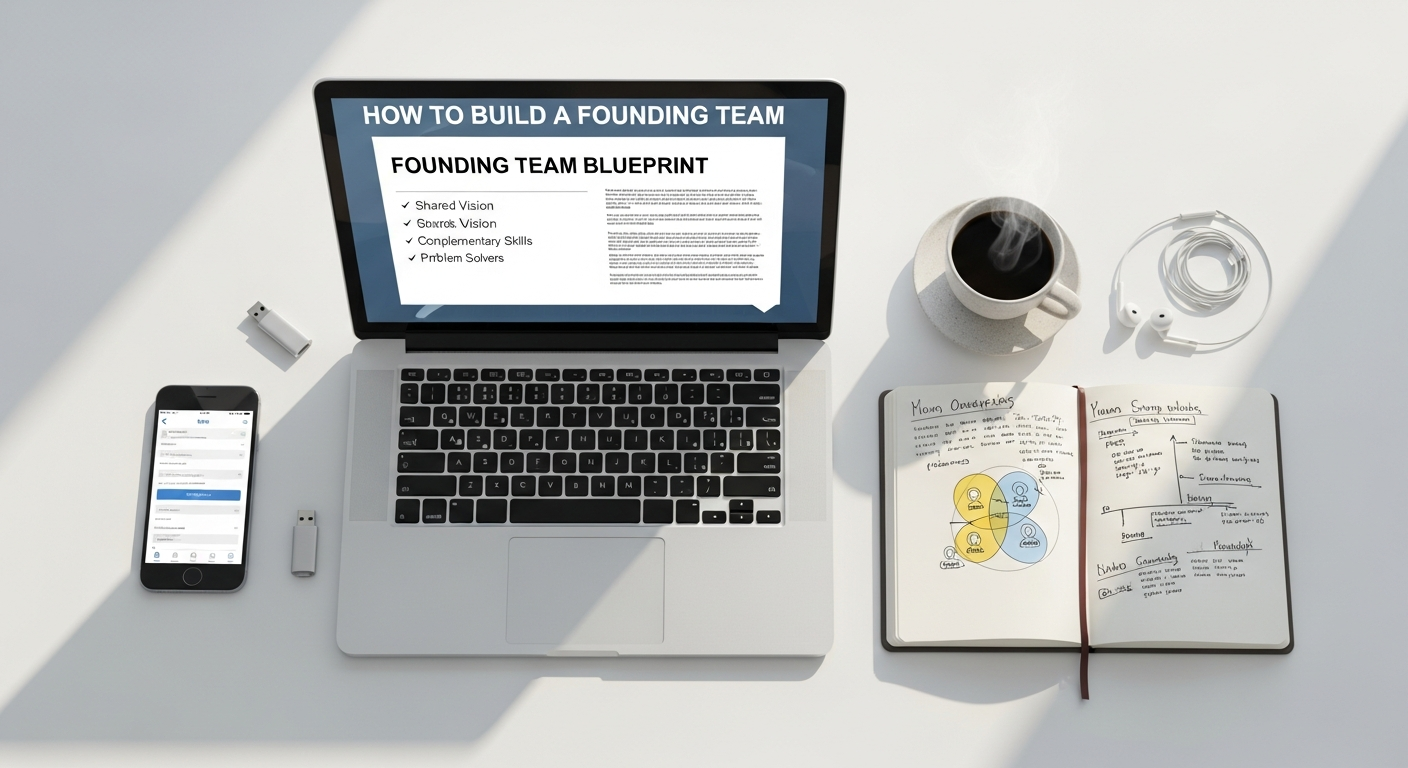
Before you even begin the search for co-founders, you must first look inward and then outward at your startup’s core requirements. This foundational step involves a candid assessment of your vision, your existing capabilities, and the critical gaps that need filling. Without this clarity, your search will lack direction, potentially leading to misaligned partnerships or, worse, a team that can’t execute your vision.
Begin by articulating your startup’s core mission and the problem it aims to solve. What is your unique value proposition? What does the minimum viable product (MVP) look like, and what essential functions must it perform? This initial definition will immediately highlight the primary skill sets required. For instance, if you’re building a SaaS platform, a strong technical co-founder (the “Hacker”) is non-negotiable. If your product requires intricate user experience, a design-focused individual (the “Hipster”) might be paramount. And regardless of the industry, someone with business acumen, sales prowess, and marketing savvy (the “Hustler”) is almost always essential for bringing the product to market and securing funding.
Next, conduct a rigorous self-assessment. What are your own strengths? Are you a visionary leader, a meticulous project manager, a marketing guru, or a coding prodigy? Be honest about your weaknesses. Are you less adept at fundraising, lack deep technical knowledge, or struggle with sales? The goal isn’t to find someone exactly like you, but rather to identify complementary skills that create a well-rounded and resilient team. If you’re building a complex AI-driven platform, for example, and your background is primarily in marketing, you clearly have a significant technical void. Understanding What Is A Tech Stack How To Choose becomes a critical exercise here, as it will directly inform the technical expertise you need in a co-founder. Do you need someone proficient in Python, JavaScript, cloud infrastructure, or database management? The answers to these questions will narrow down your search criteria considerably.
Think about the immediate operational needs. Who will build the product? Who will manage the finances? Who will talk to customers and investors? Who will craft the initial marketing messages and strategize on How To Write Blog Posts That Rank Google to attract early users? A common pitfall for many first-time founders is assuming they can shoulder all these burdens themselves. While admirable, it’s often unsustainable and leads to burnout. By clearly outlining the functional roles needed for the next 12-18 months, you create a blueprint for your ideal founding team.
- Identify Core Competencies: What absolute must-have skills are required to build your MVP and achieve initial traction?
- Assess Your Own Strengths & Weaknesses: Be brutally honest about what you bring to the table and where your gaps lie.
- Map the “Three Hats”: Determine who will primarily handle Product/Tech (Hacker), Business/Sales/Marketing (Hustler), and Design/User Experience (Hipster).
- Consider Your Initial Tech Stack: This directly dictates the technical expertise needed.
- Project Future Needs: While focusing on the present, consider what skills will be crucial as you scale, even if they aren’t immediate co-founder roles.
Beyond Skills: The Crucial Qualities of a Co-Founder

While technical and business skills are undeniably important, they are merely the entry ticket to the co-founder relationship. The true longevity and success of a founding team hinge on a deeper set of personal qualities and shared values. Think of it this way: skills can be learned or outsourced, but fundamental character traits and alignment are almost impossible to change.
First and foremost is shared vision and values. Your co-founders must not only believe in the problem you’re solving but also align with your core philosophy on how to build a company. Do you prioritize rapid growth over profitability, or vice-versa? What kind of company culture do you envision for 2026 and beyond? Disagreements on these fundamental aspects can cripple a startup faster than any market challenge. This doesn’t mean you need identical personalities or opinions on every minute detail, but rather a harmonious agreement on the North Star of your venture.
Complementary skills, not identical ones, are vital. While you might both be brilliant coders, having two CTOs might create redundancy and leave critical business or marketing functions unattended. Seek individuals whose expertise fills your gaps and creates a more robust, multifaceted team. This allows for clear division of labor and specialized focus.
Resilience and grit are non-negotiable. The startup journey is a relentless rollercoaster, filled with rejection, setbacks, and moments of doubt. A co-founder must possess the mental fortitude to weather these storms, learn from failures, and push forward. Look for evidence of perseverance in their past experiences.
Adaptability and learning agility are equally crucial. The startup landscape changes rapidly. Your initial idea might pivot, your market strategy might shift, and new technologies will emerge. A co-founder must be open to new ideas, willing to learn new skills, and capable of adjusting their approach without rigid resistance. This flexibility applies to everything from product features to how they might choose new Best Project Management Software Startups as the team grows.
Excellent communication and conflict resolution skills are the glue that holds a founding team together. You will disagree. You will face stressful situations. The ability to communicate openly, honestly, and respectfully – even when emotions run high – is paramount. A good co-founder listens actively, articulates their perspective clearly, and is willing to compromise for the greater good of the company. Look for individuals who can engage in healthy debate without making it personal.
Finally, trust and integrity form the bedrock of any successful partnership. You need to implicitly trust your co-founder’s intentions, work ethic, and ethical compass. This trust is built over time, but initial signals of honesty, reliability, and a strong moral character are essential during the vetting process. A co-founder who cuts corners or lacks transparency will inevitably erode the partnership.
- Shared Vision & Core Values: Alignment on the company’s purpose and future direction.
- Complementary Skill Sets: Avoid redundancy; seek expertise that fills gaps.
- Resilience & Grit: Ability to bounce back from setbacks and persevere through challenges.
- Adaptability & Learning Agility: Openness to change, new ideas, and continuous learning.
- Strong Communication Skills: Ability to express ideas clearly and listen actively.
- Effective Conflict Resolution: Capacity to address disagreements constructively.
- Unwavering Trust & Integrity: Honesty, reliability, and a strong ethical compass.
- Comparable Work Ethic: Similar level of commitment and dedication to the venture.
Where to Hunt: Sourcing and Vetting Potential Co-Founders
Your personal network is often the first and best place to start. Think about former colleagues, university classmates, mentors, or even friends who possess the skills and qualities you’re looking for. These individuals come with a degree of pre-existing trust and a known track record. Leverage LinkedIn to see who your connections know, and don’t be afraid to ask for introductions. A warm introduction is always more effective than a cold outreach.
Online platforms and communities have emerged as powerful tools for co-founder matching. Websites like CoFoundersLab, Founder Dating, and even specialized LinkedIn groups or Reddit communities (e.g., r/startups, r/cofounder) can connect you with like-minded individuals actively seeking opportunities. Be specific in your postings about your vision, your needs, and what you bring to the table. Platforms dedicated to specific niches, for instance, for developers or designers, can also be fruitful.
Incubators and accelerators are fantastic environments for meeting potential co-founders. These programs often attract highly motivated and talented individuals with an entrepreneurial spirit. Even if you’re not accepted into a program, attending their open events, demo days, or networking sessions can be invaluable. Similarly, industry events, hackathons, and meetups provide opportunities to connect with people passionate about specific technologies or market segments.
The vetting process is where you move from initial interest to deep evaluation. This should be a multi-stage process:
- Informal Chats: Start with casual coffee meetings to discuss ideas, gauge personality fit, and assess initial alignment.
- Deeper Interviews: Move to more structured discussions about their experience, aspirations, work style, and how they handle challenges. Ask behavioral questions.
- “Trial Period” on a Small Project: This is perhaps the most critical step. Before committing, work together on a low-stakes, time-boxed project. This could be market research, building a landing page, creating a pitch deck, or even contributing to a specific module of your MVP. This real-world collaboration reveals invaluable insights into their work ethic, problem-solving abilities, communication style, and how well you actually collaborate. This is also an excellent opportunity to see how they would interact with Best Project Management Software Startups to manage tasks and communicate effectively.
- Reference Checks: Speak to their former colleagues, managers, or even direct reports. Ask specific questions about their strengths, weaknesses, work habits, and how they handle conflict.
- Hypothetical Scenarios: Discuss challenging startup scenarios (e.g., running out of cash, major product failure, investor rejection) and observe their proposed solutions and emotional responses.
- Openly Discuss Expectations: Talk about commitment levels, financial runway, personal motivations, and even family situations. Transparency now prevents major issues later.
Remember, you’re not just hiring someone; you’re entering a long-term partnership. Take your time, trust your gut, and don’t compromise on core values or essential skills.
Formalizing the Foundation: Equity, Roles, and Legalities
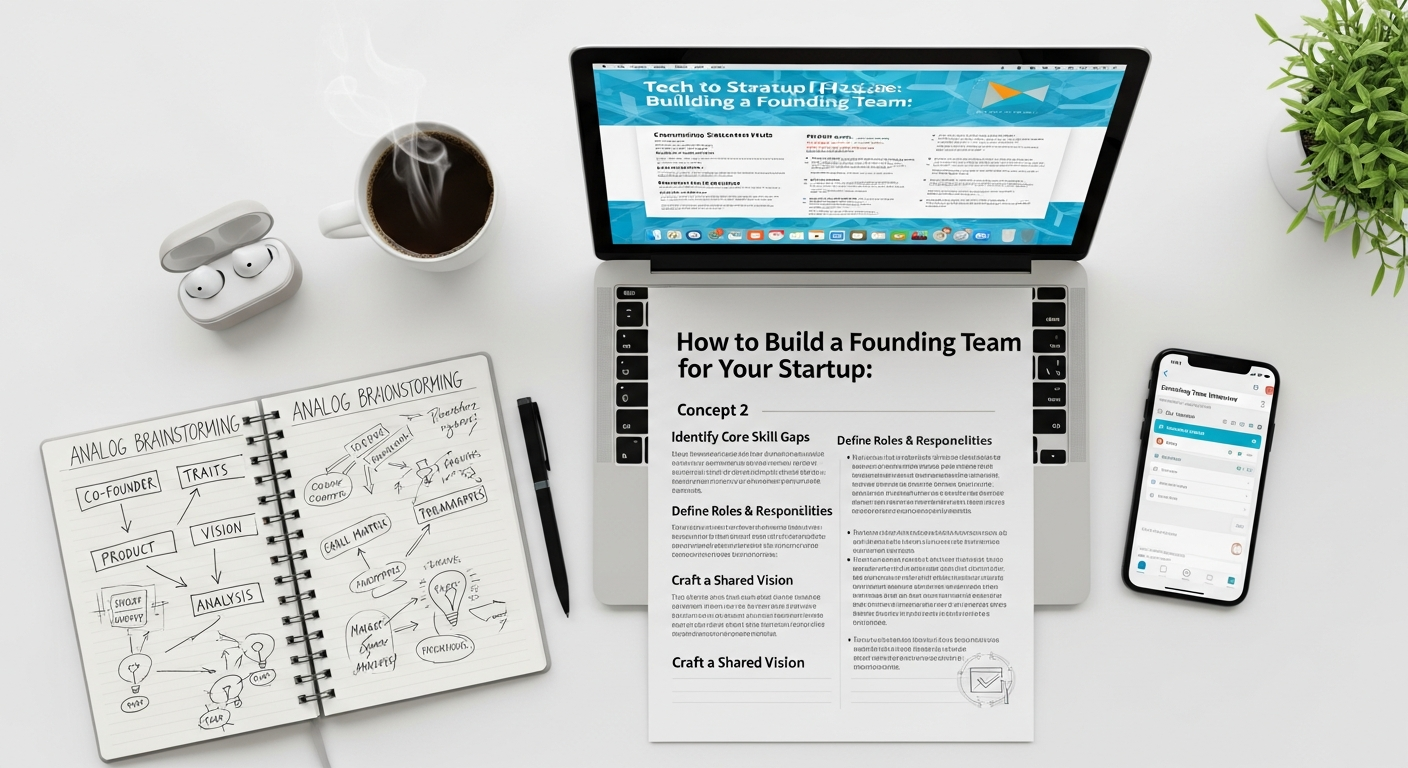
Once you’ve identified potential co-founders and successfully navigated the vetting process, the next crucial step is to formalize the relationship. This involves clearly defining roles, establishing an equitable equity split, and putting robust legal agreements in place. Skipping or rushing this stage is a common source of startup failure and bitter disputes.
The equity split is arguably the most contentious issue for founding teams. While a 50/50 split might seem fair on the surface, it often leads to deadlocks and can be disastrous in the long run, especially if one founder eventually contributes more or less than the other. Factors to consider for an equitable split include:
- Idea Contribution: Who conceived the initial idea?
- Time & Effort: Who has dedicated how much time to date, and what is their projected future commitment?
- Capital Contribution: Has anyone invested personal funds?
- Expertise & Network: What unique skills, experience, or valuable connections do they bring?
- Opportunity Cost: What are they giving up to join the venture?
Crucially, implement a vesting schedule for all founders (typically 4 years with a 1-year cliff). This means equity is earned over time, protecting the company if a co-founder leaves early. If someone departs before the cliff, they get nothing; after the cliff, they retain their vested portion. This incentivizes long-term commitment and prevents a departing founder from walking away with a large chunk of unearned equity.
Defining roles and responsibilities is equally vital. While titles might evolve, clearly delineate who is responsible for what. Who is the CEO, driving the overall vision and fundraising? Who is the CTO, overseeing the tech stack and product development? Who is the COO, managing operations? Or the CMO, responsible for marketing and growth, including strategies around How To Write Blog Posts That Rank Google? While founders will wear many hats, having primary ownership for key areas reduces confusion and ensures accountability. This initial delineation will also inform the first hires and how you integrate Best Project Management Software Startups for team collaboration.
Legal agreements are non-negotiable. Engage legal counsel specializing in startups to draft comprehensive documents:
- Co-Founder Agreement: This is paramount. It outlines equity splits, vesting schedules, intellectual property assignment, decision-making processes, roles, responsibilities, confidentiality, non-compete clauses, and buy-sell provisions in case a founder leaves or wants to sell their shares.
- Intellectual Property (IP) Assignment Agreement: Ensures all ideas, code, designs, and other IP created by founders (and future employees) for the company are owned by the company.
- Confidentiality Agreement (NDA): Protects proprietary information.
- Formation Documents: Depending on your chosen legal structure (e.g., LLC Operating Agreement, C-Corp Bylaws), these formalize the company’s existence and internal governance.
Finally, establish a clear decision-making process. How will major strategic decisions be made? Will it be unanimous, by majority vote, or will specific founders have final authority over certain domains? Documenting this process prevents paralysis and ensures the company can move forward efficiently, even when disagreements arise. This framework is not about stifling debate, but about providing a clear path to resolution.
Nurturing the Core: Building a Resilient Founding Team Culture
Building a strong founding team isn’t a one-time event; it’s an ongoing process of cultivation and care. The initial legal agreements and role definitions lay the groundwork, but the sustained health and effectiveness of your core team depend heavily on the culture you establish and actively maintain. This culture will eventually permeate the entire organization, so getting it right from the start is paramount for your startup’s long-term success, especially as you look towards growth in 2026 and beyond.
Open and honest communication is the lifeblood of any successful founding team. This means more than just regular meetings; it involves creating an environment where everyone feels safe to share ideas, voice concerns, and provide constructive feedback without fear of retribution. Establish a cadence for check-ins – daily stand-ups, weekly strategic reviews, and monthly deeper dives. Actively listen to each other, seek to understand different perspectives, and practice radical candor, where you care personally but challenge directly.
Inevitably, conflict will arise. How you handle these disagreements defines the resilience of your team. Instead of avoiding conflict, embrace it as an opportunity for growth and better decision-making. Develop a predefined conflict resolution strategy. This could involve setting ground rules for debates, bringing in an impartial third party for mediation if necessary, or agreeing that once a decision is made, everyone commits to it fully, regardless of their initial stance. The goal is to resolve issues constructively, not to harbor resentment.
Maintain shared goals and milestones. Regularly revisit your vision and ensure everyone is aligned on the immediate and long-term objectives. Celebrating small wins along the way is crucial for morale, especially during the lean, challenging early days. These small victories reinforce the team’s progress and fuel motivation.
Foster an environment of mutual support and empathy. Starting a company is incredibly stressful, and founders often bear immense personal burdens. Be each other’s support system. Understand that everyone has bad days, and offer encouragement rather than criticism. Recognize and appreciate each other’s contributions. This goes beyond just verbal affirmations; it’s about actively assisting when a co-founder is overwhelmed or providing resources they need.
As you grow, efficient task management and communication become even more critical. Leverage Best Project Management Software Startups to ensure transparency, track progress, and facilitate seamless collaboration. Whether it’s Asana, Trello, Jira, or another tool, consistent use helps maintain clarity and accountability across the team. This also extends to how you manage content creation and SEO, ensuring you’re effectively implementing strategies for How To Write Blog Posts That Rank Google, which often requires cross-functional input from tech, marketing, and even product teams.
Finally, encourage continuous learning and personal growth. The startup world demands constant evolution. Support each other in acquiring new skills, attending industry conferences, or reading relevant literature. A founding team that is always learning is a team that is better equipped to adapt and innovate.
Evolution and Growth: Adapting Your Founding Team for Scale
The founding team that gets your startup off the ground might not be the exact team that scales it to a multi-million-dollar enterprise. As your company grows, its needs change, and so too must the roles and dynamics within the founding team. This evolution requires foresight, flexibility, and sometimes, difficult decisions.
Recognize the distinction between the initial team and the scaling team. In the early days, founders are generalists, wearing multiple hats and directly involved in every aspect of the business. As you grow, specialization becomes necessary. The founder who was an excellent early-stage coder might need to transition to managing a team of engineers, or the marketing founder might need to build out a full marketing department. This means understanding when to delegate, when to hire, and when to step into a more strategic, less hands-on role.
Hiring your first employees is a critical milestone that directly impacts the founding team’s dynamics. These early hires will be heavily influenced by the founders and will help shape the nascent company culture. The founding team must be aligned on who to hire, what qualities to prioritize, and how to integrate new team members effectively. This is where the initial cultural norms you established will be tested and reinforced.
The definition of company culture, initially an organic reflection of the founders’ personalities, must become more codified as you grow. Founders need to actively articulate and reinforce the values, mission, and operating principles that will guide the entire organization. This ensures consistency and helps maintain the desired environment as you add more people.
It’s not uncommon for founder roles to change significantly, or even for a founder to transition out of the day-to-day operations. A founder might realize their passion lies in early-stage product development, not in managing a large department, or that their skills are better suited to a different stage of the company. These conversations are incredibly challenging but are sometimes necessary for the long-term health of the company. Having clear buy-sell provisions in your co-founder agreement becomes vital here, ensuring a fair and structured exit if needed.
As the company expands, so too will the complexity of its technology and operations. Regularly reviewing and potentially upgrading your tech stack will be an ongoing responsibility for the technical founder(s), ensuring scalability, security, and efficiency. Similarly, the marketing founder will need to evolve strategies for How To Write Blog Posts That Rank Google to maintain competitive advantage in a larger market.
Maintaining founder alignment becomes increasingly difficult as external pressures mount (investors, market shifts, competition). Regular strategic off-sites, transparent communication, and a continued commitment to the shared vision are crucial to navigate these complexities. The founding team must remain a cohesive unit, presenting a united front to the rest of the company and external stakeholders. By proactively addressing these evolutionary challenges, your founding team can not only survive but thrive as your startup scales into a formidable force in its industry by 2026 and beyond.
Frequently Asked Questions
Recommended Resources
Learn more about this topic in Color Palette Creation Guide at Layout Scene.
Explore How To Use Ai For Writing Content for additional insights.