Embrace the Power of Bootstrapping: Self-Funding Your Vision
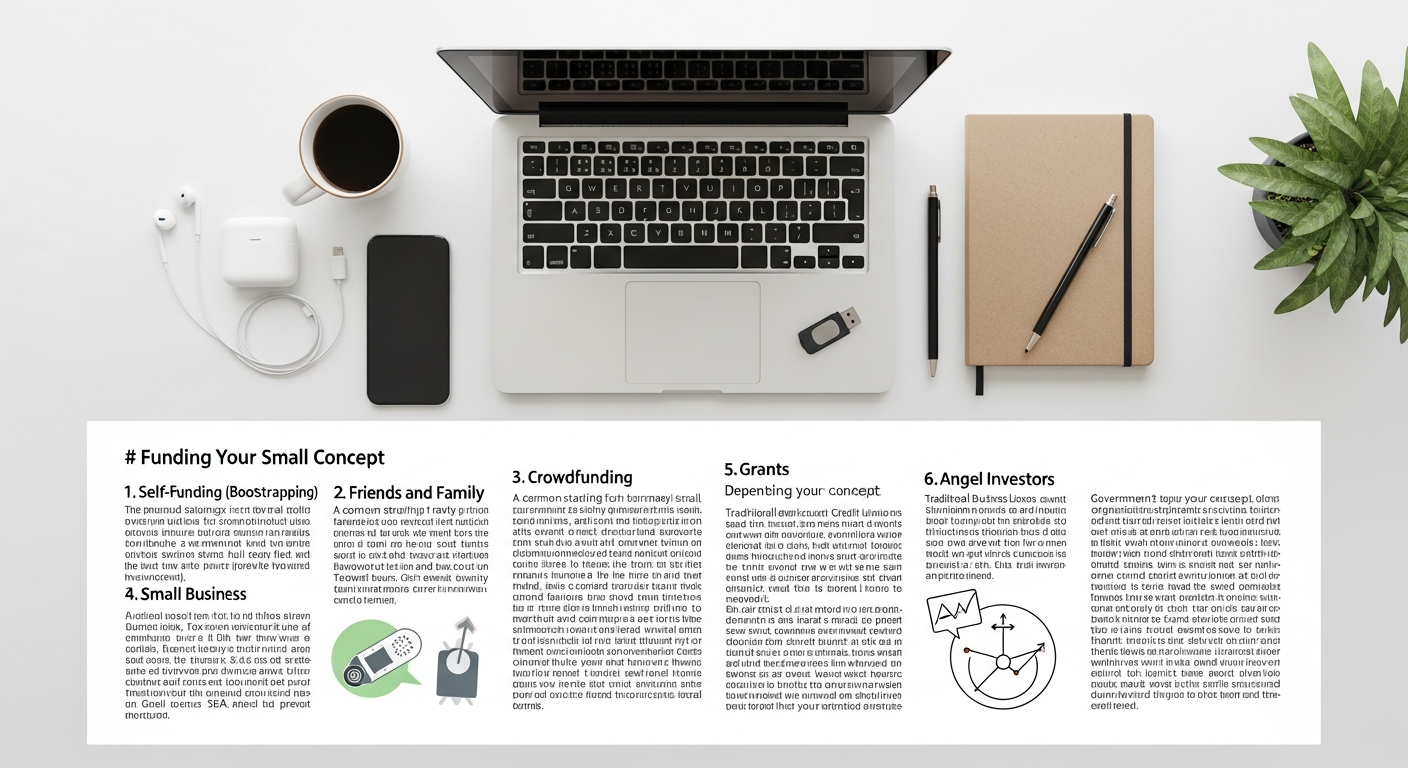
Bootstrapping stands as the purest form of self-reliance for any small business or startup. It’s the art of building and growing your company using only personal savings, initial revenues, and minimal outside capital, thereby avoiding debt entirely. This method is particularly popular among tech startups and digital marketing agencies, where initial overhead can sometimes be kept relatively low compared to brick-and-mortar operations. The core philosophy of bootstrapping revolves around extreme frugality, strategic resource allocation, and a relentless focus on generating revenue from day one.
One of the primary advantages of bootstrapping is complete ownership and control. Without external investors or lenders, founders retain 100% equity and decision-making power, allowing them to steer the company according to their original vision without external pressures. This autonomy fosters a culture of innovation and resilience, forcing teams to be incredibly resourceful and efficient. It also instills a deep understanding of every dollar spent, promoting sustainable growth rather than rapid, potentially unsustainable expansion fueled by external capital.
To successfully bootstrap, several strategies are paramount. Firstly, prioritize lean operations. This means minimizing expenses wherever possible, opting for free or low-cost tools and services, and avoiding unnecessary luxuries. For instance, instead of investing heavily in custom software from the outset, leverage existing SaaS solutions. When considering your operational infrastructure, thinking about What Is A Tech Stack How To Choose becomes crucial. A bootstrapped business needs a tech stack that is efficient, scalable, and cost-effective, favoring open-source options or freemium models initially. Secondly, focus on rapid product iteration and customer feedback to ensure you’re building something people genuinely want and are willing to pay for. This quick validation loop is essential for generating early revenue. Thirdly, develop multiple revenue streams if possible, or at least ensure your primary offering is priced appropriately to cover costs and generate profit from the outset.
Many successful companies, including household names, started by bootstrapping. It forces founders to develop a strong business model, validate market demand with minimal investment, and build a solid foundation before seeking external funding (if they ever do). For small businesses aiming to secure funding without a loan, bootstrapping is not just a method; it’s a mindset that prioritizes sustainable growth and self-sufficiency. It encourages you to be scrappy, smart, and strategic, making every penny count towards building a robust and profitable enterprise.
Unlock Non-Dilutive Capital: The World of Grants

For small businesses and startups, especially those operating in innovative sectors or addressing specific societal needs, grants represent an incredibly attractive avenue for funding without incurring debt or giving up equity. Unlike loans, grants do not need to be repaid, making them a highly sought-after form of non-dilutive capital. The challenge, however, lies in identifying the right grants and crafting compelling applications that stand out in a competitive landscape.
Grants can come from various sources:
- Government Grants: Federal, state, and local governments offer grants to promote economic development, support specific industries (like technology, clean energy, or healthcare), or address community needs. In the US, programs like the Small Business Innovation Research (SBIR) and Small Business Technology Transfer (STTR) grants are particularly relevant for tech and R&D-intensive small businesses. These grants can provide significant funding for research and development activities, helping innovative startups bring their groundbreaking ideas to market without financial strain.
- Private Foundation Grants: Numerous private foundations have missions to support specific causes, communities, or types of organizations. These often align with social enterprises, non-profits, or businesses that demonstrate a strong positive impact. Researching foundations whose philanthropic goals align with your business’s mission is key.
- Corporate Grants: Larger corporations often have philanthropic arms or CSR (Corporate Social Responsibility) initiatives that offer grants to small businesses or community projects. These grants might focus on areas like local economic development, environmental sustainability, or technological advancement.
- Industry-Specific Grants: Trade associations and industry bodies sometimes offer grants to members or businesses within their sector to foster innovation or growth. Keep an eye on your industry associations for such opportunities.
The application process for grants is typically rigorous and requires meticulous planning. You’ll need to clearly articulate your business’s mission, demonstrate its potential impact, outline a detailed project plan, and provide a comprehensive budget. Strong communication skills are essential here, not just in business pitches but also in writing. This is where skills related to How To Write Blog Posts That Rank Google can indirectly come into play; understanding how to structure compelling narratives and present information clearly for a specific audience is transferable to grant writing. Highlight how your business aligns with the grant provider’s objectives and how their funding will enable you to achieve specific, measurable outcomes.
For 2026, the landscape of grants continues to expand, with increasing focus on sustainability, AI, biotech, and digital transformation. Staying updated on new grant programs through government portals, grant databases, and industry newsletters is crucial. While time-consuming, securing a grant can provide a substantial, non-repayable capital injection, making it one of the best ways to fund your small business without a loan and accelerate your growth trajectory.
Harnessing the Crowd: Strategic Crowdfunding Campaigns
There are several distinct types of crowdfunding, each with its own benefits and considerations:
- Reward-Based Crowdfunding: This is perhaps the most well-known type, exemplified by platforms like Kickstarter and Indiegogo. Backers contribute funds in exchange for a non-financial reward, typically the product or service itself, often at a discounted rate or with exclusive access. For small businesses, this is an excellent way to pre-sell products, gauge market interest, and generate initial revenue before manufacturing or full-scale launch. It’s not a loan; it’s effectively a pre-order system that funds production.
- Equity Crowdfunding: Platforms like SeedInvest or Republic allow individuals to invest in a private company in exchange for equity (shares) in that company. While it involves giving up a piece of your company, it’s not a loan and therefore doesn’t require repayment. It opens up investment opportunities to a broader pool of investors beyond traditional venture capitalists and angel investors, though regulatory hurdles can be more complex.
- Donation-Based Crowdfunding: Primarily used by charities and non-profits, this involves individuals donating money without the expectation of a return. While less common for for-profit small businesses, it can be relevant for social enterprises with a strong charitable component.
- Debt Crowdfunding (Peer-to-Peer Lending): While this category exists, it involves loans from individuals rather than institutions, which falls outside the scope of “without a loan” for this article.
A successful crowdfunding campaign requires meticulous planning and execution. Key elements include a captivating story that resonates with potential backers, high-quality visuals and video, clear reward tiers, a robust marketing strategy, and transparent communication. Building an audience pre-launch is crucial; leveraging social media, email marketing, and even skills learned from How To Write Blog Posts That Rank Google can help drive traffic and interest to your campaign page. Engaging with your community, responding to comments, and providing regular updates are vital for maintaining momentum.
Beyond the capital, crowdfunding offers invaluable benefits: market validation (if people pledge, they want your product), early adopters and brand evangelists, and significant publicity. For a small business seeking to fund its operations or launch a new product in 2026, a well-executed crowdfunding campaign can be an incredibly effective and debt-free pathway to securing the necessary resources. It’s a testament to the power of community and collective investment in innovative ideas.
Customer-Centric Funding: Pre-Sales and Deposits
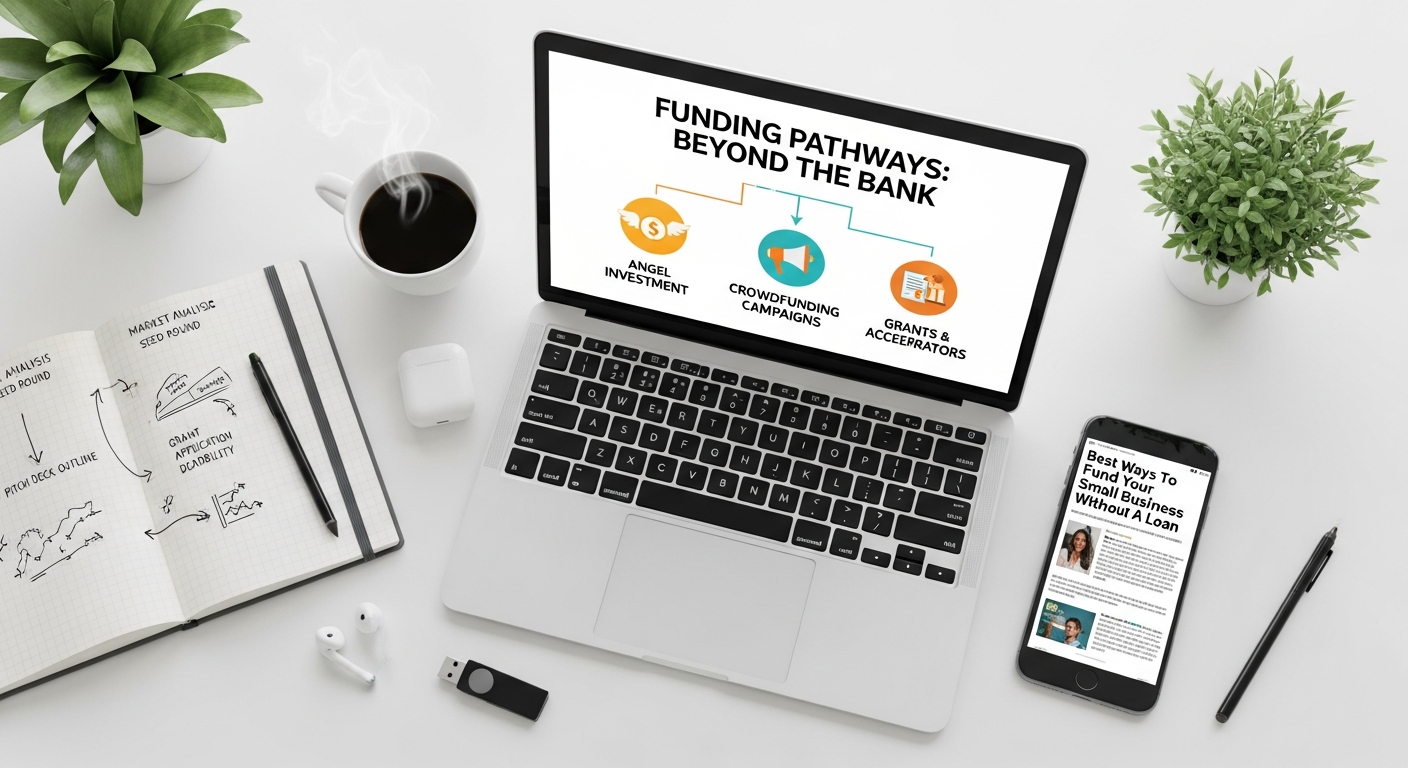
One of the most direct and least complicated ways for a small business to secure funding without a loan is by leveraging its future customers. This strategy, often overlooked, involves generating revenue before a product or service is fully delivered, effectively using customer payments as a form of working capital. This method is particularly powerful because it not only provides cash flow but also offers irrefutable market validation: if customers are willing to pay upfront, your offering clearly has demand.
Pre-sales involve selling a product or service before it’s officially released or even fully developed. This is common in the software industry, where companies might offer early bird access to beta versions of their software or sell licenses for a future release at a discounted price. For physical products, pre-orders allow businesses to gauge demand and secure funds to cover production costs, minimizing inventory risk. This approach is similar to reward-based crowdfunding but can be executed directly through your own website or sales channels, giving you full control and avoiding platform fees.
Deposits, on the other hand, are partial payments made by customers in advance for a service or custom product. This is prevalent in industries like consulting, custom manufacturing, event planning, or design services, where a significant portion of the project cost is required upfront to cover initial expenses, materials, or to secure a booking. The remaining balance is then paid upon completion.
The advantages of customer-centric funding are manifold:
- Zero Debt, Zero Equity Dilution: You don’t owe money back, nor do you give up ownership of your company.
- Market Validation: A paying customer is the best validation your business can get. It proves there’s a real need and willingness to pay for what you offer.
- Improved Cash Flow: Upfront payments provide immediate capital to cover development, production, or operational costs, reducing the need for external financing.
- Risk Reduction: By securing payments before significant expenditure, businesses reduce the financial risk associated with launching new products or services.
To implement this successfully, transparent communication with customers is paramount. Clearly outline what they are paying for, the expected delivery timeline, and any terms and conditions. Building trust through excellent customer service and consistent updates is vital. For tech startups, offering beta access or exclusive features can incentivize early commitment. When strategizing about your online presence to facilitate these pre-sales, consider how effective content marketing can drive interest. Understanding principles from How To Write Blog Posts That Rank Google can help you create compelling content that generates excitement and conversions for your pre-order campaigns. By making your customers partners in your journey, you can effectively fund your small business without a loan, building a sustainable model rooted in demand and trust.
Strategic Partnerships and Bartering: Leveraging Relationships
In the quest to find the best ways to fund your small business without a loan, innovative approaches to resource acquisition often come to the forefront. Strategic partnerships and bartering are two such powerful, non-monetary methods that can significantly reduce costs, expand capabilities, and effectively provide the equivalent of capital without cash changing hands or debt being incurred. These strategies are particularly potent for startups and small businesses looking to maximize their limited resources in 2026.
Strategic Partnerships:
A strategic partnership involves two or more businesses collaborating to achieve mutual goals, often by pooling resources, expertise, or customer bases. For a small business, this can mean gaining access to technology, distribution channels, marketing reach, or specialized skills that would otherwise be too expensive to acquire directly. For example, a software startup might partner with a larger company that has a complementary product and a vast customer base, offering their software as an add-on in exchange for exposure and a share of the revenue.
- Co-Marketing Agreements: Partner with another business to cross-promote each other’s products or services to your respective audiences. This can drastically reduce marketing spend.
- Joint Ventures: Create a new entity or project with a partner, sharing the costs and risks, as well as the potential rewards.
- Technology Sharing: A tech startup might license its proprietary technology to a larger firm, receiving royalties or upfront fees, or gain access to a partner’s infrastructure.
- Distribution Partnerships: Leverage an established partner’s distribution network to reach a wider market without the heavy investment in building your own.
When forming strategic partnerships, clarity in terms, mutual benefit, and alignment of values are crucial. A successful partnership can be a powerful catalyst for growth, providing resources that are just as valuable as financial capital.
Bartering (Trade Exchange):
Bartering is the age-old practice of exchanging goods or services without the use of money. For small businesses, it can be an incredibly effective way to acquire necessary resources or expertise while preserving cash flow. Instead of paying for a service you need, you offer a service or product you provide in return.
- Service for Service: A web design agency might build a website for a legal firm in exchange for legal advice.
- Product for Service: A gourmet food producer might provide catering for a marketing agency’s event in exchange for social media management services.
- Office Space Exchange: Two small businesses might share office space, with one offering IT support in exchange for administrative services from the other.
Bartering not only saves money but also helps build valuable business relationships. It requires a clear understanding of the value of your own offerings and those of your potential trade partner. While it doesn’t bring in cash directly, it frees up cash that would otherwise be spent, thereby indirectly funding your operations. Leveraging your internal expertise, such as proficiency in using the Best Project Management Software Startups rely on, could be an asset you trade. For example, you might offer to set up and train a partner on a project management system in exchange for a service you need. Both strategic partnerships and bartering require careful negotiation and clear agreements, but they offer creative, debt-free solutions to resource constraints for any forward-thinking small business.
Attracting Angel Investors and Venture Capital (Equity, Not Debt)
While the focus of this article is on funding without a loan, it’s essential to distinguish between debt financing and equity financing. For ambitious small businesses, particularly tech startups with high growth potential, attracting angel investors or venture capital (VC) firms is a prominent way to secure substantial capital without incurring debt. Instead of taking a loan, you sell a percentage of your company’s ownership (equity) to investors in exchange for their financial investment and often, their strategic guidance and network.
Angel Investors:
Angel investors are typically affluent individuals who provide capital for a startup, often in exchange for convertible debt or ownership equity. They usually invest their own money, often at the seed or early stages of a company’s lifecycle. Angels are not just sources of capital; many are experienced entrepreneurs or executives who offer mentorship, industry connections, and valuable advice. Their involvement can be a significant boost to a small business, providing not only funds but also credibility and guidance to navigate the challenges of growth.
Venture Capital (VC) Firms:
Venture capital firms manage funds from institutional investors (like pension funds, endowments, and corporations) and invest them in companies with high growth potential, often in exchange for significant equity stakes. VCs typically come in at later stages than angels, funding Series A, B, and beyond rounds. They seek companies that can generate substantial returns on their investment, often looking for disruptive technologies, scalable business models, and strong management teams. Their investment usually comes with increased scrutiny and often a seat on the company’s board, influencing strategic decisions.
To attract angel investors or VCs, a small business needs a compelling pitch, a robust business plan, a clear market opportunity, and a strong, dedicated team. Key elements include:
- Problem/Solution: Clearly articulate the problem your business solves and how your solution is unique and effective.
- Market Size: Demonstrate a large and growing target market.
- Competitive Advantage: What makes your business stand out from competitors? Is it proprietary technology, a unique business model, or a strong brand?
- Traction: Show evidence of progress, such as user growth, revenue, successful pilot programs, or key partnerships.
- Team: Investors invest in people. Highlight the experience, expertise, and passion of your founding team.
- Financial Projections: Provide realistic yet ambitious financial forecasts that demonstrate the potential for significant returns.
Understanding your tech stack and being able to articulate why you’ve chosen specific technologies (e.g., scalability, cost-effectiveness, security) can be crucial in demonstrating your technical prowess and foresight to potential investors. Similarly, showing how you manage your projects efficiently, perhaps by using the Best Project Management Software Startups leverage, can instill confidence in your operational capabilities. While equity funding means giving up a portion of your company, it provides capital without the burden of repayment, aligning investors’ success with your own. For many high-potential small businesses aiming for rapid scale in 2026, it is a strategic and non-debt approach to securing significant funding.
Exploring Incubators, Accelerators, and Pitch Competitions
Beyond direct investment and traditional funding routes, small businesses, particularly those in the tech and innovation sectors, can find invaluable support and even capital through incubators, accelerators, and pitch competitions. These programs offer a unique blend of mentorship, resources, networking opportunities, and sometimes direct funding, all without the obligation of a loan. They represent a significant pathway for promising ventures to scale rapidly in 2026.
Incubators:
Business incubators are organizations that help new and startup companies to develop by providing services such as management training or office space. They typically support companies for longer periods (months to years), focusing on nurturing nascent ideas and helping founders refine their business models. Incubators often provide shared resources, a collaborative environment, and access to a network of mentors and advisors. While many incubators do not offer direct funding, the resources and guidance they provide can significantly reduce a startup’s operational costs and increase its chances of securing future investment. Some government-backed or university-affiliated incubators may offer small grants or seed funding as part of their program.
Accelerators:
Startup accelerators are fixed-term, cohort-based programs that include mentorship and educational components and culminate in a public pitch event or “demo day.” Unlike incubators, accelerators are designed for companies that have already achieved some traction and are ready to scale rapidly. In exchange for a small equity stake (typically 2-10%), accelerators provide a modest amount of seed capital (e.g., $20k – $150k), intense mentorship, workshops, and unparalleled networking opportunities with investors and industry leaders. Famous examples include Y Combinator and Techstars. The funding received is equity-based, not a loan, and the value of the network and guidance often far outweighs the equity given up.
Pitch Competitions:
Pitch competitions provide a platform for entrepreneurs to present their business ideas to a panel of judges, often including investors, industry experts, and potential partners. Winning these competitions can result in non-dilutive cash prizes, ranging from a few thousand to hundreds of thousands of dollars. Beyond the monetary award, pitch competitions offer significant benefits:
- Visibility and Exposure: Presenting your business to a wide audience can generate media attention, attract potential customers, and catch the eye of investors.
- Feedback and Validation: The rigorous preparation and Q&A sessions provide invaluable feedback on your business model and presentation skills.
- Networking: Competitions are excellent opportunities to meet investors, mentors, and other entrepreneurs.
- Refined Pitch: The process of distilling your entire business into a concise, compelling pitch is an invaluable exercise for any founder.
To succeed in these environments, a small business must have a clear, innovative concept, a well-defined market, a strong team, and a compelling narrative. The ability to articulate your vision, demonstrate market traction, and outline your growth strategy is paramount. Preparing for these opportunities also involves showcasing your operational efficiency, perhaps by demonstrating how you utilize the Best Project Management Software Startups use to keep your team organized and on track. By strategically engaging with incubators, accelerators, and pitch competitions, small businesses can access vital resources and capital without taking on debt, charting a course for sustainable growth and success.
Frequently Asked Questions
Recommended Resources
You might also enjoy Infographic Design Tips And Best Practices from Layout Scene.
Check out Best Wireless Earbuds 2026 Comparison on Bookmark Sharer for a deeper dive.