
The SaaS Business Model Explained: Your Blueprint for Recurring Revenue and Hypergrowth
As an ambitious founder in today’s digital economy, you’re constantly seeking models that promise not just growth, but sustainable, predictable, and scalable success. Enter the Software as a Service (SaaS) business model—a paradigm that has reshaped the tech landscape, fueled countless unicorns, and become the gold standard for innovation and value creation. But what exactly is SaaS, beyond the buzzwords? It’s not just a technical delivery method; it’s a strategic framework for how you build, deliver, price, and grow your software company. This comprehensive guide will dissect the SaaS model, equipping you with the practical insights, tools, and frameworks you need to not just understand it, but to leverage it as your blueprint for market dominance.
The Core Mechanics of a SaaS Business Model: Beyond the Cloud
At its heart, SaaS is about delivering software functionality over the internet on a subscription basis, eliminating the need for users to install or maintain software on their own servers or devices. But the implications extend far beyond mere technical convenience. It fundamentally alters the relationship between vendor and customer, shifting it from a one-time transaction to an ongoing partnership.
-
Subscription-Based Revenue: The Predictability Engine
This is the cornerstone. Instead of selling perpetual licenses, SaaS companies charge recurring fees—monthly (MRR) or annually (ARR)—for access to their software. This creates a predictable revenue stream, enabling better financial forecasting, investment planning, and valuation. For founders, predictable revenue is rocket fuel, allowing you to reinvest with confidence and scale operations strategically.
Example: Think of Salesforce. Businesses pay a monthly fee per user to access its CRM platform, rather than buying a perpetual license upfront. This consistent cash flow allows Salesforce to continuously invest in R&D and customer support.
-
Centralized Hosting and Maintenance: Efficiency at Scale
SaaS applications are hosted, managed, and maintained by the vendor on their own servers or cloud infrastructure (e.g., AWS, Microsoft Azure, Google Cloud Platform). This means customers don’t bear the burden of server management, security updates, or database administration. For you, the founder, this central control allows for streamlined operations, efficient resource allocation, and a standardized, high-quality user experience across your entire customer base.
Tool Insight: Cloud providers like AWS offer services like Amazon EC2 for compute, Amazon S3 for storage, and Amazon RDS for databases, forming the backbone of scalable SaaS infrastructure.
-
Scalability and Multi-Tenancy: Building for Growth
A key architectural principle of SaaS is multi-tenancy, where a single instance of the software and its supporting infrastructure serves multiple customers (tenants). Each tenant’s data is isolated and secure, but they all share the underlying application code and infrastructure. This design enables immense scalability, allowing you to onboard thousands or even millions of users without significant proportional increases in infrastructure costs. It’s the secret sauce for high-margin growth.
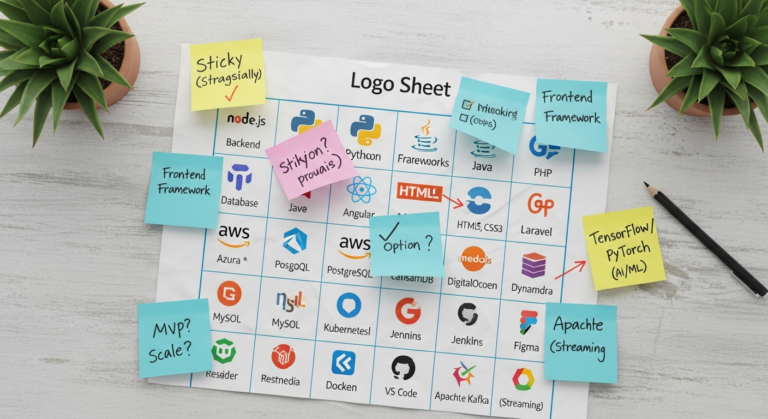
Framework: Design for horizontal scalability from day one. Utilize containerization (Docker, Kubernetes) and serverless architectures (AWS Lambda, Azure Functions) to ensure your application can handle fluctuating loads efficiently.
-
Continuous Development and Updates: Always Evolving
Unlike traditional software with infrequent, major version releases, SaaS products are constantly updated, improved, and iterated upon. New features, bug fixes, and security patches are rolled out seamlessly to all users, often without any downtime or manual intervention required from the customer. This agility allows you to respond rapidly to market feedback, maintain competitive advantage, and continuously deliver value.
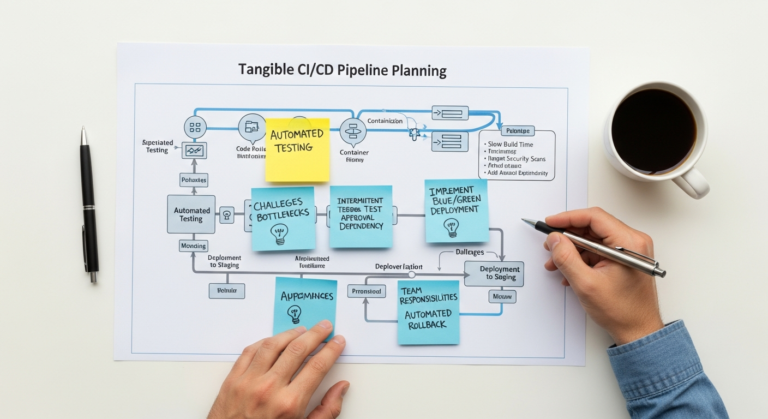
Tactic: Implement a robust Continuous Integration/Continuous Delivery (CI/CD) pipeline using tools like GitHub Actions, GitLab CI, or Jenkins to automate your testing and deployment processes, enabling frequent, reliable updates.
-
Customer Success Focus: Retention as a Growth Lever
In a subscription model, customer retention is paramount. A customer can churn (cancel their subscription) at any time. This shifts the vendor’s focus from merely closing a sale to ensuring ongoing customer satisfaction and value realization. Customer success teams become critical, proactively engaging with users, providing support, and helping them maximize their use of the product. For a SaaS founder, this means embedding customer-centricity into your DNA.
Tool Insight: Platforms like Intercom, Zendesk, or HubSpot Service Hub provide comprehensive tools for managing customer interactions, support tickets, and proactive outreach, fostering stronger customer relationships.
Key Advantages & Opportunities for Founders: Why SaaS Wins
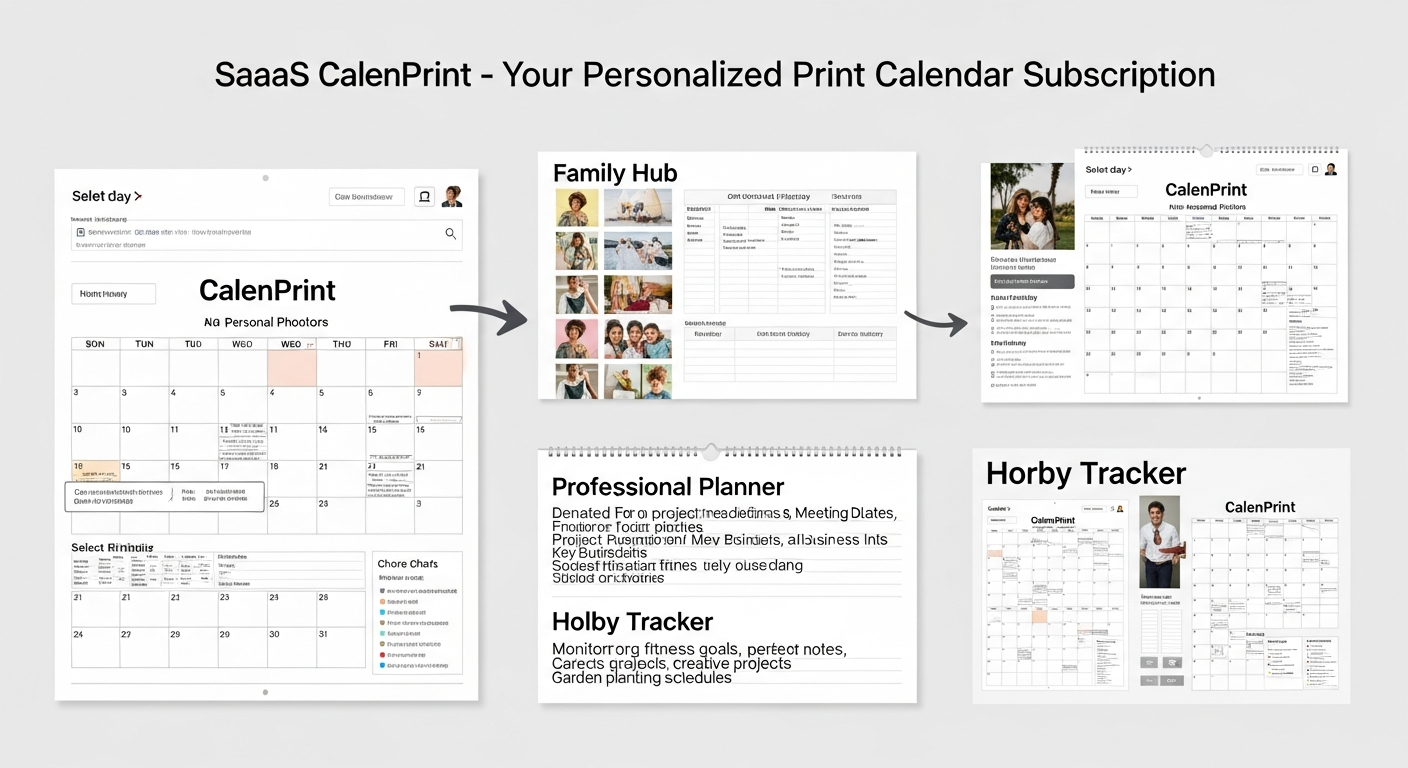
The SaaS model isn’t just popular; it’s strategically superior for many types of software businesses. Understanding these advantages is crucial for positioning your startup for success.
-
Predictable Recurring Revenue (MRR/ARR)
This is arguably the biggest draw. MRR (Monthly Recurring Revenue) and ARR (Annual Recurring Revenue) provide a stable, predictable income stream, which is invaluable for financial planning, securing investment, and managing cash flow. Investors love predictability, often valuing SaaS companies at significantly higher multiples than traditional license-based software firms.
Statistic: The global SaaS market is projected to reach over $700 billion by 2030, underscoring the massive and sustained growth potential in this sector.
-
Lower Upfront Costs for Customers
Customers don’t need to make large capital expenditures for software licenses or infrastructure. They can simply subscribe, often on a pay-as-you-go model, making your solution accessible to a wider range of businesses, including cash-strapped startups and SMBs. This lowers the barrier to adoption and expands your total addressable market (TAM).
-
Global Reach and Rapid Scaling
With cloud infrastructure, your software is instantly accessible from anywhere in the world. This eliminates geographical barriers and allows for rapid, cost-effective expansion into new markets without needing to establish physical offices or distribution networks. Your product can go viral and scale globally overnight.
Example: Zoom rapidly scaled its video conferencing platform to serve hundreds of millions of users globally during the recent surge in remote work, demonstrating the inherent scalability of the SaaS model.
-
Data-Driven Insights for Product Iteration
Because you control the software, you collect vast amounts of usage data. This telemetry is a goldmine for understanding how users interact with your product, identifying pain points, validating features, and making data-backed decisions for product development. This allows for continuous, informed iteration that keeps your product competitive and relevant.
Tool Insight: Product analytics platforms like Mixpanel, Amplitude, or Pendo provide deep insights into user behavior, feature adoption, and conversion funnels, enabling data-driven product roadmaps.
-
Higher Valuation Multiples
Due to predictable revenue, high gross margins, and scalability, SaaS companies typically command higher valuation multiples (often 5-10x ARR, sometimes much higher for hypergrowth companies) compared to traditional businesses, making them highly attractive to investors and acquirers.
-
Focus on Customer Lifetime Value (CLTV)
The recurring revenue model shifts the focus from one-time sales to maximizing the long-term value of each customer relationship. This incentivizes you to invest in customer success, product quality, and ongoing innovation, fostering deeper, more profitable relationships over time.
Navigating the Challenges & Pitfalls: The Roadblocks to Success
While immensely powerful, the SaaS model isn’t without its challenges. Founders must be acutely aware of these hurdles and proactively build strategies to overcome them.
-
High Customer Acquisition Cost (CAC)
Bringing new customers into your ecosystem can be expensive, especially in competitive markets. Marketing, sales, and onboarding efforts contribute to CAC, which must be carefully managed to ensure profitability. If your CAC is too high relative to your customer lifetime value (LTV), your business model is unsustainable.
Tactic: Focus on efficient acquisition channels like content marketing, SEO, viral loops, and referral programs. Optimize your conversion funnels and A/B test your landing pages relentlessly. Tools like Google Analytics and HubSpot CRM can help track acquisition costs and conversions.
-
Churn Management: The Silent Killer
Customer churn—the rate at which customers cancel their subscriptions—is a constant threat. High churn erodes your recurring revenue base and makes growth incredibly difficult, as you’re constantly refilling a leaky bucket. Even small percentage changes in churn can have massive impacts on your long-term revenue.
Framework: Implement robust customer success strategies. Proactively identify at-risk customers, offer exceptional support, collect feedback rigorously, and continuously demonstrate value. Track both logo churn (number of customers lost) and revenue churn (revenue lost from those customers, including downgrades).
-
Pricing Strategy Complexity
Determining the right pricing model (per user, per feature, tiered, usage-based, freemium) is critical and complex. Price too high, and you deter adoption; price too low, and you leave money on the table or struggle to cover costs. Finding the sweet spot requires deep market understanding, competitive analysis, and continuous testing.
Tactic: Start with value-based pricing, aligning your tiers with the value different customer segments derive from your product. Conduct pricing experiments, A/B test different structures, and survey your target audience. Tools like ProfitWell (now Paddle) offer insights into SaaS pricing strategies.
-
Security and Compliance
Hosting sensitive customer data means you are solely responsible for its security and privacy. Data breaches can be catastrophic, leading to reputational damage, legal liabilities, and massive customer churn. Compliance with regulations like GDPR, CCPA, and industry-specific standards (e.g., HIPAA for healthcare) is non-negotiable.
Action: Invest in robust security infrastructure, regular audits, penetration testing, and compliance certifications (e.g., SOC 2, ISO 27001) from day one. Partner with experienced cybersecurity firms.
-
Intense Competition
The success of the SaaS model has attracted a deluge of competitors. Differentiating your product, standing out in a crowded market, and carving out a sustainable niche requires clear value propositions, superior execution, and often, significant marketing investment.
Strategy: Focus on a specific niche, solve a particular pain point exceptionally well, or build a unique community around your product. Don’t try to be everything to everyone; be the best at something for someone.
-
Burn Rate Management
SaaS startups often operate at a loss in their early stages, investing heavily in product development, sales, and marketing to acquire customers and achieve scale. Managing your burn rate (the speed at which your company spends its venture capital) is critical to ensure you have enough runway to reach profitability or secure your next funding round.
Action: Maintain strict financial discipline. Monitor cash flow meticulously, prioritize spending on growth-driving activities, and constantly evaluate your operational efficiency. Use financial modeling tools to project runway and plan for future funding needs.
Building and Scaling Your SaaS: A Strategic Playbook
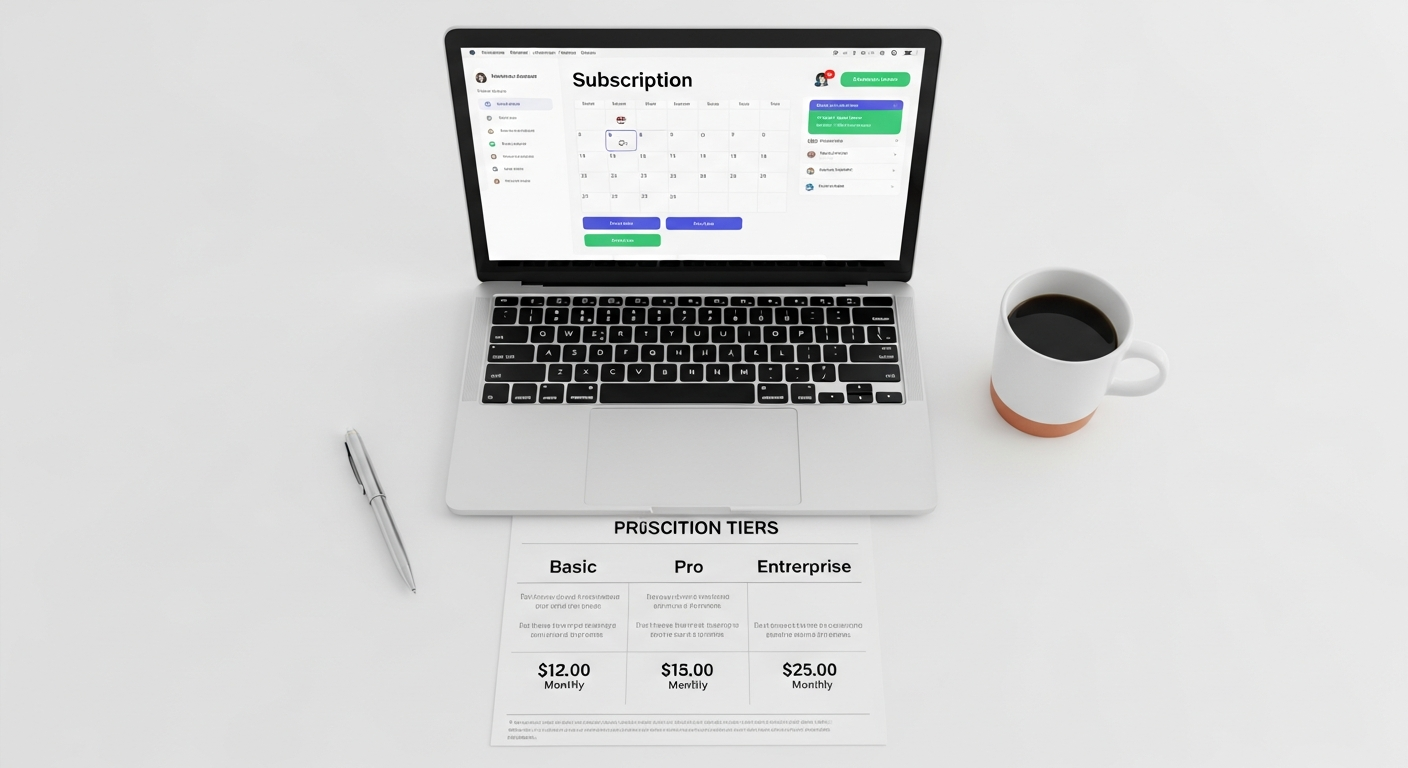
Translating the SaaS model into a thriving business requires a structured, iterative approach. Here’s a playbook for founders:
-
Phase 1: Validation & MVP (Minimum Viable Product)
Before writing a single line of complex code, validate your idea.
- Problem/Solution Fit: Identify a critical pain point in a specific market segment. Conduct extensive user interviews (at least 50-100), surveys, and competitive analysis to understand the problem deeply and confirm your proposed solution resonates.
- Market Sizing: Understand your Total Addressable Market (TAM), Serviceable Available Market (SAM), and Serviceable Obtainable Market (SOM). Is the market large enough to justify your efforts?
- MVP Definition: Strip your solution down to its absolute core functionality—the “must-have” features that solve the primary problem. Resist feature creep.
- Build & Test: Utilize no-code/low-code tools (e.g., Bubble, Webflow, Adalo) for rapid prototyping and even initial MVP deployment to get feedback quickly. For more complex solutions, use lean development methodologies.
Goal: Validate demand, achieve early problem-solution fit, and get your first paying customers.
-
Phase 2: Product-Market Fit & Early Growth
Once you have an MVP, the relentless pursuit of Product-Market Fit (PMF) begins.
- Iterate Rapidly: Collect user feedback constantly (surveys, interviews, in-app feedback). Use product analytics (Mixpanel, Amplitude) to understand user behavior and prioritize features. Implement a “build-measure-learn” loop.
- Onboarding Optimization: Design an intuitive and valuable onboarding experience that quickly demonstrates your product’s core value. Reduce time-to-value (TTV).
- Early Marketing & Sales: Focus on targeted outreach, content marketing, SEO, and strategic partnerships. For B2B SaaS, cold outreach and direct sales can be effective. For B2C, consider viral loops and community building.
- Metrics Focus: Obsess over activation rates, retention, and early signs of virality. Track your LTV:CAC ratio.
Goal: Achieve Product-Market Fit (users can’t imagine living without your product), demonstrate early retention, and establish repeatable customer acquisition channels.
-
Phase 3: Scaling & Optimization
With PMF established, the focus shifts to scaling your operations and maximizing efficiency.
- Automate & Standardize: Automate sales processes (CRM like Salesforce, HubSpot), marketing automation (Marketo, Pardot), and customer support (Zendesk, Freshdesk). Standardize internal processes to support growth.
- Expand Product & Market: Thoughtfully expand your feature set based on customer needs and market opportunities. Explore new market segments or geographies.
- Build Out Teams: Scale your sales, marketing, engineering, and customer success teams. Invest in leadership and culture.
- Financial Modeling & Fundraising: Develop sophisticated financial models. Prepare for subsequent funding rounds (Seed, Series A, B, etc.) based on your growth metrics.
- Optimize Metrics: Continuously optimize your LTV:CAC, churn rate, Net Revenue Retention (NRR), and gross margins. Focus on increasing average revenue per user (ARPU) through upsells and cross-sells.
Goal: Achieve hypergrowth, expand market share, and build a sustainable, profitable SaaS enterprise.
Key Metrics & Financials Every SaaS Founder Must Master
You can’t manage what you don’t measure. In SaaS, a specific set of metrics dictates success and informs strategic decisions. Master these:
- Monthly Recurring Revenue (MRR) / Annual Recurring Revenue (ARR): Your total predictable recurring revenue. MRR is for monthly subscriptions; ARR is MRR multiplied by 12.
Formula: Sum of all active subscriptions’ monthly/annual fees.
- Churn Rate (Logo & Revenue): The percentage of customers or revenue lost over a period.
Formula (Logo Churn): (Customers lost in period / Customers at start of period) * 100
Formula (Revenue Churn): (Revenue lost from cancellations/downgrades in period / Revenue at start of period) * 100
- Customer Acquisition Cost (CAC): The average cost to acquire one new customer.
Formula: (Total Sales & Marketing Spend) / (Number of New Customers Acquired)
- Customer Lifetime Value (LTV): The total revenue you expect to generate from a single customer over their entire relationship with your company.
Formula: (Average Revenue Per User * Gross Margin %) / Churn Rate
- LTV:CAC Ratio: A critical indicator of your business’s health and scalability. A healthy ratio is typically 3:1 or higher.
Formula: LTV / CAC
- Gross Margin: The revenue remaining after subtracting the cost of goods sold (COGS), which for SaaS includes hosting, support, and infrastructure costs. High gross margins (70-90%+) are characteristic of healthy SaaS businesses.
Formula: (Revenue – COGS) / Revenue * 100
- Burn Rate: The rate at which your company is losing money. Crucial for managing runway.
Formula (Net Burn): (Total Operating Expenses – Total Revenue)
- Net Revenue Retention (NRR) / Net Dollar Retention (NDR): Measures the percentage of recurring revenue retained from an existing cohort of customers over a period, accounting for upgrades, downgrades, and churn. Over 100% means you’re growing revenue from existing customers.
Formula: ((Starting MRR + Expansion MRR – Downgrade MRR – Churned MRR) / Starting MRR) * 100
FAQ: Your SaaS Business Model Questions Answered
- What’s the fundamental difference between SaaS and traditional software?
- The core difference lies in ownership and delivery. Traditional software involves purchasing a perpetual license and installing the software locally, with the customer responsible for maintenance and updates. SaaS, conversely, is a subscription-based service delivered over the internet, with the vendor managing all hosting, maintenance, and updates. This shifts the cost from a capital expenditure to an operating expense for the customer, and the vendor’s revenue from one-time sales to recurring subscriptions.
- How do I price my SaaS product effectively?
- Effective SaaS pricing is a blend of value-based pricing, cost-based pricing, and competitive analysis. Start by understanding the value your product delivers to different customer segments and what they are willing to pay for that value. Common models include per-user, tiered (based on features/usage), freemium, or usage-based. Conduct customer interviews, A/B test pricing pages, and analyze competitor pricing. Remember, pricing is not static; it requires continuous optimization as your product and market evolve.
- What are the biggest risks for a new SaaS startup?
- For new SaaS startups, the biggest risks typically revolve around achieving Product-Market Fit, managing high Customer Acquisition Costs (CAC), and mitigating churn. Without PMF, you build a product nobody wants. If CAC is too high, you bleed cash. If churn is high, you can’t build a sustainable recurring revenue base. Other risks include intense competition, security vulnerabilities, and running out of runway (cash).
- Can I build a SaaS without a technical co-founder?
- Yes, it’s possible, especially with the proliferation of no-code/low-code tools (Bubble, Webflow, Adalo) and accessible developer talent (freelancers, agencies). However, for complex or highly scalable SaaS products, a strong technical lead or co-founder becomes increasingly valuable for architecture, security, long-term maintenance, and efficient scaling. If you’re non-technical, focus on deeply understanding the technical requirements and hiring wisely.
- What’s the most critical metric for early-stage SaaS?
- For early-stage SaaS, the most critical metric is Retention Rate (or its inverse, Churn Rate). While MRR and customer acquisition are important, if you can’t retain customers, your growth is unsustainable. High retention indicates Product-Market Fit and validates that your product is delivering consistent value. Without strong retention, all other growth efforts become a costly exercise in filling a leaky bucket.
Conclusion: Your Path to SaaS Dominance
The SaaS business model is more than a trend; it’s a fundamental shift in how software is created, delivered, and consumed. For ambitious founders, it presents an unparalleled opportunity for predictable revenue, global scalability, and exponential growth. However, success in SaaS is not accidental. It demands a deep understanding of its core mechanics, a proactive approach to its inherent challenges, a disciplined execution of your build and scale playbook, and an unwavering commitment to data-driven decision-making through key metrics.
As you embark on your SaaS journey, remember that the game is won not just by building great software, but by building a great business model around that software. Focus on solving real problems, delivering continuous value, nurturing customer relationships, and meticulously tracking your progress. The blueprint is laid out; now it’s time to build your empire.