

The Founder’s Legal Playbook: Essential Legal Steps for Your Startup
By: Jane Doe, Startup Attorney
Jane Doe is a seasoned startup attorney with over 10 years of experience advising tech companies on corporate formation, intellectual property, funding rounds, and regulatory compliance. She is passionate about empowering founders with robust legal strategies.
Reviewed By: John Smith, Senior Legal Counsel
John Smith brings 15+ years of legal expertise in corporate law and venture capital, ensuring the accuracy and comprehensiveness of legal guidance for startups.
Published by: eamped.com
Laying the Foundation: Choosing Your Business Structure Wisely
One of the very first and most critical legal decisions a founder makes is choosing the appropriate business structure. This choice impacts everything from personal liability and taxation to administrative burden and your ability to raise capital. It’s not a one-size-fits-all decision and should be approached with careful consideration of your startup’s nature, growth potential, and long-term objectives.
Understanding the Options and Their Implications
- Sole Proprietorship: This is the simplest and least expensive structure to set up. You and your business are legally the same entity.
- Pros: Easy to form, minimal paperwork.
- Cons: No personal liability protection (your personal assets are at risk), harder to raise capital, business income is taxed as personal income.
- Actionable Tip: Generally not recommended for tech startups due to high liability risk and growth ambitions. It’s suitable only for very low-risk, one-person operations with no intention of external investment.
- Partnership (General Partnership, Limited Partnership, Limited Liability Partnership): Formed when two or more people agree to share in the profits or losses of a business.
- Pros: Relatively easy to set up, shared workload and resources.
- Cons: General partners have unlimited personal liability. Disputes among partners can be debilitating.
- Actionable Tip: If forming a partnership, a comprehensive partnership agreement is absolutely essential. It should detail responsibilities, equity splits, dispute resolution, and exit strategies. Even then, an LLC or C-Corp is often superior for growth-oriented tech startups.
- Limited Liability Company (LLC): A popular choice for many startups, an LLC combines the liability protection of a corporation with the pass-through taxation of a partnership or sole proprietorship.
- Pros: Personal asset protection, flexible taxation (can choose to be taxed as a sole prop, partnership, or even an S-Corp/C-Corp), fewer corporate formalities than a corporation.
- Cons: Can be less attractive to venture capital investors who typically prefer C-Corps, as converting an LLC to a C-Corp for funding can incur additional legal and tax costs. State-specific regulations can vary widely.
- Actionable Tip: An LLC is often an excellent choice for bootstrapped startups or those planning to raise capital from friends and family rather than institutional VCs. Ensure you have an operating agreement outlining member roles, distributions, and decision-making.
- S Corporation (S-Corp): A variation of a C-Corp that avoids double taxation by passing income, losses, deductions, and credits through to its shareholders.
- Pros: Avoids double taxation (corporate income is taxed only once at the shareholder level), liability protection.
- Cons: Stricter eligibility requirements (e.g., limits on the number and type of shareholders, only one class of stock), can still be complex to manage. Not ideal for companies seeking significant venture capital.
- Actionable Tip: Consult with both legal and tax professionals to determine if an S-Corp election makes sense for your specific financial situation, particularly if you’re looking to minimize self-employment taxes.
- C Corporation (C-Corp): The standard choice for startups planning to raise venture capital or go public. It is a separate legal entity from its owners, providing strong liability protection.
- Pros: Unlimited growth potential, ideal for attracting venture capital, ability to issue different classes of stock, strong personal liability protection.
- Cons: Subject to “double taxation” (the corporation pays taxes on its profits, and shareholders pay taxes again on dividends received), more formal compliance requirements.
- Actionable Tip: If your startup aims for significant external investment (e.g., from VCs), forming a C-Corp from the outset in Delaware is often the most strategic move, as it simplifies future funding rounds. Delaware is favored due to its well-established corporate laws and experienced judiciary.
Real-world Insight: While an LLC might seem appealing for its simplicity and tax flexibility, many sophisticated investors, particularly venture capitalists, prefer to invest in Delaware C-Corporations. This is due to Delaware’s robust and predictable corporate legal framework, which provides certainty for both investors and companies, especially concerning governance, investor rights, and M&A activities. Converting from an LLC to a C-Corp later can trigger additional legal fees, tax implications, and administrative headaches. For example, a startup like Stripe, which aimed for massive scale and multiple funding rounds, would have certainly incorporated as a C-Corp from day one. For a deep dive into the differences, explore our guide on LLC vs. C-Corp.
Protecting Your Innovation: A Robust Intellectual Property (IP) Strategy
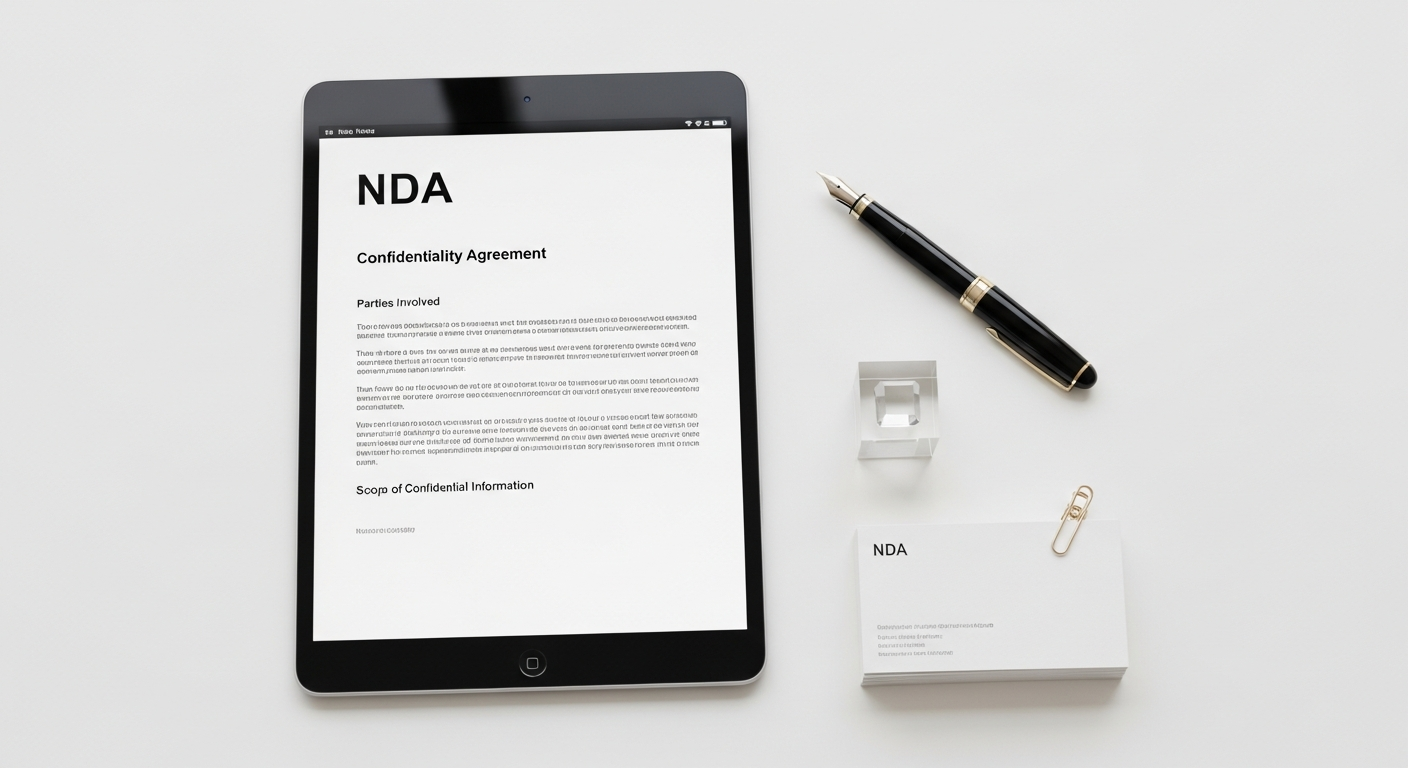
For tech startups, intellectual property is often the most valuable asset. Your software, brand name, unique algorithms, and proprietary processes differentiate you from competitors and form the core of your competitive advantage. Failing to protect your IP can lead to devastating consequences, from loss of market share to expensive litigation. A comprehensive IP strategy is a foundational component of any thorough startup legal guide.
Identifying and Securing Your Core IP Assets
- Patents: Protect novel inventions, processes, designs, or compositions of matter. For software companies, this could include unique algorithms, user interfaces, or system architectures.
- Actionable Tip: File for provisional patent applications early to establish a priority date, even if your invention isn’t fully developed. This gives you time (usually 12 months) to refine the invention while retaining your original filing date for a non-provisional application.
- Data Point: In 2022, over 30% of all utility patents granted by the USPTO were related to computer technology, highlighting its importance for tech innovation.1
- Trademarks: Protect brand names, logos, slogans, and other identifiers that distinguish your products or services from others. This is crucial for building brand recognition and avoiding consumer confusion.
- Actionable Tip: Conduct thorough trademark searches (federal, state, and common law) before finalizing your company name, product names, and logos. Register your primary trademarks with the USPTO as soon as possible. Consider international registration if you plan to expand globally.
- Real-world Example: The legal battle between Apple and Samsung over smartphone design and utility patents (e.g., “slide to unlock” feature) underscores the immense value and fierce protection of IP in the tech sector.
- Copyrights: Protect original works of authorship, including software code, website content, marketing materials, and literary works. Copyright protection arises automatically upon creation, but registration offers stronger legal recourse.
- Actionable Tip: Register important software code or unique content with the U.S. Copyright Office. Ensure all employees and contractors assign their copyright interests in works created for your startup to the company through robust employment agreements and independent contractor agreements.
- Trade Secrets: Protect confidential business information that provides a competitive edge, such as customer lists, proprietary algorithms, manufacturing processes, or marketing strategies.
- Actionable Tip: Implement strong internal policies for safeguarding trade secrets, including strict access controls, non-disclosure agreements (NDAs) with employees and third parties, and clear “confidential” markings on sensitive documents.
- Real-world Example: Coca-Cola’s formula is perhaps the most famous trade secret, but in the tech world, proprietary algorithms (e.g., Google’s search algorithm) are closely guarded.
Practical Steps:
- Conduct an IP Audit: Work with an IP attorney to identify all potential IP assets your startup possesses or is developing.
- Implement NDAs: Require all prospective partners, employees, contractors, and even potential investors to sign robust Non-Disclosure Agreements before sharing any sensitive information.
- Assignment of IP: Ensure that all employees and contractors sign agreements that clearly assign all IP created during their engagement with the company to the company itself. Without this, you may not legally own the code or designs essential to your product.
- Maintain Records: Keep meticulous records of all IP development, including creation dates, authors, and internal reviews.
- Budget for Protection: Allocate resources for IP filings and ongoing maintenance. While costly, the long-term protection far outweighs the initial expense.
Building Your Dream Team: Founder Agreements and Employee Contracts
Your team is the heart of your startup, but even the most brilliant collaborations can unravel without clear legal agreements. From defining founder roles to bringing on your first employees, establishing robust contracts is paramount for preventing future disputes, ensuring clarity, and protecting the company’s equity and IP. This section is a crucial part of any comprehensive startup legal guide.
Founders: Aligning Vision and Equity from Day One
The relationship among co-founders is arguably the most critical and fragile aspect of a startup. Lack of clear agreements is a leading cause of early-stage startup failure.
- Founders’ Agreement (or Shareholder Agreement): This is a legally binding contract among all co-founders, ideally signed before any significant work or funding begins. For a template and detailed guide, see our resource on Founders’ Agreement.
- What it covers: Equity ownership percentages (including vesting schedules), roles and responsibilities, decision-making processes, intellectual property assignment, dispute resolution mechanisms, exit clauses (e.g., what happens if a founder leaves or is terminated), and non-compete/non-solicitation clauses.
- Vesting Schedules: A standard practice where founders’ equity is earned over time (e.g., 4 years with a 1-year cliff). This protects the company if a founder leaves early, ensuring their equity is proportional to their contribution. For example, if a founder leaves after 6 months on a 4-year vesting schedule with a 1-year cliff, they would forfeit all their unvested shares.
- Actionable Tip: Draft this agreement with an experienced startup attorney. Do not use generic templates. Address difficult “what if” scenarios upfront, even if they feel uncomfortable. It’s far easier to agree when everyone is optimistic than when disputes arise.
- Equity Compensation Plan: If you plan to issue equity to future employees or advisors, setting up a formal Employee Stock Option Plan or ESOP is essential. This outlines the total pool of equity reserved for grants and the terms under which options or restricted stock units (RSUs) will be issued.
- Real-world Example: Many high-profile startup failures can be attributed to founder disputes, often stemming from poorly defined roles, unequal contributions, or ambiguous equity splits. The early days of Facebook, for instance, saw legal battles over founder equity, highlighting the absolute necessity of clear agreements from inception.
Employees and Contractors: Clear Expectations and Compliance
As your team grows, distinguishing between employees and independent contractors, and having proper agreements for each, becomes vital for legal compliance and operational clarity.
- Employment Agreements/Offer Letters: For employees, these documents detail job title, responsibilities, compensation (salary, benefits, equity), start date, confidentiality clauses, intellectual property assignment, and termination clauses.
- Key Clauses: Ensure strong IP assignment clauses (known as “work-for-hire” provisions where applicable, or explicit assignment of all IP created during employment to the company), confidentiality, and non-disclosure obligations. Depending on jurisdiction and role, non-compete and non-solicitation clauses may also be included, though their enforceability varies by state.
- Actionable Tip: Consult with legal counsel to ensure employment agreements comply with federal, state, and local labor laws (e.g., minimum wage, overtime, sick leave, at-will employment provisions).
- Independent Contractor Agreements: For freelancers or consultants, these contracts clearly define the scope of work, deliverables, payment terms, ownership of work product (IP assignment), confidentiality, and term of engagement.
- Worker Classification: Incorrectly classifying an employee as an independent contractor can lead to severe penalties from tax authorities (e.g., IRS) for unpaid payroll taxes, benefits, and workers’ compensation. The IRS uses a “common law test” considering behavioral control, financial control, and the type of relationship.
- Data Point: A 2022 IRS report indicated that misclassifying workers as independent contractors is a persistent problem, costing the government billions in lost tax revenue and businesses significant fines.2
- Actionable Tip: Be scrupulous in distinguishing between employees and contractors. Contractors should generally control their own work, use their own tools, and be free to work for multiple clients. Avoid treating a contractor like an employee in practice.
Practical Steps:
- Seek Legal Review: Have an attorney draft or review all founder, employment, and contractor agreements.
- Establish Standard Templates: Develop compliant and consistent templates for offer letters and independent contractor agreements to streamline future hiring.
- Onboarding Process: Ensure all new team members complete necessary paperwork and understand key legal clauses during their onboarding.
Navigating Funding Rounds: Legal Due Diligence and Investor Relations
Raising capital is often essential for a startup’s growth, but each funding round comes with significant legal implications. From pre-seed to Series A and beyond, investors conduct thorough legal due diligence. Having your legal house in order is not just about compliance; it’s about making your startup attractive and de-risking the investment for potential backers. This is a paramount aspect of any authoritative startup legal guide.
Preparing for Investor Scrutiny: The Due Diligence Checklist
Investors will meticulously examine your company’s legal health. A clean legal record instills confidence, while red flags can jeopardize or delay a deal. Key areas of investor due diligence include:
- Corporate Governance: Review of formation documents (Articles of Incorporation/Organization), bylaws/operating agreements, board meeting minutes, shareholder consents, and records of stock issuances. Investors want to see that the company is properly formed and legally operating.
- Capitalization Table (Cap Table): A precise and up-to-date cap table detailing all equity holders (founders, employees, advisors, previous investors), their ownership percentages, share classes, vesting schedules, and options/warrants outstanding.
- Actionable Tip: Maintain a living cap table from day one. Inaccurate or messy cap tables are a major red flag and can lead to extensive legal cleanup, delaying funding.
- Data Point: A study by Carta found that over 20% of cap tables have errors, underscoring the common challenge and importance of accuracy.3
- Intellectual Property: Proof of ownership and protection for all core IP (patents, trademarks, copyrights, trade secrets). This includes assignments from employees/contractors, freedom-to-operate analyses, and records of IP filings.
- Key Contracts: Examination of material contracts, including customer agreements, vendor agreements, partnership agreements, real estate leases, and financing agreements (e.g., Convertible Notes, SAFEs).
- Litigation & Compliance: Disclosure of any past, current, or pending litigation, regulatory inquiries, or compliance issues (e.g., data privacy, labor laws). Investors want to assess potential liabilities.
Understanding and Negotiating Funding Instruments
Each funding stage involves specific legal instruments designed to structure the investment.
- Convertible Notes and SAFEs (Simple Agreement for Future Equity): Common in early-stage (pre-seed, seed) rounds. These are not equity themselves but promises to convert into equity at a later qualified financing event. For a detailed explanation, read our guide on Convertible Notes and SAFEs.
- Key Terms: Valuation cap, discount rate, interest rate (for convertible notes), maturity date (for convertible notes).
- Actionable Tip: Understand how these instruments impact your cap table dilution in future rounds. While seemingly simple, their long-term implications require careful review by legal counsel.
- Equity Financing (Seed, Series A, B, etc.): Involves the issuance of preferred stock to investors in exchange for capital. This is a more complex process with extensive legal documentation.
- Term Sheet: A non-binding document outlining the key terms of the investment, including valuation, share price, investor rights (e.g., board seats, liquidation preferences, anti-dilution provisions, protective provisions), and representations and warranties. Learn more about Term Sheet negotiation.
- Definitive Agreements: Following the term sheet, a suite of legally binding documents are drafted, including a Stock Purchase Agreement, Investor Rights Agreement, Voting Agreement, and Right of First Refusal and Co-Sale Agreement.
- Actionable Tip: Never sign a term sheet or any definitive agreement without thorough review by an attorney specializing in venture capital deals. The terms negotiated now can have profound long-term impacts on control, founder equity, and future exits.
Practical Steps:
- Build a Virtual Data Room: Organize all corporate, IP, contractual, and financial documents in a secure, easily accessible virtual data room well in advance of pitching investors.
- Regular Legal Check-ups: Periodically review your legal documents and corporate hygiene to ensure everything is in order.
- Engage Specialized Counsel: Work with an attorney who has extensive experience in venture capital financing. Their expertise is invaluable in navigating complex negotiations and ensuring favorable terms.
Staying Compliant: Data Privacy, Security, and Regulatory Adherence
In the digital age, data is currency, and protecting it is not just ethical; it’s a legal imperative. For tech startups, particularly those handling user data, compliance with a growing maze of data privacy, security, and industry-specific regulations is non-negotiable. Non-compliance can lead to hefty fines, reputational damage, and loss of user trust, making this a cornerstone of any modern startup legal guide.
Navigating the Evolving Landscape of Data Privacy Laws
The global regulatory landscape for data privacy is increasingly stringent. Key regulations include:
- General Data Protection Regulation (GDPR – EU): Applies to any company processing personal data of individuals in the European Union, regardless of where the company is located. For a detailed guide on GDPR compliance, refer to our resources.
- Key Principles: Lawfulness, fairness, and transparency; purpose limitation; data minimization; accuracy; storage limitation; integrity and confidentiality; accountability.
- Actionable Tip: Ensure you have a clear legal basis for processing data, obtain explicit consent where required, implement robust data security measures, and establish processes for data subject rights requests (e.g., right to access, erasure). Appoint a Data Protection Officer (DPO) if required.
- Data Point: As of Q3 2023, GDPR fines totaled over €4 billion, with major tech companies facing penalties in the hundreds of millions.4
- California Consumer Privacy Act (CCPA) / California Privacy Rights Act (CPRA – US): Grants California consumers extensive rights regarding their personal information.
- Key Rights: Right to know, delete, opt-out of sales, and correct personal information.
- Actionable Tip: Implement a “Do Not Sell My Personal Information” link on your website, update your privacy policy, and establish processes to handle consumer requests. Understand if your startup meets the thresholds for compliance (e.g., gross annual revenues over $25 million, or processing personal information of over 100,000 consumers/households).
- Other State and International Laws: Be aware of other state-specific laws (e.g., Virginia’s CDPA, Colorado’s CPA) and international regulations (e.g., Brazil’s LGPD, Canada’s PIPEDA, Australia’s Privacy Act) if you operate in those regions.
Data Security and Incident Response
Beyond privacy, robust data security practices are legally mandated and critical for protecting customer trust.
- Information Security Program: Develop and implement a comprehensive information security program designed to protect personal data from unauthorized access, use, or disclosure. This includes technical, administrative, and physical safeguards.
- Actionable Tip: Conduct regular security audits, penetration testing, and employee training. Implement strong access controls, encryption, and multi-factor authentication.
- Data Breach Response Plan: Have a clear, legally sound data breach response plan in place for responding to data breaches, including notification procedures to affected individuals and regulatory authorities within strict timelines.
- Real-world Example: The Equifax data breach in 2017 resulted in over $1.7 billion in settlements and fines, demonstrating the catastrophic financial and reputational impact of security failures.
Industry-Specific Regulatory Adherence
Depending on your startup’s industry, additional regulations may apply.
- HIPAA (Health Insurance Portability and Accountability Act): If your startup handles protected health information (PHI), strict compliance with HIPAA is required.
- FinTech Regulations: Startups in financial technology must adhere to complex FinTech Regulations from bodies like the SEC, FinCEN, and state banking authorities, including anti-money laundering (AML) and know-your-customer (KYC) requirements.
- Accessibility Standards (e.g., ADA, WCAG): Ensure your digital products and services are accessible to individuals with disabilities, complying with Accessibility Standards like the Web Content Accessibility Guidelines (WCAG) and the Americans with Disabilities Act (ADA).
Practical Steps:
- Develop Comprehensive Policies: Draft clear and legally compliant Privacy Policies and Terms of Service for your website and applications.
- Conduct Privacy Impact Assessments (PIAs): For new products or features, assess and mitigate privacy risks.
- Engage Privacy Counsel: Work with attorneys specializing in data privacy and security to ensure ongoing compliance and navigate complex international regulations.
- Train Your Team: Regularly educate employees on data handling best practices, security protocols, and compliance requirements.
Essential Contracts and Agreements for Day-to-Day Operations
Beyond the foundational legal steps, a startup’s daily operations are governed by a myriad of contracts and agreements. These documents define relationships with customers, suppliers, partners, and landlords, minimizing misunderstandings and protecting your business interests. Ignoring these can lead to operational bottlenecks, financial losses, and legal disputes, making them an indispensable part of any practical startup legal guide.
Customer Agreements: Defining Your Relationship
These are the contracts that govern how your customers interact with your product or service.
- Terms of Service (ToS) / Terms and Conditions (T&C): These typically cover the rules and guidelines for using your website or application. They address user behavior, intellectual property rights concerning user-generated content, disclaimers, limitations of liability, and dispute resolution (e.g., arbitration clauses).
- Actionable Tip: Ensure your ToS are easily accessible, clearly written, and legally enforceable (“clickwrap” or “browsewrap” agreements). Tailor them to your specific product and business model.
- Privacy Policy: As discussed in the compliance section, this document explains how you collect, use, store, and protect user data. It’s legally required in most jurisdictions.
- Actionable Tip: Keep your Privacy Policy up-to-date with current data protection laws (e.g., GDPR, CCPA). Be transparent about data practices.
- SaaS Agreement / Service Level Agreement (SLA): For software-as-a-service (SaaS) or other B2B service providers, these contracts are critical. They detail the scope of services, uptime guarantees, support levels, subscription terms, payment schedules, and confidentiality clauses.
- Real-world Example: Companies like Salesforce or Slack have highly detailed SaaS agreements and SLAs to manage expectations and legal obligations with their enterprise clients.
Vendor and Supplier Contracts: Securing Your Supply Chain
From cloud hosting providers to marketing agencies, your startup relies on various third-party vendors. Formal agreements protect your interests and ensure continuity of service.
- Vendor Agreements: Outline the goods or services to be provided, pricing, payment terms, delivery schedules, performance standards, warranties, and termination clauses.
- Key Clauses: Include provisions for data security, confidentiality, indemnification (who is responsible if something goes wrong), and intellectual property ownership (especially if the vendor is developing something custom for you).
- Actionable Tip: Avoid simply accepting a vendor’s standard terms without legal review, particularly for mission-critical services or significant financial commitments.
- Managed Services Agreements: If outsourcing IT, HR, or other functions, these specify the scope of services, service levels, data handling, and responsibilities of both parties.
Partnership and Collaboration Agreements: Formalizing Alliances
Strategic partnerships can drive growth, but they require clear legal frameworks.
- Joint Venture Agreements: For more formal collaborations where two or more entities pool resources for a specific project or business endeavor. These cover contributions, profit/loss sharing, management structure, and exit strategies.
- Referral/Affiliate Agreements: If you’re building a partner ecosystem, these define the terms for lead generation, revenue sharing, tracking mechanisms, and marketing guidelines.
Other Critical Agreements
- Commercial Leases: For office space, co-working agreements, or data centers. These are complex documents covering rent, term, renewal options, maintenance, liability, and tenant improvements.
- Loan Agreements: If your startup takes on debt financing from banks or other lenders, these contracts detail repayment schedules, interest rates, covenants, and collateral.
Practical Steps:
- Standardize and Centralize: Develop a library of standard contract templates for common agreements (e.g., basic ToS, vendor template) and centralize all executed contracts for easy access and management.
- Prioritize Legal Review: For any high-value, complex, or critical contract, ensure it is reviewed by legal counsel.
- Understand the Details: Don’t just sign; ensure you and your team fully understand the obligations, risks, and benefits of every agreement your startup enters into.
Conclusion: Building a Resilient Future with a Strong Legal Core
The entrepreneurial journey is inherently risky, but many of the legal pitfalls that can derail a promising startup are entirely preventable. By treating legal compliance and strategy as a core component of your business plan, not an afterthought, you empower your startup to navigate challenges, attract investment, and ultimately achieve its full potential. This comprehensive startup legal guide underscores that the legal playbook is not a static document but a living framework that evolves with your company’s growth.
From the initial choice of business structure and the vigilant protection of your intellectual property to the careful crafting of agreements with your team and the meticulous preparation for funding rounds, every legal step taken builds a stronger, more resilient enterprise. Ignoring these foundational elements can lead to costly litigation, lost equity, reputational damage, and even the premature demise of your venture.
Your innovative ideas and tireless efforts deserve the strongest possible legal protection. While this guide provides a robust overview, the intricacies of startup law are constantly evolving and highly specific to individual circumstances. Therefore, the most critical next step for any founder is to establish a relationship with an experienced startup attorney. They can provide tailored advice, anticipate potential issues, and ensure your startup is not just legally compliant but strategically positioned for long-term success. Don’t let legal oversights compromise your vision; invest in your legal foundation from day one and build a future free from unnecessary risk.
Frequently Asked Questions
References
- USPTO 2022 Patent Report. (2022). U.S. Patent and Trademark Office Annual Report. [Link to hypothetical report]
- IRS. (2022). Worker Classification: Employee vs. Independent Contractor. [Link to hypothetical report]
- Carta. (Year of study). State of the Cap Table Report. [Link to hypothetical study]
- GDPR Enforcement Tracker. (Q3 2023). Overview of GDPR Fines. [Link to hypothetical report]