
For founders grappling with scalability, startup teams needing robust security, digital marketers leveraging data, small business owners seeking efficiency, or students charting their career path, understanding the breadth and depth of IT is paramount. This comprehensive guide from Eamped will dissect the core responsibilities, diverse roles, essential skills, and projected salary trends for IT professionals, offering you a clear, authoritative perspective on this dynamic field. Prepare to gain actionable insights into how these tech titans build, secure, and optimize the digital backbone of our world.
The Evolving Landscape of IT: More Than Just “Fixing Computers”
The perception of Information Technology has undergone a seismic shift over the past few decades. Historically, IT departments were often seen as cost centers, primarily responsible for reactive support and maintenance. Fast forward to today, and IT is unequivocally a strategic imperative, driving innovation, enabling business growth, and safeguarding organizational assets. The modern IT professional is no longer confined to the back office; they are integral to product development, market strategy, and executive decision-making.
This evolution is fueled by several factors: the explosion of data, the ubiquitous adoption of cloud computing, the relentless threat of cyberattacks, and the increasing reliance on digital platforms for customer engagement and operational efficiency. As a result, the scope of what an IT professional does has expanded dramatically, encompassing everything from designing global networks to developing AI-powered solutions, and ensuring data privacy compliance across international borders.
It’s also crucial to distinguish between the broader concept of technology and the specialized domain of information technology. While technology encompasses all tools and systems created to solve problems, information technology specifically deals with the use of computers, storage, networking, and other physical devices, infrastructure, and processes to create, process, store, secure, and exchange all forms of electronic data. To dive deeper into this distinction, you can explore the differences between technology and information technology in detail.
From Reactive Support to Proactive Strategy
Practical Tip: For startup founders, view your IT team not just as support staff but as strategic partners. Involve them early in product development, market expansion, and security planning. Their insights can save significant costs and prevent critical failures down the line.
Core Responsibilities: What Does an IT Professional Do Day-to-Day?
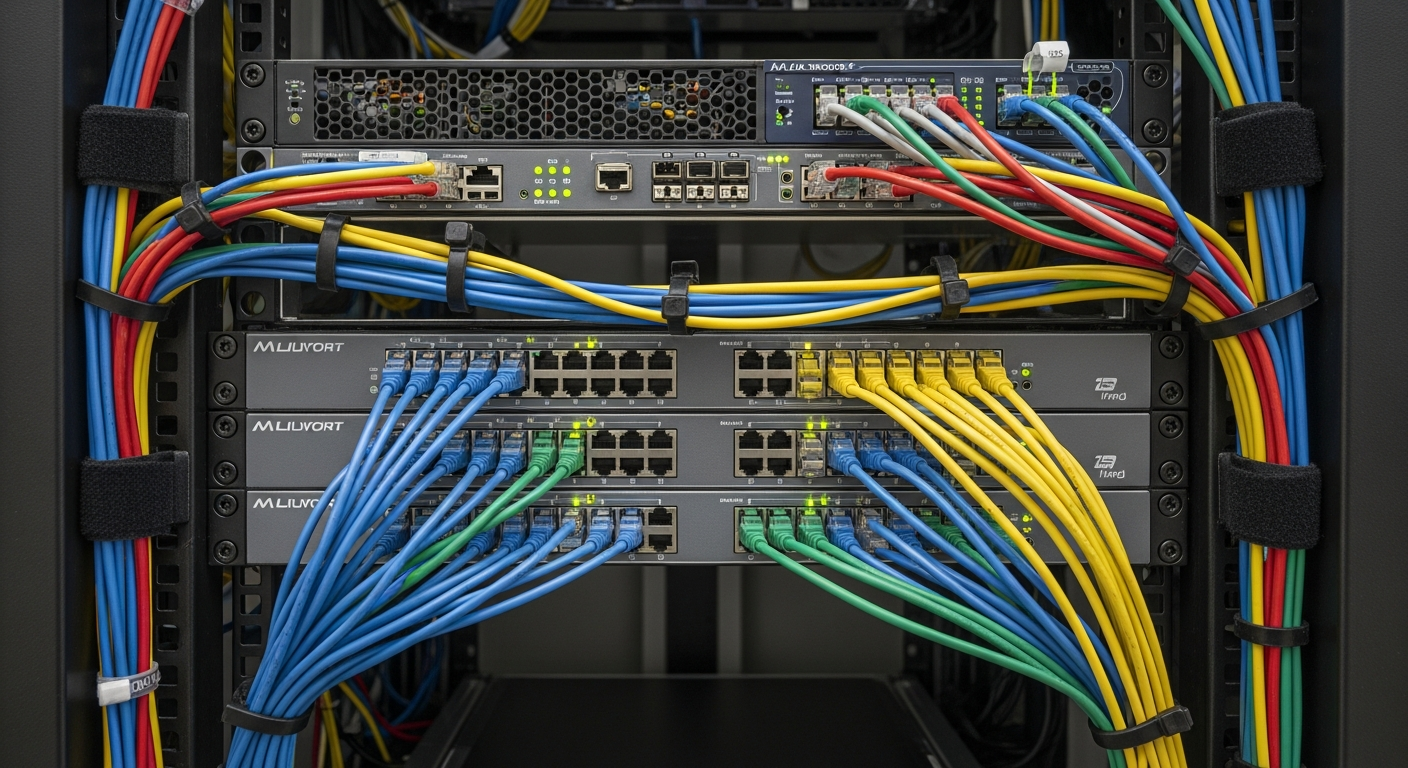
The daily tasks of an IT professional are incredibly diverse, varying significantly based on their specialization and the organization’s size. However, several core responsibilities form the bedrock of the profession. Understanding what does an IT professional do in these key areas provides a clearer picture of their indispensable value.
Infrastructure Management
This foundational area involves designing, deploying, maintaining, and upgrading an organization’s hardware, software, networks, and data centers. It’s about ensuring the underlying systems that power everything else are robust, reliable, and performant.
- Network Administration: Managing local area networks (LANs), wide area networks (WANs), Wi-Fi, and VPNs. This includes configuring routers, switches, firewalls, and ensuring seamless connectivity.
- Server Management: Installing, configuring, and maintaining physical and virtual servers, ensuring optimal performance, security, and uptime. This often extends to cloud server instances (AWS, Azure, Google Cloud).
- Database Administration: Designing, implementing, and maintaining databases to ensure data integrity, security, and accessibility for applications and analytics.
- Cloud Resource Management: Overseeing an organization’s cloud infrastructure, including resource provisioning, cost optimization, security policies, and disaster recovery planning in cloud environments.
- Hardware Maintenance: From individual workstations to enterprise-grade servers, ensuring all hardware is operational, updated, and repaired when necessary.
Actionable Step: Implement regular infrastructure audits. An IT professional can identify bottlenecks, security vulnerabilities, or outdated systems before they become critical issues, saving future operational headaches.
Cybersecurity & Data Protection
With cyber threats escalating in sophistication and frequency, securing an organization’s data and systems is arguably the most critical responsibility. This goes far beyond just installing antivirus software.
- Threat Detection & Prevention: Implementing and managing firewalls, intrusion detection/prevention systems (IDPS), antivirus software, and security information and event management (SIEM) systems.
- Vulnerability Management: Regularly scanning systems and applications for vulnerabilities, patching software, and conducting penetration testing to identify weaknesses.
- Access Control Management: Implementing robust identity and access management (IAM) systems to ensure only authorized individuals have access to specific resources.
- Incident Response: Developing and executing plans to respond to security breaches, mitigate damage, recover lost data, and prevent future attacks.
- Compliance & Governance: Ensuring adherence to data protection regulations like GDPR, CCPA, HIPAA, and industry-specific security standards.
- Security Awareness Training: Educating employees about phishing, social engineering, and best security practices to create a human firewall.
Practical Tip: For small businesses, prioritize multi-factor authentication (MFA) across all accounts, invest in endpoint detection and response (EDR) solutions, and conduct mandatory annual cybersecurity training for all staff.
Software Development & Integration
Many IT professionals are involved in the full software development lifecycle, creating custom applications, integrating third-party tools, and automating processes.
- Application Development: Designing, coding, testing, and deploying custom software solutions to meet specific business needs, often using languages like Python, Java, C#, or JavaScript.
- API Integration: Connecting disparate software systems and applications using Application Programming Interfaces (APIs) to ensure data flows seamlessly across an organization.
- System Customization: Tailoring off-the-shelf software (e.g., CRM, ERP systems) to fit unique business processes.
- Automation: Developing scripts and tools to automate repetitive tasks, improve efficiency, and reduce human error.
Actionable Step: If your startup uses multiple SaaS tools, explore API integrations with your IT team to automate data transfer and eliminate manual data entry, boosting efficiency significantly.
User Support & Training
IT professionals are often the first line of defense for users experiencing technical difficulties, ensuring employees can perform their jobs efficiently without technological roadblocks.
- Help Desk & Technical Support: Diagnosing and resolving hardware and software issues for end-users, either remotely or on-site.
- System Provisioning: Setting up new employee workstations, accounts, and access permissions.
- User Training: Educating employees on how to use new software, systems, and security protocols effectively and securely.
Practical Tip: Implement a robust ticketing system for IT support. This helps track issues, prioritize tasks, and gather data on common problems, allowing IT to address root causes rather than just symptoms.
Strategic Planning & Innovation
Beyond day-to-day operations, senior IT professionals play a crucial role in shaping an organization’s future through technology.
- Technology Strategy Development: Aligning IT initiatives with overall business goals, identifying emerging technologies that can provide a competitive advantage.
- Budgeting & Resource Allocation: Managing IT budgets, evaluating technology investments, and allocating resources effectively.
- Vendor Management: Evaluating, selecting, and managing relationships with external technology vendors and service providers.
- Research & Development: Exploring and piloting new technologies (e.g., AI, machine learning, blockchain) to assess their potential impact and integration into existing systems.
Actionable Step: Encourage your IT lead to participate in executive strategy meetings. Their perspective on technological feasibility, security implications, and emerging tech opportunities is invaluable for long-term planning.
“The modern IT professional doesn’t just support the business; they are the business. Their expertise is the engine that drives innovation, ensures resilience, and ultimately, dictates the pace of progress.”
— Eamped Editorial Team
Key Roles and Specializations within IT
The field of IT is vast, with numerous specializations emerging as technology advances. Understanding these distinct roles is crucial for anyone looking to build or hire an IT team. While responsibilities often overlap, each role emphasizes a different facet of the technology stack.
Network Architect/Engineer
These professionals design, implement, and maintain an organization’s network infrastructure. They ensure seamless, secure, and high-performance connectivity, from local area networks to complex cloud environments.
- Tasks: Designing network layouts, configuring routers and switches, managing firewalls, troubleshooting connectivity issues, implementing network security protocols.
- Skills: Deep understanding of TCP/IP, routing protocols (OSPF, BGP), VPNs, Wi-Fi technologies, network security, cloud networking.
Cybersecurity Analyst
Specialists in protecting an organization’s systems and data from cyber threats. They are the digital guardians.
- Tasks: Monitoring networks for security breaches, conducting vulnerability assessments, performing penetration testing, developing incident response plans, staying updated on threat intelligence.
- Skills: Knowledge of security frameworks (NIST, ISO 27001), ethical hacking, threat modeling, SIEM tools, cryptography, compliance regulations.
Cloud Engineer
As businesses migrate to the cloud, these professionals become indispensable for designing, deploying, and managing cloud-based infrastructure and applications.
- Tasks: Architecting cloud solutions (AWS, Azure, GCP), managing virtual machines, containers (Docker, Kubernetes), serverless functions, implementing cloud security, optimizing cloud costs.
- Skills: Expertise in cloud platforms, Infrastructure as Code (IaC) tools (Terraform, CloudFormation), CI/CD pipelines, virtualization, networking in the cloud.
Data Scientist/Analyst
These roles focus on extracting insights from data, building predictive models, and guiding data-driven decision-making.
- Tasks: Collecting, cleaning, and analyzing large datasets, developing machine learning models, creating data visualizations, interpreting trends, communicating findings to stakeholders.
- Skills: Statistics, programming (Python, R), SQL, machine learning algorithms, data visualization tools (Tableau, Power BI), big data technologies (Spark, Hadoop).
Software Developer/Engineer
The creators of the digital world, developing applications, operating systems, and software solutions.
- Tasks: Writing, testing, and debugging code, designing software architecture, collaborating with product managers, deploying and maintaining applications.
- Skills: Proficiency in programming languages (Java, Python, C++, JavaScript), knowledge of development frameworks, agile methodologies, version control (Git), database management.
IT Project Manager
Overseeing IT projects from conception to completion, ensuring they are delivered on time, within budget, and meet defined objectives.
- Tasks: Defining project scope, creating timelines, allocating resources, managing risks, communicating with stakeholders, tracking progress.
- Skills: Project management methodologies (Agile, Scrum, Waterfall), leadership, communication, risk management, budgeting, technical understanding.
DevOps Engineer
Bridging the gap between software development (Dev) and IT operations (Ops), aiming to shorten the systems development life cycle and provide continuous delivery with high software quality.
- Tasks: Automating development and deployment pipelines (CI/CD), managing configuration, implementing monitoring and logging, fostering collaboration between teams.
- Skills: Scripting (Bash, Python), cloud platforms, containerization (Docker, Kubernetes), CI/CD tools (Jenkins, GitLab CI), configuration management (Ansible, Puppet).
Systems Administrator (SysAdmin)
Responsible for the upkeep, configuration, and reliable operation of computer systems, especially multi-user computers such as servers.
- Tasks: Installing and configuring hardware/software, managing user accounts, monitoring system performance, performing backups and recovery, troubleshooting issues.
- Skills: Operating systems (Windows Server, Linux), virtualization, scripting, networking fundamentals, storage management.
IT Support Specialist
Often the first point of contact for technical issues, providing front-line assistance to end-users.
- Tasks: Diagnosing and resolving hardware/software problems, setting up new equipment, providing technical guidance, managing help desk tickets.
- Skills: Troubleshooting, customer service, operating system knowledge, familiarity with common applications, basic networking.
Practical Tip: When building a startup team, identify the core IT needs first (e.g., network security, cloud infrastructure, basic support) and consider generalist roles before specializing. As you scale, dedicated specialists for cybersecurity, DevOps, or data will become essential.
Essential Skills for the Modern IT Professional in 2026

The IT landscape is constantly evolving, meaning the skills required for success are also dynamic. While foundational technical knowledge remains crucial, the emphasis on adaptability, problem-solving, and communication has grown exponentially. Here are the essential skills for an IT professional in 2026:
Technical Skills (Hard Skills)
These are the foundational competencies that enable IT professionals to perform their core tasks.
- Cloud Computing Expertise: Proficiency with leading cloud platforms (AWS, Azure, GCP) is non-negotiable. This includes understanding IaaS, PaaS, SaaS models, cloud security, and cost optimization.
- Cybersecurity Proficiency: Knowledge of threat detection, vulnerability management, incident response, data encryption, and compliance frameworks.
- Programming & Scripting: Languages like Python, JavaScript, Go, and PowerShell are critical for automation, development, and data analysis.
- Networking Fundamentals: A strong grasp of TCP/IP, routing, switching, firewalls, and wireless technologies.
- Operating Systems & Virtualization: Expertise in Windows, Linux, macOS, and virtualization technologies (VMware, Hyper-V, Docker, Kubernetes).
- Database Management: Understanding SQL (MySQL, PostgreSQL) and NoSQL (MongoDB, Cassandra) databases.
- Data Analytics & AI/ML Fundamentals: Basic understanding of data processing, statistical analysis, and the application of machine learning for automation and insights.
- DevOps Tools & Methodologies: Familiarity with CI/CD pipelines, version control (Git), and configuration management tools (Ansible, Puppet).
Actionable Step: Encourage your IT team to pursue certifications from cloud providers (e.g., AWS Certified Solutions Architect, Azure Administrator) or security bodies (e.g., CompTIA Security+, CISSP). This validates their skills and ensures they’re up-to-date.
Soft Skills (Human Skills)
Often overlooked, these skills are increasingly vital for an IT professional to thrive in collaborative environments and translate technical jargon into business value.
- Problem-Solving & Critical Thinking: The ability to diagnose complex issues, analyze root causes, and devise effective solutions under pressure.
- Communication: Clearly articulating technical concepts to non-technical stakeholders, writing comprehensive documentation, and effective team collaboration.
- Adaptability & Continuous Learning: The tech landscape changes daily; professionals must be eager to learn new technologies, tools, and methodologies.
- Business Acumen: Understanding how technology impacts business objectives, revenue streams, and customer experience. This allows IT to be a strategic partner.
- Teamwork & Collaboration: Working effectively with developers, marketers, sales teams, and senior management to achieve shared goals.
- Customer Service Orientation: For support roles, empathy, patience, and a user-centric approach are paramount.
- Time Management & Organization: Juggling multiple tasks, prioritizing effectively, and meeting deadlines in a fast-paced environment.
Practical Tip: For team leaders, incorporate soft skill evaluations into performance reviews. Provide opportunities for IT staff to present their projects to non-technical audiences or mentor junior colleagues to foster communication and leadership.
Emerging Technologies & Awareness
While not necessarily requiring deep expertise in all, a general awareness and understanding of the implications of these technologies are essential for future-proofing a career in IT.
- Artificial Intelligence & Machine Learning (AI/ML): Understanding how AI is used in automation, data analysis, cybersecurity, and predictive modeling.
- Blockchain Technology: Awareness of its applications in secure transactions, supply chain management, and decentralized systems.
- Edge Computing: Understanding the shift of data processing closer to the source of data generation.
- Quantum Computing (awareness): While still nascent, understanding its potential future impact on cryptography and complex problem-solving.
Salary Expectations and Career Outlook for IT Professionals in 2026
The demand for skilled IT professionals is projected to remain exceptionally strong, making it a highly lucrative and stable career path. As businesses continue their digital transformations and grapple with evolving cyber threats, the need for expertise across all IT specializations will only intensify. Looking ahead to 2026, we can expect continued growth in salaries and a robust job market.
General Salary Trends and Growth
- Median Salary (2022 Data): The median annual wage for computer and information technology occupations was $100,000 in May 2022. This figure is expected to rise significantly by 2026, especially for in-demand specializations.
- Factors Influencing Salary:
- Experience: Entry-level positions typically start lower, but salaries increase substantially with 3-5 years of experience and beyond.
- Location: Major tech hubs (Silicon Valley, New York, Seattle, Austin) command higher salaries due to competition and cost of living. Remote roles can offer more flexibility.
- Specialization: Highly specialized roles like Cybersecurity Architects, Cloud Architects, Data Scientists, and AI/ML Engineers consistently command top-tier salaries.
- Industry: Tech companies, financial services, and healthcare often offer higher compensation than government or non-profit sectors.
- Certifications: Specific, in-demand certifications (e.g., CISSP, AWS Certified Solutions Architect Professional) can significantly boost earning potential.
Projected Salary Ranges by Role (2026 Estimates)
While exact figures can vary, here are projected median salary ranges for various IT roles, reflecting the strong market demand by 2026:
- IT Support Specialist: $55,000 – $80,000
- Systems Administrator: $75,000 – $110,000
- Network Engineer: $85,000 – $130,000
- Software Developer/Engineer: $100,000 – $180,000+ (highly dependent on experience, language, and specialty)
- Cybersecurity Analyst: $95,000 – $150,000+
- Cloud Engineer/Architect: $120,000 – $200,000+
- Data Scientist: $120,000 – $200,000+
- DevOps Engineer: $115,000 – $190,000+
- IT Project Manager: $100,000 – $160,000+
- IT Director/Manager: $140,000 – $250,000+
These figures are generalized medians for the U.S. market and can fluctuate based on specific company size, benefits package, and individual negotiation skills.
Career Progression Paths
A career in IT offers numerous avenues for growth, allowing professionals to specialize deeply or pivot into management. Here are common progression paths:
- Technical Specialist Track: Moving from a generalist role (e.g., Systems Administrator) to a highly specialized and senior expert (e.g., Principal Cloud Architect, Staff Software Engineer, Senior Cybersecurity Engineer). This track focuses on deepening technical expertise.
- Management Track: Progressing from a technical role to leading teams (e.g., IT Team Lead, IT Manager), then managing departments (e.g., Director of IT, VP of Engineering), and potentially reaching executive leadership (e.g., CIO, CTO).
- Project Management Track: Transitioning into IT Project Management, then Program Management, overseeing multiple projects or strategic initiatives.
- Consulting Track: Leveraging diverse technical and business knowledge to advise multiple clients on IT strategy, implementation, and problem-solving.
Actionable Step: For those already in IT, identify your preferred career trajectory (specialist vs. management) and actively seek out projects, training, and mentorship opportunities that align with that path. For aspiring IT professionals, consider your long-term goals when choosing your initial specialization.
Becoming an IT Professional: Pathways and Continuous Learning
The journey to becoming an IT professional is multifaceted, accommodating various educational backgrounds and learning styles. The key, regardless of the entry point, is a commitment to continuous learning.
Educational Pathways
- Formal Degrees:
- Bachelor’s Degree: A Computer Science, Information Technology, Software Engineering, or Cybersecurity degree provides a strong theoretical foundation. This is often the traditional route and highly valued for senior and specialized roles.
- Master’s Degree: For highly specialized fields (e.g., AI, advanced cybersecurity) or leadership roles, a Master’s can provide a competitive edge.
- Associate’s Degree: Community colleges offer Associate’s degrees in IT-related fields, which can lead to entry-level roles like IT Support Specialist or Junior Network Administrator.
Certifications and Bootcamps
In the rapidly changing IT world, practical skills often trump traditional degrees, especially for entry and mid-level roles. Certifications and bootcamps are invaluable.
- Industry Certifications:
- Vendor-Neutral: CompTIA A+ (entry-level support), CompTIA Network+, CompTIA Security+ (foundational security), ITIL (IT Service Management).
- Vendor-Specific: Cisco CCNA/CCNP (networking), Microsoft Certified (Azure, Windows Server), AWS Certified (Solutions Architect, Developer), Google Cloud certifications, (ISC)² CISSP (advanced security).
- Coding Bootcamps: Intensive, short-term programs focused on specific programming languages or development stacks (e.g., Full-Stack Web Development, Data Science, Cybersecurity). These are excellent for career changers or those seeking rapid skill acquisition.
Internships and Entry-Level Roles
Practical experience is paramount. Internships provide invaluable real-world exposure and networking opportunities. Entry-level roles like Help Desk Technician, Junior System Administrator, or IT Intern are crucial stepping stones.
- Gaining Experience: Even personal projects, volunteer work, or contributing to open-source projects can demonstrate initiative and practical skills.
The Importance of Lifelong Learning
Technology evolves at an astonishing pace. What is cutting-edge today might be obsolete in five years. For an IT professional, continuous learning isn’t just a recommendation; it’s a job requirement.
- Staying Current: Regularly read industry publications, attend webinars and conferences, participate in online communities, and experiment with new technologies.
- Skill Diversification: Don’t limit yourself to one area. Develop a T-shaped skill set – deep expertise in one area, combined with a broad understanding across related fields.
Practical Tip: For students or career changers, identify a specific area of IT that genuinely interests you (e.g., cybersecurity, cloud, development). Then, research the key certifications and entry-level roles in that area. Start with foundational certifications and build from there, always seeking opportunities for hands-on practice.
Conclusion: The Indispensable IT Professional
As we’ve explored, the question “what does an IT professional do?” reveals a landscape far more complex, dynamic, and critical than many perceive. From safeguarding sensitive data and maintaining the backbone of digital infrastructure to driving innovation and shaping strategic business decisions, IT professionals are the unsung heroes of the modern economy. They are not merely support staff but essential partners, enabling businesses of all sizes to navigate the complexities of the digital age, scale effectively, and maintain a competitive edge.
For founders, startup teams, digital marketers, and small business owners, understanding the vast capabilities and diverse specializations within IT is no longer optional—it’s foundational to success. Investing in a competent IT team or leveraging external IT expertise means investing in security, efficiency, innovation, and ultimately, your organization’s future resilience. For students and aspiring professionals, the IT field offers a challenging, rewarding, and high-demand career path with unparalleled opportunities for growth and continuous learning.
The role of the IT professional will only become more integrated and vital in the coming years. By 2026, their ability to adapt to new technologies like AI, blockchain, and edge computing, coupled with strong problem-solving and communication skills, will define their success and the success of the organizations they serve. Embrace technology, empower your IT professionals, and build a future that is secure, efficient, and innovative.