
What is a Go-to-Market Strategy? Your Essential Blueprint for Startup Success in 2026
Affiliate disclosure: This article may contain affiliate links. Recommendations are independent and editorially driven.
In the fiercely competitive landscape of tech startups and digital marketing, launching a new product, service, or even an entirely new company without a clear, defined path is akin to setting sail without a compass. This is where a robust go-to-market (GTM) strategy becomes not just beneficial, but absolutely indispensable. A well-crafted GTM strategy serves as your comprehensive action plan, outlining precisely how you will bring your offering to market, acquire customers, and achieve sustainable growth.
For SaaS companies, particularly those focused on marketing automation and startup growth, understanding and meticulously executing a GTM strategy is paramount. It’s the difference between a product that languishes in obscurity and one that rapidly gains traction, market share, and investor confidence. This guide will meticulously break down what a go-to-market strategy entails, why it’s critical for every startup, and how to construct one that propels your business forward in 2026 and beyond.
Defining the Go-to-Market Strategy: More Than Just a Launch Plan
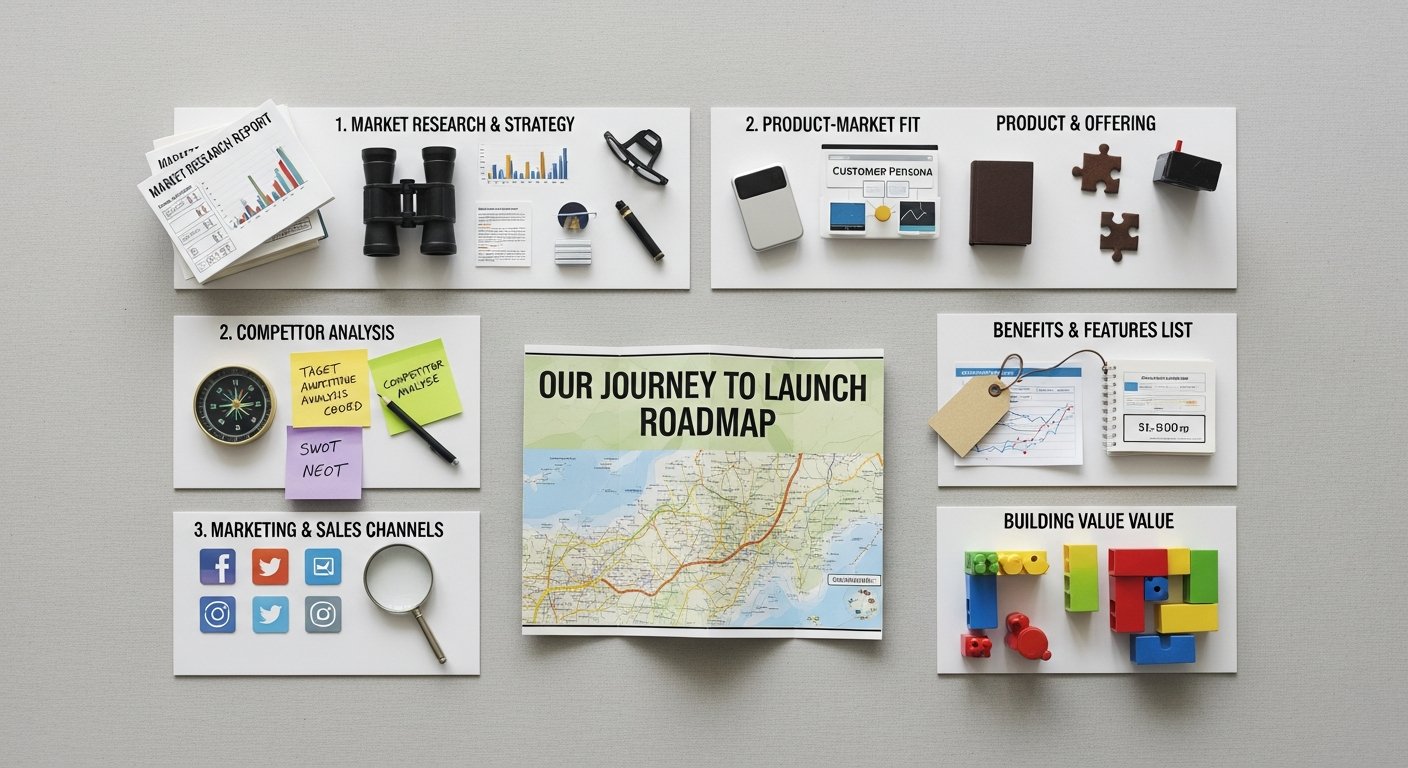
At its core, a go-to-market strategy is a detailed plan that specifies how a company will introduce new products or services to the market. It’s a roadmap that guides every aspect of your market entry, from identifying your target audience to choosing the right sales channels and crafting compelling marketing messages. While it certainly encompasses launch activities, a GTM strategy is far broader, touching upon long-term market penetration and expansion.
Think of it as your strategic playbook for driving demand and achieving a competitive advantage. It integrates market research, sales, marketing, and customer support functions to ensure a cohesive and impactful market presence. Without it, even the most innovative products can struggle to find their audience or articulate their value effectively, leading to missed opportunities and wasted resources.
More than Just a Launch Plan: A Holistic Approach
Many mistakenly equate a GTM strategy with a product launch plan. While a launch plan details the tactical steps for a specific release, a GTM strategy is a much more comprehensive and enduring framework. It considers the entire customer journey, from awareness to advocacy, and outlines how the organization will consistently deliver value and achieve its business objectives. A GTM strategy provides the strategic foundation upon which multiple product launches and iterations can be built, ensuring consistency and alignment with overarching business goals.
It’s not just about getting the product out the door; it’s about establishing a sustainable pathway for market success, continuous customer acquisition, and long-term revenue generation. It ensures that every department—from product development to sales and marketing—is working in concert towards a common, well-defined market objective.
The Core Components of a GTM Strategy
A robust go-to-market strategy is built upon several interconnected pillars, each essential for its overall success. These components work synergistically to create a powerful framework for market entry and expansion:
- Target Market & Customer Segmentation: Who are you trying to reach? What are their demographics, psychographics, needs, and pain points? This involves detailed persona development.
- Value Proposition & Messaging: What unique problem does your product solve, and how is it better than existing solutions? How will you communicate this value clearly and compellingly?
- Pricing Strategy: How will you price your product to attract your target customers, cover costs, and generate profit, while remaining competitive?
- Distribution & Sales Channels: How will your product reach your customers? Will it be direct sales, online, channel partners, or a combination?
- Marketing & Demand Generation: How will you create awareness and generate interest? This includes content marketing, SEO, paid ads, social media, PR, etc.
- Customer Experience & Retention: How will you support customers post-purchase to ensure satisfaction, reduce churn, and foster loyalty?
- Success Metrics & KPIs: How will you measure the effectiveness of your GTM strategy and track progress towards your goals?
Each component requires careful consideration and alignment to ensure a cohesive and effective strategy that resonates with the target market and drives desired business outcomes.
Why Every Startup Needs a Robust GTM
For a startup, a GTM strategy is not a luxury; it’s a necessity for survival and growth. The reasons are multifaceted and compelling:
- Reduces Risk: By thoroughly researching the market and planning every step, a GTM strategy minimizes the unknowns and reduces the risk of market rejection, poor sales, or competitive setbacks.
- Optimizes Resource Allocation: Startups often operate with limited budgets and personnel. A GTM strategy ensures that every dollar and every hour is invested strategically, targeting the most promising opportunities.
- Accelerates Time to Market: A clear plan prevents indecision and delays, allowing your product to reach customers faster and capitalize on market windows.
- Ensures Internal Alignment: It creates a shared understanding across all departments—product, sales, marketing, customer success—about the target customer, value proposition, and how success will be measured.
- Drives Revenue Growth: By defining how you will acquire and retain customers, a GTM strategy directly impacts your ability to generate revenue and achieve profitability.
- Provides a Competitive Edge: A well-executed GTM strategy can differentiate your offering, allowing you to stand out in a crowded market and capture market share effectively.
- Facilitates Scalability: A clear GTM provides a repeatable framework for expanding into new markets or launching new features, making future growth more predictable and manageable.
In essence, a go-to-market strategy is the bedrock upon which successful startup growth is built. It transforms an idea into a tangible, marketable solution that resonates with customers and generates sustainable business value.
The Strategic Pillars of a Go-to-Market Plan
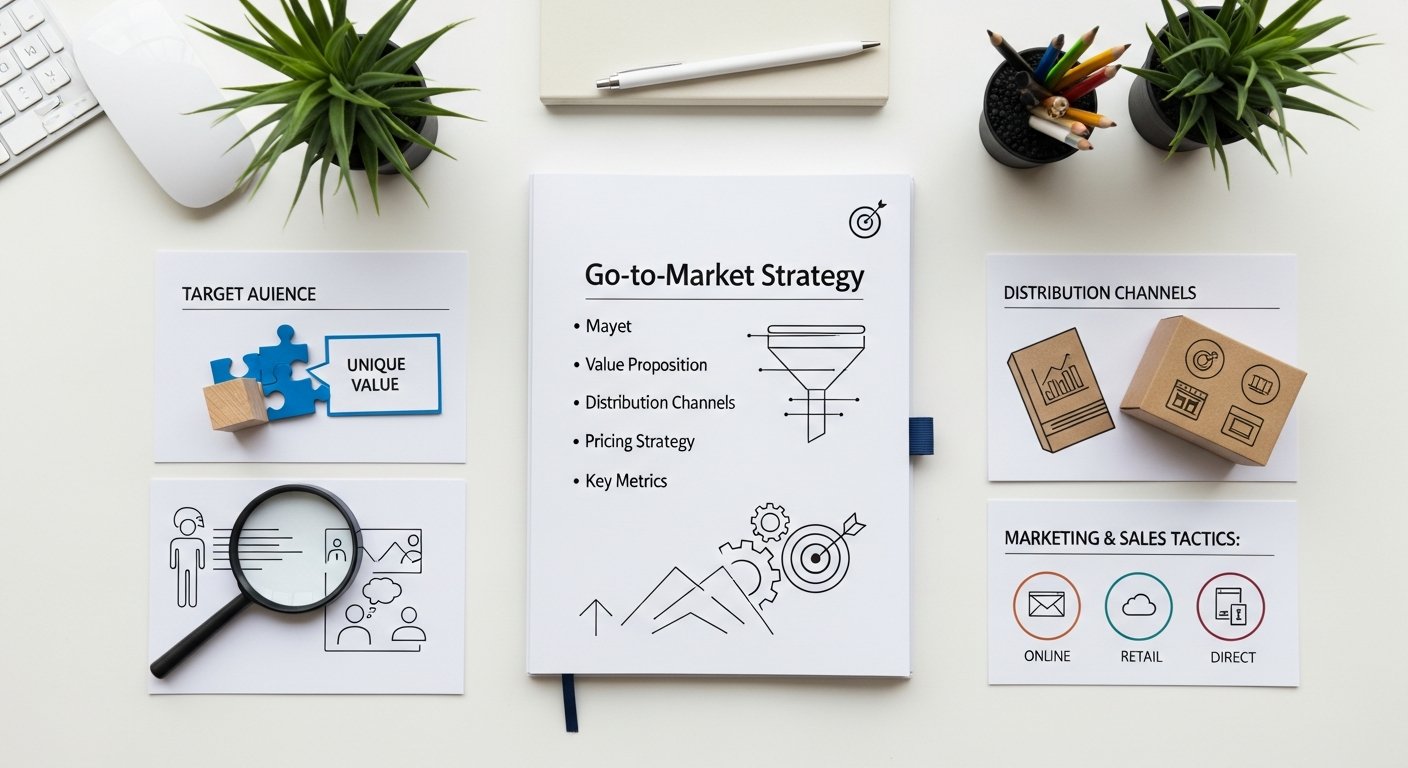
Building an effective go-to-market strategy requires a deep dive into several critical strategic pillars. Each pillar acts as a foundation, and together they form a comprehensive framework for market success. Understanding and meticulously defining each of these will ensure your strategy is robust and adaptable.
Target Audience and Market Segmentation
Before you can sell anything, you must know precisely who you’re selling to. This pillar involves rigorous market research to identify your ideal customer profiles (ICPs) and segment your broader market. Segmentation allows you to tailor your messaging, product features, and sales efforts to specific groups of customers who are most likely to convert and find value in your offering.
- Demographics: Age, gender, income, location, industry, company size.
- Psychographics: Interests, values, attitudes, lifestyles, purchasing habits.
- Behavioral Data: How they interact with similar products, their digital footprint, purchase history.
- Pain Points & Needs: What specific problems are they facing that your product can solve? What are their unmet needs?
Creating detailed buyer personas—fictional representations of your ideal customers—is an invaluable exercise here. These personas humanize your target audience, making it easier for your sales, marketing, and product teams to understand and empathize with them. Without a clear understanding of your target market, all subsequent GTM efforts will be unfocused and inefficient.
Value Proposition and Messaging
Once you know who you’re talking to, you need to know what to say. Your value proposition is the promise of value you deliver to customers. It clearly articulates the benefits your product offers, how it solves specific customer pain points, and why it is superior to alternatives. A strong value proposition should be:
- Relevant: Addresses a specific need or problem of the target audience.
- Unique: Differentiates your product from competitors.
- Credible: Backed by evidence or demonstrable benefits.
- Quantifiable: Wherever possible, express benefits in measurable terms.
From this core value proposition, you’ll develop your core messaging. This includes headlines, taglines, elevator pitches, and detailed descriptions that communicate your value proposition across all marketing and sales touchpoints. Consistency in messaging is crucial to build brand recognition and trust.
Pricing Strategy
Determining the right price for your product is a delicate balance. It must be high enough to cover your costs and generate profit, yet low enough to be attractive to your target customers and competitive within the market. Common pricing strategies include:
- Cost-Plus Pricing: Adding a markup to your production costs.
- Value-Based Pricing: Pricing based on the perceived value to the customer, often used by SaaS companies.
- Competitor-Based Pricing: Setting prices relative to what competitors charge.
- Freemium Model: Offering a basic version for free and charging for advanced features (common in SaaS).
- Tiered Pricing: Offering different levels of service or features at varying price points.
Your pricing strategy should align with your overall GTM goals, reflect your value proposition, and consider your target customers’ willingness to pay. It’s often an iterative process, requiring experimentation and adjustments based on market feedback and competitive dynamics.
Distribution and Sales Channels
This pillar defines how your product will actually reach your customers. The choice of channels directly impacts your reach, cost structure, and customer experience. Common channels include:
- Direct Sales: An internal sales team sells directly to customers. Ideal for high-value, complex products.
- Online/E-commerce: Selling through your own website or an online marketplace.
- Channel Partners: Utilizing resellers, distributors, affiliates, or strategic partners to extend your reach.
- Product-Led Growth (PLG): The product itself acts as the primary acquisition and engagement channel, often through a free trial or freemium model.
For SaaS startups, a combination of channels is often effective. For example, a freemium model might attract individual users (PLG), while a direct sales team handles enterprise clients. The chosen channels must align with your target audience’s preferred purchasing methods and your product’s complexity.
Marketing and Demand Generation
This is where you execute your messaging and reach your target audience to create awareness and generate leads. A robust marketing strategy utilizes a mix of channels and tactics:
- Content Marketing: Blogs, whitepapers, case studies, videos that educate and attract your audience.
- Search Engine Optimization (SEO): Optimizing your website and content to rank high in search engine results.
- Paid Advertising: Google Ads, social media ads (e.g., LinkedIn, Facebook), display ads.
- Social Media Marketing: Engaging with your audience on platforms relevant to them.
- Public Relations (PR): Earning media coverage and building brand credibility.
- Email Marketing: Nurturing leads and retaining customers through targeted email campaigns.
- Events & Webinars: Engaging directly with potential customers and industry leaders.
The specific mix of tactics will depend on your target audience, budget, and the nature of your product. The goal is to build a funnel that attracts, engages, converts, and delights customers effectively, often leveraging marketing automation platforms to streamline these efforts.
Customer Experience and Retention
A successful GTM doesn’t end with a sale; it extends into ensuring customer satisfaction and fostering long-term relationships. This pillar focuses on post-purchase activities that drive retention and advocacy:
- Onboarding: Guiding new users through your product to ensure they quickly find value.
- Customer Support: Providing accessible and effective help to resolve issues.
- Customer Success: Proactively helping customers achieve their desired outcomes with your product. This is crucial for SaaS businesses.
- Community Building: Creating spaces for users to connect, share knowledge, and feel part of a broader ecosystem.
- Feedback Mechanisms: Regularly soliciting and acting on customer feedback to improve the product and service.
High customer retention rates significantly contribute to long-term profitability, especially for businesses with recurring revenue models. Neglecting this pillar can lead to high churn, undermining all your acquisition efforts.
[INLINE IMAGE 1: place after second H2 | alt=”what is a go-to-market strategy concept illustration”]
Building Your Go-to-Market Strategy: A Step-by-Step Guide
Developing a comprehensive go-to-market strategy can seem daunting, but by breaking it down into manageable steps, you can systematically construct a plan that drives success. This guide provides a practical framework for building your GTM strategy from the ground up.
Step 1: Market Research and Target Customer Identification
The journey begins with deep understanding. Invest heavily in market research to gain insights into the industry landscape, competitive environment, and, most importantly, your potential customers. This step is foundational and informs every subsequent decision.
- Define Your Total Addressable Market (TAM): Understand the overall size of the market you are entering.
- Conduct Competitive Analysis: Identify direct and indirect competitors. Analyze their products, pricing, marketing strategies, strengths, and weaknesses. What are they doing well, and where are their gaps?
- Identify Your Ideal Customer Profile (ICP): For B2B, this includes company size, industry, revenue, geographical location, and technological stack. For B2C, it’s demographics, psychographics, and lifestyle.
- Develop Buyer Personas: Create detailed profiles of the key decision-makers or users within your ICP. Include their roles, responsibilities, daily challenges, goals, motivations, and how they currently solve problems your product addresses. What content do they consume? Where do they hang out online?
- Uncover Pain Points and Needs: Through surveys, interviews, and focus groups, identify the specific problems your target customers face that your product can alleviate. Understand their current solutions and their frustrations with them.
Thorough research at this stage prevents costly missteps later on. It ensures your product is genuinely solving a market need for a clearly defined audience.
Step 2: Defining Your Unique Value Proposition
With a clear understanding of your market and customer, articulate what makes your product unique and valuable. This is your promise to the customer and the core of your messaging.
- Identify Core Benefits: List all the advantages and positive outcomes your product provides.
- Connect Benefits to Pain Points: Show how each benefit directly addresses a specific pain point identified in Step 1.
- Highlight Differentiation: What do you do better or differently than your competitors? Is it speed, cost, ease of use, a unique feature, or superior customer support?
- Craft a Clear Value Statement: Condense this into a concise, compelling statement that clearly communicates: “For [target customer], who [has this problem], our product [is this type of solution] that [provides this unique benefit/solves this problem], unlike [competitor], which [has this differentiating feature].”
- Develop Core Messaging: Translate your value proposition into various forms: a short elevator pitch, website copy, sales scripts, and marketing campaign themes. Ensure consistency across all touchpoints.
Your value proposition must be compelling, easy to understand, and resonate deeply with your target audience. It is the engine of your marketing and sales efforts.
Step 3: Crafting Your Pricing Model
Your pricing strategy is a critical lever for growth and profitability. It should reflect your value, cover costs, and be attractive to your target market.
- Analyze Competitor Pricing: Understand how competitors price similar offerings. This provides a benchmark but shouldn’t be your sole determinant.
- Assess Production/Service Costs: Calculate the cost of developing, delivering, and supporting your product. For SaaS, this includes development, infrastructure, customer support, and sales/marketing CAC.
- Determine Perceived Value: How much value does your customer derive from your solution? This is particularly important for value-based pricing. What are they currently paying to solve this problem (even if it’s an indirect cost)?
- Choose a Pricing Model: Consider options like subscription-based (per user, per feature tier, usage-based), freemium, one-time purchase, or enterprise licensing. For SaaS, recurring revenue models are standard.
- Define Price Tiers/Packages: Offer options that cater to different segments of your target market (e.g., basic, professional, enterprise). This can expand your appeal and allow for upsell opportunities.
- Consider Introductory Offers: Decide if you’ll use free trials, introductory discounts, or onboarding support to encourage initial adoption.
Pricing is not static; it should be reviewed and adjusted as your product evolves, market conditions change, and you gather more data on customer willingness to pay.
Step 4: Selecting Your Sales and Distribution Channels
This step determines how your product will get into the hands of your customers. The channels you choose should align with your target audience’s purchasing habits and your product’s characteristics.
- Direct Sales: If your product is high-value, complex, or requires significant customization and relationship building (e.g., enterprise SaaS), a direct sales force might be necessary. This often involves account executives, sales development representatives (SDRs), and solution engineers.
- Online Channels: For products that are self-serve, standardized, or have a lower price point, an e-commerce website, app store, or online marketplace can be highly effective. This channel often leverages inbound marketing and marketing automation.
- Channel Partners: Resellers, distributors, value-added resellers (VARs), system integrators, or strategic alliances can extend your reach, especially into new geographies or niche markets. This requires developing partner programs and incentives.
- Product-Led Growth (PLG): For SaaS, allowing users to experience the product’s value firsthand through a free trial, freemium model, or self-service onboarding. The product itself becomes a significant acquisition and retention tool.
- Hybrid Approaches: Many companies use a combination. For example, PLG to acquire SMBs and direct sales for enterprise clients.
Evaluate the cost-effectiveness, scalability, and suitability of each channel for your specific product and customer segment. Each channel will require different operational capabilities and resource investments.
Step 5: Developing Your Marketing and Sales Playbook
This is where you operationalize your GTM strategy by detailing the tactics for generating demand and converting leads. It’s the execution blueprint for your GTM efforts.
- Marketing Strategy:
- Content Strategy: What types of content (blogs, videos, whitepapers) will you create to attract and educate your audience at different stages of the buyer journey?
- SEO Strategy: Keyword research, on-page optimization, link building to improve organic search visibility.
- Paid Media Strategy: Plan for PPC (Google Ads), social media advertising, display advertising, including budget allocation and targeting.
- Social Media Engagement: Which platforms, content formats, and engagement strategies will you use?
- Email Marketing: Define lead nurturing sequences, customer communication, and lifecycle emails.
- PR & Influencer Relations: Strategies for media outreach and working with industry influencers.
- Webinars & Events: Plan for virtual or in-person events to engage with prospects.
- Sales Strategy:
- Lead Generation & Qualification: How will leads be generated (marketing, referrals) and qualified (MQLs, SQLs)?
- Sales Process: Define the stages of your sales pipeline, from prospecting to closing.
- Sales Enablement: Provide sales teams with the necessary tools, content (pitch decks, case studies), and training.
- CRM Implementation: Utilize a CRM system to manage leads, track opportunities, and report on sales performance.
- Onboarding & Handover: Clearly define the process for transitioning new customers from sales to customer success.
Each tactic should have clear objectives, target audiences, and mechanisms for tracking performance. The playbook ensures that marketing and sales teams are tightly integrated and working towards shared goals.
Step 6: Setting KPIs and Measuring Success
A GTM strategy is not a one-time activity; it’s a dynamic process that requires continuous monitoring and optimization. Defining clear Key Performance Indicators (KPIs) is essential for tracking progress and making informed adjustments.
- Define Goals: What do you aim to achieve? (e.g., X number of users, Y revenue, Z market share within the first 6/12 months).
- Establish Key Metrics (KPIs):
- Awareness: Website traffic, social media reach, brand mentions.
- Acquisition: Number of leads, qualified leads, customer acquisition cost (CAC), conversion rates.
- Activation: Product usage, onboarding completion rates (for SaaS).
- Revenue: Monthly Recurring Revenue (MRR), Annual Recurring Revenue (ARR), Average Revenue Per User (ARPU).
- Retention: Churn rate, customer lifetime value (CLTV).
- Efficiency: Sales cycle length, sales velocity.
- Implement Tracking Tools: Utilize analytics platforms (Google Analytics), CRM systems, marketing automation platforms, and product analytics tools to gather data.
- Set Up Reporting: Establish regular reporting cadences (weekly, monthly, quarterly) to review performance against KPIs.
- Conduct A/B Testing: Continuously test different messages, channels, and pricing models to identify what works best.
- Gather Feedback: Actively collect feedback from customers, sales teams, and customer success teams to identify areas for improvement.
Regular analysis and iteration are crucial. Your GTM strategy should be a living document, evolving based on real-world data and market feedback. This iterative approach allows you to optimize your strategy over time, ensuring maximum impact and efficiency.
Types of Go-to-Market Strategies: Exploring Different Approaches
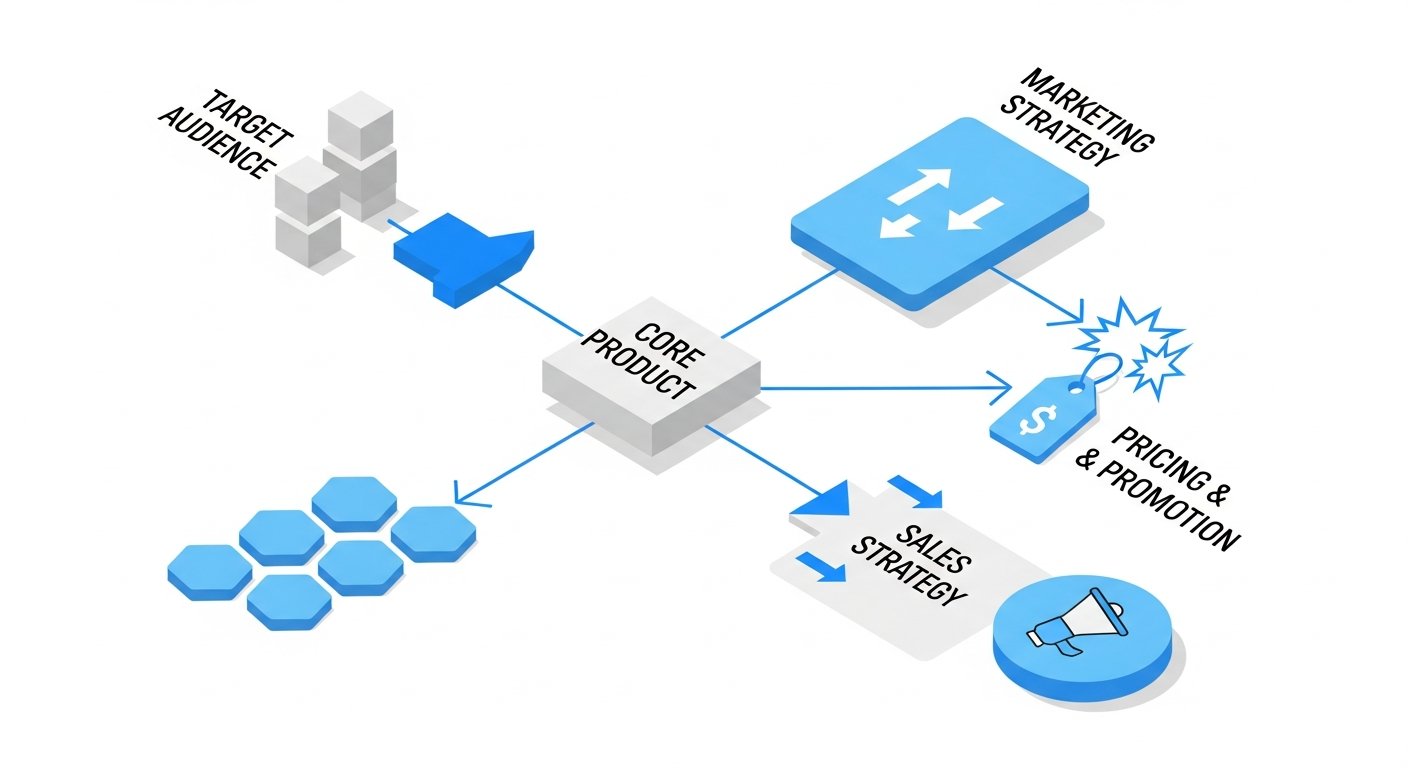
While the core components of a GTM strategy remain consistent, the emphasis and approach can vary significantly depending on the product, market, and business model. Understanding different types of GTM strategies helps you choose the most appropriate path for your venture.
Product-Led Growth (PLG)
PLG is a strategy where the product itself drives customer acquisition, conversion, and expansion. Users can often start using a free version, a free trial, or a limited feature set, experiencing value firsthand before committing to a purchase. The focus is on creating an intuitive, self-service product that delights users and encourages organic adoption.
- Primary Driver: Product experience, user onboarding.
- Best For: SaaS products with a clear, immediate value proposition that are easy to use and share (e.g., collaboration tools, project management software, design tools).
- Key Metrics: Activation rate, retention rate, conversion from free to paid, product qualified leads (PQLs), viral coefficient.
- Examples: Slack, Zoom, Dropbox, Calendly.
PLG is highly efficient as it reduces reliance on extensive sales and marketing teams, leading to lower customer acquisition costs (CAC). However, it demands a robust product, seamless user experience, and a strong onboarding flow.
Sales-Led Growth (SLG)
In a sales-led strategy, a dedicated sales team is the primary driver of customer acquisition. This approach typically involves direct outreach, relationship building, and consultative selling, especially for high-value, complex, or enterprise-level solutions that require significant explanation and customization.
- Primary Driver: Direct sales team, personal relationships.
- Best For: Enterprise software, complex B2B solutions, high-contract value products, products requiring extensive integration or customization.
- Key Metrics: Sales cycle length, average deal size, win rates, sales qualified leads (SQLs), sales team productivity.
- Examples: Salesforce (for enterprise deals), Oracle, SAP.
SLG strategies often have higher CAC but can secure larger, more valuable contracts. They require a highly skilled sales force and well-defined sales processes.
Marketing-Led Growth (MLG)
MLG focuses on generating leads and driving conversions primarily through marketing activities, such as content marketing, SEO, paid advertising, and inbound marketing. The goal is to attract, educate, and nurture prospects until they are ready to engage with sales or make a self-service purchase.
- Primary Driver: Marketing campaigns, content, brand building.
- Best For: Products with a broad appeal, often lower-to-mid price points, where educating the market and building brand awareness is key. Can be B2B or B2C.
- Key Metrics: Website traffic, lead volume, marketing qualified leads (MQLs), conversion rates (website to lead, lead to customer), marketing ROI.
- Examples: HubSpot, Mailchimp (in their early days), many e-commerce brands.
MLG can scale effectively and efficiently, but it requires a deep understanding of digital marketing channels, audience segmentation, and content strategy.
Channel-Led Growth (CLG)
A channel-led strategy leverages external partners, such as resellers, distributors, system integrators, or affiliates, to sell and distribute the product. These partners extend the company’s reach into new markets or customer segments that would be difficult or costly to access directly.
- Primary Driver: Partner network, channel sales.
- Best For: Companies looking for rapid expansion, those targeting fragmented markets, or needing local expertise and established relationships.
- Key Metrics: Number of partners, partner-generated revenue, partner sales velocity, partner program effectiveness.
- Examples: Microsoft (reseller network), Dell (channel partners), many hardware and software vendors.
CLG requires robust partner programs, training, and support to ensure partners are effective and aligned with the company’s goals.
Hybrid Approaches
In reality, most successful companies employ a hybrid approach, combining elements of several GTM strategies. For example, a SaaS company might use a freemium model (PLG) to acquire small businesses and individual users, while simultaneously employing a direct sales team (SLG) to target enterprise clients. They might also run extensive content marketing campaigns (MLG) to generate top-of-funnel awareness. The optimal hybrid strategy evolves as the company grows and adapts to market dynamics.
The choice of strategy or combination thereof depends heavily on your product’s complexity, pricing, target audience, and competitive landscape. A thoughtful evaluation of these factors will guide you toward the most effective GTM path.
[INLINE IMAGE 2: place after fourth H2 | alt=”what is a go-to-market strategy comparison illustration”]
Comparison of Go-to-Market Strategies
| Strategy Type | Primary Driver | Best For | Key Metrics | Example |
|---|---|---|---|---|
| Product-Led Growth (PLG) | Product experience, self-service onboarding | SaaS with immediate value, easy adoption, strong virality | Activation rate, free-to-paid conversion, PQLs, churn | Slack, Zoom |
| Sales-Led Growth (SLG) | Direct sales team, personal relationships | High-value, complex B2B solutions, enterprise deals | Sales cycle length, average deal size, win rates, SQLs | Salesforce (Enterprise), SAP |
| Marketing-Led Growth (MLG) | Marketing campaigns, content, brand building | Broad appeal products, educational focus, lower-to-mid price points | Website traffic, lead volume, MQLs, marketing ROI | HubSpot, Mailchimp |
| Channel-Led Growth (CLG) | Partner network (resellers, distributors) | Rapid expansion, fragmented markets, local expertise needed | Partner-generated revenue, partner sales velocity, number of partners | Microsoft (via resellers) |
| Hybrid Strategy | Combination of drivers | Most growing businesses, diverse target segments, evolving market | Combination of relevant metrics from above | Many modern SaaS companies |
GTM for SaaS Startups: Unique Considerations
SaaS (Software as a Service) companies face particular challenges and opportunities when developing their go-to-market strategies. The recurring revenue model, emphasis on customer lifetime value (CLTV), and the nature of software delivery introduce unique considerations that must be integrated into the GTM plan.
The Importance of Trial and Onboarding
For many SaaS products, the customer’s initial experience is paramount. Free trials, freemium models, and guided onboarding are not just features but crucial elements of the GTM strategy, especially for startup growth seeking a product-led approach. Effective trial and onboarding processes aim to:
- Demonstrate Value Quickly: Help users experience the “aha! moment” as fast as possible.
- Reduce Friction: Make the initial setup and first use simple and intuitive.
- Educate Users: Guide them through key features and workflows.
- Gather Feedback: Use the trial period to understand user behavior and pain points.
A poor onboarding experience can lead to high churn, even if the product is excellent. Investing in robust onboarding flows, in-app tutorials, and accessible support during the trial phase is critical for conversion and long-term retention.
Leveraging Recurring Revenue Models
SaaS thrives on recurring revenue. Your GTM strategy must be built around acquiring customers who will not only subscribe but continue to subscribe for extended periods. This shifts the focus from one-time sales to building long-term relationships.
- Focus on CLTV: Design your acquisition efforts with customer lifetime value in mind. High CLTV justifies higher customer acquisition costs (CAC) and allows for more aggressive marketing.
- Subscription Tiers: Develop pricing tiers that cater to different needs and allow for upsells as customers grow.
- Expansion Revenue: Plan for strategies to increase revenue from existing customers through upsells (more features/users), cross-sells (additional products), or usage-based pricing.
Understanding the economics of recurring revenue is central to a successful SaaS GTM. It means prioritizing customer satisfaction and continuous value delivery post-purchase.
Churn Prevention and Customer Success
Churn—the rate at which customers cancel their subscriptions—is the nemesis of SaaS growth. A GTM strategy for SaaS must therefore integrate strong churn prevention mechanisms and a proactive customer success strategy. This includes:
- Proactive Support: Identifying at-risk customers and intervening before they decide to churn.
- Continuous Engagement: Keeping customers engaged with new features, best practices, and community events.
- Feedback Loops: Systematically collecting and acting on customer feedback to improve the product and service.
- Dedicated Customer Success Managers (CSMs): For higher-value accounts, CSMs play a vital role in ensuring customers achieve their desired outcomes.
A GTM strategy that ignores customer retention is fundamentally flawed for a SaaS business. High retention amplifies the impact of every new customer acquired.
Scaling Through Automation and Integrations
SaaS companies often aim for rapid, scalable growth. Automation and seamless integrations are key enablers for this. Your GTM strategy should consider:
- Marketing Automation: Leveraging platforms to automate lead nurturing, email campaigns, and personalization.
- Sales Automation: Using tools to streamline CRM updates, outreach, and proposal generation.
- Product Integrations: Ensuring your product integrates with other popular tools in your customers’ ecosystems (e.g., CRM, project management, communication apps). This makes your product “stickier” and enhances its value.
- Self-Service Resources: Building comprehensive knowledge bases, FAQs, and forums to empower users to find answers independently, reducing support load and improving scalability.
By automating repetitive tasks and enabling seamless data flow, SaaS companies can scale their GTM efforts more efficiently and focus human resources on high-value interactions.
Common Pitfalls and How to Avoid Them
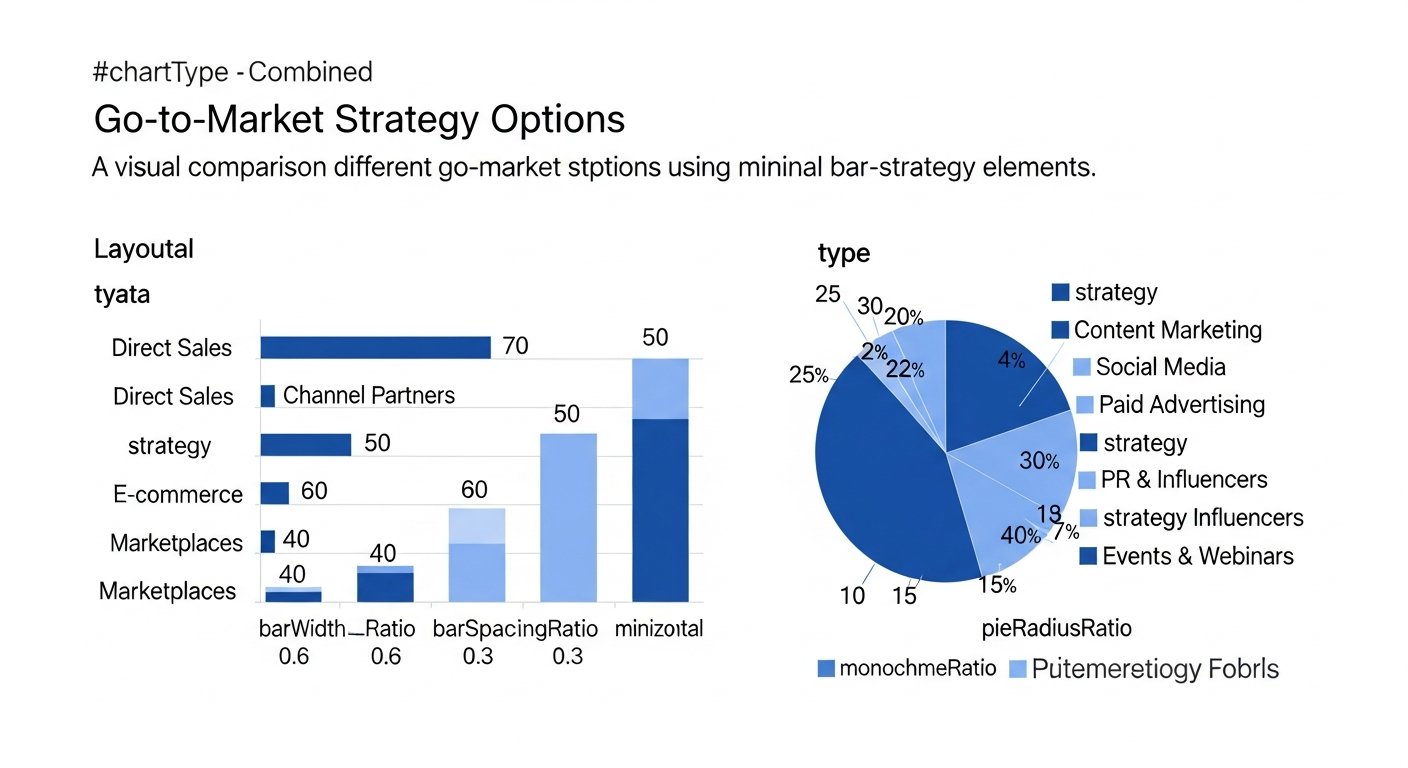
Even the most meticulously planned go-to-market strategies can encounter roadblocks. Being aware of common pitfalls allows you to anticipate challenges and build resilience into your plan. Avoiding these mistakes is as crucial as executing the right strategies.
Lack of Market Validation
One of the most frequent and fatal errors for startups is building a product without adequately validating the market need. This often stems from an overreliance on assumptions rather than data. Launching a product that nobody wants, or that doesn’t solve a significant enough problem, is a direct path to failure.
- How to Avoid: Before significant development, conduct extensive primary research (customer interviews, surveys, focus groups) and secondary research. Build a Minimum Viable Product (MVP) and get it into the hands of early adopters to gather real-world feedback. Validate your core hypotheses about customer pain points and willingness to pay.
Misaligned Internal Teams
A GTM strategy requires synchronized efforts across product, sales, marketing, and customer success teams. If these departments operate in silos, with conflicting goals or a lack of shared understanding of the target customer and value proposition, the GTM execution will suffer.
- How to Avoid: Foster cross-functional collaboration from the outset. Involve representatives from all key departments in the GTM planning process. Establish clear communication channels, shared goals, and unified KPIs. Regular all-hands meetings and joint training sessions can help ensure everyone is on the same page and working towards a common objective.
Ineffective Messaging
Even a brilliant product will struggle if its value is not clearly and compellingly communicated. Generic, jargon-filled, or inconsistent messaging can confuse potential customers, fail to differentiate your offering, and ultimately lead to low conversion rates.
- How to Avoid: Invest time in crafting a crisp, benefit-driven value proposition. Develop concise messaging that speaks directly to your target audience’s pain points and aspirations. Test your messaging with real customers. Ensure all sales and marketing materials are consistent and clearly articulate your unique selling points. Avoid industry jargon where possible, or clearly define it.
Neglecting Post-Launch Optimization
Some companies view the GTM strategy as a one-time launch event, failing to realize it’s an ongoing process of optimization. The market is dynamic, and a strategy that works today may need adjustments tomorrow. Neglecting to monitor performance, gather feedback, and
What is a Go-to-Market Strategy? Your Essential Blueprint for Startup Success in 2026
Affiliate disclosure: This article may contain affiliate links. Recommendations are independent and editorially driven.
In the fiercely competitive landscape of tech startups and digital marketing, launching a new product, service, or even an entirely new company without a clear, defined path is akin to setting sail without a compass. This is where a robust go-to-market (GTM) strategy becomes not just beneficial, but absolutely indispensable. A well-crafted GTM strategy serves as your comprehensive action plan, outlining precisely how you will bring your offering to market, acquire customers, and achieve sustainable growth.
For SaaS companies, particularly those focused on marketing automation and startup growth, understanding and meticulously executing a GTM strategy is paramount. It’s the difference between a product that languishes in obscurity and one that rapidly gains traction, market share, and investor confidence. This guide will meticulously break down what a go-to-market strategy entails, why it’s critical for every startup, and how to construct one that propels your business forward in 2026 and beyond.
Defining the Go-to-Market Strategy: More Than Just a Launch Plan
At its core, a go-to-market strategy is a detailed plan that specifies how a company will introduce new products or services to the market. It’s a roadmap that guides every aspect of your market entry, from identifying your target audience to choosing the right sales channels and crafting compelling marketing messages. While it certainly encompasses launch activities, a GTM strategy is far broader, touching upon long-term market penetration and expansion.
Think of it as your strategic playbook for driving demand and achieving a competitive advantage. It integrates market research, sales, marketing, and customer support functions to ensure a cohesive and impactful market presence. Without it, even the most innovative products can struggle to find their audience or articulate their value effectively, leading to missed opportunities and wasted resources.
More than Just a Launch Plan: A Holistic Approach
Many mistakenly equate a GTM strategy with a product launch plan. While a launch plan details the tactical steps for a specific release, a GTM strategy is a much more comprehensive and enduring framework. It considers the entire customer journey, from awareness to advocacy, and outlines how the organization will consistently deliver value and achieve its business objectives. A GTM strategy provides the strategic foundation upon which multiple product launches and iterations can be built, ensuring consistency and alignment with overarching business goals.
It’s not just about getting the product out the door; it’s about establishing a sustainable pathway for market success, continuous customer acquisition, and long-term revenue generation. It ensures that every department—from product development to sales and marketing—is working in concert towards a common, well-defined market objective.
The Core Components of a GTM Strategy
A robust go-to-market strategy is built upon several interconnected pillars, each essential for its overall success. These components work synergistically to create a powerful framework for market entry and expansion:
- Target Market & Customer Segmentation: Who are you trying to reach? What are their demographics, psychographics, needs, and pain points? This involves detailed persona development.
- Value Proposition & Messaging: What unique problem does your product solve, and how is it better than existing solutions? How will you communicate this value clearly and compellingly?
- Pricing Strategy: How will you price your product to attract your target customers, cover costs, and generate profit, while remaining competitive?
- Distribution & Sales Channels: How will your product reach your customers? Will it be direct sales, online, channel partners, or a combination?
- Marketing & Demand Generation: How will you create awareness and generate interest? This includes content marketing, SEO, paid ads, social media, PR, etc.
- Customer Experience & Retention: How will you support customers post-purchase to ensure satisfaction, reduce churn, and foster loyalty?
- Success Metrics & KPIs: How will you measure the effectiveness of your GTM strategy and track progress towards your goals?
Each component requires careful consideration and alignment to ensure a cohesive and effective strategy that resonates with the target market and drives desired business outcomes.
Why Every Startup Needs a Robust GTM
For a startup, a GTM strategy is not a luxury; it’s a necessity for survival and growth. The reasons are multifaceted and compelling:
- Reduces Risk: By thoroughly researching the market and planning every step, a GTM strategy minimizes the unknowns and reduces the risk of market rejection, poor sales, or competitive setbacks.
- Optimizes Resource Allocation: Startups often operate with limited budgets and personnel. A GTM strategy ensures that every dollar and every hour is invested strategically, targeting the most promising opportunities.
- Accelerates Time to Market: A clear plan prevents indecision and delays, allowing your product to reach customers faster and capitalize on market windows.
- Ensures Internal Alignment: It creates a shared understanding across all departments—product, sales, marketing, customer success—about the target customer, value proposition, and how success will be measured.
- Drives Revenue Growth: By defining how you will acquire and retain customers, a GTM strategy directly impacts your ability to generate revenue and achieve profitability.
- Provides a Competitive Edge: A well-executed GTM strategy can differentiate your offering, allowing you to stand out in a crowded market and capture market share effectively.
- Facilitates Scalability: A clear GTM provides a repeatable framework for expanding into new markets or launching new features, making future growth more predictable and manageable.
In essence, a go-to-market strategy is the bedrock upon which successful startup growth is built. It transforms an idea into a tangible, marketable solution that resonates with customers and generates sustainable business value.
The Strategic Pillars of a Go-to-Market Plan
Building an effective go-to-market strategy requires a deep dive into several critical strategic pillars. Each pillar acts as a foundation, and together they form a comprehensive framework for market success. Understanding and meticulously defining each of these will ensure your strategy is robust and adaptable.
Target Audience and Market Segmentation
Before you can sell anything, you must know precisely who you’re selling to. This pillar involves rigorous market research to identify your ideal customer profiles (ICPs) and segment your broader market. Segmentation allows you to tailor your messaging, product features, and sales efforts to specific groups of customers who are most likely to convert and find value in your offering.
- Demographics: Age, gender, income, location, industry, company size.
- Psychographics: Interests, values, attitudes, lifestyles, purchasing habits.
- Behavioral Data: How they interact with similar products, their digital footprint, purchase history.
- Pain Points & Needs: What specific problems are they facing that your product can solve? What are their unmet needs?
Creating detailed buyer personas—fictional representations of your ideal customers—is an invaluable exercise here. These personas humanize your target audience, making it easier for your sales, marketing, and product teams to understand and empathize with them. Without a clear understanding of your target market, all subsequent GTM efforts will be unfocused and inefficient.
Value Proposition and Messaging
Once you know who you’re talking to, you need to know what to say. Your value proposition is the promise of value you deliver to customers. It clearly articulates the benefits your product offers, how it solves specific customer pain points, and why it is superior to alternatives. A strong value proposition should be:
- Relevant: Addresses a specific need or problem of the target audience.
- Unique: Differentiates your product from competitors.
- Credible: Backed by evidence or demonstrable benefits.
- Quantifiable: Wherever possible, express benefits in measurable terms.
From this core value proposition, you’ll develop your core messaging. This includes headlines, taglines, elevator pitches, and detailed descriptions that communicate your value proposition across all marketing and sales touchpoints. Consistency in messaging is crucial to build brand recognition and trust.
Pricing Strategy
Determining the right price for your product is a delicate balance. It must be high enough to cover your costs and generate profit, yet low enough to be attractive to your target customers and competitive within the market. Common pricing strategies include:
- Cost-Plus Pricing: Adding a markup to your production costs.
- Value-Based Pricing: Pricing based on the perceived value to the customer, often used by SaaS companies.
- Competitor-Based Pricing: Setting prices relative to what competitors charge.
- Freemium Model: Offering a basic version for free and charging for advanced features (common in SaaS).
- Tiered Pricing: Offering different levels of service or features at varying price points.
Your pricing strategy should align with your overall GTM goals, reflect your value proposition, and consider your target customers’ willingness to pay. It’s often an iterative process, requiring experimentation and adjustments based on market feedback and competitive dynamics.
Distribution and Sales Channels
This pillar defines how your product will actually reach your customers. The choice of channels directly impacts your reach, cost structure, and customer experience. Common channels include:
- Direct Sales: An internal sales team sells directly to customers. Ideal for high-value, complex products.
- Online/E-commerce: Selling through your own website or an online marketplace.
- Channel Partners: Utilizing resellers, distributors, affiliates, or strategic partners to extend your reach.
- Product-Led Growth (PLG): The product itself acts as the primary acquisition and engagement channel, often through a free trial or freemium model.
For SaaS startups, a combination of channels is often effective. For example, a freemium model might attract individual users (PLG), while a direct sales team handles enterprise clients. The chosen channels must align with your target audience’s preferred purchasing methods and your product’s complexity.
Marketing and Demand Generation
This is where you execute your messaging and reach your target audience to create awareness and generate leads. A robust marketing strategy utilizes a mix of channels and tactics:
- Content Marketing: Blogs, whitepapers, case studies, videos that educate and attract your audience.
- Search Engine Optimization (SEO): Optimizing your website and content to rank high in search engine results.
- Paid Advertising: Google Ads, social media ads (e.g., LinkedIn, Facebook), display ads.
- Social Media Marketing: Engaging with your audience on platforms relevant to them.
- Public Relations (PR): Earning media coverage and building brand credibility.
- Email Marketing: Nurturing leads and retaining customers through targeted email campaigns.
- Events & Webinars: Engaging directly with potential customers and industry leaders.
The specific mix of tactics will depend on your target audience, budget, and the nature of your product. The goal is to build a funnel that attracts, engages, converts, and delights customers effectively, often leveraging marketing automation platforms to streamline these efforts.
Customer Experience and Retention
A successful GTM doesn’t end with a sale; it extends into ensuring customer satisfaction and fostering long-term relationships. This pillar focuses on post-purchase activities that drive retention and advocacy:
- Onboarding: Guiding new users through your product to ensure they quickly find value.
- Customer Support: Providing accessible and effective help to resolve issues.
- Customer Success: Proactively helping customers achieve their desired outcomes with your product. This is crucial for SaaS businesses.
- Community Building: Creating spaces for users to connect, share knowledge, and feel part of a broader ecosystem.
- Feedback Mechanisms: Regularly soliciting and acting on customer feedback to improve the product and service.
High customer retention rates significantly contribute to long-term profitability, especially for businesses with recurring revenue models. Neglecting this pillar can lead to high churn, undermining all your acquisition efforts.
[INLINE IMAGE 1: place after second H2 | alt=”what is a go-to-market strategy concept illustration”]
Building Your Go-to-Market Strategy: A Step-by-Step Guide
Developing a comprehensive go-to-market strategy can seem daunting, but by breaking it down into manageable steps, you can systematically construct a plan that drives success. This guide provides a practical framework for building your GTM strategy from the ground up.
Step 1: Market Research and Target Customer Identification
The journey begins with deep understanding. Invest heavily in market research to gain insights into the industry landscape, competitive environment, and, most importantly, your potential customers. This step is foundational and informs every subsequent decision.
- Define Your Total Addressable Market (TAM): Understand the overall size of the market you are entering.
- Conduct Competitive Analysis: Identify direct and indirect competitors. Analyze their products, pricing, marketing strategies, strengths, and weaknesses. What are they doing well, and where are their gaps?
- Identify Your Ideal Customer Profile (ICP): For B2B, this includes company size, industry, revenue, geographical location, and technological stack. For B2C, it’s demographics, psychographics, and lifestyle.
- Develop Buyer Personas: Create detailed profiles of the key decision-makers or users within your ICP. Include their roles, responsibilities, daily challenges, goals, motivations, and how they currently solve problems your product addresses. What content do they consume? Where do they hang out online?
- Uncover Pain Points and Needs: Through surveys, interviews, and focus groups, identify the specific problems your target customers face that your product can alleviate. Understand their current solutions and their frustrations with them.
Thorough research at this stage prevents costly missteps later on. It ensures your product is genuinely solving a market need for a clearly defined audience.
Step 2: Defining Your Unique Value Proposition
With a clear understanding of your market and customer, articulate what makes your product unique and valuable. This is your promise to the customer and the core of your messaging.
- Identify Core Benefits: List all the advantages and positive outcomes your product provides.
- Connect Benefits to Pain Points: Show how each benefit directly addresses a specific pain point identified in Step 1.
- Highlight Differentiation: What do you do better or differently than your competitors? Is it speed, cost, ease of use, a unique feature, or superior customer support?
- Craft a Clear Value Statement: Condense this into a concise, compelling statement that clearly communicates: “For [target customer], who [has this problem], our product [is this type of solution] that [provides this unique benefit/solves this problem], unlike [competitor], which [has this differentiating feature].”
- Develop Core Messaging: Translate your value proposition into various forms: a short elevator pitch, website copy, sales scripts, and marketing campaign themes. Ensure consistency across all touchpoints.
Your value proposition must be compelling, easy to understand, and resonate deeply with your target audience. It is the engine of your marketing and sales efforts.
Step 3: Crafting Your Pricing Model
Your pricing strategy is a critical lever for growth and profitability. It should reflect your value, cover costs, and be attractive to your target market.
- Analyze Competitor Pricing: Understand how competitors price similar offerings. This provides a benchmark but shouldn’t be your sole determinant.
- Assess Production/Service Costs: Calculate the cost of developing, delivering, and supporting your product. For SaaS, this includes development, infrastructure, customer support, and sales/marketing CAC.
- Determine Perceived Value: How much value does your customer derive from your solution? This is particularly important for value-based pricing. What are they currently paying to solve this problem (even if it’s an indirect cost)?
- Choose a Pricing Model: Consider options like subscription-based (per user, per feature tier, usage-based), freemium, one-time purchase, or enterprise licensing. For SaaS, recurring revenue models are standard.
- Define Price Tiers/Packages: Offer options that cater to different segments of your target market (e.g., basic, professional, enterprise). This can expand your appeal and allow for upsell opportunities.
- Consider Introductory Offers: Decide if you’ll use free trials, introductory discounts, or onboarding support to encourage initial adoption.
Pricing is not static; it should be reviewed and adjusted as your product evolves, market conditions change, and you gather more data on customer willingness to pay.
Step 4: Selecting Your Sales and Distribution Channels
This step determines how your product will get into the hands of your customers. The channels you choose should align with your target audience’s purchasing habits and your product’s characteristics.
- Direct Sales: If your product is high-value, complex, or requires significant customization and relationship building (e.g., enterprise SaaS), a direct sales force might be necessary. This often involves account executives, sales development representatives (SDRs), and solution engineers.
- Online Channels: For products that are self-serve, standardized, or have a lower price point, an e-commerce website, app store, or online marketplace can be highly effective. This channel often leverages inbound marketing and marketing automation.
- Channel Partners: Resellers, distributors, value-added resellers (VARs), system integrators, or strategic alliances can extend your reach, especially into new geographies or niche markets. This requires developing partner programs and incentives.
- Product-Led Growth (PLG): For SaaS, allowing users to experience the product’s value firsthand through a free trial, freemium model, or self-service onboarding. The product itself becomes a significant acquisition and retention tool.
- Hybrid Approaches: Many companies use a combination. For example, PLG to acquire SMBs and direct sales for enterprise clients.
Evaluate the cost-effectiveness, scalability, and suitability of each channel for your specific product and customer segment. Each channel will require different operational capabilities and resource investments.
Step 5: Developing Your Marketing and Sales Playbook
This is where you operationalize your GTM strategy by detailing the tactics for generating demand and converting leads. It’s the execution blueprint for your GTM efforts.
- Marketing Strategy:
- Content Strategy: What types of content (blogs, videos, whitepapers) will you create to attract and educate your audience at different stages of the buyer journey?
- SEO Strategy: Keyword research, on-page optimization, link building to improve organic search visibility.
- Paid Media Strategy: Plan for PPC (Google Ads), social media advertising, display advertising, including budget allocation and targeting.
- Social Media Engagement: Which platforms, content formats, and engagement strategies will you use?
- Email Marketing: Define lead nurturing sequences, customer communication, and lifecycle emails.
- PR & Influencer Relations: Strategies for media outreach and working with industry influencers.
- Webinars & Events: Plan for virtual or in-person events to engage with prospects.
- Sales Strategy:
- Lead Generation & Qualification: How will leads be generated (marketing, referrals) and qualified (MQLs, SQLs)?
- Sales Process: Define the stages of your sales pipeline, from prospecting to closing.
- Sales Enablement: Provide sales teams with the necessary tools, content (pitch decks, case studies), and training.
- CRM Implementation: Utilize a CRM system to manage leads, track opportunities, and report on sales performance.
- Onboarding & Handover: Clearly define the process for transitioning new customers from sales to customer success.
Each tactic should have clear objectives, target audiences, and mechanisms for tracking performance. The playbook ensures that marketing and sales teams are tightly integrated and working towards shared goals.
Step 6: Setting KPIs and Measuring Success
A GTM strategy is not a one-time activity; it’s a dynamic process that requires continuous monitoring and optimization. Defining clear Key Performance Indicators (KPIs) is essential for tracking progress and making informed adjustments.
- Define Goals: What do you aim to achieve? (e.g., X number of users, Y revenue, Z market share within the first 6/12 months).
- Establish Key Metrics (KPIs):
- Awareness: Website traffic, social media reach, brand mentions.
- Acquisition: Number of leads, qualified leads, customer acquisition cost (CAC), conversion rates.
- Activation: Product usage, onboarding completion rates (for SaaS).
- Revenue: Monthly Recurring Revenue (MRR), Annual Recurring Revenue (ARR), Average Revenue Per User (ARPU).
- Retention: Churn rate, customer lifetime value (CLTV).
- Efficiency: Sales cycle length, sales velocity.
- Implement Tracking Tools: Utilize analytics platforms (Google Analytics), CRM systems, marketing automation platforms, and product analytics tools to gather data.
- Set Up Reporting: Establish regular reporting cadences (weekly, monthly, quarterly) to review performance against KPIs.
- Conduct A/B Testing: Continuously test different messages, channels, and pricing models to identify what works best.
- Gather Feedback: Actively collect feedback from customers, sales teams, and customer success teams to identify areas for improvement.
Regular analysis and iteration are crucial. Your GTM strategy should be a living document, evolving based on real-world data and market feedback. This iterative approach allows you to optimize your strategy over time, ensuring maximum impact and efficiency.
Types of Go-to-Market Strategies: Exploring Different Approaches
While the core components of a GTM strategy remain consistent, the emphasis and approach can vary significantly depending on the product, market, and business model. Understanding different types of GTM strategies helps you choose the most appropriate path for your venture.
Product-Led Growth (PLG)
PLG is a strategy where the product itself drives customer acquisition, conversion, and expansion. Users can often start using a free version, a free trial, or a limited feature set, experiencing value firsthand before committing to a purchase. The focus is on creating an intuitive, self-service product that delights users and encourages organic adoption.
- Primary Driver: Product experience, user onboarding.
- Best For: SaaS products with a clear, immediate value proposition that are easy to use and share (e.g., collaboration tools, project management software, design tools).
- Key Metrics: Activation rate, retention rate, conversion from free to paid, product qualified leads (PQLs), viral coefficient.
- Examples: Slack, Zoom, Dropbox, Calendly.
PLG is highly efficient as it reduces reliance on extensive sales and marketing teams, leading to lower customer acquisition costs (CAC). However, it demands a robust product, seamless user experience, and a strong onboarding flow.
Sales-Led Growth (SLG)
In a sales-led strategy, a dedicated sales team is the primary driver of customer acquisition. This approach typically involves direct outreach, relationship building, and consultative selling, especially for high-value, complex, or enterprise-level solutions that require significant explanation and customization.
- Primary Driver: Direct sales team, personal relationships.
- Best For: Enterprise software, complex B2B solutions, high-contract value products, products requiring extensive integration or customization.
- Key Metrics: Sales cycle length, average deal size, win rates, sales qualified leads (SQLs), sales team productivity.
- Examples: Salesforce (for enterprise deals), Oracle, SAP.
SLG strategies often have higher CAC but can secure larger, more valuable contracts. They require a highly skilled sales force and well-defined sales processes.
Marketing-Led Growth (MLG)
MLG focuses on generating leads and driving conversions primarily through marketing activities, such as content marketing, SEO, paid advertising, and inbound marketing. The goal is to attract, educate, and nurture prospects until they are ready to engage with sales or make a self-service purchase.
- Primary Driver: Marketing campaigns, content, brand building.
- Best For: Products with a broad appeal, often lower-to-mid price points, where educating the market and building brand awareness is key. Can be B2B or B2C.
- Key Metrics: Website traffic, lead volume, marketing qualified leads (MQLs), conversion rates (website to lead, lead to customer), marketing ROI.
- Examples: HubSpot, Mailchimp (in their early days), many e-commerce brands.
MLG can scale effectively and efficiently, but it requires a deep understanding of digital marketing channels, audience segmentation, and content strategy.
Channel-Led Growth (CLG)
A channel-led strategy leverages external partners, such as resellers, distributors, system integrators, or affiliates, to sell and distribute the product. These partners extend the company’s reach into new markets or customer segments that would be difficult or costly to access directly.
- Primary Driver: Partner network, channel sales.
- Best For: Companies looking for rapid expansion, those targeting fragmented markets, or needing local expertise and established relationships.
- Key Metrics: Number of partners, partner-generated revenue, partner sales velocity, partner program effectiveness.
- Examples: Microsoft (reseller network), Dell (channel partners), many hardware and software vendors.
CLG requires robust partner programs, training, and support to ensure partners are effective and aligned with the company’s goals.
Hybrid Approaches
In reality, most successful companies employ a hybrid approach, combining elements of several GTM strategies. For example, a SaaS company might use a freemium model (PLG) to acquire small businesses and individual users, while simultaneously employing a direct sales team (SLG) to target enterprise clients. They might also run extensive content marketing campaigns (MLG) to generate top-of-funnel awareness. The optimal hybrid strategy evolves as the company grows and adapts to market dynamics.
The choice of strategy or combination thereof depends heavily on your product’s complexity, pricing, target audience, and competitive landscape. A thoughtful evaluation of these factors will guide you toward the most effective GTM path.
[INLINE IMAGE 2: place after fourth H2 | alt=”what is a go-to-market strategy comparison illustration”]
Comparison of Go-to-Market Strategies
| Strategy Type | Primary Driver | Best For | Key Metrics | Example |
|---|---|---|---|---|
| Product-Led Growth (PLG) | Product experience, self-service onboarding | SaaS with immediate value, easy adoption, strong virality | Activation rate, free-to-paid conversion, PQLs, churn | Slack, Zoom |
| Sales-Led Growth (SLG) | Direct sales team, personal relationships | High-value, complex B2B solutions, enterprise deals | Sales cycle length, average deal size, win rates, SQLs | Salesforce (Enterprise), SAP |
| Marketing-Led Growth (MLG) | Marketing campaigns, content, brand building | Broad appeal products, educational focus, lower-to-mid price points | Website traffic, lead volume, MQLs, marketing ROI | HubSpot, Mailchimp |
| Channel-Led Growth (CLG) | Partner network (resellers, distributors) | Rapid expansion, fragmented markets, local expertise needed | Partner-generated revenue, partner sales velocity, number of partners | Microsoft (via resellers) |
| Hybrid Strategy | Combination of drivers | Most growing businesses, diverse target segments, evolving market | Combination of relevant metrics from above | Many modern SaaS companies |
GTM for SaaS Startups: Unique Considerations
SaaS (Software as a Service) companies face particular challenges and opportunities when developing their go-to-market strategies. The recurring revenue model, emphasis on customer lifetime value (CLTV), and the nature of software delivery introduce unique considerations that must be integrated into the GTM plan.
The Importance of Trial and Onboarding
For many SaaS products, the customer’s initial experience is paramount. Free trials, freemium models, and guided onboarding are not just features but crucial elements of the GTM strategy, especially for startup growth seeking a product-led approach. Effective trial and onboarding processes aim to:
- Demonstrate Value Quickly: Help users experience the “aha! moment” as fast as possible.
- Reduce Friction: Make the initial setup and first use simple and intuitive.
- Educate Users: Guide them through key features and workflows.
- Gather Feedback: Use the trial period to understand user behavior and pain points.
A poor onboarding experience can lead to high churn, even if the product is excellent. Investing in robust onboarding flows, in-app tutorials, and accessible support during the trial phase is critical for conversion and long-term retention.
Leveraging Recurring Revenue Models
SaaS thrives on recurring revenue. Your GTM strategy must be built around acquiring customers who will not only subscribe but continue to subscribe for extended periods. This shifts the focus from one-time sales to building long-term relationships.
- Focus on CLTV: Design your acquisition efforts with customer lifetime value in mind. High CLTV justifies higher customer acquisition costs (CAC) and allows for more aggressive marketing.
- Subscription Tiers: Develop pricing tiers that cater to different needs and allow for upsells as customers grow.
- Expansion Revenue: Plan for strategies to increase revenue from existing customers through upsells (more features/users), cross-sells (additional products), or usage-based pricing.
Understanding the economics of recurring revenue is central to a successful SaaS GTM. It means prioritizing customer satisfaction and continuous value delivery post-purchase.
Churn Prevention and Customer Success
Churn—the rate at which customers cancel their subscriptions—is the nemesis of SaaS growth. A GTM strategy for SaaS must therefore integrate strong churn prevention mechanisms and a proactive customer success strategy. This includes:
- Proactive Support: Identifying at-risk customers and intervening before they decide to churn.
- Continuous Engagement: Keeping customers engaged with new features, best practices, and community events.
- Feedback Loops: Systematically collecting and acting on customer feedback to improve the product and service.
- Dedicated Customer Success Managers (CSMs): For higher-value accounts, CSMs play a vital role in ensuring customers achieve their desired outcomes.
A GTM strategy that ignores customer retention is fundamentally flawed for a SaaS business. High retention amplifies the impact of every new customer acquired.
Scaling Through Automation and Integrations
SaaS companies often aim for rapid, scalable growth. Automation and seamless integrations are key enablers for this. Your GTM strategy should consider:
- Marketing Automation: Leveraging platforms to automate lead nurturing, email campaigns, and personalization.
- Sales Automation: Using tools to streamline CRM updates, outreach, and proposal generation.
- Product Integrations: Ensuring your product integrates with other popular tools in your customers’ ecosystems (e.g., CRM, project management, communication apps). This makes your product “stickier” and enhances its value.
- Self-Service Resources: Building comprehensive knowledge bases, FAQs, and forums to empower users to find answers independently, reducing support load and improving scalability.
By automating repetitive tasks and enabling seamless data flow, SaaS companies can scale their GTM efforts more efficiently and focus human resources on high-value interactions.
Common Pitfalls and How to Avoid Them
Even the most meticulously planned go-to-market strategies can encounter roadblocks. Being aware of common pitfalls allows you to anticipate challenges and build resilience into your plan. Avoiding these mistakes is as crucial as executing the right strategies.
Lack of Market Validation
One of the most frequent and fatal errors for startups is building a product without adequately validating the market need. This often stems from an overreliance on assumptions rather than data. Launching a product that nobody wants, or that doesn’t solve a significant enough problem, is a direct path to failure.
- How to Avoid: Before significant development, conduct extensive primary research (customer interviews, surveys, focus groups) and secondary research. Build a Minimum Viable Product (MVP) and get it into the hands of early adopters to gather real-world feedback. Validate your core hypotheses about customer pain points and willingness to pay.
Misaligned Internal Teams
A GTM strategy requires synchronized efforts across product, sales, marketing, and customer success teams. If these departments operate in silos, with conflicting goals or a lack of shared understanding of the target customer and value proposition, the GTM execution will suffer.
- How to Avoid: Foster cross-functional collaboration from the outset. Involve representatives from all key departments in the GTM planning process. Establish clear communication channels, shared goals, and unified KPIs. Regular all-hands meetings and joint training sessions can help ensure everyone is on the same page and working towards a common objective.
Ineffective Messaging
Even a brilliant product will struggle if its value is not clearly and compellingly communicated. Generic, jargon-filled, or inconsistent messaging can confuse potential customers, fail to differentiate your offering, and ultimately lead to low conversion rates.
- How to Avoid: Invest time in crafting a crisp, benefit-driven value proposition. Develop concise messaging that speaks directly to your target audience’s pain points and aspirations. Test your messaging with real customers. Ensure all sales and marketing materials are consistent and clearly articulate your unique selling points. Avoid industry jargon where possible, or clearly define it.
Neglecting Post-Launch Optimization
Some companies view the GTM strategy as a one-time launch event, failing to realize it’s an ongoing process of optimization. The market is dynamic, and a strategy that works today may need adjustments tomorrow. Neglecting to monitor performance, gather feedback, and