
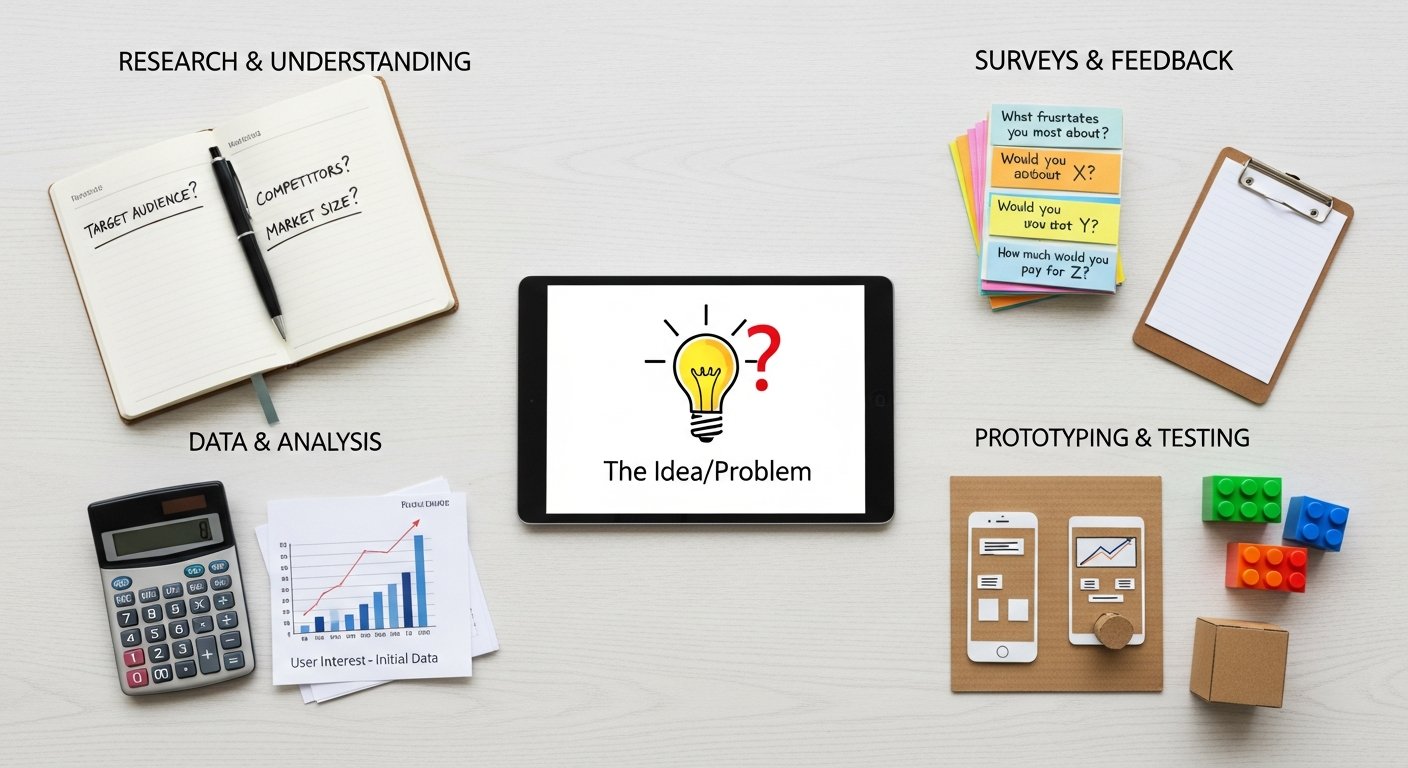
Startup Market Validation: The Ultimate Guide to De-Risking Your Tech Venture
Affiliate disclosure: This article may contain affiliate links. Recommendations are independent and editorially driven.
In the high-stakes world of tech startups, innovation is often lauded as the ultimate differentiator. Yet, history is replete with brilliant ideas that failed to gain traction, not because of a lack of ingenuity, but because they neglected a foundational step: rigorous startup market validation. For any aspiring entrepreneur, especially within the fast-evolving SaaS, digital marketing, and automation sectors, understanding and executing robust market validation isn’t merely a suggestion—it’s an absolute imperative for survival and sustained growth.
At eamped, we understand that building a successful tech company isn’t just about coding an incredible product or designing a slick user interface. It’s fundamentally about solving a real problem for real people, in a way they are willing to pay for. This core principle underpins every facet of startup growth, from initial concept to scaling strategies, and it all begins with market validation.
This comprehensive guide will demystify the process of startup market validation. We’ll explore why it’s so critical, walk you through proven methodologies, highlight common pitfalls, and equip you with the tools and mindsets necessary to validate your ideas effectively. Whether you’re a first-time founder, a seasoned entrepreneur launching a new venture, or part of an existing team looking to refine your approach, this article provides actionable insights to minimize risk, optimize your product-market fit, and pave the way for successful startup growth in 2026 and beyond.
What is Startup Market Validation and Why is it Critical?
Startup market validation is the systematic process of testing and confirming that there is a genuine demand for your product or service within a specific target market. It’s about gathering concrete evidence that customers not only need what you’re building but are also willing to use it, adopt it, and ultimately pay for it. This isn’t just about market research; it’s about active engagement with potential customers to prove that your proposed solution addresses a significant pain point or offers a compelling value proposition that truly resonates.
The High Stakes of Startup Failure
The startup landscape is notoriously challenging, with a significant percentage of new ventures failing within their first few years. While many factors contribute to failure, a staggering number of startups succumb because they build something nobody wants or needs. According to various reports, the lack of market need or product-market fit consistently ranks as one of the top reasons for startup demise. Launching a product without proper validation is akin to building a bridge without checking if there’s a river to cross, or an endpoint on the other side. It’s an expensive gamble based on assumptions rather than data.
- Reduced Risk: Validation helps identify flaws, unmet needs, or competitive gaps early, allowing you to pivot or refine your offering before investing substantial time and capital.
- Optimized Resource Allocation: By confirming demand, you ensure that your development, marketing, and sales efforts are directed towards a viable opportunity, preventing wasted resources on a product destined for failure.
- Enhanced Product-Market Fit: The ultimate goal of validation is to achieve product-market fit, where your product perfectly satisfies a strong market demand. This is the cornerstone of scalable growth.
- Increased Investor Confidence: Demonstrated market validation provides tangible proof to potential investors that your idea has traction, significantly improving your chances of securing funding.
- Faster Time to Market (with the right product): While validation takes time, it shortens the overall journey by preventing costly reworks or complete overhauls post-launch, ensuring you launch a product that actually resonates.
Moving Beyond Assumptions
Every startup idea begins with a hypothesis: “We believe [this problem] exists for [these people], and our solution [this product/service] will solve it.” Market validation is the scientific method applied to entrepreneurship, designed to rigorously test these hypotheses. It forces founders to step outside their own echo chambers and confront external realities. Without it, decisions are based on personal biases, anecdotal evidence, or wishful thinking, all of which are unreliable foundations for a sustainable business.
Effective market validation transforms vague ideas into actionable insights. It helps you understand who your true customers are, what problems they genuinely face, how they currently address those problems (or don’t), and what they would be willing to pay for a better solution. This deep understanding is invaluable, not just for product development, but for crafting compelling marketing messages, defining a robust go-to-market strategy, and building a business that can truly scale.
[INLINE IMAGE 1: place after second H2 | alt=”startup market validation concept illustration”]
Key Principles of Effective Market Validation
Successful market validation isn’t a checklist; it’s a mindset rooted in a few core principles. Adopting these principles ensures your validation efforts are meaningful, iterative, and ultimately lead to a stronger, more resilient startup.
Customer Empathy as a Foundation
At the heart of market validation lies profound customer empathy. It’s not enough to simply ask customers what they want; you need to understand their world, their struggles, their aspirations, and their behaviors. This involves listening actively, observing, and diving deep into their context. When you approach validation with genuine curiosity about your potential customers’ lives, you uncover nuanced insights that superficial surveys often miss. Empathy helps you interpret their feedback correctly, differentiate between stated needs and actual behaviors, and identify unspoken pain points they might not even articulate directly.
- Go Beyond Demographics: Understand psychographics, motivations, and daily routines.
- Listen More, Talk Less: Focus on open-ended questions and allow customers to share their stories.
- Observe Behavior: Sometimes what people do is more telling than what they say.
The Iterative Nature of Validation
Market validation is rarely a one-and-done event. It’s an ongoing, iterative process that evolves with your product and market. You start with broad hypotheses, conduct initial tests, learn from the results, refine your hypotheses, and then test again. This continuous loop of “build-measure-learn,” popularized by the Lean Startup methodology, allows you to progressively de-risk your venture, adapt to changing market dynamics, and gradually converge on product-market fit. Each iteration provides clearer signals, helping you make informed decisions about pivoting, persevering, or even pausing.
Think of it as a funnel:
- Broad problem hypothesis.
- Specific solution hypothesis.
- MVP testing for functionality and desirability.
- Beta testing for usability and bug fixes.
- Post-launch feedback for continuous improvement.
Each stage builds on the validation of the previous one, ensuring you’re always learning and adapting.
Data Over Intuition
While intuition can spark an idea, it cannot sustain a business. Effective market validation prioritizes objective data and evidence over gut feelings or personal opinions. This means defining clear metrics for success for each validation experiment, collecting data systematically, and analyzing it without bias. Whether it’s conversion rates from a landing page, engagement metrics from an MVP, or patterns in customer interview transcripts, the data should drive your conclusions. Remember that “data” isn’t exclusively quantitative; qualitative data from interviews can be equally powerful when analyzed systematically to identify recurring themes and insights.
- Define Success Metrics: What will constitute “validation” for this specific experiment?
- Systematic Data Collection: Use consistent methods and tools.
- Unbiased Analysis: Look for patterns, both confirming and disconfirming your hypotheses.
- Document Everything: Maintain a clear record of your experiments, hypotheses, results, and learnings.
The Market Validation Process: A Step-by-Step Guide
Embarking on market validation can seem daunting, but breaking it down into manageable steps makes the journey clear and actionable. This structured approach helps ensure you cover all critical aspects and gather the most insightful data.
Step 1: Define Your Hypothesis and Target Market
Before you validate, you need to know what you’re validating. Start by clearly articulating your core problem-solution hypothesis. This usually takes the form of: “We believe [a specific group of people] experiences [a particular problem], and our [proposed solution] will effectively solve this problem, creating [a unique value proposition].”
- Problem Hypothesis: What specific pain point or unmet need are you addressing? Be precise.
- Solution Hypothesis: How will your product or service address this problem? What are its key features or benefits?
- Value Proposition Hypothesis: What unique value will you deliver compared to existing alternatives (or doing nothing)?
Simultaneously, define your initial target market. Who are these specific people? What are their demographics, psychographics, behaviors, and existing solutions (or lack thereof)? The narrower your initial focus, the easier it will be to reach them and gather meaningful feedback.
Step 2: Identify Your Ideal Customer Profile (ICP) and Buyer Persona
Moving beyond a broad target market, develop an Ideal Customer Profile (ICP) and detailed buyer personas. An ICP describes the type of company or organization that would benefit most from your solution (crucial for B2B SaaS). Buyer personas are semi-fictional representations of your ideal customers within those companies, based on market research and real data about your existing or potential customers.
- ICP (for B2B): Industry, company size, revenue, geographic location, technological stack, key challenges they face.
- Buyer Persona (for B2B/B2C): Name, job title, role, responsibilities, goals, pain points, motivations, daily activities, information sources, demographic details, behavioral patterns, objections they might have.
Creating these detailed profiles helps you pinpoint exactly who to speak with during validation, ensuring your feedback comes from people who genuinely represent your intended users and buyers.
Step 3: Choose Your Validation Methods
With your hypotheses and personas in hand, select the most appropriate validation methods. This choice often depends on the stage of your product, the type of problem you’re solving, and the resources available. A blend of qualitative and quantitative methods is often most effective for comprehensive validation. We’ll dive into specific methods in the next section, but common choices include customer interviews, surveys, landing page tests, MVP development, and competitor analysis.
Consider the “fidelity” of your validation. Early on, low-fidelity methods (interviews, surveys with mock-ups) are sufficient. As you progress, higher-fidelity methods (working prototypes, beta tests) become necessary.
Step 4: Execute, Gather Data, and Analyze
This is where you put your chosen methods into action. Conduct interviews, distribute surveys, launch your landing page, or release your MVP to your target audience. The key here is systematic execution and meticulous data collection.
- Document Everything: Keep detailed notes from interviews, track survey responses, monitor analytics from landing pages and MVPs.
- Remain Objective: Actively seek disconfirming evidence. Don’t just look for data that supports your initial idea; look for data that challenges it. This is crucial to avoid confirmation bias.
- Analyze Systematically: Look for patterns, trends, recurring themes, and anomalies in your data. Use tools for quantitative analysis and thematic analysis for qualitative data. What are people consistently saying? What actions are they consistently taking?
The goal is to move from raw data to actionable insights.
Learn how market research informs your SaaS GTM strategy.
Step 5: Iterate, Pivot, or Persevere
Based on your analysis, you’ll arrive at one of three conclusions:
- Persevere: Your hypothesis is validated. The market genuinely needs your solution, and you’ve identified a clear path forward. You can move confidently to the next stage of development or scaling.
- Pivot: Your core hypothesis was partially or completely invalidated, but you’ve gained new insights that suggest a different problem, target market, or solution approach. A pivot means making a significant change to your strategy based on learned truths.
- Iterate: Your hypothesis shows promise, but there are areas for improvement or refinement. You might need to adjust features, messaging, pricing, or target segments and then re-validate. This is the most common outcome and reflects the continuous learning cycle of startups.
This step is critical for avoiding the sunk cost fallacy. Be prepared to change course significantly if the data demands it. The most successful startups are often those most willing to adapt based on early market feedback.
[INLINE IMAGE 2: place after fourth H2 | alt=”startup market validation comparison illustration”]
Essential Market Validation Methodologies and Tools
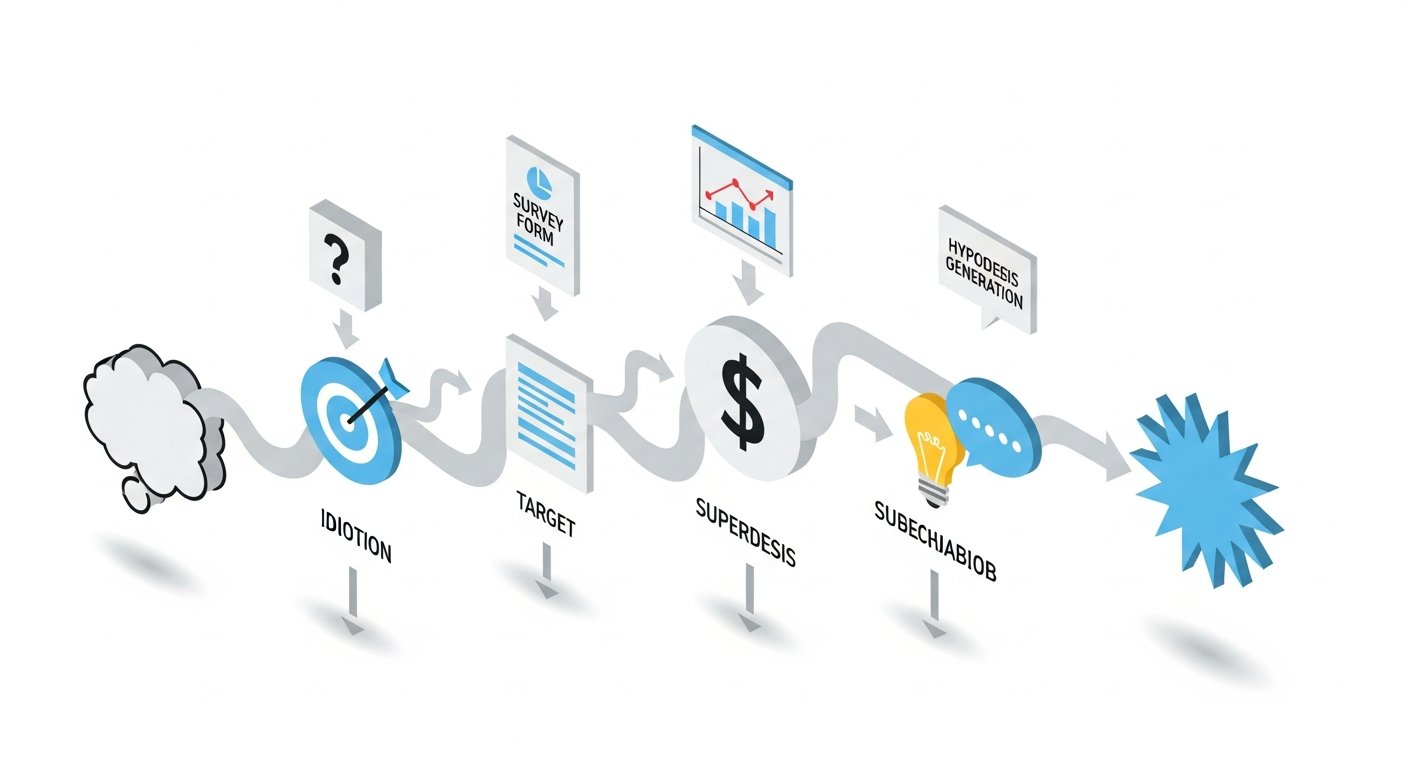
A diverse toolkit of methodologies can provide a comprehensive view of your market. Combining qualitative methods (understanding “why”) with quantitative methods (understanding “what” and “how much”) typically yields the richest insights.
Qualitative Methods: Uncovering Deep Insights
These methods focus on understanding the underlying motivations, challenges, and experiences of your potential customers. They are best for early-stage validation, hypothesis generation, and gaining deep empathy.
Customer Interviews
Perhaps the most powerful and accessible validation method, customer interviews involve direct, one-on-one conversations with individuals from your target audience. The goal is not to “sell” your idea, but to understand their pain points, current solutions, workflows, and desires related to the problem you’re trying to solve.
- How to Conduct: Prepare a semi-structured interview guide with open-ended questions. Focus on past behaviors and experiences (“Tell me about a time when…”) rather than hypothetical future actions (“Would you use this?”). Listen actively and avoid leading questions.
- Key Learnings: Uncover unspoken needs, identify critical pain points, validate problem existence, understand customer language, test value propositions, identify early adopters.
- Tools: Zoom, Google Meet, Calendly (for scheduling), Notion/Evernote (for notes), Otter.ai (for transcription).
Focus Groups
While often criticized for potential groupthink, focus groups can still be valuable for specific types of feedback, particularly around messaging, branding, or initial reactions to concepts. They bring together a small group of target customers (6-10) for a moderated discussion.
- How to Conduct: A skilled moderator is essential to encourage open discussion and prevent dominance by a few participants. Present concepts, prototypes, or questions and observe group dynamics and consensus/dissent.
- Key Learnings: Gauge collective reactions, explore diverse perspectives, test communication strategies, identify common objections or desires.
- Tools: Dedicated focus group facilities, online platforms (e.g., Respondent.io for recruitment, Zoom Breakout Rooms).
Quantitative Methods: Validating at Scale
These methods provide statistical data and generalizable insights across a larger population. They are ideal for validating hypotheses derived from qualitative research, measuring market size, and testing specific features or pricing models.
Surveys and Questionnaires
Surveys allow you to gather structured data from a larger audience, making them excellent for testing assumptions, understanding preferences, and quantifying market interest. Design them carefully to avoid bias and gather actionable data.
- How to Conduct: Keep surveys concise, use clear and unbiased language, and include a mix of multiple-choice, rating scales, and optional open-ended questions. Distribute through relevant channels (email lists, social media groups, industry forums).
- Key Learnings: Quantify problem prevalence, measure demand for specific features, assess pricing sensitivity, identify demographic trends, validate market size estimates.
- Tools: SurveyMonkey, Typeform, Google Forms, Qualtrics.
Competitor Analysis
Understanding your competition isn’t just about knowing who else is in the market; it’s about learning from their successes and failures, identifying gaps, and validating the existence of a market need. Analyzing competitors can reveal established customer bases, common pain points, and pricing strategies that the market has already accepted.
- How to Conduct: Identify direct and indirect competitors. Analyze their websites, product offerings, pricing, marketing messages, customer reviews, social media presence, and funding rounds.
- Key Learnings: Identify market white spaces, understand industry best practices, refine your unique selling proposition (USP), benchmark feature sets, gauge market receptiveness.
- Tools: SEMrush, Ahrefs, SimilarWeb, Crunchbase, customer review sites (G2, Capterra, Trustpilot).
Experimental Methods: Testing Demand Directly
These methods involve creating a controlled experiment to see how potential customers react to a simplified version of your offering, generating direct behavioral data.
Minimum Viable Product (MVP)
An MVP is the smallest possible version of your product that delivers core value, solves a key problem for early adopters, and allows you to learn from real user interaction with minimal development effort. It’s about functionality, not perfection.
- How to Conduct: Identify the absolute essential features for your core value proposition. Build only those features. Launch to a small group of early adopters, gather feedback (usage data, bug reports, feature requests), and iterate rapidly.
- Key Learnings: Validate product desirability, test core functionality, identify critical bugs, understand actual user behavior, measure engagement and retention, discover essential future features.
- Tools: Low-code/no-code platforms (Bubble, Webflow), agile development tools (Jira, Trello), analytics (Google Analytics, Mixpanel, Amplitude), user feedback tools (Hotjar, Intercom).
Landing Page Tests and Pre-orders
Even before building an MVP, you can test demand by creating a simple landing page that describes your proposed product/service and its benefits. The call to action could be to sign up for a waiting list, download a demo, or even place a pre-order.
- How to Conduct: Design a compelling landing page with clear messaging, benefits, and a strong call to action. Drive traffic to the page using targeted ads (Google Ads, social media). Measure conversion rates (sign-ups, clicks on “pre-order,” etc.).
- Key Learnings: Validate interest level, test messaging and value propositions, identify effective ad channels, gauge price sensitivity (if pre-order option is available), build an early email list.
- Tools: Unbounce, Leadpages, Webflow, Instapage, Google Analytics, Facebook Ads Manager.
A/B Testing
A/B testing involves comparing two versions of a webpage, app feature, email, or ad to see which one performs better. It’s a powerful way to optimize elements based on empirical data, whether for user acquisition, conversion rates, or engagement.
- How to Conduct: Create two versions (A and B) of an element, with only one variable changed (e.g., headline, CTA button color, image). Split your audience and show each group a different version. Measure the performance of each version against a defined metric.
- Key Learnings: Optimize messaging, design elements, pricing models, and feature prioritization based on real user preferences and behavior.
- Tools: Google Optimize (soon to be replaced by Google Analytics 4 features), Optimizely, VWO, Unbounce.
Leveraging Digital Tools for Validation
The digital age offers an unprecedented array of tools to facilitate market validation, from social listening platforms to advanced analytics. These tools can help you gather data more efficiently, analyze it more deeply, and reach broader audiences. From monitoring online conversations about your problem space to analyzing competitor advertising, digital tools accelerate the validation cycle.
Explore essential digital marketing strategies for startups.
Common Pitfalls and How to Avoid Them in Market Validation
While market validation is crucial, it’s not without its traps. Many startups stumble not by skipping validation entirely, but by conducting it poorly. Being aware of these common pitfalls can help you navigate the process more effectively.
Falling Prey to Confirmation Bias
This is perhaps the most insidious pitfall. Confirmation bias is the tendency to seek out, interpret, and remember information in a way that confirms one’s preconceptions. As a founder, you’re deeply invested in your idea, making it easy to selectively hear feedback that supports your vision and dismiss anything that contradicts it.
- How to Avoid: Actively seek disconfirming evidence. Ask open-ended questions designed to uncover problems with your solution or alternative solutions. Assign someone else (or a neutral third party) to conduct interviews or analyze data. Create a “disconfirming evidence” column in your notes. Embrace negative feedback as an opportunity to learn, not a personal attack.
The “Build It and They Will Come” Fallacy
This mindset assumes that if you create an amazing product, customers will magically appear. It stems from a belief that the product’s inherent quality is enough, without considering market need, distribution, or competitive landscape. This leads to building elaborate products in isolation, only to find no market once launched.
- How to Avoid: Prioritize market validation *before* significant development. Adopt a Lean Startup approach, focusing on building minimal solutions to test hypotheses quickly. Remember that product excellence must be paired with genuine market demand and effective go-to-market strategies.
Insufficient Data and Analysis
Some startups conduct a few interviews or send out a single survey and then declare their idea validated. This “tick-box” approach often leads to flawed conclusions due to small sample sizes, poorly designed questions, or superficial analysis. Equally dangerous is collecting a mountain of data but failing to extract meaningful insights from it.
- How to Avoid: Define clear metrics and sample sizes for each validation activity. Use a variety of methods (qualitative and quantitative) to cross-reference findings. Invest time in rigorous data analysis, looking for patterns, anomalies, and underlying themes. Don’t be afraid to revisit your data if initial conclusions feel shaky.
Ignoring Negative Feedback
It’s natural to want positive affirmation, but negative feedback is often the most valuable. It highlights critical flaws, unmet needs, or areas of confusion that, if addressed, can transform your product. Dismissing negative feedback as “misunderstanding” or “not our target customer” is a missed opportunity.
- How to Avoid: Create a structured way to capture and categorize all feedback, both positive and negative. Analyze negative feedback for common themes and prioritize addressing recurring issues. View negative feedback as data points that tell you where to improve or where your hypothesis is wrong.
Validation Paralysis
On the flip side of insufficient validation is “validation paralysis,” where a startup spends so much time validating, researching, and refining that it never actually launches. While thoroughness is good, perfectionism can lead to missed market windows and opportunities, especially in fast-moving tech sectors.
- How to Avoid: Set clear goals and timelines for each validation phase. Understand that validation is iterative; you don’t need all the answers before taking the next step. Focus on getting “just enough” validated learning to make a confident decision, then move forward. Embrace the idea of “validated learning” rather than “perfect knowledge.”
Integrating Market Validation with Your Go-to-Market Strategy
Market validation isn’t a pre-launch activity you complete and then forget. Its insights are foundational to building and executing an effective go-to-market (GTM) strategy, ensuring that your product reaches the right customers through the right channels with the right message.
Product-Market Fit as a GTM Prerequisite
The core output of effective market validation is achieving product-market fit (PMF). Marc Andreessen famously defined PMF as “being in a good market with a product that can satisfy that market.” Without PMF, no amount of marketing spend or sales effort will lead to sustainable growth. Your GTM strategy should only be fully fleshed out once you have strong signals of PMF, as validation provides the evidence that your product genuinely solves a problem for a definable market segment.
- Validation informs PMF: Market validation activities (interviews, surveys, MVP tests) directly help you identify and confirm the existence of a strong market need that your product can satisfy.
- PMF unlocks GTM: Once PMF is established, your GTM strategy can focus on scaling access to that already validated solution, rather than trying to force an unvalidated product onto an uninterested market.
Refining Messaging and Positioning
The language your customers use, the problems they articulate, and the benefits they value, all emerge vividly from market validation. These insights are invaluable for crafting compelling marketing messages and positioning statements that truly resonate. Instead of guessing what to say, you’re using their own words and concerns.
- Customer-Centric Language: Use the exact vocabulary and phrases discovered during interviews to describe problems and solutions.
- Highlighting Key Benefits: Focus on the specific advantages your target audience valued most during validation, rather than a generic list of features.
- Competitive Differentiation: Validation helps identify gaps in competitor offerings and unique aspects of your solution that truly matter to customers, forming the basis of your unique selling proposition (USP).
Optimizing Distribution Channels
Understanding where your ideal customers spend their time, what publications they read, and which online communities they frequent is a direct outcome of thorough validation. This knowledge informs your channel strategy, ensuring you invest in the most effective routes to market.
- Where do they discover solutions? Social media, industry blogs, search engines, word-of-mouth, specific forums?
- How do they prefer to engage? Direct sales, self-service, partner channels?
- Which channels yield the highest ROI? Early validation experiments (e.g., landing page tests with various ad sources) can provide initial data on channel effectiveness.
Pricing Strategy Validation
Pricing is often one of the trickiest aspects for startups. Market validation provides crucial data points to inform your pricing strategy, moving beyond arbitrary numbers to a value-based approach that customers are willing to accept.
- Value Perception: How much value do customers perceive your solution delivers, relative to their pain point or existing alternatives?
- Price Sensitivity: Through surveys, interviews, or even tiered MVP offerings, you can gauge willingness to pay and identify price elasticity.
- Competitive Benchmarking: Validation helps you understand competitor pricing and whether there’s room to price higher (due to superior value) or if you need to be competitive.
By treating market validation as an ongoing dialogue with your market, you continuously feed critical intelligence into your GTM strategy, making it more agile, efficient, and ultimately, more successful.
Case Studies: Lessons from Successful and Unsuccessful Validation
Examining real-world examples can illuminate the power and pitfalls of market validation. While specific company names may be omitted for generality, the principles remain impactful.
Case Study 1: A SaaS Platform Validating a Niche Feature
A B2B SaaS company specializing in project management was considering adding an AI-powered automated reporting feature. Instead of immediately building it, they embarked on a focused market validation effort.
- Validation Process:
- Hypothesis: Project managers in medium-sized enterprises struggle with manual report generation, and an AI feature would save them significant time.
- Interviews: They conducted 20 in-depth interviews with current customers and non-customers. They asked about their reporting workflows, time spent, frustrations, and ideal solutions.
- Concierge MVP: For a small group of interested users, they offered “manual” AI-generated reports (a human analyst would generate the report based on their data using AI tools behind the scenes). This tested the *value* of the output without building the complex backend.
- Landing Page Test: They launched a landing page describing the potential AI feature, asking for email sign-ups for early access. They A/B tested different value propositions.
- Outcome:
- Interviews revealed that while time-saving was a factor, the primary pain point was accuracy and consistency across reports, which manual processes often lacked.
- The Concierge MVP showed high satisfaction with the consistent, data-driven reports, even though it wasn’t fully automated yet.
- The landing page test showed strong interest, especially when messaging emphasized “accurate, consistent, and insightful reports” over just “time-saving.”
- Lesson Learned: The validation process led them to refine the feature’s core value proposition from mere automation to ensuring data integrity and consistency, which was a deeper pain point. This allowed them to build a feature that truly resonated and generated strong early adoption upon full release.
Case Study 2: An E-commerce Startup Pivoting Based on Early Feedback
An e-commerce startup aimed to sell artisanal, high-end home decor direct-to-consumer. They invested heavily in branding and product photography before any significant validation.
- Initial Approach:
- Developed a beautiful website showcasing unique, expensive products.
- Launched with a significant ad spend.
- Observed very low conversion rates despite decent traffic.
- Validation Process (Post-Launch):
- Customer Surveys/Interviews: Reached out to website visitors and a few early purchasers.
- Heatmapping & Session Recording: Used tools to see how users interacted with the site.
- Competitor Analysis: Looked at successful e-commerce players in adjacent markets.
- Outcome:
- Surveys revealed that while people appreciated the aesthetic, the price point was perceived as too high for an unknown brand, and they preferred to see such items in person before buying.
- Heatmaps showed users often dropped off at the product page after seeing the price.
- Competitor analysis showed that successful high-end decor brands often started with physical pop-ups or partnerships before scaling online.
- The startup realized their initial hypothesis—that online luxury decor would sell itself—was flawed for a new brand.
- Lesson Learned: They pivoted significantly. Instead of solely direct-to-consumer online, they pursued a B2B strategy, partnering with interior designers and boutique hotels, who appreciated the unique products and could justify the price to their clients. They also developed a lower-priced, introductory product line for direct online sales to build brand trust first. This pivot, driven by validation, saved the company from collapse.
Case Study 3: The Cost of Skipping Validation
A promising tech startup in the education sector raised a substantial seed round based on an innovative concept for a personalized learning AI. The founders were passionate and technically brilliant, and they assumed the clear value of AI would automatically attract users.
- Approach:
- Minimal upfront market validation (a few casual conversations).
- Focused almost entirely on building out a complex, feature-rich AI platform for over 18 months.
- Launched a fully-fledged product with a significant marketing budget.
- Outcome:
- Despite advanced technology, adoption was sluggish.
- User feedback (post-launch) indicated that while the tech was impressive, it didn’t align with the actual workflows or existing tools teachers and students were already using. The “personalized learning” was too rigid, and didn’t offer enough flexibility for varied teaching styles.
- The initial problem identified (lack of personalized learning) was real, but their *solution* was not what the market needed or wanted in its current form.
- The high development costs combined with low user acquisition led to rapid cash burn and ultimately, the closure of the startup.
- Lesson Learned: Building first and validating later is a recipe for disaster. Even the most technologically advanced solution will fail if it doesn’t meet genuine user needs in a practical, integrated way. Comprehensive validation could have identified these misalignment issues early, allowing for pivots before massive resource investment.
Future Trends in Startup Market Validation
The landscape of market validation is continuously evolving, driven by advancements in data science, artificial intelligence, and the increasing interconnectedness of digital ecosystems. Startups in 2026 and beyond can leverage these trends to make validation more efficient, precise, and integrated into their operations.
AI-Powered Market Research
Artificial intelligence is revolutionizing how startups gather and analyze market data. AI tools can rapidly sift through vast amounts of unstructured data—customer reviews, social media conversations, forum discussions, news articles, and competitor analysis—to identify trends, sentiment, and unmet needs at a scale impossible for humans.
- Sentiment Analysis: AI can analyze thousands of customer comments to gauge sentiment around existing products or problem areas, identifying specific pain points and desires.
- Predictive Analytics: AI algorithms can forecast market demand, identify emerging trends, and even predict potential customer churn by analyzing behavioral patterns.
- Automated Data Synthesis: AI can summarize interview transcripts, survey responses, and competitor reports, extracting key themes and insights, reducing manual analysis time.
This allows for more rapid hypothesis generation and targeted data collection, making validation cycles much faster.
Predictive Analytics and Behavioral Data
Beyond traditional surveys and interviews, startups are increasingly tapping into behavioral data to understand what users *do* rather than just what they *say*. Predictive analytics, powered by machine learning, uses historical data to forecast future outcomes, allowing for proactive validation and refinement.
- User Behavior Tracking: Tools that track clicks, scrolls, time on page, and conversion funnels provide rich data on what users find engaging or confusing within an MVP or landing page.
- A/B Testing with Advanced AI: Next-generation A/B testing tools use AI to dynamically optimize variations, identifying winning elements faster and with greater statistical confidence.
- Early Churn Prediction: By analyzing initial user interactions, predictive models can flag users at risk of churning, allowing startups to intervene or adapt their onboarding/product features based on these early warning signs.
This shift from purely declarative data to observational, behavioral data offers a more objective lens into market preferences.
The Rise of Continuous Validation
The concept of “set it and forget it” validation is becoming obsolete. Modern startups are embracing continuous validation, treating it as an integral, ongoing part of their product development and growth strategy. This means maintaining open feedback loops, constantly monitoring market shifts, and regularly re-validating assumptions, even after achieving initial product-market fit.
- Integrated Feedback Channels:
Startup Market Validation: The Ultimate Guide to De-Risking Your Tech Venture
Affiliate disclosure: This article may contain affiliate links. Recommendations are independent and editorially driven.
In the high-stakes world of tech startups, innovation is often lauded as the ultimate differentiator. Yet, history is replete with brilliant ideas that failed to gain traction, not because of a lack of ingenuity, but because they neglected a foundational step: rigorous startup market validation. For any aspiring entrepreneur, especially within the fast-evolving SaaS, digital marketing, and automation sectors, understanding and executing robust market validation isn’t merely a suggestion—it’s an absolute imperative for survival and sustained growth.
At eamped, we understand that building a successful tech company isn’t just about coding an incredible product or designing a slick user interface. It’s fundamentally about solving a real problem for real people, in a way they are willing to pay for. This core principle underpins every facet of startup growth, from initial concept to scaling strategies, and it all begins with market validation.
This comprehensive guide will demystify the process of startup market validation. We’ll explore why it’s so critical, walk you through proven methodologies, highlight common pitfalls, and equip you with the tools and mindsets necessary to validate your ideas effectively. Whether you’re a first-time founder, a seasoned entrepreneur launching a new venture, or part of an existing team looking to refine your approach, this article provides actionable insights to minimize risk, optimize your product-market fit, and pave the way for successful startup growth in 2026 and beyond.
What is Startup Market Validation and Why is it Critical?
Startup market validation is the systematic process of testing and confirming that there is a genuine demand for your product or service within a specific target market. It’s about gathering concrete evidence that customers not only need what you’re building but are also willing to use it, adopt it, and ultimately pay for it. This isn’t just about market research; it’s about active engagement with potential customers to prove that your proposed solution addresses a significant pain point or offers a compelling value proposition that truly resonates.
The High Stakes of Startup Failure
The startup landscape is notoriously challenging, with a significant percentage of new ventures failing within their first few years. While many factors contribute to failure, a staggering number of startups succumb because they build something nobody wants or needs. According to various reports, the lack of market need or product-market fit consistently ranks as one of the top reasons for startup demise. Launching a product without proper validation is akin to building a bridge without checking if there’s a river to cross, or an endpoint on the other side. It’s an expensive gamble based on assumptions rather than data.
- Reduced Risk: Validation helps identify flaws, unmet needs, or competitive gaps early, allowing you to pivot or refine your offering before investing substantial time and capital.
- Optimized Resource Allocation: By confirming demand, you ensure that your development, marketing, and sales efforts are directed towards a viable opportunity, preventing wasted resources on a product destined for failure.
- Enhanced Product-Market Fit: The ultimate goal of validation is to achieve product-market fit, where your product perfectly satisfies a strong market demand. This is the cornerstone of scalable growth.
- Increased Investor Confidence: Demonstrated market validation provides tangible proof to potential investors that your idea has traction, significantly improving your chances of securing funding.
- Faster Time to Market (with the right product): While validation takes time, it shortens the overall journey by preventing costly reworks or complete overhauls post-launch, ensuring you launch a product that actually resonates.
Moving Beyond Assumptions
Every startup idea begins with a hypothesis: “We believe [this problem] exists for [these people], and our solution [this product/service] will solve it.” Market validation is the scientific method applied to entrepreneurship, designed to rigorously test these hypotheses. It forces founders to step outside their own echo chambers and confront external realities. Without it, decisions are based on personal biases, anecdotal evidence, or wishful thinking, all of which are unreliable foundations for a sustainable business.
Effective market validation transforms vague ideas into actionable insights. It helps you understand who your true customers are, what problems they genuinely face, how they currently address those problems (or don’t), and what they would be willing to pay for a better solution. This deep understanding is invaluable, not just for product development, but for crafting compelling marketing messages, defining a robust go-to-market strategy, and building a business that can truly scale.
[INLINE IMAGE 1: place after second H2 | alt=”startup market validation concept illustration”]
Key Principles of Effective Market Validation
Successful market validation isn’t a checklist; it’s a mindset rooted in a few core principles. Adopting these principles ensures your validation efforts are meaningful, iterative, and ultimately lead to a stronger, more resilient startup.
Customer Empathy as a Foundation
At the heart of market validation lies profound customer empathy. It’s not enough to simply ask customers what they want; you need to understand their world, their struggles, their aspirations, and their behaviors. This involves listening actively, observing, and diving deep into their context. When you approach validation with genuine curiosity about your potential customers’ lives, you uncover nuanced insights that superficial surveys often miss. Empathy helps you interpret their feedback correctly, differentiate between stated needs and actual behaviors, and identify unspoken pain points they might not even articulate directly.
- Go Beyond Demographics: Understand psychographics, motivations, and daily routines.
- Listen More, Talk Less: Focus on open-ended questions and allow customers to share their stories.
- Observe Behavior: Sometimes what people do is more telling than what they say.
The Iterative Nature of Validation
Market validation is rarely a one-and-done event. It’s an ongoing, iterative process that evolves with your product and market. You start with broad hypotheses, conduct initial tests, learn from the results, refine your hypotheses, and then test again. This continuous loop of “build-measure-learn,” popularized by the Lean Startup methodology, allows you to progressively de-risk your venture, adapt to changing market dynamics, and gradually converge on product-market fit. Each iteration provides clearer signals, helping you make informed decisions about pivoting, persevering, or even pausing.
Think of it as a funnel:
- Broad problem hypothesis.
- Specific solution hypothesis.
- MVP testing for functionality and desirability.
- Beta testing for usability and bug fixes.
- Post-launch feedback for continuous improvement.
Each stage builds on the validation of the previous one, ensuring you’re always learning and adapting.
Data Over Intuition
While intuition can spark an idea, it cannot sustain a business. Effective market validation prioritizes objective data and evidence over gut feelings or personal opinions. This means defining clear metrics for success for each validation experiment, collecting data systematically, and analyzing it without bias. Whether it’s conversion rates from a landing page, engagement metrics from an MVP, or patterns in customer interview transcripts, the data should drive your conclusions. Remember that “data” isn’t exclusively quantitative; qualitative data from interviews can be equally powerful when analyzed systematically to identify recurring themes and insights.
- Define Success Metrics: What will constitute “validation” for this specific experiment?
- Systematic Data Collection: Use consistent methods and tools.
- Unbiased Analysis: Look for patterns, both confirming and disconfirming your hypotheses.
- Document Everything: Maintain a clear record of your experiments, hypotheses, results, and learnings.
The Market Validation Process: A Step-by-Step Guide
Embarking on market validation can seem daunting, but breaking it down into manageable steps makes the journey clear and actionable. This structured approach helps ensure you cover all critical aspects and gather the most insightful data.
Step 1: Define Your Hypothesis and Target Market
Before you validate, you need to know what you’re validating. Start by clearly articulating your core problem-solution hypothesis. This usually takes the form of: “We believe [a specific group of people] experiences [a particular problem], and our [proposed solution] will effectively solve this problem, creating [a unique value proposition].”
- Problem Hypothesis: What specific pain point or unmet need are you addressing? Be precise.
- Solution Hypothesis: How will your product or service address this problem? What are its key features or benefits?
- Value Proposition Hypothesis: What unique value will you deliver compared to existing alternatives (or doing nothing)?
Simultaneously, define your initial target market. Who are these specific people? What are their demographics, psychographics, behaviors, and existing solutions (or lack thereof)? The narrower your initial focus, the easier it will be to reach them and gather meaningful feedback.
Step 2: Identify Your Ideal Customer Profile (ICP) and Buyer Persona
Moving beyond a broad target market, develop an Ideal Customer Profile (ICP) and detailed buyer personas. An ICP describes the type of company or organization that would benefit most from your solution (crucial for B2B SaaS). Buyer personas are semi-fictional representations of your ideal customers within those companies, based on market research and real data about your existing or potential customers.
- ICP (for B2B): Industry, company size, revenue, geographic location, technological stack, key challenges they face.
- Buyer Persona (for B2B/B2C): Name, job title, role, responsibilities, goals, pain points, motivations, daily activities, information sources, demographic details, behavioral patterns, objections they might have.
Creating these detailed profiles helps you pinpoint exactly who to speak with during validation, ensuring your feedback comes from people who genuinely represent your intended users and buyers.
Step 3: Choose Your Validation Methods
With your hypotheses and personas in hand, select the most appropriate validation methods. This choice often depends on the stage of your product, the type of problem you’re solving, and the resources available. A blend of qualitative and quantitative methods is often most effective for comprehensive validation. We’ll dive into specific methods in the next section, but common choices include customer interviews, surveys, landing page tests, MVP development, and competitor analysis.
Consider the “fidelity” of your validation. Early on, low-fidelity methods (interviews, surveys with mock-ups) are sufficient. As you progress, higher-fidelity methods (working prototypes, beta tests) become necessary.
Step 4: Execute, Gather Data, and Analyze
This is where you put your chosen methods into action. Conduct interviews, distribute surveys, launch your landing page, or release your MVP to your target audience. The key here is systematic execution and meticulous data collection.
- Document Everything: Keep detailed notes from interviews, track survey responses, monitor analytics from landing pages and MVPs.
- Remain Objective: Actively seek disconfirming evidence. Don’t just look for data that supports your initial idea; look for data that challenges it. This is crucial to avoid confirmation bias.
- Analyze Systematically: Look for patterns, trends, recurring themes, and anomalies in your data. Use tools for quantitative analysis and thematic analysis for qualitative data. What are people consistently saying? What actions are they consistently taking?
The goal is to move from raw data to actionable insights.
Learn how market research informs your SaaS GTM strategy.
Step 5: Iterate, Pivot, or Persevere
Based on your analysis, you’ll arrive at one of three conclusions:
- Persevere: Your hypothesis is validated. The market genuinely needs your solution, and you’ve identified a clear path forward. You can move confidently to the next stage of development or scaling.
- Pivot: Your core hypothesis was partially or completely invalidated, but you’ve gained new insights that suggest a different problem, target market, or solution approach. A pivot means making a significant change to your strategy based on learned truths.
- Iterate: Your hypothesis shows promise, but there are areas for improvement or refinement. You might need to adjust features, messaging, pricing, or target segments and then re-validate. This is the most common outcome and reflects the continuous learning cycle of startups.
This step is critical for avoiding the sunk cost fallacy. Be prepared to change course significantly if the data demands it. The most successful startups are often those most willing to adapt based on early market feedback.
[INLINE IMAGE 2: place after fourth H2 | alt=”startup market validation comparison illustration”]
Essential Market Validation Methodologies and Tools
A diverse toolkit of methodologies can provide a comprehensive view of your market. Combining qualitative methods (understanding “why”) with quantitative methods (understanding “what” and “how much”) typically yields the richest insights.
Qualitative Methods: Uncovering Deep Insights
These methods focus on understanding the underlying motivations, challenges, and experiences of your potential customers. They are best for early-stage validation, hypothesis generation, and gaining deep empathy.
Customer Interviews
Perhaps the most powerful and accessible validation method, customer interviews involve direct, one-on-one conversations with individuals from your target audience. The goal is not to “sell” your idea, but to understand their pain points, current solutions, workflows, and desires related to the problem you’re trying to solve.
- How to Conduct: Prepare a semi-structured interview guide with open-ended questions. Focus on past behaviors and experiences (“Tell me about a time when…”) rather than hypothetical future actions (“Would you use this?”). Listen actively and avoid leading questions.
- Key Learnings: Uncover unspoken needs, identify critical pain points, validate problem existence, understand customer language, test value propositions, identify early adopters.
- Tools: Zoom, Google Meet, Calendly (for scheduling), Notion/Evernote (for notes), Otter.ai (for transcription).
Focus Groups
While often criticized for potential groupthink, focus groups can still be valuable for specific types of feedback, particularly around messaging, branding, or initial reactions to concepts. They bring together a small group of target customers (6-10) for a moderated discussion.
- How to Conduct: A skilled moderator is essential to encourage open discussion and prevent dominance by a few participants. Present concepts, prototypes, or questions and observe group dynamics and consensus/dissent.
- Key Learnings: Gauge collective reactions, explore diverse perspectives, test communication strategies, identify common objections or desires.
- Tools: Dedicated focus group facilities, online platforms (e.g., Respondent.io for recruitment, Zoom Breakout Rooms).
Quantitative Methods: Validating at Scale
These methods provide statistical data and generalizable insights across a larger population. They are ideal for validating hypotheses derived from qualitative research, measuring market size, and testing specific features or pricing models.
Surveys and Questionnaires
Surveys allow you to gather structured data from a larger audience, making them excellent for testing assumptions, understanding preferences, and quantifying market interest. Design them carefully to avoid bias and gather actionable data.
- How to Conduct: Keep surveys concise, use clear and unbiased language, and include a mix of multiple-choice, rating scales, and optional open-ended questions. Distribute through relevant channels (email lists, social media groups, industry forums).
- Key Learnings: Quantify problem prevalence, measure demand for specific features, assess pricing sensitivity, identify demographic trends, validate market size estimates.
- Tools: SurveyMonkey, Typeform, Google Forms, Qualtrics.
Competitor Analysis
Understanding your competition isn’t just about knowing who else is in the market; it’s about learning from their successes and failures, identifying gaps, and validating the existence of a market need. Analyzing competitors can reveal established customer bases, common pain points, and pricing strategies that the market has already accepted.
- How to Conduct: Identify direct and indirect competitors. Analyze their websites, product offerings, pricing, marketing messages, customer reviews, social media presence, and funding rounds.
- Key Learnings: Identify market white spaces, understand industry best practices, refine your unique selling proposition (USP), benchmark feature sets, gauge market receptiveness.
- Tools: SEMrush, Ahrefs, SimilarWeb, Crunchbase, customer review sites (G2, Capterra, Trustpilot).
Experimental Methods: Testing Demand Directly
These methods involve creating a controlled experiment to see how potential customers react to a simplified version of your offering, generating direct behavioral data.
Minimum Viable Product (MVP)
An MVP is the smallest possible version of your product that delivers core value, solves a key problem for early adopters, and allows you to learn from real user interaction with minimal development effort. It’s about functionality, not perfection.
- How to Conduct: Identify the absolute essential features for your core value proposition. Build only those features. Launch to a small group of early adopters, gather feedback (usage data, bug reports, feature requests), and iterate rapidly.
- Key Learnings: Validate product desirability, test core functionality, identify critical bugs, understand actual user behavior, measure engagement and retention, discover essential future features.
- Tools: Low-code/no-code platforms (Bubble, Webflow), agile development tools (Jira, Trello), analytics (Google Analytics, Mixpanel, Amplitude), user feedback tools (Hotjar, Intercom).
Landing Page Tests and Pre-orders
Even before building an MVP, you can test demand by creating a simple landing page that describes your proposed product/service and its benefits. The call to action could be to sign up for a waiting list, download a demo, or even place a pre-order.
- How to Conduct: Design a compelling landing page with clear messaging, benefits, and a strong call to action. Drive traffic to the page using targeted ads (Google Ads, social media). Measure conversion rates (sign-ups, clicks on “pre-order,” etc.).
- Key Learnings: Validate interest level, test messaging and value propositions, identify effective ad channels, gauge price sensitivity (if pre-order option is available), build an early email list.
- Tools: Unbounce, Leadpages, Webflow, Instapage, Google Analytics, Facebook Ads Manager.
A/B Testing
A/B testing involves comparing two versions of a webpage, app feature, email, or ad to see which one performs better. It’s a powerful way to optimize elements based on empirical data, whether for user acquisition, conversion rates, or engagement.
- How to Conduct: Create two versions (A and B) of an element, with only one variable changed (e.g., headline, CTA button color, image). Split your audience and show each group a different version. Measure the performance of each version against a defined metric.
- Key Learnings: Optimize messaging, design elements, pricing models, and feature prioritization based on real user preferences and behavior.
- Tools: Google Optimize (soon to be replaced by Google Analytics 4 features), Optimizely, VWO, Unbounce.
Leveraging Digital Tools for Validation
The digital age offers an unprecedented array of tools to facilitate market validation, from social listening platforms to advanced analytics. These tools can help you gather data more efficiently, analyze it more deeply, and reach broader audiences. From monitoring online conversations about your problem space to analyzing competitor advertising, digital tools accelerate the validation cycle.
Explore essential digital marketing strategies for startups.
Common Pitfalls and How to Avoid Them in Market Validation
While market validation is crucial, it’s not without its traps. Many startups stumble not by skipping validation entirely, but by conducting it poorly. Being aware of these common pitfalls can help you navigate the process more effectively.
Falling Prey to Confirmation Bias
This is perhaps the most insidious pitfall. Confirmation bias is the tendency to seek out, interpret, and remember information in a way that confirms one’s preconceptions. As a founder, you’re deeply invested in your idea, making it easy to selectively hear feedback that supports your vision and dismiss anything that contradicts it.
- How to Avoid: Actively seek disconfirming evidence. Ask open-ended questions designed to uncover problems with your solution or alternative solutions. Assign someone else (or a neutral third party) to conduct interviews or analyze data. Create a “disconfirming evidence” column in your notes. Embrace negative feedback as an opportunity to learn, not a personal attack.
The “Build It and They Will Come” Fallacy
This mindset assumes that if you create an amazing product, customers will magically appear. It stems from a belief that the product’s inherent quality is enough, without considering market need, distribution, or competitive landscape. This leads to building elaborate products in isolation, only to find no market once launched.
- How to Avoid: Prioritize market validation *before* significant development. Adopt a Lean Startup approach, focusing on building minimal solutions to test hypotheses quickly. Remember that product excellence must be paired with genuine market demand and effective go-to-market strategies.
Insufficient Data and Analysis
Some startups conduct a few interviews or send out a single survey and then declare their idea validated. This “tick-box” approach often leads to flawed conclusions due to small sample sizes, poorly designed questions, or superficial analysis. Equally dangerous is collecting a mountain of data but failing to extract meaningful insights from it.
- How to Avoid: Define clear metrics and sample sizes for each validation activity. Use a variety of methods (qualitative and quantitative) to cross-reference findings. Invest time in rigorous data analysis, looking for patterns, anomalies, and underlying themes. Don’t be afraid to revisit your data if initial conclusions feel shaky.
Ignoring Negative Feedback
It’s natural to want positive affirmation, but negative feedback is often the most valuable. It highlights critical flaws, unmet needs, or areas of confusion that, if addressed, can transform your product. Dismissing negative feedback as “misunderstanding” or “not our target customer” is a missed opportunity.
- How to Avoid: Create a structured way to capture and categorize all feedback, both positive and negative. Analyze negative feedback for common themes and prioritize addressing recurring issues. View negative feedback as data points that tell you where to improve or where your hypothesis is wrong.
Validation Paralysis
On the flip side of insufficient validation is “validation paralysis,” where a startup spends so much time validating, researching, and refining that it never actually launches. While thoroughness is good, perfectionism can lead to missed market windows and opportunities, especially in fast-moving tech sectors.
- How to Avoid: Set clear goals and timelines for each validation phase. Understand that validation is iterative; you don’t need all the answers before taking the next step. Focus on getting “just enough” validated learning to make a confident decision, then move forward. Embrace the idea of “validated learning” rather than “perfect knowledge.”
Integrating Market Validation with Your Go-to-Market Strategy
Market validation isn’t a pre-launch activity you complete and then forget. Its insights are foundational to building and executing an effective go-to-market (GTM) strategy, ensuring that your product reaches the right customers through the right channels with the right message.
Product-Market Fit as a GTM Prerequisite
The core output of effective market validation is achieving product-market fit (PMF). Marc Andreessen famously defined PMF as “being in a good market with a product that can satisfy that market.” Without PMF, no amount of marketing spend or sales effort will lead to sustainable growth. Your GTM strategy should only be fully fleshed out once you have strong signals of PMF, as validation provides the evidence that your product genuinely solves a problem for a definable market segment.
- Validation informs PMF: Market validation activities (interviews, surveys, MVP tests) directly help you identify and confirm the existence of a strong market need that your product can satisfy.
- PMF unlocks GTM: Once PMF is established, your GTM strategy can focus on scaling access to that already validated solution, rather than trying to force an unvalidated product onto an uninterested market.
Refining Messaging and Positioning
The language your customers use, the problems they articulate, and the benefits they value, all emerge vividly from market validation. These insights are invaluable for crafting compelling marketing messages and positioning statements that truly resonate. Instead of guessing what to say, you’re using their own words and concerns.
- Customer-Centric Language: Use the exact vocabulary and phrases discovered during interviews to describe problems and solutions.
- Highlighting Key Benefits: Focus on the specific advantages your target audience valued most during validation, rather than a generic list of features.
- Competitive Differentiation: Validation helps identify gaps in competitor offerings and unique aspects of your solution that truly matter to customers, forming the basis of your unique selling proposition (USP).
Optimizing Distribution Channels
Understanding where your ideal customers spend their time, what publications they read, and which online communities they frequent is a direct outcome of thorough validation. This knowledge informs your channel strategy, ensuring you invest in the most effective routes to market.
- Where do they discover solutions? Social media, industry blogs, search engines, word-of-mouth, specific forums?
- How do they prefer to engage? Direct sales, self-service, partner channels?
- Which channels yield the highest ROI? Early validation experiments (e.g., landing page tests with various ad sources) can provide initial data on channel effectiveness.
Pricing Strategy Validation
Pricing is often one of the trickiest aspects for startups. Market validation provides crucial data points to inform your pricing strategy, moving beyond arbitrary numbers to a value-based approach that customers are willing to accept.
- Value Perception: How much value do customers perceive your solution delivers, relative to their pain point or existing alternatives?
- Price Sensitivity: Through surveys, interviews, or even tiered MVP offerings, you can gauge willingness to pay and identify price elasticity.
- Competitive Benchmarking: Validation helps you understand competitor pricing and whether there’s room to price higher (due to superior value) or if you need to be competitive.
By treating market validation as an ongoing dialogue with your market, you continuously feed critical intelligence into your GTM strategy, making it more agile, efficient, and ultimately, more successful.
Case Studies: Lessons from Successful and Unsuccessful Validation
Examining real-world examples can illuminate the power and pitfalls of market validation. While specific company names may be omitted for generality, the principles remain impactful.
Case Study 1: A SaaS Platform Validating a Niche Feature
A B2B SaaS company specializing in project management was considering adding an AI-powered automated reporting feature. Instead of immediately building it, they embarked on a focused market validation effort.
- Validation Process:
- Hypothesis: Project managers in medium-sized enterprises struggle with manual report generation, and an AI feature would save them significant time.
- Interviews: They conducted 20 in-depth interviews with current customers and non-customers. They asked about their reporting workflows, time spent, frustrations, and ideal solutions.
- Concierge MVP: For a small group of interested users, they offered “manual” AI-generated reports (a human analyst would generate the report based on their data using AI tools behind the scenes). This tested the *value* of the output without building the complex backend.
- Landing Page Test: They launched a landing page describing the potential AI feature, asking for email sign-ups for early access. They A/B tested different value propositions.
- Outcome:
- Interviews revealed that while time-saving was a factor, the primary pain point was accuracy and consistency across reports, which manual processes often lacked.
- The Concierge MVP showed high satisfaction with the consistent, data-driven reports, even though it wasn’t fully automated yet.
- The landing page test showed strong interest, especially when messaging emphasized “accurate, consistent, and insightful reports” over just “time-saving.”
- Lesson Learned: The validation process led them to refine the feature’s core value proposition from mere automation to ensuring data integrity and consistency, which was a deeper pain point. This allowed them to build a feature that truly resonated and generated strong early adoption upon full release.
Case Study 2: An E-commerce Startup Pivoting Based on Early Feedback
An e-commerce startup aimed to sell artisanal, high-end home decor direct-to-consumer. They invested heavily in branding and product photography before any significant validation.
- Initial Approach:
- Developed a beautiful website showcasing unique, expensive products.
- Launched with a significant ad spend.
- Observed very low conversion rates despite decent traffic.
- Validation Process (Post-Launch):
- Customer Surveys/Interviews: Reached out to website visitors and a few early purchasers.
- Heatmapping & Session Recording: Used tools to see how users interacted with the site.
- Competitor Analysis: Looked at successful e-commerce players in adjacent markets.
- Outcome:
- Surveys revealed that while people appreciated the aesthetic, the price point was perceived as too high for an unknown brand, and they preferred to see such items in person before buying.
- Heatmaps showed users often dropped off at the product page after seeing the price.
- Competitor analysis showed that successful high-end decor brands often started with physical pop-ups or partnerships before scaling online.
- The startup realized their initial hypothesis—that online luxury decor would sell itself—was flawed for a new brand.
- Lesson Learned: They pivoted significantly. Instead of solely direct-to-consumer online, they pursued a B2B strategy, partnering with interior designers and boutique hotels, who appreciated the unique products and could justify the price to their clients. They also developed a lower-priced, introductory product line for direct online sales to build brand trust first. This pivot, driven by validation, saved the company from collapse.
Case Study 3: The Cost of Skipping Validation
A promising tech startup in the education sector raised a substantial seed round based on an innovative concept for a personalized learning AI. The founders were passionate and technically brilliant, and they assumed the clear value of AI would automatically attract users.
- Approach:
- Minimal upfront market validation (a few casual conversations).
- Focused almost entirely on building out a complex, feature-rich AI platform for over 18 months.
- Launched a fully-fledged product with a significant marketing budget.
- Outcome:
- Despite advanced technology, adoption was sluggish.
- User feedback (post-launch) indicated that while the tech was impressive, it didn’t align with the actual workflows or existing tools teachers and students were already using. The “personalized learning” was too rigid, and didn’t offer enough flexibility for varied teaching styles.
- The initial problem identified (lack of personalized learning) was real, but their *solution* was not what the market needed or wanted in its current form.
- The high development costs combined with low user acquisition led to rapid cash burn and ultimately, the closure of the startup.
- Lesson Learned: Building first and validating later is a recipe for disaster. Even the most technologically advanced solution will fail if it doesn’t meet genuine user needs in a practical, integrated way. Comprehensive validation could have identified these misalignment issues early, allowing for pivots before massive resource investment.
Future Trends in Startup Market Validation
The landscape of market validation is continuously evolving, driven by advancements in data science, artificial intelligence, and the increasing interconnectedness of digital ecosystems. Startups in 2026 and beyond can leverage these trends to make validation more efficient, precise, and integrated into their operations.
AI-Powered Market Research
Artificial intelligence is revolutionizing how startups gather and analyze market data. AI tools can rapidly sift through vast amounts of unstructured data—customer reviews, social media conversations, forum discussions, news articles, and competitor analysis—to identify trends, sentiment, and unmet needs at a scale impossible for humans.
- Sentiment Analysis: AI can analyze thousands of customer comments to gauge sentiment around existing products or problem areas, identifying specific pain points and desires.
- Predictive Analytics: AI algorithms can forecast market demand, identify emerging trends, and even predict potential customer churn by analyzing behavioral patterns.
- Automated Data Synthesis: AI can summarize interview transcripts, survey responses, and competitor reports, extracting key themes and insights, reducing manual analysis time.
This allows for more rapid hypothesis generation and targeted data collection, making validation cycles much faster.
Predictive Analytics and Behavioral Data
Beyond traditional surveys and interviews, startups are increasingly tapping into behavioral data to understand what users *do* rather than just what they *say*. Predictive analytics, powered by machine learning, uses historical data to forecast future outcomes, allowing for proactive validation and refinement.
- User Behavior Tracking: Tools that track clicks, scrolls, time on page, and conversion funnels provide rich data on what users find engaging or confusing within an MVP or landing page.
- A/B Testing with Advanced AI: Next-generation A/B testing tools use AI to dynamically optimize variations, identifying winning elements faster and with greater statistical confidence.
- Early Churn Prediction: By analyzing initial user interactions, predictive models can flag users at risk of churning, allowing startups to intervene or adapt their onboarding/product features based on these early warning signs.
This shift from purely declarative data to observational, behavioral data offers a more objective lens into market preferences.
The Rise of Continuous Validation
The concept of “set it and forget it” validation is becoming obsolete. Modern startups are embracing continuous validation, treating it as an integral, ongoing part of their product development and growth strategy. This means maintaining open feedback loops, constantly monitoring market shifts, and regularly re-validating assumptions, even after achieving initial product-market fit.
- Integrated Feedback Channels: