The Definitive Guide to PLG Virality: Engineering Explosive SaaS Growth
By eamped Editorial Team — Senior editors with 10+ years of subject-matter experience.
Published 2026-05-26 · Last Updated 2026-05-26
Affiliate disclosure: This article may contain affiliate links. Recommendations are independent and editorially driven.
TL;DR: PLG virality is the holy grail for SaaS growth, leveraging product design to encourage users to invite new users organically. This comprehensive guide details how to build, measure, and optimize viral loops, focusing on key metrics like K-factor, and provides actionable strategies for achieving exponential, sustainable growth in your product-led startup. From understanding intrinsic viral mechanics to implementing sophisticated referral programs and fostering community, we cover everything you need to know to engineer your product’s viral engine.
Table of Contents
- What is PLG Virality and Why It’s Crucial for SaaS Growth
- Understanding the Mechanics of Viral Loops: The Engine of PLG Virality
- Key Metrics for Measuring PLG Virality: Beyond the K-Factor
- Designing for PLG Virality: Product Features and User Experience
- Optimizing Viral Loops: A/B Testing, Iteration, and Growth Hacks
- Building a Virality-Driven Community and Ecosystem
- Common Pitfalls in PLG Virality and How to Avoid Them
- The Future of PLG Virality: AI, Personalization, and Beyond
- Conclusion: Unlocking Your Product’s Viral Potential
- Frequently Asked Questions
What is PLG Virality and Why It’s Crucial for SaaS Growth
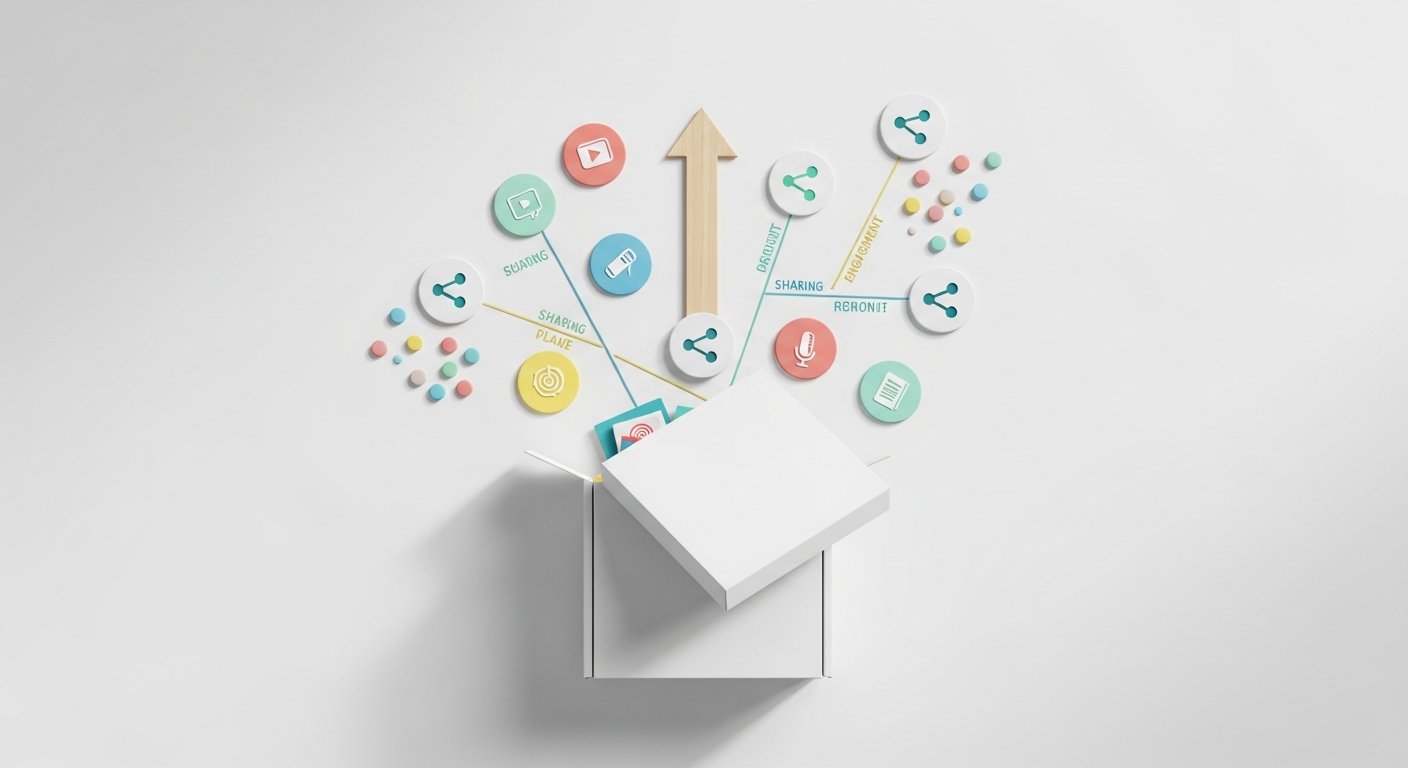
In the competitive landscape of 2026, where customer acquisition costs (CAC) continue to soar, Product-Led Growth (PLG) has emerged as the dominant strategy for SaaS companies. At the heart of a successful PLG motion lies PLG virality — the intrinsic ability of a product to drive exponential user acquisition through existing users. It’s more than just a marketing tactic; it’s a fundamental design principle where the product itself becomes the primary growth channel. This isn’t about traditional word-of-mouth alone; it’s about engineering specific mechanisms within the product that incentivize, facilitate, and even necessitate sharing.
Defining PLG Virality: Beyond Traditional Referrals
PLG virality refers to the phenomenon where a product’s usage naturally encourages or requires users to invite others, leading to a self-sustaining growth loop. Unlike referral programs that offer explicit incentives (like discounts or cash), intrinsic virality is often driven by the core utility and social nature of the product. Think of collaboration tools like Slack or project management platforms like Asana – their value inherently increases with more team members using them, thus encouraging invites. This contrasts sharply with traditional, often extrinsic, referral marketing that relies heavily on incentives outside the core product experience.
The Economic Imperative: Why PLG Virality Matters
For startups and established SaaS businesses alike, PLG virality offers unparalleled advantages:
- Reduced CAC: New users are acquired at little to no direct marketing cost, as existing users do the heavy lifting. This frees up resources for product development or other strategic initiatives.
- Faster Growth: Viral loops, by their nature, are exponential. A healthy K-factor (which we’ll explore shortly) can lead to rapid market penetration and dominance.
- Higher Retention and LTV: Users acquired through viral channels often have a higher intent and engagement, as they’re joining a product recommended by someone they trust, or because their workflow explicitly requires it. This typically leads to better retention rates and higher customer lifetime value (LTV).
- Stronger Network Effects: Products designed for virality often inherently build network effects, where the value of the product increases with each additional user. This creates a powerful moat against competitors.
- Authenticity and Trust: Peer-to-peer recommendations are inherently more trusted than traditional advertising, fostering a more authentic and loyal user base.
The Evolution of Virality in SaaS
The concept of product virality isn’t new. Early examples like Hotmail’s “P.S. Get your free email at Hotmail” signature in the late 90s demonstrated the power of baked-in sharing. More recently, Dropbox famously leveraged a referral program offering extra storage space, propelling its user base from 100,000 to 4 million in just 15 months. Slack’s exponential growth was largely attributed to its collaborative nature, where inviting team members was essential to realizing the product’s full value. These examples underscore a crucial shift: from merely encouraging sharing to architecting the product so that sharing is an integral, often necessary, part of the user journey. This is the essence of PLG virality.
[INLINE IMAGE 1: place after second H2 | alt=”plg virality concept illustration”]
Understanding the Mechanics of Viral Loops: The Engine of PLG Virality
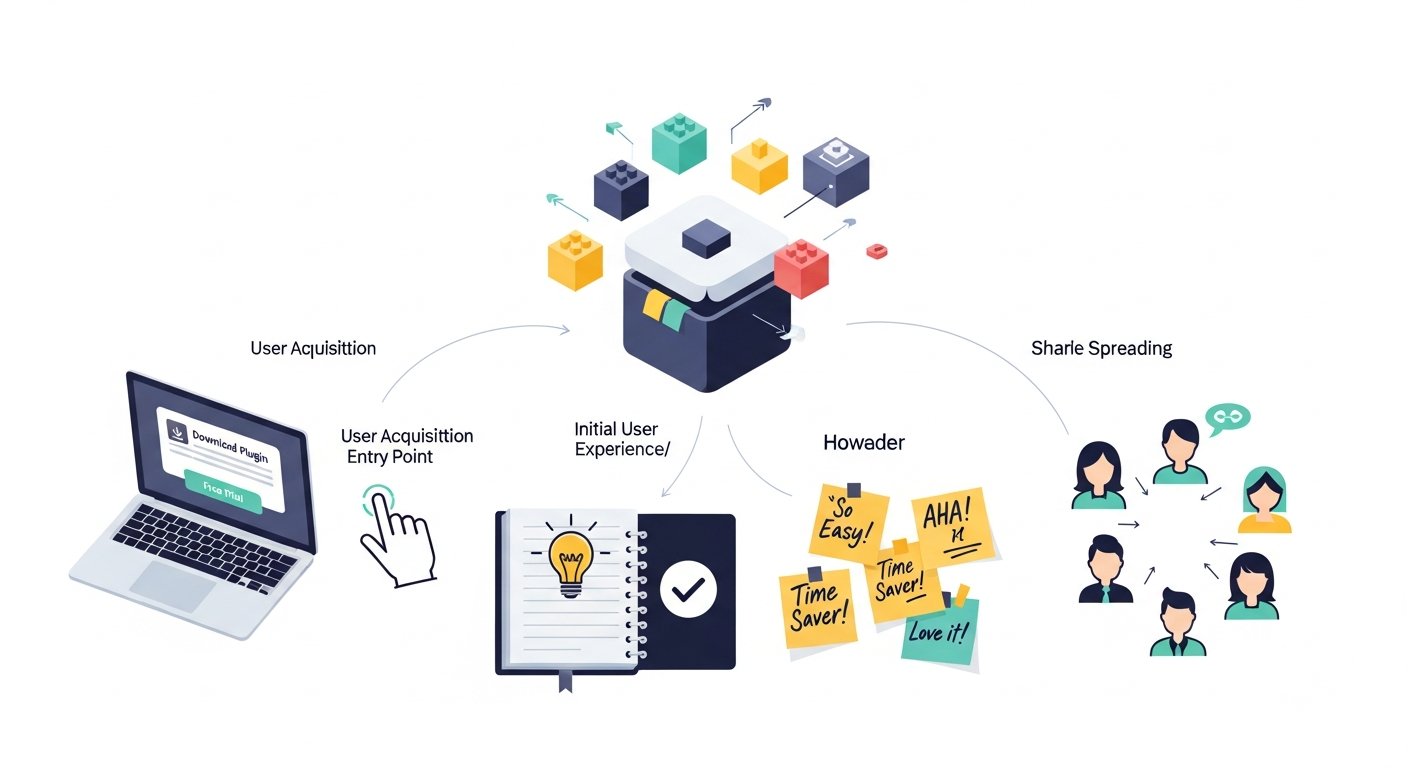
At its core, PLG virality is driven by well-designed viral loops. A viral loop is a cyclical process where new users are acquired through the actions of existing users, and these new users, in turn, become existing users who then bring in more new users. Understanding and meticulously crafting these loops is paramount for any SaaS company aiming for exponential growth.
The Anatomy of a Viral Loop
Every effective viral loop generally consists of several key stages:
- Exposure: An existing user experiences value from the product.
- Initiation (Invite/Share): The existing user is prompted or incentivized to invite a new user. This could be explicit (a “share” button) or implicit (collaboration feature requiring an invite).
- Call to Action (CTA): The new user receives the invitation/share and is presented with a clear CTA to try or join the product.
- Acceptance/Onboarding: The new user accepts the invitation and goes through the onboarding process.
- Value Realization: The new user experiences the core value of the product, ideally quickly (the “aha!” moment).
- Loop Completion: The new user becomes an existing user, completing the loop and potentially initiating new invite cycles.
The speed and efficiency with which users move through these stages determine the strength of the viral loop. Delays or friction at any point can significantly dampen virality.
Types of Viral Loops in PLG
Not all viral loops are created equal. Different products lend themselves to different types of virality:
- Collaboration Virality:
The product’s utility inherently increases with more users. This is common in communication (Slack, Microsoft Teams), project management (Asana, Notion), and design tools (Figma). Inviting colleagues is not just beneficial, it’s often a requirement to fully utilize the product’s value.
- Example: A new team member joins a project on Notion. To access and contribute to the project, they must be invited by an existing team member. The value for both the inviter and the invitee increases with their collaboration within the tool.
The product’s value is derived from the size and activity of its user base. Social networks, marketplaces, and developer communities fall into this category. The more people using it, the more valuable it becomes to each individual user.
- Example: LinkedIn. The more connections you have, and the more professionals are on the platform, the more valuable it is for networking, job seeking, and professional development.
Users create content within the product that is then shared externally, exposing new potential users. Think of YouTube, TikTok, or even tools that generate shareable reports or infographics.
- Example: Canva. Users design visually appealing graphics that they then share on social media, often with a subtle “Designed with Canva” watermark or link, exposing new audiences to the product.
While often seen as separate, well-designed incentivized programs can complement intrinsic PLG virality. The incentive acts as an accelerant to sharing that might already be happening due to product value.
- Example: Dropbox offered extra storage for inviting friends. This amplified an already useful product (cloud storage) by giving users a tangible benefit for sharing.
The product automatically promotes itself through its usage, often through a signature or watermark.
- Example: Hotmail’s famous “P.S. Get your free email at Hotmail” appended to every outgoing email.
Many successful PLG products leverage a combination of these viral loops, with collaboration and network effects often forming the backbone of their sustainable growth.
Key Metrics for Measuring PLG Virality: Beyond the K-Factor
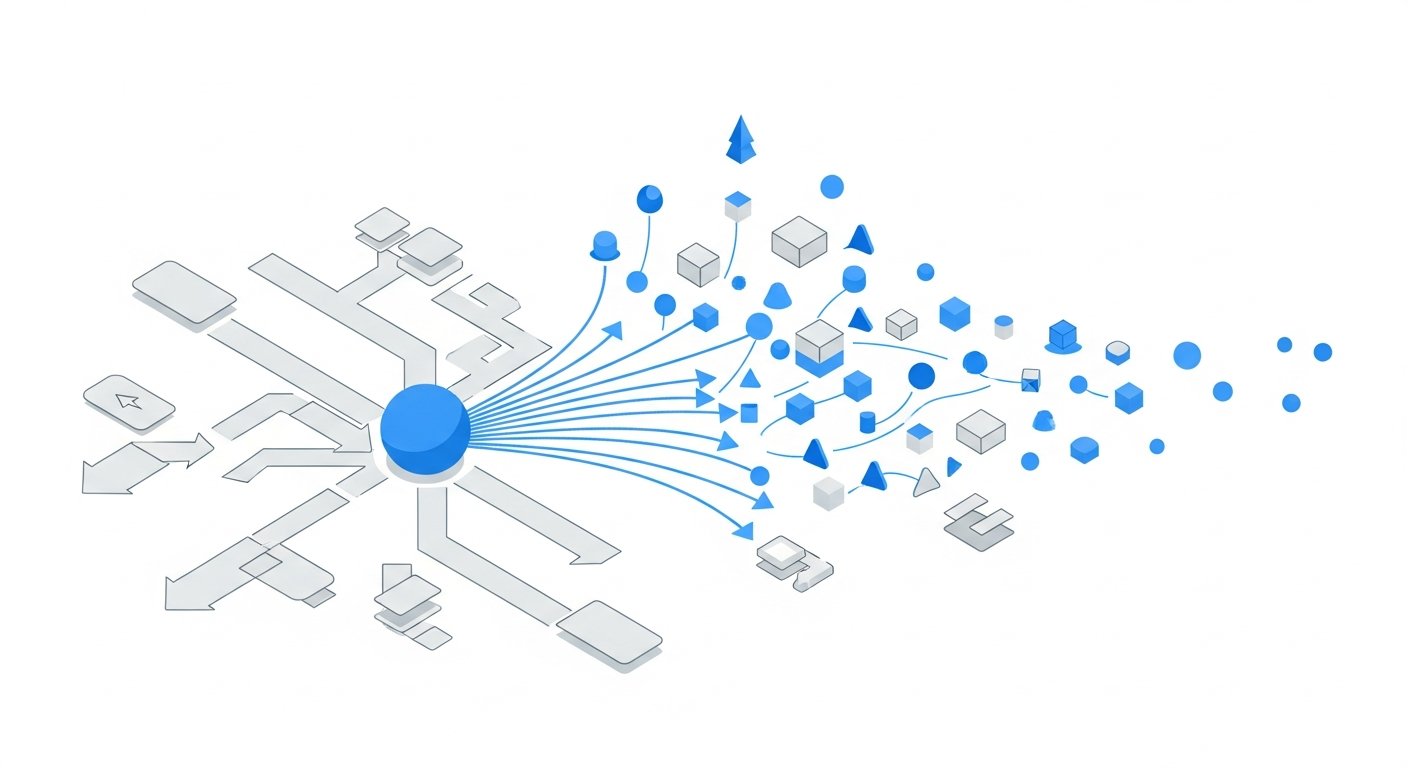
Measuring the effectiveness of your viral loops is crucial for optimizing your PLG strategy. While the K-factor is often considered the holy grail of virality metrics, a holistic approach requires tracking several key indicators to truly understand and improve your product’s viral engine.
The K-Factor: Your Product’s Viral Multiplier
The K-factor (or Viral Coefficient) quantifies how many new users an existing user generates. It’s calculated using a simple formula:
K-factor = (Number of Invites Sent per User) x (Conversion Rate of Invites to New Users)
For example, if on average each active user sends 3 invites, and 30% of those invites convert into new active users, your K-factor would be:
K-factor = 3 x 0.30 = 0.9
A K-factor greater than 1.0 indicates exponential, self-sustaining growth, meaning each existing user brings in more than one new user. If your K-factor is less than 1.0, your growth will eventually plateau without other acquisition channels. However, even a K-factor of 0.5 can be incredibly powerful when combined with other strong acquisition channels.
Breaking Down the K-Factor Components:
- Number of Invites Sent per User: This measures how frequently your users are prompted to invite others, and how successful those prompts are. It’s influenced by product design, ease of sharing, and perceived value of inviting.
- Invite Conversion Rate: This measures the effectiveness of your invitation process – from the moment an invite is sent to a new user activating. It’s impacted by the clarity of the CTA, the perceived value for the invitee, and the onboarding experience.
Beyond K-Factor: Essential Virality Metrics
While the K-factor provides a powerful summary, it’s a lagging indicator. To actively manage and improve PLG virality, you need to track the underlying metrics:
- Viral Cycle Time: The average time it takes for an existing user to invite a new user, and for that new user to become an active user themselves. A shorter cycle time means faster compounding growth. Optimizing this involves streamlining the invite process and rapid onboarding.
- Invite-to-Signup Rate: Percentage of invitees who complete the signup process. This tells you about the effectiveness of your landing page, messaging, and initial onboarding steps. Target range: 20-50% for high-intent invites.
- Signup-to-Activation Rate: Percentage of signups who reach their “aha!” moment and become active users. This is critical for converting invites into genuine new users who contribute to the viral loop. Target range: 30-70% depending on product complexity.
- Referral Source Analysis: Understanding which channels or features drive the most invites. Is it the in-product “invite team” button, a shareable report, or an external link? This helps you double down on successful viral entry points.
- Engagement of Referred Users: Track retention, feature usage, and Product-Qualified Lead (PQL) conversion rates for users acquired virally versus other channels. Often, virally acquired users are more engaged.
- User Churn by Acquisition Channel: While not a direct virality metric, understanding if virally acquired users churn less frequently reinforces the long-term value of this channel.
Benchmarking Your Virality
What constitutes a “good” K-factor or invite conversion rate? It highly depends on your industry, product type, and target audience. However, some general benchmarks:
- K-factor: Anything above 0.2 is respectable. Above 0.5 is strong. Above 1.0 is exceptional and rare. Focus on driving it as high as possible.
- Invite Conversion Rate: For deeply integrated collaboration tools, rates can be 50%+ for direct team invites. For broader referrals, 10-25% is more typical.
- Viral Cycle Time: Aim for days or weeks, not months. The faster, the better.
Continuously monitoring these metrics and setting ambitious (but realistic) targets is key to effectively leveraging PLG virality.
[INLINE IMAGE 2: place after fourth H2 | alt=”plg virality comparison illustration”]
Designing for PLG Virality: Product Features and User Experience
Engineering robust PLG virality is fundamentally a product design challenge. It requires embedding viral mechanisms deep within the user experience, making sharing a natural, effortless, and even essential part of using the product. This means thinking about virality from the earliest stages of product development.
Core Principles of Viral Product Design
To design for maximum PLG virality, consider these principles:
- Solve a Collaborative Problem: Products that naturally require multiple users to derive full value are inherently more viral. Tools for team communication, project management, shared document editing, or co-creation excel here.
- Low Friction Onboarding: The journey from invite received to value realized must be incredibly smooth. Eliminate unnecessary steps, offer clear value propositions, and provide immediate utility for new users.
- Asymmetric Value: The value for the inviter and/or invitee should be substantial and immediately apparent. For instance, an inviter gains collaboration, an invitee gains access to a valuable tool.
- Prominence and Timing of Invite Flows: Make it easy and obvious for users to invite others. Position invite buttons strategically at moments of high delight or necessity.
- Clear Value Proposition for Invitees: The invite message must clearly articulate “What’s in it for me?” for the recipient.
- “Aha!” Moment Acceleration: Get new users to their core value proposition as quickly as possible. A quick win encourages deeper engagement and makes them more likely to become future inviters.
Implementing Viral Features: Examples and Best Practices
Here’s how these principles translate into tangible product features:
1. Seamless Invite and Onboarding Flows
- One-Click Invites: Allow existing users to invite colleagues or collaborators with minimal effort, often through email integration or shareable links.
- Pre-filled Messages: Provide default, compelling invite messages that users can easily customize.
- Team/Workspace Creation: Encourage users to create collaborative spaces and prompt them to invite team members immediately. “Who else should be here?”
- Templated Workflows: Offer templates for common collaborative tasks that inherently require multiple users.
- Personalized Onboarding for Invitees: New users arriving via an invite should have a tailored onboarding experience that connects them directly to the content or team they were invited to join.
2. Collaboration-Driven Virality
- Shared Workspaces/Documents: Google Docs, Notion, Figma – the core product is collaborative. You can’t use it effectively alone for team tasks.
- Real-time Co-editing: Features that allow multiple users to work on the same asset simultaneously.
- Commenting and Feedback Loops: Tools where sharing and commenting are integral to the workflow (e.g., in design review, code review).
- Permissioning and Role Management: Make it easy for users to invite others with different access levels, reinforcing the collaborative nature.
3. Network and Community Effects
- User Profiles and Public Content: Enable users to create profiles and share their work or contributions publicly (e.g., GitHub, Behance, Stack Overflow).
- Integration with Social Channels: Allow easy sharing of user-generated content or achievements to relevant social networks.
- Community Forums/Groups: Foster a sense of belonging and provide platforms for users to interact and invite others to join discussions or special interest groups.
4. Incentives and Gamification (Strategic Use)
While intrinsic virality is key, well-placed incentives can amplify it. These should ideally align with product value:
- Freemium Model: A generous free tier allows users to experience the product’s value before inviting others or upgrading. Many PLG products start free.
- Storage/Feature Unlocks: Similar to Dropbox, offering additional storage, premium features, or higher usage limits for successful invites.
- Leaderboards/Badges: Gamify the invite process, especially for power users who enjoy recognition.
- Group Discounts: For B2B SaaS, offering discounts as more team members join can incentivize invites.
A crucial aspect of design for PLG virality is understanding that the product itself must be inherently valuable. No amount of clever viral engineering can compensate for a product that doesn’t solve a real problem or deliver a delightful experience. The virality is a byproduct of a great product, not a substitute for it.
Optimizing Viral Loops: A/B Testing, Iteration, and Growth Hacks
Designing for PLG virality is not a one-time event; it’s a continuous process of experimentation, measurement, and iteration. Even the most robust viral loops can be improved through strategic optimization, leveraging data-driven insights to refine every stage of the user journey.
The Culture of Experimentation: A/B Testing for Virality
A/B testing is your most powerful tool for optimizing viral loops. Every element, from the wording of an invite CTA to the placement of a share button, can be tested and improved. Here’s what to focus on:
- Invite Prompt Placement and Timing:
- Test different locations for “Invite a friend/team” buttons (e.g., after a key task completion, during onboarding, in the main navigation).
- Experiment with pop-ups, banners, or in-line suggestions.
- Identify the “moment of delight” – when users are most satisfied with your product – and present the invite option then.
- CTA Wording and Design:
- Test different phrases for your invite call-to-action (e.g., “Invite your team,” “Share & Earn,” “Collaborate now”).
- Experiment with button colors, sizes, and icon choices.
- Invite Message Personalization:
- Allow senders to customize messages.
- Dynamically pre-fill messages with context from the inviter’s activity or team.
- Test different default invite messages for impact on conversion rates.
- Incentive Structure (if applicable):
- If using incentivized virality, test different reward types (e.g., storage, premium features, credits, discounts).
- Experiment with the reward value for both inviter and invitee.
- Test tiered rewards (e.g., more invites = greater rewards).
- Landing Page for Invitees:
- Optimize the landing page that invitees hit. Is it personalized to the inviter? Does it clearly articulate value?
- Test different headlines, hero images, and testimonials.
- Ensure a frictionless signup flow.
- Onboarding for Referred Users:
- Test variations in the initial onboarding experience for new users acquired through invites.
- Ensure they immediately see the benefit of joining the specific team or project they were invited to.
- Provide clear paths to their “aha!” moment.
Remember to track the K-factor and its underlying components (invites sent, conversion rate, viral cycle time) for each experiment to truly understand the impact of your changes.
Growth Hacks for Accelerating PLG Virality
Beyond systematic A/B testing, several “growth hacks” can provide a significant boost to your PLG virality:
- API-First Integrations: Enable your product to easily integrate with other tools in a user’s ecosystem. When your product becomes a central hub, it naturally extends its reach and encourages more invites for collaboration across tools.
- Virality Hooks in Key Features: Integrate sharing directly into the completion of valuable actions. For example, if a user generates a report, offer a one-click share to team members or stakeholders.
- Email Signature Virality: For B2B products, offering an option to automatically add a “Powered by [Your Product]” link to outbound emails can provide consistent, low-effort exposure.
- “Team Plan” Upsells: After an individual user finds value, strategically present team-based plans that require inviting colleagues, framing it as an upgrade to unlock even more value.
- Public Profile/Portfolio Links: For creative or professional tools, allow users to create a public profile or portfolio hosted on your platform, sharing a link that subtly promotes your brand.
- Interactive Demos for Invitees: Instead of just a static landing page, offer a personalized, interactive demo that showcases the exact context an invitee is joining.
- Waiting Lists with Referral Boosts: For new product launches or exclusive features, create a waiting list where users can move up the queue by inviting friends. This generates early buzz and builds a pre-qualified audience.
- Leverage Social Proof: Display testimonials or user counts prominently. “Join X million teams already using [Product].”
Continuously monitor user behavior, gather feedback, and stay agile. The virality landscape is always evolving, and your product’s viral engine needs constant tuning.
Building a Virality-Driven Community and Ecosystem
True PLG virality extends beyond mere invite loops; it thrives within a vibrant community and a well-integrated ecosystem. When users feel a sense of belonging, ownership, and interconnectedness with your product, they become organic advocates, driving sustained viral growth.
Fostering a Thriving User Community
A strong community acts as a force multiplier for PLG virality by creating additional reasons for users to engage, share, and invite others:
- Dedicated Forums and Discussion Boards: Provide platforms where users can ask questions, share tips, and interact with product experts and peers. Examples include Notion’s thriving community pages or Figma’s “FigJam” boards for collaborative brainstorming.
- User-Generated Content (UGC) Initiatives: Encourage users to create and share their own templates, plugins, tutorials, or workflows built on your platform. This not only showcases your product’s versatility but also gives users a reason to invite others to see their creations. Think of the template galleries in tools like Canva or Miro.
- Ambassador and Advocate Programs: Identify your most enthusiastic users and empower them to become official ambassadors. Provide them with resources, early access to features, and recognition to amplify their organic advocacy.
- Local Meetups and Virtual Events: Organize events where users can connect in person or virtually. These gatherings foster deeper connections, facilitate knowledge sharing, and strengthen brand loyalty, making users more likely to spread the word.
- Gamification of Contributions: Award badges, points, or leaderboard recognition for helpful community contributions, bug reporting, or successful invites.
A strong community reduces churn, increases engagement, and naturally fuels virality through shared knowledge and mutual support.
Building an Ecosystem through Integrations and APIs
Beyond internal community, creating an open and integrated ecosystem is a powerful virality driver. When your product plays well with others, it becomes indispensable in a user’s workflow, leading to more invites as teams integrate your tool across their tech stack.
- Robust API Access: Provide a well-documented API that allows developers to build custom integrations and extend your product’s functionality. This empowers users to embed your product into their unique workflows, making it harder to leave and more valuable to share.
- App Marketplaces and Integrations: Develop native integrations with popular tools in adjacent categories (e.g., CRM, marketing automation, communication platforms). An official app marketplace can showcase these integrations, demonstrating how your product enhances existing tools and encouraging broader adoption.
- Open Source Contributions (where applicable): For developer tools, contributing to or sponsoring open-source projects can build credibility and organically spread awareness within technical communities.
- Embedded Widgets and Shareable Components: Allow users to embed parts of your product (e.g., a shared dashboard, a project widget) into other websites or applications, giving indirect exposure to new audiences.
An ecosystem approach positions your product not as a standalone tool, but as a critical component of a larger, interconnected workflow. This inherently drives collaboration and invites, as users need to bring others into this integrated environment to maximize its collective value.
Common Pitfalls in PLG Virality and How to Avoid Them
While the promise of exponential growth through PLG virality is alluring, many companies stumble in its execution. Understanding common pitfalls and proactively addressing them can save significant time and resources, ensuring your viral loops are robust and sustainable.
1. Forcing Virality on a Non-Viral Product
Pitfall: Trying to add viral loops to a product that doesn’t inherently benefit from multiple users or collaboration. If your product is best used by a single individual, forcing “invite a friend” features will feel unnatural and perform poorly.
Solution: Be honest about your product’s core utility. Does its value increase with more users? If not, virality might not be your primary growth engine. Focus on other PLG channels like SEO, paid acquisition, or community building, and only implement viral loops if they genuinely enhance the user experience and product value.
2. Over-Reliance on Extrinsic Incentives
Pitfall: Building a referral program purely on monetary rewards or superficial incentives without genuine product value. Users might invite for the reward, but the invitees won’t stick if the product isn’t valuable, leading to low activation and high churn for referred users.
Solution: Prioritize intrinsic virality where the act of inviting makes the product more valuable for both parties. If using incentives, ensure they are product-aligned (e.g., extra storage, premium features, collaborative credits) and complement, rather than substitute, the product’s core appeal. Incentives should accelerate existing sharing behavior, not create it from scratch.
3. High Friction in the Viral Loop
Pitfall: Any resistance or complicated steps in the invite, signup, or onboarding process will kill virality. This includes confusing invite UIs, lengthy signup forms for invitees, or complex first-time user experiences.
Solution: Ruthlessly simplify every step of the viral loop. Employ one-click invite options, pre-filled forms, social logins, and highly personalized onboarding for invited users. Conduct user testing to identify and eliminate friction points. Optimize landing pages for conversion and ensure the “aha!” moment is reached quickly for new users.
4. Ignoring the “Aha!” Moment for Referred Users
Pitfall: Getting someone to sign up is only half the battle. If a referred user doesn’t quickly understand the product’s value and how it benefits them, they won’t activate or become a future inviter.
Solution: Design onboarding specifically for referred users. They often have context from the inviter, so leverage that. Guide them directly to the feature or content they were invited to see or collaborate on. Ensure their initial experience is delightful and immediately showcases the product’s core value.
5. Lack of Measurement and Iteration
Pitfall: Implementing viral features and then assuming they’re working without tracking key metrics like K-factor, invite conversion rates, and viral cycle time. Without data, optimization is impossible.
Solution: Establish a robust analytics framework to monitor
The Definitive Guide to PLG Virality: Engineering Explosive SaaS Growth
By eamped Editorial Team — Senior editors with 10+ years of subject-matter experience.
Published 2026-05-26 · Last Updated 2026-05-26
Affiliate disclosure: This article may contain affiliate links. Recommendations are independent and editorially driven.
TL;DR: PLG virality is the holy grail for SaaS growth, leveraging product design to encourage users to invite new users organically. This comprehensive guide details how to build, measure, and optimize viral loops, focusing on key metrics like K-factor, and provides actionable strategies for achieving exponential, sustainable growth in your product-led startup. From understanding intrinsic viral mechanics to implementing sophisticated referral programs and fostering community, we cover everything you need to know to engineer your product’s viral engine.
Table of Contents
- What is PLG Virality and Why It’s Crucial for SaaS Growth
- Understanding the Mechanics of Viral Loops: The Engine of PLG Virality
- Key Metrics for Measuring PLG Virality: Beyond the K-Factor
- Designing for PLG Virality: Product Features and User Experience
- Optimizing Viral Loops: A/B Testing, Iteration, and Growth Hacks
- Building a Virality-Driven Community and Ecosystem
- Common Pitfalls in PLG Virality and How to Avoid Them
- The Future of PLG Virality: AI, Personalization, and Beyond
- Conclusion: Unlocking Your Product’s Viral Potential
- Frequently Asked Questions
What is PLG Virality and Why It’s Crucial for SaaS Growth
In the competitive landscape of 2026, where customer acquisition costs (CAC) continue to soar, Product-Led Growth (PLG) has emerged as the dominant strategy for SaaS companies. At the heart of a successful PLG motion lies PLG virality — the intrinsic ability of a product to drive exponential user acquisition through existing users. It’s more than just a marketing tactic; it’s a fundamental design principle where the product itself becomes the primary growth channel. This isn’t about traditional word-of-mouth alone; it’s about engineering specific mechanisms within the product that incentivize, facilitate, and even necessitate sharing.
Defining PLG Virality: Beyond Traditional Referrals
PLG virality refers to the phenomenon where a product’s usage naturally encourages or requires users to invite others, leading to a self-sustaining growth loop. Unlike referral programs that offer explicit incentives (like discounts or cash), intrinsic virality is often driven by the core utility and social nature of the product. Think of collaboration tools like Slack or project management platforms like Asana – their value inherently increases with more team members using them, thus encouraging invites. This contrasts sharply with traditional, often extrinsic, referral marketing that relies heavily on incentives outside the core product experience.
The Economic Imperative: Why PLG Virality Matters
For startups and established SaaS businesses alike, PLG virality offers unparalleled advantages:
- Reduced CAC: New users are acquired at little to no direct marketing cost, as existing users do the heavy lifting. This frees up resources for product development or other strategic initiatives.
- Faster Growth: Viral loops, by their nature, are exponential. A healthy K-factor (which we’ll explore shortly) can lead to rapid market penetration and dominance.
- Higher Retention and LTV: Users acquired through viral channels often have a higher intent and engagement, as they’re joining a product recommended by someone they trust, or because their workflow explicitly requires it. This typically leads to better retention rates and higher customer lifetime value (LTV).
- Stronger Network Effects: Products designed for virality often inherently build network effects, where the value of the product increases with each additional user. This creates a powerful moat against competitors.
- Authenticity and Trust: Peer-to-peer recommendations are inherently more trusted than traditional advertising, fostering a more authentic and loyal user base.
The Evolution of Virality in SaaS
The concept of product virality isn’t new. Early examples like Hotmail’s “P.S. Get your free email at Hotmail” signature in the late 90s demonstrated the power of baked-in sharing. More recently, Dropbox famously leveraged a referral program offering extra storage space, propelling its user base from 100,000 to 4 million in just 15 months. Slack’s exponential growth was largely attributed to its collaborative nature, where inviting team members was essential to realizing the product’s full value. These examples underscore a crucial shift: from merely encouraging sharing to architecting the product so that sharing is an integral, often necessary, part of the user journey. This is the essence of PLG virality.
[INLINE IMAGE 1: place after second H2 | alt=”plg virality concept illustration”]
Understanding the Mechanics of Viral Loops: The Engine of PLG Virality
At its core, PLG virality is driven by well-designed viral loops. A viral loop is a cyclical process where new users are acquired through the actions of existing users, and these new users, in turn, become existing users who then bring in more new users. Understanding and meticulously crafting these loops is paramount for any SaaS company aiming for exponential growth.
The Anatomy of a Viral Loop
Every effective viral loop generally consists of several key stages:
- Exposure: An existing user experiences value from the product.
- Initiation (Invite/Share): The existing user is prompted or incentivized to invite a new user. This could be explicit (a “share” button) or implicit (collaboration feature requiring an invite).
- Call to Action (CTA): The new user receives the invitation/share and is presented with a clear CTA to try or join the product.
- Acceptance/Onboarding: The new user accepts the invitation and goes through the onboarding process.
- Value Realization: The new user experiences the core value of the product, ideally quickly (the “aha!” moment).
- Loop Completion: The new user becomes an existing user, completing the loop and potentially initiating new invite cycles.
The speed and efficiency with which users move through these stages determine the strength of the viral loop. Delays or friction at any point can significantly dampen virality.
Types of Viral Loops in PLG
Not all viral loops are created equal. Different products lend themselves to different types of virality:
-
Collaboration Virality:
The product’s utility inherently increases with more users. This is common in communication (Slack, Microsoft Teams), project management (Asana, Notion), and design tools (Figma). Inviting colleagues is not just beneficial, it’s often a requirement to fully utilize the product’s value.
- Example: A new team member joins a project on Notion. To access and contribute to the project, they must be invited by an existing team member. The value for both the inviter and the invitee increases with their collaboration within the tool.
-
Network/Community Virality:
The product’s value is derived from the size and activity of its user base. Social networks, marketplaces, and developer communities fall into this category. The more people using it, the more valuable it becomes to each individual user.
- Example: LinkedIn. The more connections you have, and the more professionals are on the platform, the more valuable it is for networking, job seeking, and professional development.
-
Exposure/Content Virality:
Users create content within the product that is then shared externally, exposing new potential users. Think of YouTube, TikTok, or even tools that generate shareable reports or infographics.
- Example: Canva. Users design visually appealing graphics that they then share on social media, often with a subtle “Designed with Canva” watermark or link, exposing new audiences to the product.
-
Incentivized Referral Virality:
While often seen as separate, well-designed incentivized programs can complement intrinsic PLG virality. The incentive acts as an accelerant to sharing that might already be happening due to product value.
- Example: Dropbox offered extra storage for inviting friends. This amplified an already useful product (cloud storage) by giving users a tangible benefit for sharing.
-
Embedded/Signature Virality:
The product automatically promotes itself through its usage, often through a signature or watermark.
- Example: Hotmail’s famous “P.S. Get your free email at Hotmail” appended to every outgoing email.
Many successful PLG products leverage a combination of these viral loops, with collaboration and network effects often forming the backbone of their sustainable growth.
Key Metrics for Measuring PLG Virality: Beyond the K-Factor
Measuring the effectiveness of your viral loops is crucial for optimizing your PLG strategy. While the K-factor is often considered the holy grail of virality metrics, a holistic approach requires tracking several key indicators to truly understand and improve your product’s viral engine.
The K-Factor: Your Product’s Viral Multiplier
The K-factor (or Viral Coefficient) quantifies how many new users an existing user generates. It’s calculated using a simple formula:
K-factor = (Number of Invites Sent per User) x (Conversion Rate of Invites to New Users)
For example, if on average each active user sends 3 invites, and 30% of those invites convert into new active users, your K-factor would be:
K-factor = 3 x 0.30 = 0.9
A K-factor greater than 1.0 indicates exponential, self-sustaining growth, meaning each existing user brings in more than one new user. If your K-factor is less than 1.0, your growth will eventually plateau without other acquisition channels. However, even a K-factor of 0.5 can be incredibly powerful when combined with other strong acquisition channels.
Breaking Down the K-Factor Components:
- Number of Invites Sent per User: This measures how frequently your users are prompted to invite others, and how successful those prompts are. It’s influenced by product design, ease of sharing, and perceived value of inviting.
- Invite Conversion Rate: This measures the effectiveness of your invitation process – from the moment an invite is sent to a new user activating. It’s impacted by the clarity of the CTA, the perceived value for the invitee, and the onboarding experience.
Beyond K-Factor: Essential Virality Metrics
While the K-factor provides a powerful summary, it’s a lagging indicator. To actively manage and improve PLG virality, you need to track the underlying metrics:
- Viral Cycle Time: The average time it takes for an existing user to invite a new user, and for that new user to become an active user themselves. A shorter cycle time means faster compounding growth. Optimizing this involves streamlining the invite process and rapid onboarding.
- Invite-to-Signup Rate: Percentage of invitees who complete the signup process. This tells you about the effectiveness of your landing page, messaging, and initial onboarding steps. Target range: 20-50% for high-intent invites.
- Signup-to-Activation Rate: Percentage of signups who reach their “aha!” moment and become active users. This is critical for converting invites into genuine new users who contribute to the viral loop. Target range: 30-70% depending on product complexity.
- Referral Source Analysis: Understanding which channels or features drive the most invites. Is it the in-product “invite team” button, a shareable report, or an external link? This helps you double down on successful viral entry points.
- Engagement of Referred Users: Track retention, feature usage, and Product-Qualified Lead (PQL) conversion rates for users acquired virally versus other channels. Often, virally acquired users are more engaged.
- User Churn by Acquisition Channel: While not a direct virality metric, understanding if virally acquired users churn less frequently reinforces the long-term value of this channel.
Benchmarking Your Virality
What constitutes a “good” K-factor or invite conversion rate? It highly depends on your industry, product type, and target audience. However, some general benchmarks:
- K-factor: Anything above 0.2 is respectable. Above 0.5 is strong. Above 1.0 is exceptional and rare. Focus on driving it as high as possible.
- Invite Conversion Rate: For deeply integrated collaboration tools, rates can be 50%+ for direct team invites. For broader referrals, 10-25% is more typical.
- Viral Cycle Time: Aim for days or weeks, not months. The faster, the better.
Continuously monitoring these metrics and setting ambitious (but realistic) targets is key to effectively leveraging PLG virality.
[INLINE IMAGE 2: place after fourth H2 | alt=”plg virality comparison illustration”]
Designing for PLG Virality: Product Features and User Experience
Engineering robust PLG virality is fundamentally a product design challenge. It requires embedding viral mechanisms deep within the user experience, making sharing a natural, effortless, and even essential part of using the product. This means thinking about virality from the earliest stages of product development.
Core Principles of Viral Product Design
To design for maximum PLG virality, consider these principles:
- Solve a Collaborative Problem: Products that naturally require multiple users to derive full value are inherently more viral. Tools for team communication, project management, shared document editing, or co-creation excel here.
- Low Friction Onboarding: The journey from invite received to value realized must be incredibly smooth. Eliminate unnecessary steps, offer clear value propositions, and provide immediate utility for new users.
- Asymmetric Value: The value for the inviter and/or invitee should be substantial and immediately apparent. For instance, an inviter gains collaboration, an invitee gains access to a valuable tool.
- Prominence and Timing of Invite Flows: Make it easy and obvious for users to invite others. Position invite buttons strategically at moments of high delight or necessity.
- Clear Value Proposition for Invitees: The invite message must clearly articulate “What’s in it for me?” for the recipient.
- “Aha!” Moment Acceleration: Get new users to their core value proposition as quickly as possible. A quick win encourages deeper engagement and makes them more likely to become future inviters.
Implementing Viral Features: Examples and Best Practices
Here’s how these principles translate into tangible product features:
1. Seamless Invite and Onboarding Flows
- One-Click Invites: Allow existing users to invite colleagues or collaborators with minimal effort, often through email integration or shareable links.
- Pre-filled Messages: Provide default, compelling invite messages that users can easily customize.
- Team/Workspace Creation: Encourage users to create collaborative spaces and prompt them to invite team members immediately. “Who else should be here?”
- Templated Workflows: Offer templates for common collaborative tasks that inherently require multiple users.
- Personalized Onboarding for Invitees: New users arriving via an invite should have a tailored onboarding experience that connects them directly to the content or team they were invited to join.
2. Collaboration-Driven Virality
- Shared Workspaces/Documents: Google Docs, Notion, Figma – the core product is collaborative. You can’t use it effectively alone for team tasks.
- Real-time Co-editing: Features that allow multiple users to work on the same asset simultaneously.
- Commenting and Feedback Loops: Tools where sharing and commenting are integral to the workflow (e.g., in design review, code review).
- Permissioning and Role Management: Make it easy for users to invite others with different access levels, reinforcing the collaborative nature.
3. Network and Community Effects
- User Profiles and Public Content: Enable users to create profiles and share their work or contributions publicly (e.g., GitHub, Behance, Stack Overflow).
- Integration with Social Channels: Allow easy sharing of user-generated content or achievements to relevant social networks.
- Community Forums/Groups: Foster a sense of belonging and provide platforms for users to interact and invite others to join discussions or special interest groups.
4. Incentives and Gamification (Strategic Use)
While intrinsic virality is key, well-placed incentives can amplify it. These should ideally align with product value:
- Freemium Model: A generous free tier allows users to experience the product’s value before inviting others or upgrading. Many PLG products start free.
- Storage/Feature Unlocks: Similar to Dropbox, offering additional storage, premium features, or higher usage limits for successful invites.
- Leaderboards/Badges: Gamify the invite process, especially for power users who enjoy recognition.
- Group Discounts: For B2B SaaS, offering discounts as more team members join can incentivize invites.
A crucial aspect of design for PLG virality is understanding that the product itself must be inherently valuable. No amount of clever viral engineering can compensate for a product that doesn’t solve a real problem or deliver a delightful experience. The virality is a byproduct of a great product, not a substitute for it.
Optimizing Viral Loops: A/B Testing, Iteration, and Growth Hacks
Designing for PLG virality is not a one-time event; it’s a continuous process of experimentation, measurement, and iteration. Even the most robust viral loops can be improved through strategic optimization, leveraging data-driven insights to refine every stage of the user journey.
The Culture of Experimentation: A/B Testing for Virality
A/B testing is your most powerful tool for optimizing viral loops. Every element, from the wording of an invite CTA to the placement of a share button, can be tested and improved. Here’s what to focus on:
- Invite Prompt Placement and Timing:
- Test different locations for “Invite a friend/team” buttons (e.g., after a key task completion, during onboarding, in the main navigation).
- Experiment with pop-ups, banners, or in-line suggestions.
- Identify the “moment of delight” – when users are most satisfied with your product – and present the invite option then.
- CTA Wording and Design:
- Test different phrases for your invite call-to-action (e.g., “Invite your team,” “Share & Earn,” “Collaborate now”).
- Experiment with button colors, sizes, and icon choices.
- Invite Message Personalization:
- Allow senders to customize messages.
- Dynamically pre-fill messages with context from the inviter’s activity or team.
- Test different default invite messages for impact on conversion rates.
- Incentive Structure (if applicable):
- If using incentivized virality, test different reward types (e.g., storage, premium features, credits, discounts).
- Experiment with the reward value for both inviter and invitee.
- Test tiered rewards (e.g., more invites = greater rewards).
- Landing Page for Invitees:
- Optimize the landing page that invitees hit. Is it personalized to the inviter? Does it clearly articulate value?
- Test different headlines, hero images, and testimonials.
- Ensure a frictionless signup flow.
- Onboarding for Referred Users:
- Test variations in the initial onboarding experience for new users acquired through invites.
- Ensure they immediately see the benefit of joining the specific team or project they were invited to.
- Provide clear paths to their “aha!” moment.
Remember to track the K-factor and its underlying components (invites sent, conversion rate, viral cycle time) for each experiment to truly understand the impact of your changes.
Growth Hacks for Accelerating PLG Virality
Beyond systematic A/B testing, several “growth hacks” can provide a significant boost to your PLG virality:
- API-First Integrations: Enable your product to easily integrate with other tools in a user’s ecosystem. When your product becomes a central hub, it naturally extends its reach and encourages more invites for collaboration across tools.
- Virality Hooks in Key Features: Integrate sharing directly into the completion of valuable actions. For example, if a user generates a report, offer a one-click share to team members or stakeholders.
- Email Signature Virality: For B2B products, offering an option to automatically add a “Powered by [Your Product]” link to outbound emails can provide consistent, low-effort exposure.
- “Team Plan” Upsells: After an individual user finds value, strategically present team-based plans that require inviting colleagues, framing it as an upgrade to unlock even more value.
- Public Profile/Portfolio Links: For creative or professional tools, allow users to create a public profile or portfolio hosted on your platform, sharing a link that subtly promotes your brand.
- Interactive Demos for Invitees: Instead of just a static landing page, offer a personalized, interactive demo that showcases the exact context an invitee is joining.
- Waiting Lists with Referral Boosts: For new product launches or exclusive features, create a waiting list where users can move up the queue by inviting friends. This generates early buzz and builds a pre-qualified audience.
- Leverage Social Proof: Display testimonials or user counts prominently. “Join X million teams already using [Product].”
Continuously monitor user behavior, gather feedback, and stay agile. The virality landscape is always evolving, and your product’s viral engine needs constant tuning.
Building a Virality-Driven Community and Ecosystem
True PLG virality extends beyond mere invite loops; it thrives within a vibrant community and a well-integrated ecosystem. When users feel a sense of belonging, ownership, and interconnectedness with your product, they become organic advocates, driving sustained viral growth.
Fostering a Thriving User Community
A strong community acts as a force multiplier for PLG virality by creating additional reasons for users to engage, share, and invite others:
- Dedicated Forums and Discussion Boards: Provide platforms where users can ask questions, share tips, and interact with product experts and peers. Examples include Notion’s thriving community pages or Figma’s “FigJam” boards for collaborative brainstorming.
- User-Generated Content (UGC) Initiatives: Encourage users to create and share their own templates, plugins, tutorials, or workflows built on your platform. This not only showcases your product’s versatility but also gives users a reason to invite others to see their creations. Think of the template galleries in tools like Canva or Miro.
- Ambassador and Advocate Programs: Identify your most enthusiastic users and empower them to become official ambassadors. Provide them with resources, early access to features, and recognition to amplify their organic advocacy.
- Local Meetups and Virtual Events: Organize events where users can connect in person or virtually. These gatherings foster deeper connections, facilitate knowledge sharing, and strengthen brand loyalty, making users more likely to spread the word.
- Gamification of Contributions: Award badges, points, or leaderboard recognition for helpful community contributions, bug reporting, or successful invites.
A strong community reduces churn, increases engagement, and naturally fuels virality through shared knowledge and mutual support.
Building an Ecosystem through Integrations and APIs
Beyond internal community, creating an open and integrated ecosystem is a powerful virality driver. When your product plays well with others, it becomes indispensable in a user’s workflow, leading to more invites as teams integrate your tool across their tech stack.
- Robust API Access: Provide a well-documented API that allows developers to build custom integrations and extend your product’s functionality. This empowers users to embed your product into their unique workflows, making it harder to leave and more valuable to share.
- App Marketplaces and Integrations: Develop native integrations with popular tools in adjacent categories (e.g., CRM, marketing automation, communication platforms). An official app marketplace can showcase these integrations, demonstrating how your product enhances existing tools and encouraging broader adoption.
- Open Source Contributions (where applicable): For developer tools, contributing to or sponsoring open-source projects can build credibility and organically spread awareness within technical communities.
- Embedded Widgets and Shareable Components: Allow users to embed parts of your product (e.g., a shared dashboard, a project widget) into other websites or applications, giving indirect exposure to new audiences.
An ecosystem approach positions your product not as a standalone tool, but as a critical component of a larger, interconnected workflow. This inherently drives collaboration and invites, as users need to bring others into this integrated environment to maximize its collective value.
Common Pitfalls in PLG Virality and How to Avoid Them
While the promise of exponential growth through PLG virality is alluring, many companies stumble in its execution. Understanding common pitfalls and proactively addressing them can save significant time and resources, ensuring your viral loops are robust and sustainable.
1. Forcing Virality on a Non-Viral Product
Pitfall: Trying to add viral loops to a product that doesn’t inherently benefit from multiple users or collaboration. If your product is best used by a single individual, forcing “invite a friend” features will feel unnatural and perform poorly.
Solution: Be honest about your product’s core utility. Does its value increase with more users? If not, virality might not be your primary growth engine. Focus on other PLG channels like SEO, paid acquisition, or community building, and only implement viral loops if they genuinely enhance the user experience and product value.
2. Over-Reliance on Extrinsic Incentives
Pitfall: Building a referral program purely on monetary rewards or superficial incentives without genuine product value. Users might invite for the reward, but the invitees won’t stick if the product isn’t valuable, leading to low activation and high churn for referred users.
Solution: Prioritize intrinsic virality where the act of inviting makes the product more valuable for both parties. If using incentives, ensure they are product-aligned (e.g., extra storage, premium features, collaborative credits) and complement, rather than substitute, the product’s core appeal. Incentives should accelerate existing sharing behavior, not create it from scratch.
3. High Friction in the Viral Loop
Pitfall: Any resistance or complicated steps in the invite, signup, or onboarding process will kill virality. This includes confusing invite UIs, lengthy signup forms for invitees, or complex first-time user experiences.
Solution: Ruthlessly simplify every step of the viral loop. Employ one-click invite options, pre-filled forms, social logins, and highly personalized onboarding for invited users. Conduct user testing to identify and eliminate friction points. Optimize landing pages for conversion and ensure the “aha!” moment is reached quickly for new users.
4. Ignoring the “Aha!” Moment for Referred Users
Pitfall: Getting someone to sign up is only half the battle. If a referred user doesn’t quickly understand the product’s value and how it benefits them, they won’t activate or become a future inviter.
Solution: Design onboarding specifically for referred users. They often have context from the inviter, so leverage that. Guide them directly to the feature or content they were invited to see or collaborate on. Ensure their initial experience is delightful and immediately showcases the product’s core value.
5. Lack of Measurement and Iteration
Pitfall: Implementing viral features and then assuming they’re working without tracking key metrics like K-factor, invite conversion rates, and viral cycle time. Without data, optimization is impossible.
Solution: Establish a robust analytics framework to monitor
Reviewed by Sarah Kim, Senior Content Editor — Last reviewed: June 09, 2026