
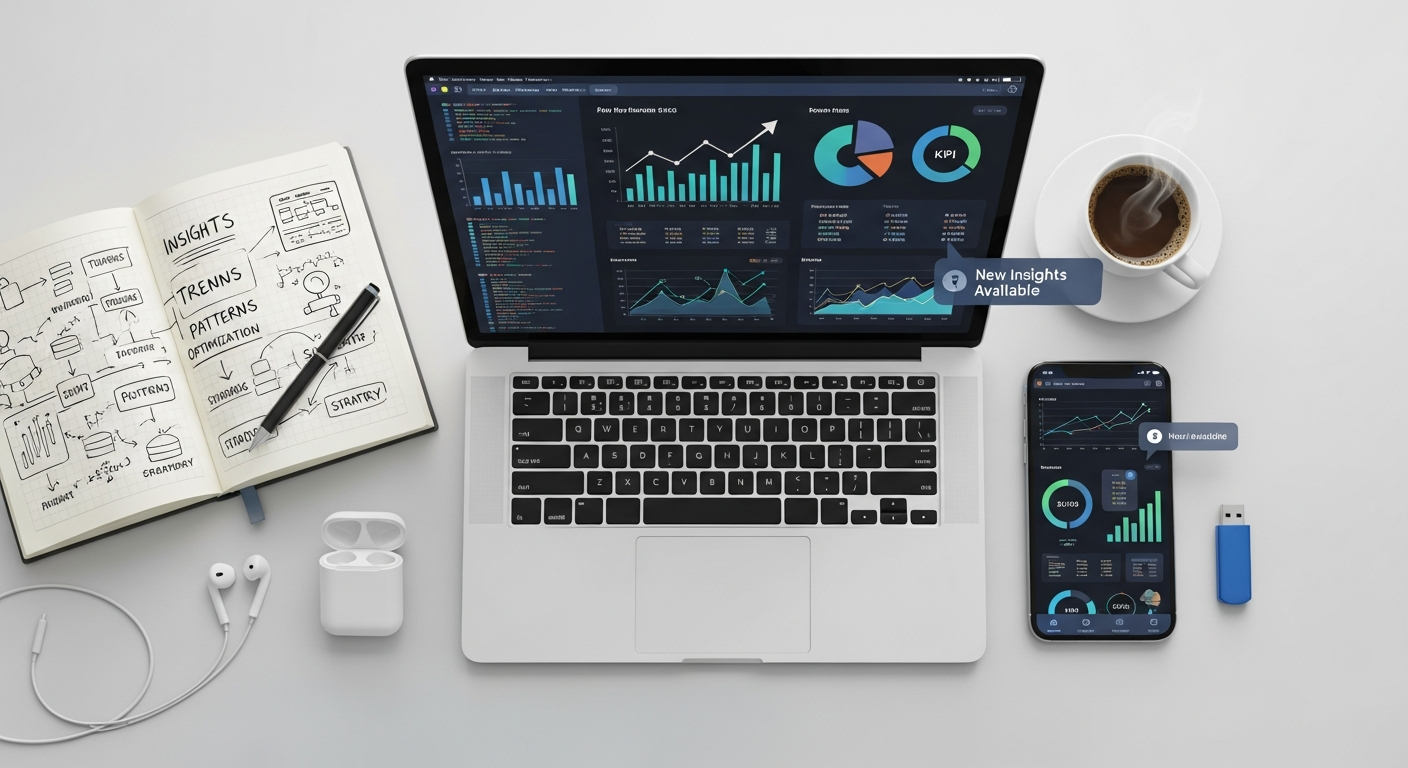
Understanding the Core: What Exactly is Data Analytics?
At its heart, data analytics is the process of examining raw data to uncover trends, patterns, and insights that can be used to draw conclusions about the information. It involves a systematic approach to cleaning, transforming, modeling, and interpreting data to discover useful information, support decision-making, and reveal predictive power. Far from being a mere technical exercise, data analytics is a strategic discipline that empowers businesses to move beyond guesswork and rely on concrete evidence.
The field encompasses a diverse range of techniques and processes, from simple statistical analysis to complex machine learning algorithms. Its primary goal is to extract valuable knowledge from data, enabling businesses to understand past performance, diagnose present issues, predict future outcomes, and even prescribe optimal actions. This comprehensive approach is what makes understanding what is data analytics and how to use it for business so critical for sustainable success.
Think of it as having a powerful magnifying glass and a sophisticated compass for your business. The magnifying glass allows you to scrutinize every detail of your operations, customer behavior, and market dynamics. The compass, powered by the insights gained, helps you navigate towards your strategic objectives with greater precision and confidence. Without data analytics, businesses operate in a fog, making decisions based on intuition or outdated information. With it, they gain clarity, foresight, and a significant competitive advantage.
Data comes in many forms, often categorized as structured (organized, like in spreadsheets or databases) and unstructured (like text documents, images, videos, social media posts). Data analytics tools and methods are designed to handle both, converting disparate data points into cohesive narratives that inform strategic planning and operational adjustments. The journey from raw data to actionable insight is complex but incredibly rewarding, making it a cornerstone of modern business strategy.
The Transformative Power: Why Data Analytics is Indispensable for Modern Businesses
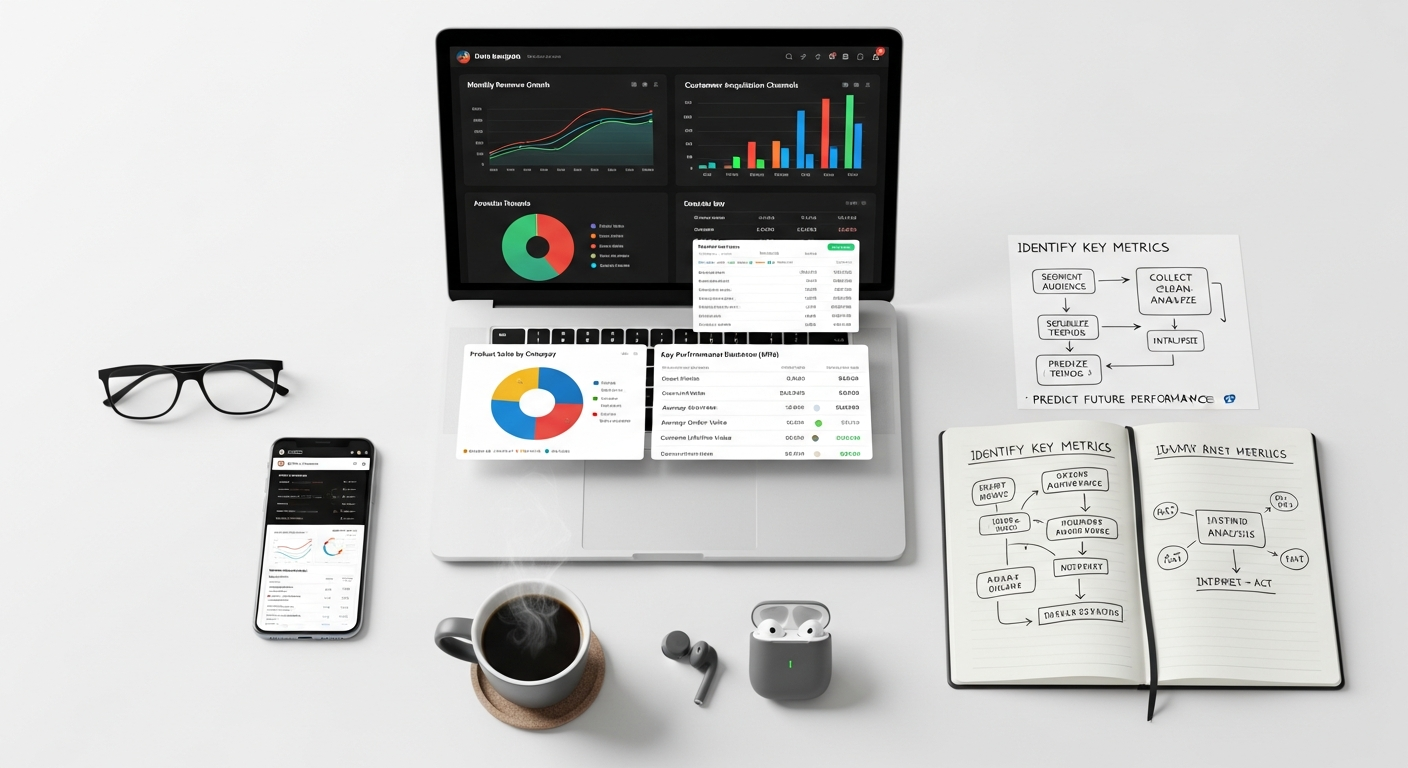
The competitive landscape of 2026 demands more than just good products or services; it requires intelligence, agility, and foresight. Data analytics provides the backbone for all three, making it an indispensable asset for businesses of all sizes, from nascent startups to multinational corporations. The benefits extend across every facet of an organization, fundamentally changing how to use data analytics for business to achieve superior outcomes.
- Enhanced Decision-Making: This is perhaps the most direct and impactful benefit. Data analytics replaces gut feelings with data-driven insights. Whether it’s deciding on a new product launch, optimizing pricing strategies, or entering a new market, decisions backed by thorough analysis are more likely to succeed. Businesses can analyze market trends, consumer preferences, and competitor activities to make choices that are both strategic and informed.
- Improved Operational Efficiency: By analyzing operational data, businesses can identify bottlenecks, inefficiencies, and areas of waste. For instance, manufacturing companies can optimize production schedules, supply chain logistics can be streamlined, and customer service processes can be refined. This leads to cost savings, faster turnaround times, and better resource allocation.
- Deeper Customer Understanding: Understanding your customers is key to sustained growth. Data analytics allows businesses to segment customers, analyze purchasing patterns, track engagement across various touchpoints, and predict future behavior. This enables personalized marketing campaigns, tailored product recommendations, and superior customer experiences, fostering loyalty and driving repeat business.
- Risk Mitigation: Predictive analytics can help identify potential risks before they escalate. This could involve financial risks, operational risks, or even market risks. By proactively analyzing data, businesses can develop contingency plans, minimize potential losses, and ensure greater stability. For example, financial institutions use data analytics to detect fraudulent transactions in real-time.
- Innovation and Product Development: Data analytics provides insights into unmet customer needs, emerging market trends, and product performance. This intelligence can fuel innovation, guiding the development of new products and services that truly resonate with the target audience. It shortens product development cycles and increases the likelihood of market success.
- Competitive Advantage: Businesses that effectively leverage data analytics gain a significant edge over competitors. They can react faster to market changes, anticipate customer needs more accurately, and optimize their strategies with greater precision. This agility and insight make them more resilient and adaptable in dynamic environments.
In essence, data analytics empowers businesses to be proactive rather than reactive, strategic rather than tactical, and customer-centric rather than product-centric. It’s the engine that drives continuous improvement and sustainable growth, making it a non-negotiable component of any forward-thinking business strategy.
The Data Analytics Lifecycle: From Raw Data to Actionable Insights
1. Problem Definition and Objective Setting
Before diving into data, it’s vital to clearly define the business problem or question you’re trying to answer. What specific insights are you looking for? What decision do you need to make? Setting clear, measurable objectives ensures that the analytics effort is focused and relevant. Without a well-defined problem, data analysis can become a directionless exercise, yielding irrelevant results. This initial phase often involves collaboration between business stakeholders and data professionals to ensure alignment.
2. Data Collection
Once the objective is clear, the next step is to gather the necessary data. This can come from various sources: internal databases (CRM, ERP, sales records), external sources (market research, government data), social media, IoT devices, website analytics, and more. The challenge here is to identify all relevant data points and ensure their accessibility. For startups, this might involve integrating data from early customer feedback and initial marketing campaigns, perhaps even analyzing the performance metrics from early Pay Per Click Advertising efforts to understand initial customer acquisition costs and conversion rates.
3. Data Cleaning and Preparation
Raw data is rarely pristine. It often contains errors, missing values, duplicates, and inconsistencies. This is arguably the most time-consuming phase, sometimes accounting for 60-80% of the total analytics effort. Data cleaning involves identifying and correcting these issues to ensure data quality. Data preparation then involves transforming the data into a suitable format for analysis, which might include standardizing formats, aggregating data, or creating new variables. High-quality data is the foundation for reliable insights; “garbage in, garbage out” is a common adage here.
4. Data Analysis
This is where the magic happens. Analysts apply various statistical methods, algorithms, and visualization techniques to the cleaned and prepared data to identify patterns, trends, correlations, and anomalies. This phase involves exploring the data to uncover answers to the initial business questions. Depending on the objective, this could range from simple descriptive statistics to complex predictive modeling using machine learning. The choice of analytical technique depends heavily on the type of data and the specific questions being asked.
5. Interpretation and Visualization
Analyzing data is one thing; making it understandable and actionable for decision-makers is another. This phase involves interpreting the findings in the context of the business problem. What do the patterns mean? What insights can be derived? Data visualization plays a critical role here, using charts, graphs, dashboards, and reports to present complex information in an intuitive and compelling manner. Effective visualization ensures that stakeholders can quickly grasp the key insights and their implications, fostering data literacy across the organization.
6. Action and Implementation
The ultimate goal of data analytics is to drive action. Based on the insights gained, businesses must formulate strategies and implement changes. This could mean adjusting marketing campaigns, optimizing product features, refining operational processes, or developing new business models. It’s essential to have a feedback loop where the impact of these actions is monitored, and new data is collected to assess effectiveness and identify further areas for improvement. This iterative process ensures continuous optimization and demonstrates the true value of how to use data analytics for business effectively.
Key Types of Data Analytics and Their Business Applications
To truly understand what is data analytics and how to use it for business, it’s essential to differentiate between its primary types. Each type serves a distinct purpose, building upon the previous one to offer progressively deeper insights and strategic value.
1. Descriptive Analytics: What Happened?
Descriptive analytics is the most fundamental form of data analysis. It focuses on summarizing past data to describe what has happened. It answers questions like “What were our sales last quarter?” or “How many customers did we acquire last month?” Tools and techniques include data aggregation, data mining, and visualizations like dashboards and reports.
Business Application: This type of analytics is crucial for reporting and understanding historical performance. It helps businesses track KPIs (Key Performance Indicators), monitor trends, and identify areas needing attention. For example, a retail business might use descriptive analytics to understand which products sold best during a specific period or which marketing channels generated the most traffic.
2. Diagnostic Analytics: Why Did It Happen?
Building on descriptive analytics, diagnostic analytics delves deeper to explain why certain events occurred. It involves techniques like drill-down, data discovery, data mining, and correlations to identify the root causes of observed trends or anomalies. It answers questions such as “Why did sales drop in the third quarter?” or “Why did customer churn increase?”
Business Application: Diagnostic analytics is invaluable for problem-solving. It allows businesses to pinpoint the underlying factors contributing to successes or failures. For instance, if Pay Per Click Advertising performance suddenly declined, diagnostic analytics could help identify if it was due to a change in ad copy, keyword bidding, competitor activity, or a shift in target audience behavior.
3. Predictive Analytics: What Will Happen?
Predictive analytics uses historical data, statistical algorithms, and machine learning techniques to forecast future outcomes and probabilities. It answers questions like “What will our sales be next quarter?” or “Which customers are most likely to churn?” It identifies future trends and risks based on past behavior patterns.
Business Application: This type of analytics is a game-changer for strategic planning and risk management. Businesses use it for sales forecasting, inventory management, customer lifetime value prediction, fraud detection, and identifying potential market opportunities. For example, an e-commerce platform might use predictive analytics to recommend products to customers based on their browsing history and purchase patterns, significantly boosting conversion rates.
4. Prescriptive Analytics: What Should We Do?
Prescriptive analytics is the most advanced form of data analysis. It not only predicts what will happen but also suggests optimal actions to take to achieve desired outcomes or avoid undesirable ones. It answers questions like “What is the best pricing strategy to maximize profit?” or “Which marketing campaign should we launch to minimize customer churn?” It combines insights from descriptive, diagnostic, and predictive analytics with optimization and simulation techniques.
Business Application: Prescriptive analytics guides decision-making by recommending specific courses of action. It’s used for optimizing resource allocation, scheduling, supply chain optimization, and personalized marketing campaigns. For instance, an airline might use prescriptive analytics to dynamically adjust ticket prices based on demand, competitor pricing, and historical booking data to maximize revenue per flight. This is the pinnacle of understanding how to use data analytics for business to gain a decisive edge.
Mastering these different types of analytics allows businesses to move from merely understanding their past to actively shaping their future, making data analytics an incredibly powerful strategic tool.
Implementing Data Analytics in Your Business: Tools, Teams, and Strategy
Successfully integrating data analytics into your business operations requires more than just understanding its definition; it demands a strategic approach to tools, team building, and cultural adoption. This section will guide you through the practical aspects of how to use data analytics for business effectively.
1. Choosing the Right Business Intelligence (BI) Tools
The market for data analytics and Business Intelligence (BI) tools is vast and constantly evolving. Choosing the right platform is critical. These tools help collect, process, visualize, and analyze data from various sources, making complex information accessible to decision-makers. When considering How To Choose Business Intelligence Tool, factors such as ease of use, scalability, integration capabilities, data governance features, and cost are paramount. Popular choices include:
- Visualization Tools: Tableau, Power BI, Looker (Google Cloud) are excellent for creating interactive dashboards and reports.
- Data Warehousing Solutions: Snowflake, Google BigQuery, Amazon Redshift provide scalable storage for large datasets.
- ETL (Extract, Transform, Load) Tools: Fivetran, Stitch, Talend automate the process of moving and preparing data.
- Advanced Analytics Platforms: R, Python (with libraries like Pandas, Scikit-learn), SAS, SPSS are favored by data scientists for complex modeling.
For startups, starting with a more accessible, cloud-based solution that offers robust visualization capabilities and integrates well with existing platforms (CRM, marketing automation) is often a sensible first step. As the business grows and data needs become more complex, scaling up or integrating more specialized tools can be considered.
2. Building a Data-Driven Team and Culture
Technology alone is insufficient. A successful data analytics initiative hinges on having the right people and fostering a data-driven culture. This involves:
- Data Professionals: Hiring or training data analysts, data scientists, and data engineers is crucial. Data analysts focus on interpreting data and creating reports, while data scientists build predictive models and machine learning algorithms. Data engineers build and maintain the infrastructure that supports data flow.
- Cross-Functional Collaboration: Data analytics should not be confined to a single department. Encourage collaboration between data teams and business units (marketing, sales, operations, finance) to ensure that insights are relevant and actionable.
- Data Literacy Training: Provide training for employees across all levels to understand basic data concepts, how to interpret dashboards, and how to ask data-driven questions. This empowers everyone to contribute to and benefit from data insights.
- Leadership Buy-in: Strong leadership support is essential to champion data initiatives, allocate resources, and embed data-driven decision-making into the company’s DNA.
3. Developing a Data Strategy and Governance
A clear data strategy outlines how your organization will collect, manage, analyze, and leverage data to achieve business objectives. This includes:
- Defining Data Ownership: Clearly assign responsibility for data quality and integrity across departments.
- Data Governance Policies: Establish rules and processes for data privacy, security, compliance (e.g., GDPR, CCPA), and ethical use. This is increasingly important in 2026.
- Scalability Plan: Plan for how your data infrastructure and capabilities will grow with your business.
- Project Management: Implementing data analytics projects often involves complex, multi-stage processes. Utilizing Best Project Management Software Startups can significantly streamline these efforts, ensuring timelines are met, resources are allocated efficiently, and cross-functional teams collaborate seamlessly. Tools like Asana, Monday.com, or Trello can help track data collection, cleaning, analysis, and deployment phases.
4. Starting Small and Scaling Up
For businesses new to data analytics, it’s often best to start with a manageable project that can deliver quick wins. Identify a specific business problem, collect relevant data, analyze it, and demonstrate tangible results. This builds confidence, gathers internal champions, and provides a blueprint for larger initiatives. As your organization gains experience and sees the value, you can gradually expand your analytics capabilities and tackle more complex challenges.
By focusing on the right tools, fostering a data-savvy team, and establishing a robust data strategy, businesses can truly unlock the potential of data analytics and transform their operations for sustained success.
Navigating Challenges and Maximizing ROI in Data Analytics
While the promise of data analytics is immense, its implementation is not without challenges. Businesses that successfully navigate these hurdles and focus on maximizing their return on investment (ROI) are the ones that truly excel in leveraging what is data analytics and how to use it for business effectively. In 2026, these challenges are more nuanced, often revolving around integration, ethics, and the speed of insight.
Common Challenges in Data Analytics Implementation:
- Data Quality Issues: Inaccurate, incomplete, or inconsistent data is a major roadblock. Poor data quality can lead to flawed analyses and misguided decisions, eroding trust in the entire analytics process. Investing in robust data cleaning and validation processes is paramount.
- Data Silos: Data often resides in disparate systems across different departments, making it difficult to get a holistic view. Breaking down these silos through integration strategies and data warehousing is crucial.
- Lack of Skilled Talent: There’s a persistent shortage of qualified data scientists, analysts, and engineers. This can slow down initiatives or necessitate significant investment in training existing staff or outsourcing.
- Resistance to Change: Employees accustomed to traditional decision-making methods may resist adopting data-driven approaches. Overcoming this requires strong leadership, clear communication of benefits, and comprehensive training.
- Choosing the Wrong Tools: Selecting tools that don’t fit the business’s specific needs, budget, or technical capabilities can lead to wasted investment and frustration. This underscores the importance of careful consideration when deciding How To Choose Business Intelligence Tool.
- Security and Privacy Concerns: Handling sensitive customer and business data requires stringent security measures and adherence to privacy regulations (e.g., GDPR, CCPA). Data breaches can have severe financial and reputational consequences.
- Defining Clear Objectives: Without well-defined business questions, analytics projects can lack focus and fail to deliver actionable insights. Every analytics initiative must start with a clear problem statement and measurable goals.
Strategies for Maximizing ROI:
- Start with Business Value: Always link analytics projects directly to specific business objectives and potential financial returns. Prioritize initiatives that promise the highest impact on revenue, cost reduction, or customer satisfaction.
- Iterative Approach: Instead of aiming for a massive, all-encompassing solution from the outset, adopt an agile, iterative approach. Deliver small, tangible wins quickly, then build upon them. This demonstrates value, gathers feedback, and allows for course correction.
- Focus on Actionable Insights: The ultimate goal is not just to generate reports but to drive action. Ensure that insights are presented clearly, are easy to understand, and directly inform decision-making processes.
- Invest in Data Literacy: Empowering employees across all levels to understand and utilize data insights increases the adoption and impact of analytics. A data-literate workforce can identify new opportunities and challenges that data can address.
- Continuous Monitoring and Optimization: Data analytics is not a one-time project. Implement mechanisms to continuously monitor the performance of analytics models and the impact of data-driven decisions. Be prepared to refine models, update data sources, and adapt strategies as business conditions change.
- Leverage Cloud Solutions: Cloud-based data platforms offer scalability, flexibility, and often lower upfront costs, making advanced analytics accessible even for startups. They can also simplify infrastructure management, allowing teams to focus more on analysis than maintenance.
- Integrate with Existing Systems: Ensure your analytics solutions integrate seamlessly with your CRM, ERP, marketing automation, and other operational systems. This prevents data silos and ensures that insights flow directly into operational workflows. For instance, insights from marketing analytics (e.g., performance of Pay Per Click Advertising campaigns) should feed directly into campaign optimization tools.
- Ethical Data Use: Build trust by ensuring transparency in data collection and usage. Adhering to ethical guidelines and privacy regulations not only mitigates risk but also builds a positive brand image, which contributes to long-term ROI.
By proactively addressing these challenges and strategically focusing on value creation, businesses can unlock the full potential of data analytics, turning it into a powerful engine for innovation, efficiency, and sustained competitive advantage in the years leading up to and beyond 2026.
In conclusion, data analytics is no longer a niche technical discipline but a core strategic imperative for modern businesses. Understanding what is data analytics and how to use it for business effectively means embracing a data-driven culture, investing in the right tools and talent, and committing to an iterative process of insight generation and action. The organizations that master this art will be the ones that not only survive but thrive, making smarter decisions, fostering deeper customer relationships, and innovating at an accelerated pace in the dynamic global marketplace.
Frequently Asked Questions
Recommended Resources
Check out Social Media Graphics Design Guide on Layout Scene for a deeper dive.
Related reading: How To Use Notion For Productivity (Bookmark Sharer).