The Strategic Imperative of a Virtual Data Room in 2026
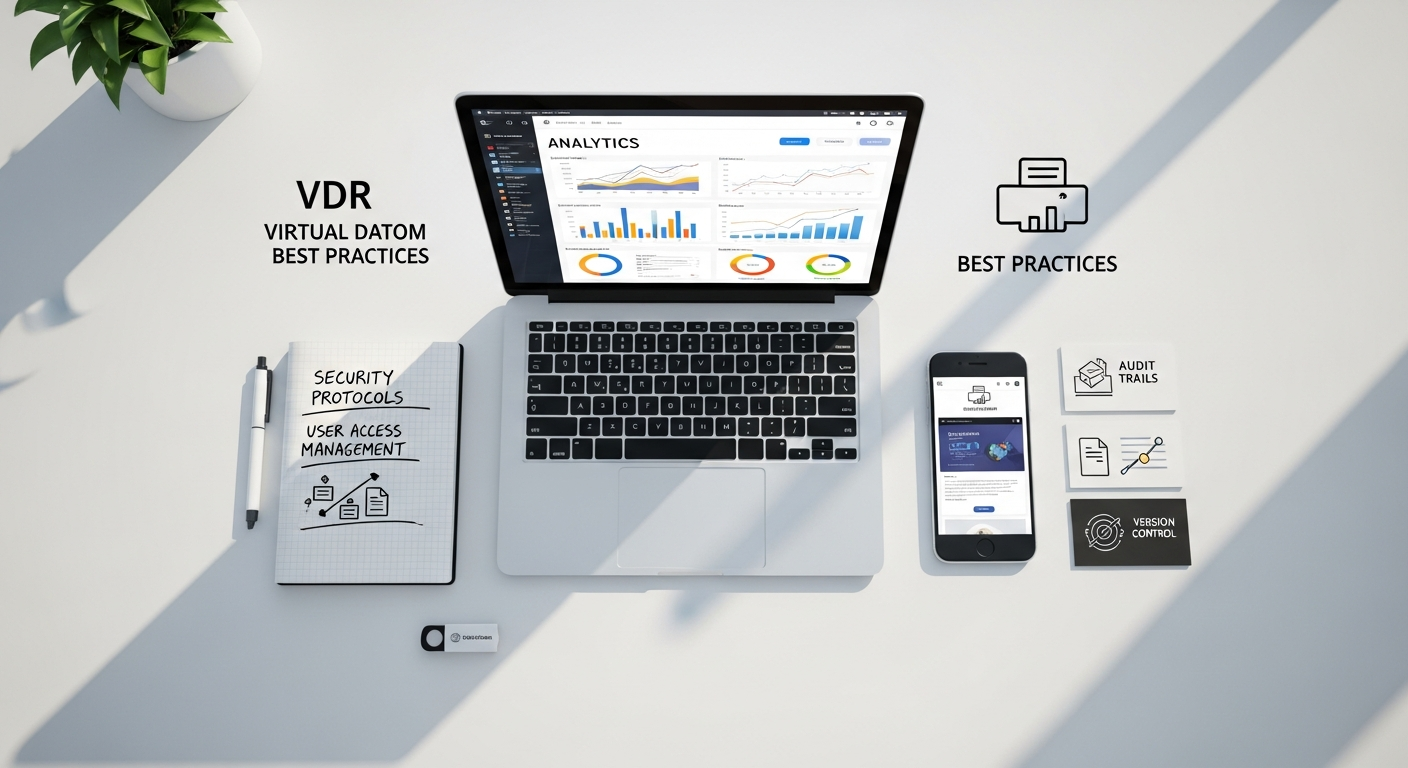
As the digital landscape evolves at a blistering pace, the role of a virtual data room has transcended its traditional function. In 2026, a VDR is no longer a luxury but an indispensable strategic asset for any forward-thinking tech startup or digital marketing agency. Gone are the days of physical documents and clunky email attachments for sensitive transactions. Today’s VDRs are sophisticated platforms designed to facilitate secure, efficient, and transparent information exchange during critical business processes such as mergers and acquisitions (M&A), fundraising, strategic partnerships, and even complex compliance audits. For founders, the ability to present a meticulously organized and secure data environment signals professionalism and preparedness to potential investors or acquirers, significantly influencing deal velocity and valuation. Consider the sheer volume of proprietary data, financial projections, user analytics, and intellectual property that forms the lifeblood of a modern tech venture. Without a dedicated, secure, and well-managed VDR, the risks of data breaches, miscommunications, and protracted due diligence processes multiply exponentially.
Moreover, in an era where trust is currency, a VDR builds confidence among all stakeholders. It provides a centralized, auditable trail of all document access and interactions, ensuring accountability and transparency. This is particularly crucial when you consider the broader context of different tech tools to boost your business. While project management software, CRM systems, and AI-driven analytics are vital for day-to-day operations, a VDR stands apart as the definitive tool for high-stakes, confidential engagements. It’s the digital war room where pivotal decisions are informed by pristine data. For digital marketers, this can extend to securely sharing campaign performance data, client contracts, and proprietary algorithms with partners or during agency acquisitions. The strategic imperative of a VDR in 2026 lies in its capacity to not only protect your most valuable assets but also to accelerate your growth trajectory by streamlining complex, sensitive negotiations. Choosing the right VDR and implementing it with best practices in mind means transforming a potential bottleneck into a powerful accelerator for your business objectives.
The strategic deployment of a VDR also reflects a company’s commitment to modern governance and risk management. It demonstrates to investors, partners, and regulators that your organization is proactive in safeguarding sensitive information and adhering to the highest standards of data integrity. This foresight can be a differentiator in competitive markets, particularly when vying for investment or market share. The costs associated with data breaches or regulatory non-compliance far outweigh the investment in a robust VDR. Therefore, viewing a VDR merely as an expense is a myopic perspective; it is, in fact, an investment in resilience, reputation, and the seamless execution of your strategic vision for 2026 and beyond.
Setting Up for Success: Pre-Emptive Planning and Document Organization
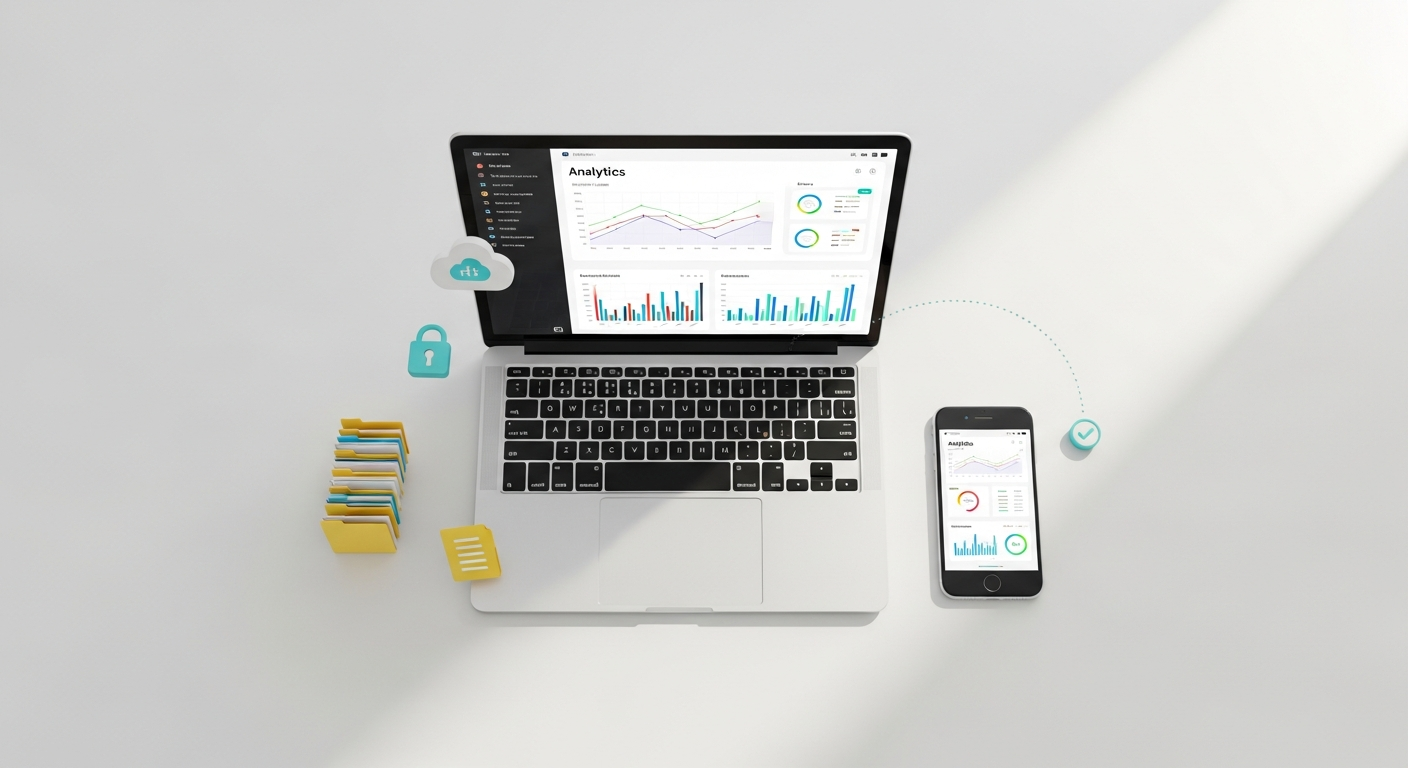
The foundation of an effective virtual data room lies in meticulous pre-emptive planning and an unwavering commitment to systematic document organization. Before a single document is uploaded, a strategic blueprint must be forged. This involves defining the VDR’s purpose, identifying key stakeholders, and establishing a clear, logical folder structure that anticipates the needs of potential reviewers. Think of your VDR as a meticulously curated digital library; without a robust cataloging system, even the most valuable information becomes inaccessible and frustrating to navigate. Start by creating a comprehensive index that mirrors your VDR’s folder hierarchy. This index should be a living document, updated as new sections are added or existing ones are refined.
A common mistake is to simply dump files into the VDR without proper categorization. This leads to information overload and a poor user experience, potentially slowing down due diligence and raising red flags for reviewers. Instead, adopt a structured approach:
- Categorize Broadly, Then Granularly: Start with high-level categories like “Financials,” “Legal,” “Intellectual Property,” “Operations,” and “Human Resources.” Within these, create subfolders for specific documents (e.g., under “Financials”: “Audit Reports,” “Tax Returns,” “Cap Tables,” “Forecasts”).
- Consistent Naming Conventions: Establish and enforce a clear, consistent naming convention for all documents. This might include dates, version numbers, and descriptive titles (e.g., “2025_Q4_Financial_Statements_v3.pdf”). This seemingly small detail significantly enhances navigability and reduces confusion.
- Version Control is King: Ensure your VDR platform supports robust version control. Uploading the latest, most accurate versions of documents is paramount. Old or conflicting versions can create doubt and necessitate time-consuming clarifications.
- Redaction Strategy: Before uploading, identify and redact any highly sensitive or irrelevant personal information that is not essential for the transaction, adhering strictly to privacy regulations. This proactive step prevents accidental disclosures and maintains compliance.
- Quality Control: Every document uploaded should be high-quality, searchable PDF where possible. Avoid scanned images that are difficult to read or copy text from. Ensure all pages are present, oriented correctly, and legible.
Proactive planning also extends to creating a “clean room” concept within your VDR, where certain highly sensitive documents (e.g., specific customer contracts with non-disclosure clauses, detailed employee compensation plans) are accessible only to a select few under stringent conditions. This level of granular control, planned from the outset, demonstrates sophisticated data governance. By investing time in this pre-emptive organization, you not only streamline the due diligence process but also project an image of professionalism and competence that can significantly enhance your negotiating position. This rigorous approach to data management is a cornerstone of operational excellence, proving that a well-structured digital environment is as critical as any physical asset in 2026.
Fortifying Your Fortress: Security and Access Control Best Practices
Once a secure platform is chosen, implementing robust access control measures is the next crucial step. Granular permissions are at the heart of VDR security. Avoid broad access grants; instead, apply the principle of least privilege, ensuring that each user only has access to the specific documents and sections necessary for their role. For instance, financial advisors might need access to financial statements, while legal counsel requires access to contracts and intellectual property documents. Key best practices include:
- Multi-Factor Authentication (MFA): Mandate MFA for all users accessing the VDR. This adds an essential layer of security beyond just passwords, significantly reducing the risk of unauthorized access even if credentials are compromised.
- IP Restrictions: Consider restricting VDR access to specific IP addresses or ranges, especially for internal team members, adding another geographical and network-based security layer.
- Dynamic Watermarking: Implement dynamic watermarking on all viewable documents. This includes the viewer’s name, IP address, and date/time stamp, acting as a powerful deterrent against unauthorized sharing or screenshots.
- Disable Printing/Downloading: For highly sensitive documents, restrict or disable printing and downloading capabilities. If downloads are necessary, ensure they are secured with encryption and expiry dates.
- View-Only Access: Default to view-only access for most documents, only enabling editing or downloading permissions when absolutely necessary and for specific users.
- Audit Trails: Leverage the VDR’s comprehensive audit trail capabilities. Every action – every login, document view, download, or comment – should be logged. These audit trails are invaluable for security monitoring, compliance, and investigating potential breaches.
- Regular Security Audits: Conduct periodic internal and external security audits of your VDR configuration and usage patterns. This proactive approach helps identify and rectify vulnerabilities before they can be exploited.
Furthermore, establish clear security policies for all users, including guidelines on password strength, device security, and responsible data handling. Educate your team on the importance of these protocols. In a world where how unknown candidates have taken advantage of technology to win often hinges on their ability to leverage data effectively and securely, ensuring your VDR is an unbreachable fortress is paramount. It protects not only your intellectual property but also your reputation and the trust of your partners and customers, providing a crucial competitive edge in 2026’s digital economy.
Streamlining the Workflow: User Experience and Collaboration
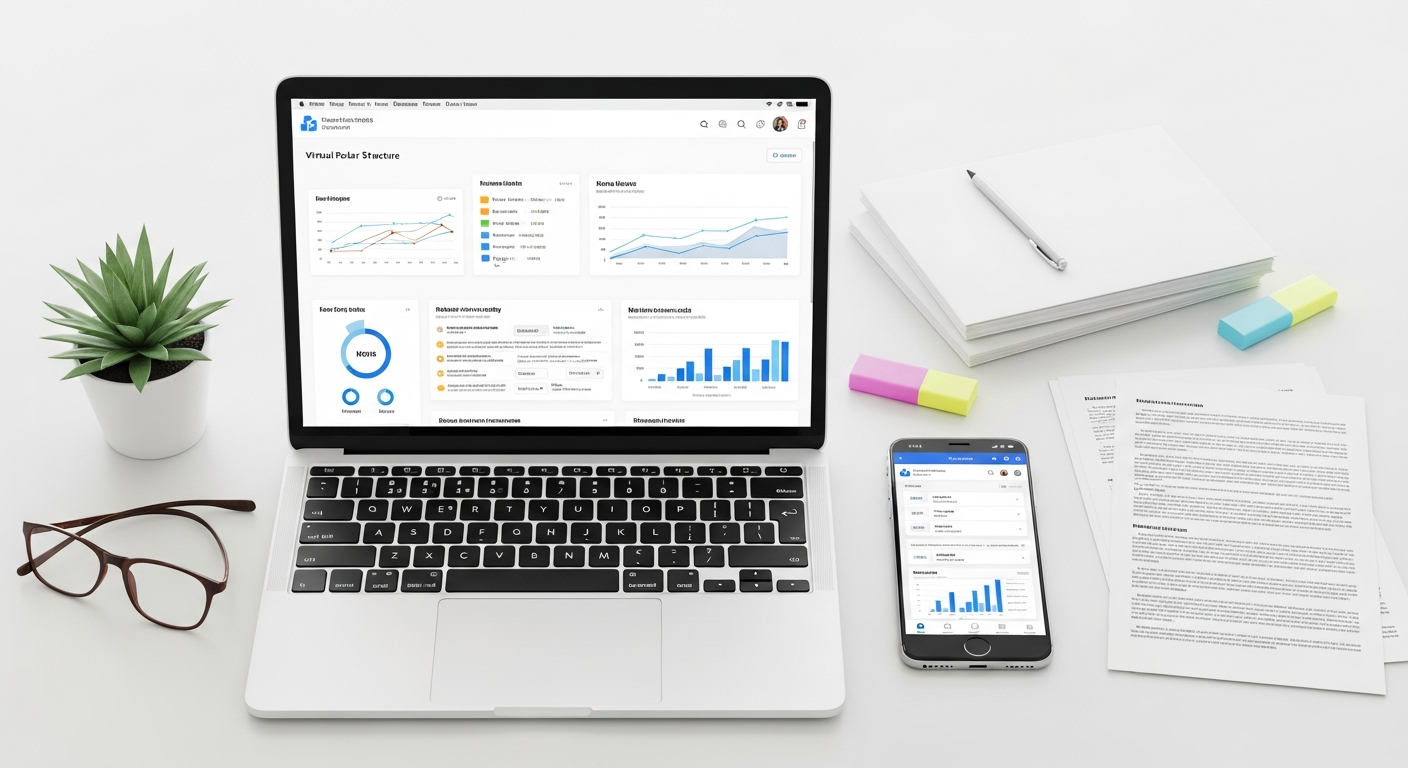
A virtual data room’s effectiveness extends far beyond its security features; its ability to streamline workflow and foster efficient collaboration is equally critical. For tech founders racing against deadlines and digital marketers coordinating complex campaigns, a VDR that is intuitive, responsive, and facilitates seamless interaction can dramatically accelerate deal cycles and project completion. A clunky, difficult-to-navigate VDR can quickly become a bottleneck, frustrating users and delaying critical processes. Therefore, prioritizing user experience (UX) in your VDR setup and ongoing management is a non-negotiable best practice for 2026.
Key elements that contribute to an excellent VDR user experience and collaborative workflow include:
- Intuitive Interface: The VDR should be easy to navigate, with a clean layout and logical organization. Users, whether internal or external, should be able to find documents quickly without extensive training. Features like a powerful search function, clear folder trees, and an activity dashboard are crucial.
- Robust Q&A Module: A dedicated Q&A section is vital for efficient communication during due diligence. This module should allow reviewers to post questions directly against specific documents, enable administrators to assign questions to relevant internal experts, and track responses. Features like private vs. public questions, notification systems, and searchable Q&A archives further enhance efficiency.
- Notification Systems: Configurable email or in-app notifications are essential. Users should be able to receive alerts when new documents are uploaded, questions are asked or answered, or new users are added. This keeps all parties informed and responsive.
- Granular Permissions for Collaboration: While security dictates strict access, collaboration demands flexibility. The VDR should allow for different levels of collaborative access – some users might only view, others might comment, and a select few might upload or edit (in internal-facing VDRs). This controlled collaboration prevents chaos while facilitating necessary interaction.
- Annotation and Commenting Tools: The ability for reviewers to make private notes or comments directly on documents, or for teams to collaborate on drafts, enhances efficiency and reduces the need for external communication channels.
- Mobile Accessibility: In 2026, business is conducted on the go. Ensure your VDR offers a responsive, secure mobile experience, allowing authorized users to access and review documents from any device.
Moreover, leveraging the VDR’s analytics capabilities can provide invaluable insights into reviewer engagement. By tracking document views, download rates, and time spent on specific sections, you can gauge what information is most scrutinized and proactively address potential concerns. This data-driven approach helps anticipate questions and prepare responses, further streamlining the process. For tips for women in tech startups, mastering efficient collaboration tools like VDRs can be particularly empowering. These platforms foster transparency, reduce communication overhead, and ensure that all contributions are visible and trackable, leveling the playing field and allowing talent to shine based on merit and efficiency. A well-designed VDR not only secures your data but also accelerates your business objectives by transforming complex interactions into smooth, productive workflows.
The Human Element: Training, Governance, and Continuous Improvement
While technology forms the backbone of a virtual data room, the human element—encompassing user training, robust governance, and a commitment to continuous improvement—is what truly elevates a VDR from a mere tool to a strategic asset. Even the most sophisticated VDR platform can fall short if its users are untrained, or if its operation lacks clear policies and oversight. For tech founders and digital marketers, investing in the people and processes around the VDR is as critical as selecting the right software.
Training and Onboarding:
The first step is comprehensive training for all internal users who will be interacting with the VDR, from administrators to document contributors. This training should cover:
- Platform Navigation: How to upload, organize, search, and manage documents effectively.
- Security Protocols: Emphasizing MFA, understanding granular permissions, and recognizing potential security threats.
- Document Standards: Adherence to naming conventions, version control, and redaction policies.
- Q&A Module Usage: Best practices for asking, answering, and tracking questions.
For external users (investors, lawyers, partners), providing clear, concise onboarding instructions or a brief walk-through can significantly enhance their experience and expedite their review process. A positive experience for external parties reflects well on your organization’s professionalism and efficiency.
Governance and Administration:
Establishing clear governance policies is paramount. This includes:
- Designated VDR Administrator: Appoint a primary VDR administrator (and a backup) responsible for overall management, user access, document integrity, and policy enforcement. This individual should be highly organized, detail-oriented, and possess a strong understanding of the deal process.
- Access Review Cadence: Periodically review and update user access permissions, especially as team roles change or as external parties complete their review. Deactivate accounts for users who no longer require access promptly.
- Document Review Process: Implement an internal review process for all documents before they are uploaded to the VDR. This ensures accuracy, completeness, and proper redaction.
- Communication Guidelines: Define how communication will occur within the VDR (e.g., Q&A module only, specific response times).
Continuous Improvement:
The VDR is not a static entity; it should evolve with your business needs and technological advancements.
- Feedback Loop: Actively solicit feedback from both internal and external users to identify pain points and areas for improvement.
- Performance Monitoring: Regularly analyze VDR usage data (e.g., most accessed documents, Q&A volume) to identify trends and optimize content or structure.
- Stay Updated: Keep abreast of VDR platform updates and new features. Leverage these to enhance security, efficiency, and user experience.
This commitment to the human element and continuous improvement fosters a culture of accountability and transparency. It’s analogous to how unknown candidates have taken advantage of technology to win; by diligently managing and presenting verifiable data through a well-governed VDR, you level the playing field, ensuring that the quality of your information and your operational excellence speak for themselves. In 2026, a VDR isn’t just a container; it’s a dynamic environment that requires intelligent stewardship to truly unlock its potential.
Post-Deal Archiving and Future-Proofing Your Data Strategy
The life cycle of a virtual data room doesn’t end when a deal closes; in fact, its post-deal phase is crucial for compliance, future strategic initiatives, and long-term data governance. For tech founders and digital marketers, understanding and implementing best practices for archiving and future-proofing your data strategy after a transaction is as vital as the setup itself. This ensures that the wealth of organized, verified information compiled during due diligence remains a valuable asset, rather than a discarded relic.
Secure Archiving:
Once a deal concludes, the active VDR needs to be transitioned into a secure archive. This involves:
- Retaining a Master Copy: Your VDR provider should offer robust archiving solutions. Ensure you obtain a complete, indexed copy of all documents and the full audit trail. This is typically provided on a secure drive or as a downloadable, encrypted file package. This master copy serves as your definitive record for legal and historical purposes.
- Data Retention Policies: Adhere strictly to your company’s internal data retention policies and relevant regulatory requirements (e.g., GDPR, CCPA, SOX). Understand how long specific types of documents must be kept.
- Access for Audit: Ensure that the archived data remains accessible for future audits, legal inquiries, or internal reference, while still maintaining stringent security controls. Access to the archived VDR should be highly restricted and logged.
- User Deactivation: Promptly deactivate all external user accounts and revoke their access permissions to the active VDR once the deal is finalized.
Future-Proofing Your Data Strategy:
Looking beyond the immediate transaction, the structured data within your VDR can be a powerful tool for future growth and strategic planning.
- Institutional Knowledge: The VDR becomes a repository of institutional knowledge. For example, previous due diligence responses can inform future fundraising efforts, accelerating subsequent rounds. Legal documents and financial statements are readily available for future compliance needs.
- Benchmarking and Lessons Learned: Analyze the VDR data and activity logs from past deals to extract lessons learned. What questions were frequently asked? Which documents garnered the most attention? This insight can inform how you prepare for future transactions, making your processes even more efficient.
- Integration with Internal Systems: Consider how the valuable, clean data from a closed VDR can be integrated into your internal knowledge management systems, enterprise resource planning (ERP), or customer relationship management (CRM) systems. This might involve migrating specific categories of documents to long-term internal storage solutions.
- Embracing Emerging Technologies for Data Security: As we look towards the late 2020s, consider how emerging technologies like blockchain for enhanced data integrity or AI-driven analytics for predictive insights could be integrated with your VDR strategy. While nascent, these technologies promise even greater levels of security, transparency, and data utility.
- Data Cleanliness as a Habit: The rigorous process of preparing documents for a VDR can instill a company-wide culture of data cleanliness and organization. This habit is invaluable for all aspects of your business, from everyday operations to future strategic endeavors.
By treating the VDR not just as a temporary deal room but as a cornerstone of your long-term data strategy, you transform a transactional tool into a foundational element for sustainable growth and operational excellence. In 2026, a forward-thinking approach to VDR archiving and data leverage ensures that every past success contributes to future triumphs.
Beyond Transactions: VDRs as a Catalyst for Digital Transformation
While commonly associated with high-stakes M&A and fundraising, the true potential of a virtual data room in 2026 extends far beyond singular transactions. For ambitious tech startups and agile digital marketing firms, a VDR can serve as a powerful catalyst for broader digital transformation, fundamentally reshaping how organizations manage information, collaborate, and secure their most vital assets across all business functions. This paradigm shift positions the VDR not just as a reactive tool for specific events, but as a proactive component of an overarching strategy for operational excellence.
The rigorous discipline required to prepare documents for a VDR – encompassing meticulous organization, consistent naming conventions, version control, and stringent redaction – naturally instills best practices in data management across the entire organization. This “VDR readiness” translates into better internal document hygiene, reducing information silos and improving accessibility for daily operations. Imagine a scenario where all internal project documentation, legal contracts, HR policies, and financial records are maintained with the same level of precision and security as if they were perpetually ready for a due diligence review. This proactive approach minimizes future scrambling and ensures that critical information is always accurate and discoverable.
Furthermore, the advanced security features inherent in VDRs, such as granular access controls, dynamic watermarking, and comprehensive audit trails, can set a new standard for internal data security protocols. Companies can leverage their VDR provider’s robust infrastructure and security expertise to enhance their own internal document sharing and collaboration, particularly for sensitive internal projects or inter-departmental initiatives. This can be especially beneficial for digital marketing agencies handling vast amounts of client data or proprietary campaign strategies, ensuring secure collaboration without compromising client trust or competitive advantage. It’s about extending the “fortress” mentality from external deal-making to everyday internal operations.
A VDR also cultivates a culture of transparency and accountability. With every action logged and every document version tracked, teams become more conscious of data integrity and responsible information sharing. This fosters a data-driven culture, where decisions are backed by verifiable information, echoing the principle of how unknown candidates have taken advantage of technology to win by presenting irrefutable evidence. For organizations, this means more informed decision-making across all levels, from product development to market strategy.
Finally, by embracing VDRs beyond their transactional utility, businesses prepare themselves for future challenges and opportunities. As regulatory landscapes become more complex and data privacy concerns intensify, a company that has already integrated VDR best practices into its core operations will be far better equipped to adapt. It positions the VDR as a cornerstone among different tech tools to boost your business, not just for specific deals, but for continuous operational improvement, risk mitigation, and sustained growth in an increasingly data-centric world. In 2026, the VDR is more than a secure file-sharing platform; it’s a strategic enabler for comprehensive digital transformation.
FAQ Section
What’s the most critical first step when setting up a VDR?
The absolute most critical first step is meticulous planning and organization. Before uploading any documents, define the VDR’s purpose, identify all necessary stakeholders, and create a comprehensive, logical folder structure with clear naming conventions. This proactive approach ensures efficiency, prevents chaos, and signals professionalism to all parties involved.
How do VDRs contribute to deal speed?
VDRs significantly accelerate deal speed by centralizing all relevant documents in a secure, easily accessible platform. This eliminates delays caused by disparate information sources, manual document requests, or security concerns. Robust Q&A modules and analytics also streamline communication and allow parties to quickly find and review necessary information, leading to faster due diligence and decision-making.
Is a VDR only for M&A and fundraising?
While VDRs are primarily known for M&A and fundraising, their utility extends far beyond. In 2026, they are increasingly used for secure collaboration on strategic partnerships, compliance audits, intellectual property licensing, internal confidential projects, and even secure client data sharing for digital marketing agencies. They act as a secure hub for any process requiring controlled, confidential information exchange.
What security features should I prioritize in a VDR?
Prioritize multi-factor authentication (MFA), granular access permissions, dynamic watermarking, comprehensive audit trails, and robust encryption. Also, ensure your VDR provider is compliant with relevant industry standards (e.g., ISO 27001, SOC 2) and data privacy regulations (e.g., GDPR, CCPA). These features are essential for safeguarding your sensitive data.
How can a VDR help my startup, even if I’m not looking for funding right now?
Even without immediate funding needs, a VDR can help your startup by instilling best practices in data management, improving internal document organization, and enhancing overall data security. It prepares you for future growth, making any eventual fundraising or M&A process smoother and more efficient. It’s a proactive investment in your company’s operational excellence and resilience.
What’s the future of VDRs?
The future of VDRs in 2026 and beyond lies in even greater integration with AI for smart document analysis and redaction, enhanced automation of due diligence processes, and potentially leveraging blockchain for immutable audit trails and advanced security. They will continue to evolve into more intelligent, predictive platforms that not only store data but actively assist in strategic decision-making.
Recommended Resources
You might also enjoy Smart Home Devices Worth Buying 2026 from Bookmark Sharer.
Related reading: How To Create A Mood Board For Design Projects (Layout Scene).