
1. The Revolution of Data-Driven Marketing: Beyond Gut Feelings to Predictive Precision
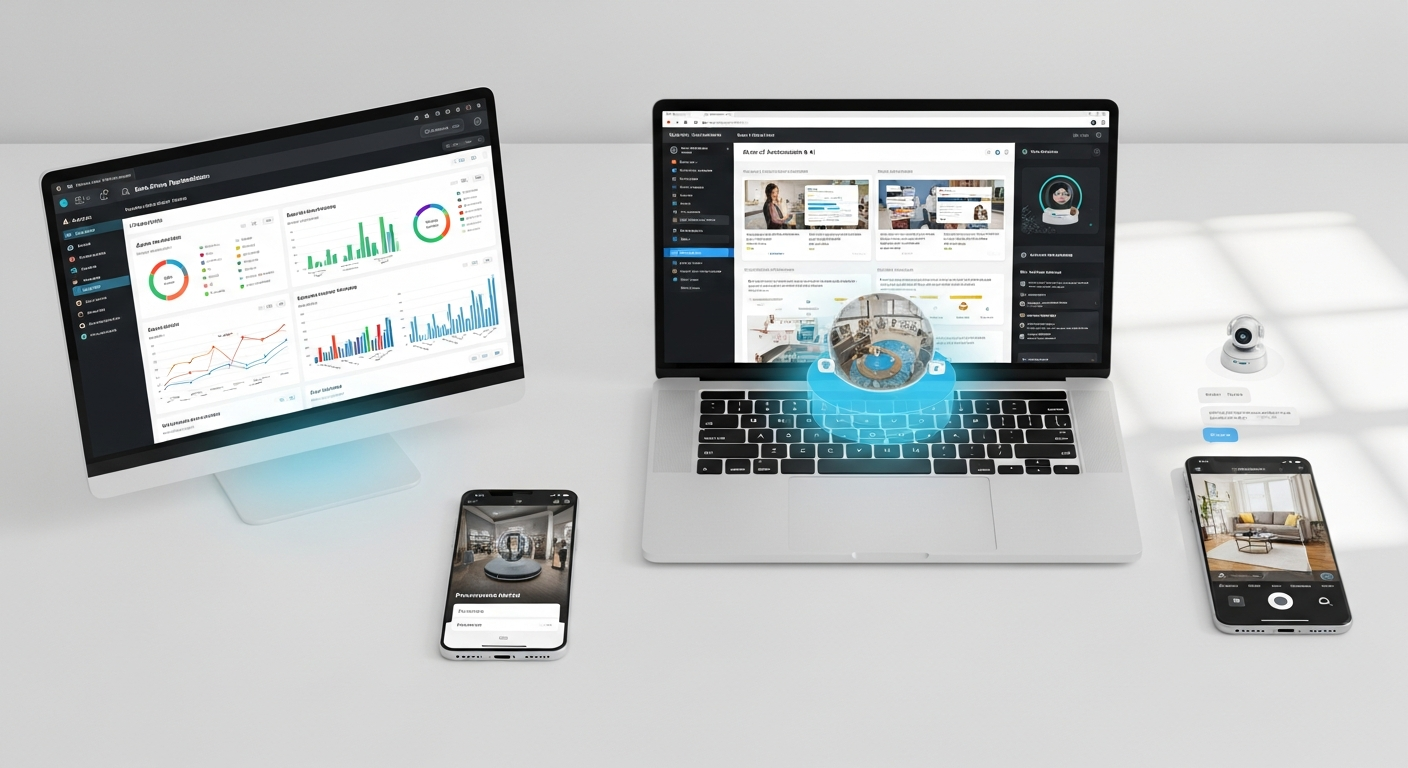
For decades, marketing was often perceived as an art, a delicate balance of creativity and intuition. While creativity remains paramount, the advent of big data and advanced analytics has irrevocably transformed marketing into a quantifiable science. This isn’t just about tracking website visits or conversion rates; it’s about dissecting vast oceans of customer data to understand behaviors, predict future actions, and optimize every single touchpoint with unparalleled precision. The shift is profound: from making educated guesses to making informed, predictive decisions that drive measurable ROI.
At its core, data-driven marketing leverages technology to collect, store, analyze, and interpret customer information from every possible source. Think about the granular detail now available: purchase history, browsing patterns, social media interactions, email engagement, geographical data, device usage, and even sentiment analysis from customer reviews. This mosaic of data moves beyond simple demographics, painting a vivid picture of psychographics—the attitudes, aspirations, values, and lifestyles of your target audience. This depth of insight allows marketers to move past broad segmentation to truly understand individual customer journeys.
Impact for Tech Founders and Startups: This democratization of data analytics is a game-changer for lean startups and ambitious tech founders. Historically, only large enterprises could afford the market research and consumer panels needed for deep insights. Today, a startup with a well-integrated suite of different tech tools to boost your business – a robust CRM, advanced analytics platforms like Google Analytics 4, marketing automation software, and perhaps even a customer data platform (CDP) – can gain insights that rival, or even surpass, those of established giants. This agility allows unknown candidates to take advantage of technology to win, much like disruptive political campaigns have leveraged micro-targeting and data analytics to upset traditional power structures. They can identify niche markets, validate product-market fit with scientific rigor, and iterate on their marketing messages with feedback loops driven by real-time data.
The beauty of this data revolution lies in its ability to foster continuous optimization. A/B testing is no longer a luxury but a fundamental practice. Machine learning algorithms, working behind the scenes, can analyze thousands of campaign variations, identifying the most effective headlines, calls-to-action, or visual elements in fractions of a second. This iterative process ensures that marketing spend is optimized, reducing wasted efforts and maximizing impact. Attribution modeling, a complex but crucial aspect, helps businesses understand which touchpoints truly contribute to a conversion, allowing for smarter budget allocation across channels.
However, the power of data comes with significant responsibilities. Data privacy and ethical use are paramount. As marketers, we must operate with transparency, securing customer trust above all else. Regulations like GDPR and CCPA are not hindrances but guidelines for building a more respectful and sustainable relationship with consumers. Forward-thinking companies are embedding privacy-by-design principles into their data strategies, ensuring that customer consent is central to their data collection and utilization.
By 2026, the ability to collect, analyze, and act on data will be the bedrock of any successful marketing strategy. Founders who invest in understanding their data infrastructure, training their teams in data literacy, and embracing a culture of continuous measurement will be best positioned to outmaneuver competitors and achieve sustainable growth.
2. Personalization at Scale: The AI & Machine Learning Advantage
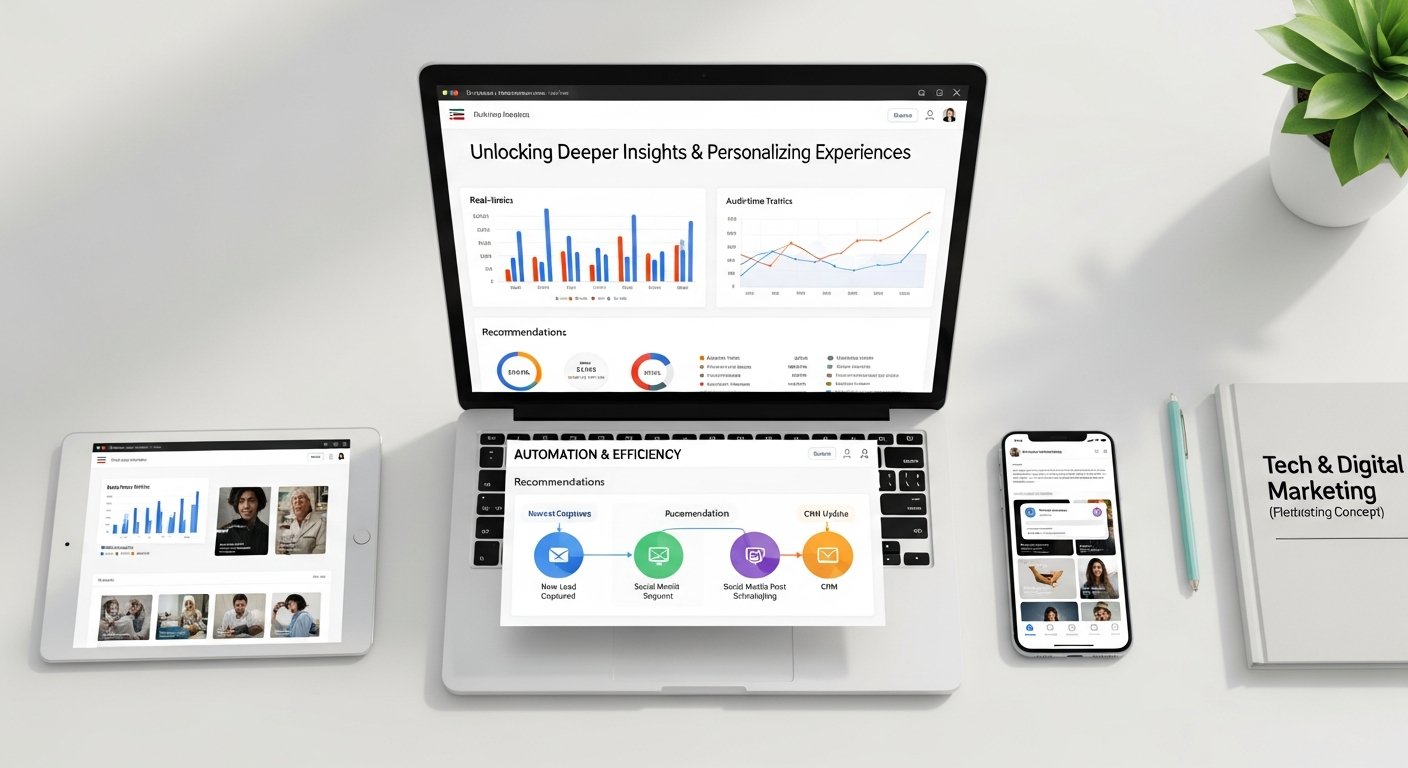
The holy grail of marketing has always been to deliver the right message to the right person at the right time. For decades, this was a manual, labor-intensive, and often hit-or-miss endeavor. Enter Artificial Intelligence (AI) and Machine Learning (ML), technologies that have transformed this aspiration into an achievable reality, enabling personalization at an unprecedented scale. This isn’t just about adding a customer’s name to an email; it’s about dynamically tailoring entire experiences based on individual preferences, behaviors, and even emotional states.
AI’s role in marketing is multifaceted. At a fundamental level, it powers recommendation engines that suggest products or content based on past interactions, similar user behaviors, and predictive analytics. Think of Netflix’s movie suggestions or Amazon’s “customers who bought this also bought…” features. These aren’t random; they are sophisticated ML algorithms working tirelessly to anticipate your next desire. Beyond recommendations, AI is revolutionizing content creation itself. AI-powered copywriting tools can generate compelling headlines, product descriptions, and even entire blog posts, freeing up human marketers to focus on strategy and creative oversight. Image generation AI allows for the rapid creation of diverse visual assets, ensuring campaigns remain fresh and engaging.
Machine Learning, a subset of AI, excels at pattern recognition and predictive modeling. In marketing, ML algorithms can analyze vast datasets to identify subtle trends that humans might miss. This includes predicting which customers are most likely to churn, identifying high-value leads, or even determining the optimal time to send a marketing message for maximum impact. Dynamic content personalization, where different elements of a website or email change in real-time based on the user’s profile and behavior, is a powerful application of ML. This ensures that every interaction feels bespoke, deeply relevant, and genuinely helpful.
Conversational AI and Customer Engagement: Chatbots and conversational AI represent another significant leap. These intelligent agents can handle a wide range of customer inquiries, from answering FAQs to guiding users through complex purchase processes, available 24/7. This not only enhances customer service but also provides invaluable data on customer pain points and preferences, which can then feed back into product development and marketing strategy. For tech startups, deploying an AI-powered chatbot can dramatically improve customer experience and operational efficiency, especially when resources are limited. It’s one of the most effective different tech tools to boost your business by automating repetitive tasks and providing instant support.
The true power of AI and ML lies in their ability to learn and adapt. The more data they process, the smarter they become, continuously refining their predictions and recommendations. This creates a virtuous cycle of improvement, leading to increasingly effective and engaging marketing campaigns. For marketers, this means shifting from a reactive approach to a proactive one, anticipating customer needs before they even articulate them.
However, it’s crucial to remember that AI is a tool, not a replacement for human creativity and empathy. The most successful AI-driven marketing strategies blend algorithmic precision with human insight, ensuring that personalization never feels intrusive or creepy. Ethical considerations, such as avoiding biased algorithms and ensuring transparency, are vital. As we move towards 2026, AI and ML will be indispensable for any brand seeking to create deeply meaningful and individualized connections with its audience, transforming cold data points into warm, engaging customer relationships.
3. The Omnichannel Imperative: Seamless Customer Journeys in a Fragmented World
The distinction between multichannel and omnichannel is critical. Multichannel means having multiple channels. Omnichannel means all those channels work together harmoniously, sharing data and insights to create a single, continuous conversation. Imagine a customer browsing products on your website, adding items to their cart, then receiving a personalized email reminder about those items, and later walking into your physical store where a sales associate, accessing their online browsing history, can offer tailored recommendations. This is true omnichannel in action – a fluid journey where the customer can pick up exactly where they left off, no matter the channel.
Technology Enabling Omnichannel: Achieving this level of integration requires robust technological infrastructure. Customer Data Platforms (CDPs) are at the forefront, acting as central hubs that consolidate customer data from all sources into a single, unified profile. This “golden record” of each customer allows marketers to track their journey, understand their preferences, and personalize interactions across every touchpoint. Marketing automation platforms, CRM systems, and integrated communication tools then leverage this data to orchestrate complex, multi-channel campaigns. The goal is to eliminate silos between departments and channels, ensuring that marketing, sales, and customer service are all working from the same playbook.
For startups, embracing an omnichannel strategy from the outset can be a powerful differentiator. While larger companies struggle with legacy systems and departmental silos, agile startups can build their tech stack with integration in mind. This allows unknown candidates to take advantage of technology to win by delivering a superior customer experience that fosters loyalty and trust. By providing seamless transitions between touchpoints, even a smaller brand can feel more professional and attentive than a larger, more fragmented competitor. It’s about making every interaction count and building a consistent narrative around your brand.
The omnichannel approach also bridges the gap between online and offline experiences. QR codes linking to digital content, in-store beacons offering personalized promotions, and buy-online-pickup-in-store (BOPIS) options are just a few examples of how technology is blurring these traditional lines. The future of retail and customer engagement is inherently hybrid, and brands that excel at connecting these disparate worlds will gain a significant competitive edge.
As we look to 2026, customer expectations for seamless, personalized interactions will only intensify. Brands that fail to provide a cohesive omnichannel experience risk losing customers to competitors who do. Investing in the right different tech tools to boost your business and adopting a customer-centric mindset are crucial steps toward mastering the omnichannel imperative and building lasting customer relationships in an increasingly fragmented digital landscape.
4. Immersive Experiences: AR, VR, and the Metaverse as New Marketing Frontiers
The internet has largely been a 2D experience, but a profound shift is underway towards immersive, interactive, and spatial computing. Technologies like Augmented Reality (AR), Virtual Reality (VR), and the nascent Metaverse are not just novelties; they are rapidly evolving into powerful new marketing frontiers, offering unprecedented ways for brands to engage consumers and create unforgettable experiences. This is about moving beyond passive consumption to active participation, allowing customers to step inside your brand’s world.
Augmented Reality (AR): Bridging Digital and Physical
AR overlays digital information onto the real world, typically through smartphone cameras or smart glasses. Its marketing applications are already widespread and incredibly impactful. Imagine trying on clothes virtually before buying them, visualizing how furniture would look in your living room, or scanning a product label to unlock interactive content and special offers. AR enhances the physical shopping experience, reduces buyer’s remorse, and provides a playful, engaging way for consumers to interact with products. For brands, AR offers a powerful tool for product visualization, interactive storytelling, and even gamified promotions. It makes the intangible tangible and brings products to life in the customer’s own environment.
Virtual Reality (VR): Creating Brand New Worlds
VR, by contrast, completely immerses users in a simulated environment. While still somewhat niche due to hardware requirements, VR offers unparalleled opportunities for experiential marketing. Brands can create virtual showrooms, allowing customers to explore products in stunning detail from anywhere in the world. Travel companies can offer virtual tours of destinations, real estate agents can provide immersive property walkthroughs, and automotive brands can let customers “test drive” their latest models in a virtual environment. VR is about creating emotional connections through deeply engaging experiences, fostering brand loyalty and memorability in ways traditional advertising cannot.
The Metaverse: The Next Digital Frontier for Brands
The Metaverse is the logical evolution of these immersive technologies—a persistent, interconnected network of 3D virtual worlds where users can socialize, work, play, and shop. While still in its early stages, the potential for marketing is enormous. Brands are already establishing virtual storefronts, hosting concerts, launching digital products (NFTs), and creating branded experiences within platforms like Roblox, Decentraland, and Fortnite. The Metaverse offers a new realm for community building, brand storytelling, and even virtual economies where digital goods and services can be bought and sold. It represents a paradigm shift from advertising to consumers to creating environments where consumers live with brands.
Challenges and Opportunities for Tech Founders: Adopting immersive technologies isn’t without its challenges, including high development costs, the need for specialized skills, and varying adoption rates among consumers. However, for forward-thinking tech founders, the opportunities for early movers are immense. Being among the first to establish a compelling presence in these new digital spaces can generate significant brand buzz, attract a younger demographic, and position your company as an innovator. This is where tips for women in tech startups become especially relevant; diverse teams, including women leaders and engineers, are crucial in shaping these new digital worlds to be inclusive, representative, and user-friendly. Their unique perspectives can help design experiences that resonate with a broader audience, ensuring the Metaverse doesn’t replicate existing biases but instead fosters truly equitable and engaging interactions. The right different tech tools to boost your business here might include AR/VR development kits, 3D modeling software, and partnerships with specialized agencies.
By 2026, AR and VR will become more accessible and integrated into everyday life, and the Metaverse will mature into a significant channel for brand engagement. Marketers who understand how to craft compelling, interactive narratives within these immersive environments will be at the forefront of a new wave of digital marketing, transforming passive audiences into active participants in their brand’s story.
5. The Evolution of Advertising: Programmatic, Native, and Social Commerce
The advertising landscape is a dynamic ecosystem, constantly evolving to meet consumer expectations and leverage technological advancements. Gone are the days of broad, untargeted campaigns; the current era, and certainly by 2026, is defined by hyper-targeted, contextually relevant, and seamlessly integrated advertising experiences. This evolution is driven by sophisticated technologies that allow for unprecedented precision, efficiency, and engagement.
Programmatic Advertising: Precision at Scale
Programmatic advertising has revolutionized ad buying by automating the process of purchasing and selling ad inventory through real-time bidding. Instead of manual negotiations, AI and machine learning algorithms analyze vast amounts of data (user demographics, browsing history, context of the webpage, time of day, device, etc.) in milliseconds to determine the optimal ad placement and bid price for a specific user. This results in highly efficient targeting, reduced ad waste, and improved ROI. For marketers, programmatic means reaching the right audience with the right message at the perfect moment, across a multitude of platforms and publishers, all while optimizing performance in real-time. It’s a cornerstone of any modern digital advertising strategy, providing unmatched scale and precision.
Native Advertising: Blending In, Standing Out
As consumers grow increasingly ad-fatigued, native advertising offers a refreshing alternative. Native ads are designed to seamlessly blend into the surrounding content and user experience of a platform, making them less disruptive and more engaging. This could be a sponsored article on a news site, an in-feed ad on social media, or a promoted listing on an e-commerce platform. The key is that the ad matches the form and function of the platform it appears on, providing value to the user rather than interrupting their experience. This subtle approach fosters trust and can lead to higher engagement rates compared to traditional banner ads. Marketers must prioritize transparency and ensure the content is genuinely valuable to avoid misleading consumers.
Social Commerce: The Blurring Lines of Shopping and Socializing
Social media platforms are no longer just for connecting with friends; they have rapidly evolved into powerful commerce hubs. Social commerce integrates shopping experiences directly within social media platforms, allowing users to discover, browse, and purchase products without ever leaving the app. Features like in-app checkouts, shoppable posts, live stream shopping, and direct messaging for customer service are transforming social platforms into potent sales channels. Influencer marketing, particularly with micro and nano-influencers, plays a crucial role here, as authentic recommendations from trusted voices drive significant purchasing decisions. For brands, this means creating compelling visual content, leveraging user-generated content, and fostering direct, conversational sales interactions. It’s about meeting the customer where they are and making the path to purchase as frictionless as possible.
Video Content and Live Streaming: Engaging in Motion
The dominance of video content continues to grow, with platforms like TikTok, YouTube Shorts, and Instagram Reels commanding massive user attention. Live streaming, in particular, offers a unique opportunity for real-time engagement, product demonstrations, Q&A sessions, and flash sales. It creates a sense of immediacy and authenticity that static content cannot replicate. Brands are leveraging this by collaborating with influencers, hosting virtual events, and providing behind-the-scenes glimpses that build community and trust.
These advertising evolutions are deeply intertwined with the different tech tools to boost your business. Ad tech platforms manage programmatic campaigns, social media management tools facilitate content creation and scheduling, and influencer marketing platforms connect brands with the right voices. As we approach 2026, the successful marketer will be adept at navigating this complex ecosystem, leveraging technology to deliver personalized, non-intrusive, and highly effective advertising that truly resonates with the modern consumer.
6. Future-Proofing Your Marketing Strategy in 2026 and Beyond
The rapid pace of technological innovation means that standing still in marketing is akin to moving backward. For tech founders and digital marketers, future-proofing your strategy isn’t about predicting the exact next big thing, but rather about building an agile, adaptable, and ethically conscious framework that can embrace change. As we look towards 2026 and beyond, several core principles will define success.
Embrace Continuous Learning and Adaptation: The most crucial asset in a rapidly evolving landscape is a mindset of continuous learning. Marketers must stay abreast of new technologies, platform changes, and emerging consumer behaviors. This means regular training, experimentation with new tools, and a willingness to pivot strategies based on data and market feedback. Building an agile marketing team that can quickly test, learn, and iterate is paramount. This agility is what allows unknown candidates to take advantage of technology to win, by being faster and more responsive than larger, more bureaucratic incumbents.
Strategic Investment in MarTech Stacks: Your marketing technology (MarTech) stack is the backbone of your operations. Future-proofing involves strategically investing in integrated solutions that offer scalability, robust analytics, and automation capabilities. This includes advanced CRMs, CDPs, AI-powered personalization engines, marketing automation platforms, and sophisticated analytics tools. The goal is to create a seamless flow of data and insights across all marketing functions, ensuring that your different tech tools to boost your business work in concert, not in silos.
Prioritize Ethical AI and Data Privacy: As AI becomes more embedded in marketing, ethical considerations move to the forefront. Brands must commit to using AI responsibly, ensuring algorithms are unbiased, data collection is transparent, and consumer privacy is protected above all else. Building trust is harder than ever, and a single misstep in data handling or AI usage can severely damage a brand’s reputation. Future-proof strategies will embed privacy-by-design and ethical AI principles into every aspect of their operations, fostering long-term customer relationships built on respect and transparency.
Focus on Human Connection Amidst Automation: While automation and AI drive efficiency, the human element remains irreplaceable. The most successful brands in 2026 will be those that use technology to enhance human connection, not replace it. This means leveraging AI for hyper-personalization that feels authentic, not robotic. It means freeing up human marketers to focus on high-level strategy, creativity, and empathy. The art of storytelling, community building, and genuine customer engagement will be more vital than ever, amplified by intelligent technology.
Champion Diversity and Inclusivity in Marketing Teams: A future-proof marketing strategy requires diverse perspectives. This is where tips for women in tech startups and other underrepresented groups become critical. Diverse teams, including women in leadership and technical roles, bring a broader range of insights, challenge assumptions, and help create marketing campaigns that resonate with a wider, more inclusive audience. Their unique experiences can lead to innovative solutions, identify potential biases in AI algorithms, and ensure that marketing messages are culturally sensitive and broadly appealing. Investing in diversity isn’t just a social good; it’s a strategic imperative for creativity, innovation, and ethical decision-making in the complex marketing landscape of 2026.
In essence, future-proofing your marketing strategy is about cultivating a culture of innovation, agility, and ethical responsibility. It’s about viewing technology not as a static solution, but as an ever-evolving partner in your quest to connect with customers in more meaningful and impactful ways. Brands that embrace these principles will not just survive the relentless pace of change, but thrive, leading the charge into marketing’s exciting new era.