Pinterest Marketing Strategy for Business 2026: The Founder’s Definitive Guide to Visual Growth
Understanding Pinterest’s 2026 Landscape & Audience Intent
To succeed on Pinterest, you must first shed the “social media” mindset. Pinterest positions itself as a “visual discovery engine for finding ideas like recipes, home and style inspiration, and more.” Users come to Pinterest to plan, dream, and ultimately, buy. They are actively searching for solutions, products, and inspiration related to their lives and aspirations. This intrinsic commercial intent is Pinterest’s superpower, making it a highly effective platform for driving traffic, leads, and sales.
The Evolving Pinterest User: Beyond Stereotypes
While often associated with home décor and fashion, Pinterest’s audience is incredibly diverse and expanding. In 2026, you’ll see:
- Broadening Demographics: While women still dominate, male users are a rapidly growing segment, particularly in categories like automotive, tech, and fitness. Gen Z and Millennials are key drivers of engagement, using the platform for everything from career planning to travel inspiration.
- High Purchase Intent: According to Pinterest’s own data, 85% of Pinners use Pinterest to plan new projects, and 48% of Pinners shop on Pinterest, compared to 10% on other social media platforms. They’re not passively scrolling; they’re actively seeking products and services to fulfill their plans.
- Long-Term Value: Unlike ephemeral social posts, Pins have a long shelf life. An evergreen Pin can continue to drive traffic and sales for months, even years, providing sustained ROI.
This user behavior translates directly into opportunity. If your business offers products or services that inspire, solve a problem, or facilitate planning (e.g., e-commerce, SaaS with visual use cases, educational content, B2B services with visually explainable benefits), Pinterest is a fertile ground for growth.
Building Your Optimized Pinterest Profile & Content Foundation
Your Pinterest presence needs to be a well-oiled machine, optimized from the ground up to attract, engage, and convert. This isn’t about vanity metrics; it’s about building an engine for lead generation and sales.
Profile Optimization: Your Digital Storefront
- Switch to a Business Account: This is non-negotiable. It unlocks Pinterest Analytics, the Ads Manager, and Rich Pins—all critical tools for a data-driven strategy.
- Claim Your Website & Other Platforms: Claiming your website verifies your content, provides attribution for your Pins, and enables Rich Pins. Also claim your Instagram, Etsy, and YouTube if relevant, expanding your cross-platform reach.
- Keyword-Rich Profile: Your display name and “About” section should clearly state what you do and include relevant keywords. Think about what your ideal customer is searching for. For example, instead of just “InnovateTech,” use “InnovateTech | AI-Powered Productivity Tools for Startups.”
- High-Quality Profile Picture: Use your brand logo for instant recognition.
Crafting a Content Strategy for 2026: Pin Types & Purpose
- Standard Pins (Image Pins): These are your workhorses.
- Visuals: High-resolution, vertically oriented (2:3 aspect ratio, e.g., 1000x1500px). Use compelling imagery that stops the scroll.
- Text Overlay: Add concise, benefit-driven text overlays to instantly communicate value.
- Description: A keyword-rich description (150-300 characters) that tells Pinners what they’ll find on your linked page and includes a clear call to action (CTA).
- Destination URL: Always link to the most relevant page on your website (product page, blog post, landing page).
Example: An e-commerce startup selling ergonomic office furniture creates a pin with a stunning image of a minimalist desk setup, text overlay “Boost Productivity: Shop Our Ergonomic Desks,” and a description rich in keywords like “home office setup,” “ergonomic solutions,” “startup productivity.”
- Video Pins: Engage users with motion.
- Format: Short (15-60 seconds is ideal), high-quality, auto-play friendly (captions are crucial).
- Content: Product demonstrations, quick tutorials, behind-the-scenes glimpses, “how-to” guides.
- Purpose: Build brand awareness, demonstrate value, drive engagement before clicking through.
Example: A SaaS startup for project management creates a 30-second video pin demonstrating a new feature, showing a quick workflow, and linking to a blog post detailing the feature’s benefits.
- Idea Pins: Pinterest’s answer to short-form video, designed for engagement and storytelling.
- Multi-page format: Combine videos, images, text, and music.
- Focus: Tutorials, step-by-step guides, lists, before-and-afters, product showcases.
- Engagement: Encourage saves and shares. Tags for topics are crucial for discoverability.
- Value: While they don’t have direct outbound links on each page, you can tag products (if you have a shop) and add a “list” feature linking to your website in the details. They are powerful for building audience and reach.
Example: A sustainable fashion brand creates an Idea Pin titled “5 Ways to Style Our Eco-Friendly Jacket,” showing different outfits on each page, tagging the product, and linking to their collection page in the “more details” section.
- Product Pins (Rich Pins for Shopping): Your direct sales channel.
- Automatic Sync: Connect your product catalog (e.g., Shopify, WooCommerce) to Pinterest.
- Real-time Info: Product Pins automatically pull real-time pricing, availability, and product descriptions directly from your website.
- Purpose: Streamline the path to purchase. Users can see updated product info and click directly to buy.
Framework: Consider the AIDA (Awareness, Interest, Desire, Action) model. Idea Pins and some Video Pins build Awareness and Interest. Standard Pins drive Interest and Desire. Product Pins facilitate Action.
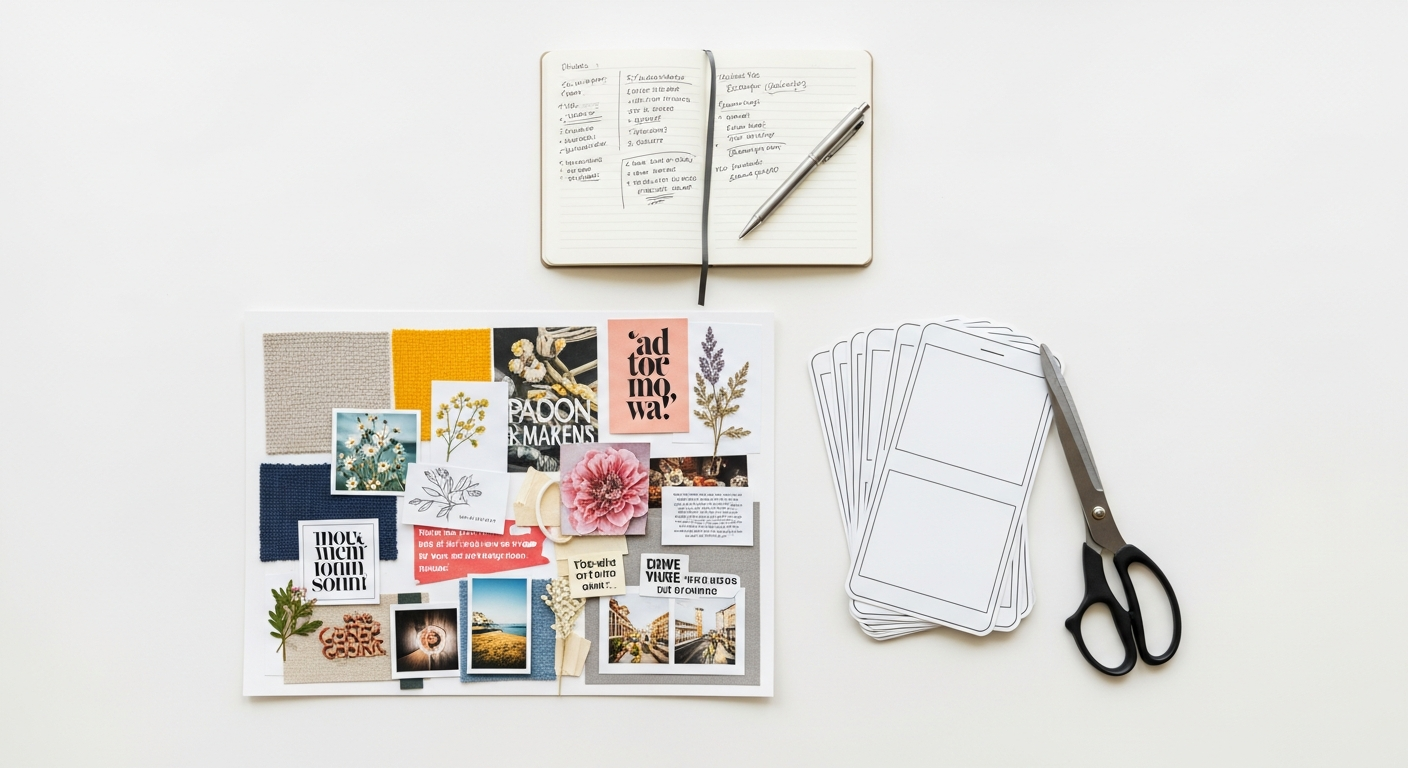
Tool: Use design tools like Canva or Tailwind Create to quickly generate visually appealing Pins consistent with your brand.
Advanced Pinning Strategies & SEO for Maximum Reach
Visibility on Pinterest isn’t accidental; it’s engineered through smart SEO and consistent, strategic pinning. Think of Pinterest as a search engine where visuals are paramount, but keywords are the backbone.
Mastering Pinterest SEO: The Keyword Conundrum
Unlike Google, Pinterest SEO relies on understanding user intent within a visual context. Your goal is to align your content with what Pinners are actively searching for.
- Keyword Research:
- Pinterest Search Bar: Start typing keywords related to your niche and observe the auto-suggested terms. These are real user queries.
- Pinterest Trends: Use this official tool to identify trending topics and keywords, helping you create timely, relevant content.
- Competitor Analysis: See what keywords successful competitors are using in their Pin descriptions and board titles.
- Google Keyword Planner: Don’t overlook traditional SEO tools. High-volume Google keywords often translate well to Pinterest, especially for blog post Pins.
- Strategic Keyword Placement:
- Pin Titles: Make them descriptive and keyword-rich (e.g., “AI Tools for Startup Growth 2026” instead of just “Growth Tools”).
- Pin Descriptions: Write detailed, natural-sounding descriptions (150-300 characters is a sweet spot) incorporating your primary and secondary keywords. Tell a story, provide context, and include a clear CTA.
- Board Titles & Descriptions: Optimize these heavily. Boards categorize your content, and their titles and descriptions are critical for Pinterest to understand your niche. A board titled “Startup Growth Strategies” with a description detailing “marketing tactics, funding tips, and productivity hacks for entrepreneurs” is far more powerful than “My Ideas.”
- Hashtags: Use 5-10 relevant hashtags per Pin. Mix broad, high-volume hashtags with niche, long-tail ones. Pinterest treats hashtags as keywords, aiding discoverability.
- Image Alt Text: Although often overlooked, this helps Pinterest understand the visual content of your Pin and improves accessibility.
Smart Pinning & Scheduling: Consistency is King
The Pinterest algorithm rewards consistent activity. You can’t just drop a few Pins and expect exponential growth.
- Daily Pinning: Aim for 5-10 new Pins per day. This might sound like a lot, but it includes both your own content and curated content.
- Repurposing Content: Don’t reinvent the wheel. Transform blog posts into multiple Pins, create short videos from longer ones, or turn infographics into Idea Pins. One piece of content can generate dozens of Pins.
- Curating Third-Party Content: Pinning high-quality, relevant content from other creators (always linking to their original source) helps position your brand as a valuable resource and fills gaps in your content calendar. Aim for a 70/30 split: 70% your content, 30% curated.
- Strategic Board Structure: Organize your boards logically, each focusing on a specific sub-niche. This helps users navigate your profile and helps Pinterest categorize your content accurately.
- Automation Tools: For consistent, intelligent scheduling, a tool like Tailwind is invaluable. It suggests optimal pinning times, allows bulk scheduling, and offers “SmartLoop” for evergreen content. It also provides access to Tailwind Communities (formerly Tribes), collaborative groups where you can share your Pins and find new content to curate, dramatically increasing reach.
Example: A B2B marketing agency creates a board titled “SaaS Marketing Strategies 2026” with a detailed description. They pin their own blog posts on lead generation, create Idea Pins with marketing checklists, and curate relevant articles from industry leaders, all scheduled consistently using Tailwind.
Leveraging Pinterest Ads for Scalable Growth
While organic reach on Pinterest is robust, paid amplification is how you scale rapidly and precisely target your ideal customer. Pinterest ads are unique because they tap into that pre-existing commercial intent.
Why Pinterest Ads are Different
Unlike interruptive ads on other platforms, Pinterest ads feel native. A Promoted Pin blends seamlessly into a user’s feed, often appearing as just another inspiring idea. This reduces ad fatigue and increases receptivity.
Key Ad Formats for 2026
- Standard Ads: Promoted image Pins, ideal for driving traffic to landing pages or product pages.
- Video Ads: Promoted video Pins, excellent for brand storytelling, product demos, or tutorials.
- Shopping Ads: Directly promote products from your catalog. These are highly effective for e-commerce, linking directly to product pages with real-time pricing.
- Idea Pin Ads: Leverage the engagement power of Idea Pins for paid reach. Great for building brand awareness and deep engagement.
- Collections Ads: Showcase multiple products in one ad, creating a mini-catalog experience.
Targeting Options: Precision for Your Budget
Pinterest’s targeting capabilities allow you to reach your most valuable audience segments:
- Keywords: Target users actively searching for specific terms relevant to your business. This is highly effective due to Pinterest’s search engine nature.
- Interests: Reach users based on their expressed interests and saved Pins (e.g., “sustainable living,” “small business marketing,” “home automation”).
- Audience Targeting:
- Customer Lists: Upload your customer email lists for precise targeting or exclusion.
- Website Visitors (Remarketing): Target users who have visited your website but haven’t converted. This is a high-ROI strategy.
- Actalikes (Lookalikes): Reach new users who share similar characteristics to your existing customers or website visitors.
- Demographics: Refine by age, gender, location.
Campaign Objectives & Optimization
Align your ad campaigns with specific business goals:
- Brand Awareness: Maximize impressions for brand recognition.
- Video Views: Drive views for your video content.
- Traffic: Send users to your website, blog, or landing pages.
- Conversions: Optimize for specific actions like sign-ups, lead generation, or purchases. This requires proper Pinterest Tag setup.
- Catalog Sales: Promote products from your uploaded catalog directly to shoppers.
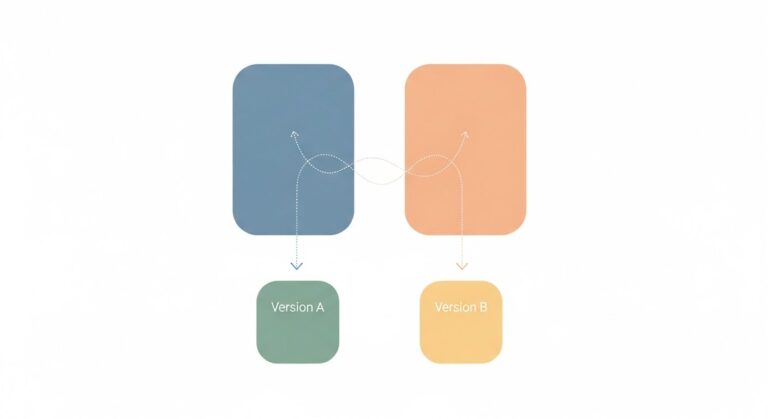
Tracking & Iteration: Install the Pinterest Tag on your website to track conversions and build remarketing audiences. A/B test different ad creatives, copy, and targeting segments. Continuously monitor your Cost Per Click (CPC) and Cost Per Acquisition (CPA) to optimize for efficiency.
Framework: Employ a funnel-based ad strategy. Use Idea Pin Ads or Video Ads for awareness, then target those engaged users with Standard Ads for consideration, and finally, remarket with Shopping Ads for conversion.
Example: A subscription box startup runs an Idea Pin Ad showcasing the unboxing experience to build awareness. They then retarget users who viewed the Idea Pin with a Standard Ad promoting a limited-time discount, linking directly to their sign-up page. For those who visit but don’t convert, they run Shopping Ads featuring specific past box items.
Analytics, Optimization & Future-Proofing Your Strategy
A Pinterest strategy without robust analytics is flying blind. Data is your compass, guiding every optimization and future-proofing decision.
Deep Dive into Pinterest Analytics
Your business account’s analytics dashboard is a treasure trove of insights. Don’t just glance; dissect the data:
- Overview Dashboard: Get a snapshot of impressions, engagements, outbound clicks, and saves. Track trends over time.
- Audience Insights: Understand your audience’s demographics, interests, and what else they’re pinning. This helps refine content creation and ad targeting.
- Top Pins & Boards: Identify your highest-performing content. What visuals, descriptions, and topics resonate most? Double down on these formats and themes.
- Website Performance: Track how much traffic Pinterest is sending to your site, and what actions those users are taking (when integrated with Google Analytics).
- Outbound Clicks vs. Saves: While saves indicate interest, outbound clicks are the direct path to your website. Optimize for both, but prioritize clicks for conversion-focused goals.
Connecting to Google Analytics: For a holistic view, ensure your Google Analytics is properly set up to track Pinterest traffic. This allows you to see user behavior post-click: bounce rate, time on site, pages per session, and conversion rates, giving you the complete funnel picture.
A/B Testing & Iteration: The Growth Imperative
Growth isn’t linear; it’s iterative. Continuously test and refine your approach:
- Pin Designs: Experiment with different image styles, text overlays, color palettes, and CTA placements.
- Descriptions & Titles: Test variations in keywords, length, and emotional appeals.
- CTAs: “Shop Now,” “Learn More,” “Get Your Free Guide”—which drives the most action?
- Landing Pages: Ensure the page linked from your Pin provides a seamless, high-value experience. A/B test different landing page layouts and offers.
Tool: Use simple spreadsheets to track your A/B test results, noting the variables, dates, and key metrics. This systematic approach ensures you’re making data-backed decisions.
Future-Proofing Your Strategy for 2026 and Beyond
Pinterest, like all digital platforms, evolves. Staying ahead means anticipating changes:
- Monitor Pinterest Trends & News: Regularly check Pinterest’s official blog and industry news for new features, algorithm updates, and emerging trends.
- Embrace AI: Pinterest is heavily investing in AI for visual search, recommendations, and shopping. Leverage AI-powered tools for content creation (e.g., generating pin ideas, writing descriptions) and explore how AI might enhance your ad targeting and optimization.
- Focus on Immersive Experiences: As AR (Augmented Reality) and VR (Virtual Reality) become more mainstream, Pinterest will likely integrate more immersive shopping experiences (e.g., virtual try-on for products). Be ready to experiment with these as they roll out.
- Prioritize Video: Video content continues to dominate. Invest in high-quality, short-form video content specifically designed for Pinterest’s vertical format.
- Value-First Content: The algorithm rewards content that genuinely adds value to the Pinner. Focus on inspiration, education, and utility over purely promotional content.
Framework: Adopt a “Plan, Do, Check, Act” (PDCA) cycle for continuous improvement. Plan your experiments, execute them, check the results, and act on the insights to refine your next plan.
Conclusion
Pinterest in 2026 is far more than a mood board; it’s a sophisticated visual search and discovery engine, brimming with users actively seeking inspiration and solutions. For the astute startup founder, this represents an unparalleled opportunity for high-intent traffic, lead generation, and direct sales. By adopting a data-driven approach, optimizing your profile and content, mastering Pinterest SEO, strategically leveraging ads, and continuously analyzing performance, you can transform Pinterest into a powerful, scalable growth channel. Stop viewing Pinterest as an afterthought and start treating it as the strategic imperative it is. The visual web awaits your dominance.
“`json
{
“@context”: “https://schema.org”,
“@graph”: [
{
“@type”: “Article”,
“mainEntityOfPage”: {
“@type”: “WebPage”,
“@id”: “https://eamped.com/pinterest-marketing-strategy-2026”
},
“headline”: “Pinterest Marketing Strategy for Business 2026: The Founder’s Definitive Guide to Visual Growth”,
“description”: “Unlock unparalleled growth for your startup with a data-driven Pinterest marketing strategy for 2026. This comprehensive guide for founders covers profile optimization, advanced SEO, ad strategies, and analytics to drive traffic and sales.”,
“image”: [
“https://eamped.com/images/pinterest-strategy-2026-hero.jpg”,
“https://eamped.com/images/pinterest-analytics-dashboard.jpg”,
“https://eamped.com/images/pinterest-idea-pin-example.jpg”
],
“author”: {
“@type”: “Person”,
“name”: “Eamped Content Team”
},
“publisher”: {
“@type”: “Organization”,
“name”: “Eamped”,
“logo”: {
“@type”: “ImageObject”,
“url”: “https://eamped.com/images/eamped-logo.png”
}
},
“datePublished”: “2024-07-29T08:00:00+00:00”,
“dateModified”: “2024-07-29T08:00:00+00:00”,
“keywords”: “Pinterest marketing strategy, business 2026, startup growth, digital marketing, visual search, Pinterest SEO, Pinterest ads, e-commerce, content strategy, entrepreneur, 2026”
},
{
“@type”: “FAQPage”,
“mainEntity”: [
{
“@type”: “Question”,
“name”: “Is Pinterest still relevant for B2B businesses in 2026?”,
“acceptedAnswer”: {
“@type”: “Answer”,
“text”: “Absolutely. While often perceived as B2C, Pinterest’s visual nature and planning mindset make it highly relevant for B2B, especially for businesses with visually-driven solutions or educational content. Think SaaS companies showcasing UI/UX, agencies sharing infographics on strategy, or consultants offering productivity hacks. If your service or solution can be visually explained or inspires professional growth, there’s a B2B audience planning their next move on Pinterest.”
}
},
{
“@type”: “Question”,
“name”: “How often should I pin to Pinterest for optimal results?”,
“acceptedAnswer”: {
“@type”: “Answer”,
“text”: “Consistency trumps volume. Aim for 5-10 new Pins per day, including a mix of your original content and curated high-quality, relevant third-party content. Tools like Tailwind are crucial for maintaining this schedule efficiently without manual effort, ensuring your content is seen regularly by the algorithm and your audience.”
}
},
{
“@type”: “Question”,
“name”: “What’s the biggest mistake startups make on Pinterest?”,
“acceptedAnswer”: {
“@type”: “Answer”,
“text”: “Treating Pinterest like another social media platform. The biggest mistake is focusing on followers and vanity metrics instead of outbound clicks and conversions. Pinterest is a search and discovery engine; users are looking for ideas and solutions, not just to connect. Founders must prioritize high-quality, keyword-optimized Pins that link directly to valuable content or product pages to drive business results.”
}
},
{
“@type”: “Question”,
“name”: “How important are Idea Pins for growth in 2026?”,
“acceptedAnswer”: {
“@type”: “Answer”,
“text”: “Idea Pins are increasingly important. While they don’t have direct outbound links on every page, they are powerful for building brand awareness, engagement, and audience. Pinterest actively promotes Idea Pins, making them excellent for discoverability. Leverage them for tutorials, storytelling, and showcasing products in context. You can still drive traffic by tagging products (if applicable) and including a link in the \”more details\” section.”
}
},
{
“@type”: “Question”,
“name”: “What’s a realistic ROI timeframe for Pinterest marketing?”,
“acceptedAnswer”: {
“@type”: “Answer”,
“text”: “For organic Pinterest marketing, expect to see significant ROI within