How to Build a High-Converting Startup Landing Page in 2026?
Trusted by leading startups for growth strategies.

TL;DR: Building a high-converting startup landing page in 2026 requires a future-proof strategy focusing on AI-driven personalization, lightning-fast performance, ethical data use, and a dynamic, mobile-first UX. Prioritize clear, benefit-driven messaging, leverage advanced analytics for continuous optimization, and select a tech stack that offers both speed and scalability to capture and convert your target audience effectively.

Why Does Your Startup Landing Page Need a Future-Proof Strategy in 2026?
The digital environment of 2026 is a complex tapestry woven with threads of advanced AI, heightened privacy concerns, and an omnipresent mobile-first mentality. For a startup, simply having a landing page is no longer enough; it must be a hyper-optimized, intelligent entity designed for the future. User expectations have skyrocketed. They demand instant gratification, perfectly tailored experiences, and absolute transparency regarding their data. A landing page that merely presents information will flounder; one that anticipates needs, offers immediate value, and builds trust will thrive.
How does AI personalization impact landing page conversions?
Consider the impact of AI. By 2026, AI-powered personalization isn’t a luxury, but a baseline expectation. Your landing page should dynamically adapt its content, imagery, and calls-to-action (CTAs) based on user demographics, previous interactions, referral sources, and even real-time behavioral cues. Imagine a visitor arriving from a LinkedIn ad targeting B2B SaaS founders seeing messaging specifically about enterprise solutions, while a visitor from a TikTok ad targeting Gen Z entrepreneurs sees content focused on ease of use and rapid iteration – all from the same core URL. This level of dynamic content delivery, powered by tools like Optimizely or even custom AI scripts integrated with your CMS, can boost conversion rates by an estimated 15-20% according to recent industry analyses.
Why is performance paramount for 2026 startup landing pages?
Performance remains paramount. Google’s Core Web Vitals (CWV) are not just SEO metrics; they are user experience indicators. Beyond basic optimization, consider how your landing page structure can support broader link building efforts and advanced schema implementation to enhance search visibility. In 2026, pages that load slowly, exhibit visual instability, or have poor interactivity will be penalized not only by search engines but, more critically, by impatient users. A study by Portent found that a 1-second delay in page load time can lead to a 7% reduction in conversions (Source: Portent). With average mobile connection speeds continuing to improve, users expect sub-2-second load times as a minimum. This necessitates lightweight code, optimized images (think WebP or AVIF formats), efficient server responses, and leveraging Content Delivery Networks (CDNs) like Cloudflare or Akamai. Furthermore, the shift towards a cookieless future means your analytics and personalization strategies must evolve. First-party data collection and server-side tracking will become crucial, requiring deeper integration with your CRM and analytics platforms (e.g., GA4 with server-side tagging) to maintain accurate user insights without relying on deprecated third-party cookies. Building trust through transparent data practices and robust security (SSL is non-negotiable) will also differentiate your startup in a crowded, privacy-conscious market. Your 2026 landing page must be a fortress of performance, personalization, and privacy.

How Can You Craft Irresistible Messaging for Your Startup Landing Page in 2026?

In the noise of the 2026 digital ecosystem, your landing page messaging isn’t just about what you say, but how impactful, concise, and relevant it is. The average human attention span continues to shrink, making the first few seconds critical for capturing interest. Your value proposition needs to be articulated with surgical precision, answering the user’s unspoken question: “What’s in it for me?” within seconds. This means moving beyond generic statements to specific, quantifiable benefits that solve a tangible problem for your target audience.
🚀 How to Craft Empathetic Messaging for Your Startup Landing Page?
Your headline is the hook. It must be compelling, benefit-driven, and ideally, include a strong emotional trigger or a clear promise. Sub-headlines should elaborate slightly, providing context and reinforcing the main promise. The body copy needs to be scannable, using bullet points, bolded text, and short paragraphs to convey information quickly. Focus on transformation: what will your user achieve or become by using your product? Incorporate social proof prominently – not just testimonials, but specific success stories, logos of recognizable clients, or impressive growth statistics. For instance, “Trusted by 5,000+ startups to boost their sales by an average of 25% in Q1 2026.” Finally, your Call-to-Action (CTA) is the sinker. It must be clear, action-oriented, and create a sense of urgency or exclusivity. Avoid generic “Submit” buttons. Instead, use phrases like “Start Your Free 14-Day Trial,” “Get My Custom AI Report,” or “Unlock Exclusive Features Now.” A/B testing different CTA texts, colors, and placements can yield significant conversion lifts, sometimes as much as 10-15% with a well-optimized button.

What UX/UI Principles Drive Conversion for Startup Landing Pages in 2026?
In 2026, a landing page’s design is far more than aesthetic appeal; it’s a strategic architecture built to guide users seamlessly towards conversion. User Experience (UX) and User Interface (UI) are inextricably linked, forming the silent salesperson that directs attention, builds trust, and simplifies decision-making. The first principle is clarity: every element on your page should serve a purpose in driving the user towards your primary CTA. Clutter, distracting animations, or ambiguous navigation will hemorrhage conversions.
Visual hierarchy is paramount. Use size, color, contrast, and negative space to draw the user’s eye to the most important elements – your headline, key benefits, and especially your CTA. The “F-pattern” or “Z-pattern” reading habits still hold true, so place your strongest value propositions and CTAs along these natural eye paths. Mobile responsiveness is no longer a feature but a foundational requirement. With over 60% of web traffic now originating from mobile devices, your landing page must look and function flawlessly across all screen sizes. This means adaptive layouts, touch-friendly elements, and optimized image sizes for rapid mobile loading. Tools like Google’s Lighthouse audit can help identify mobile performance bottlenecks. Consider implementing AMP (Accelerated Mobile Pages) for critical landing pages if speed is a top priority, although its broader adoption has seen some shifts.
🚀 How to Integrate Trust Signals and Video for Higher Conversions?

What Tech Stack is Best for Speed & Scalability for Startup Landing Pages in 2026?
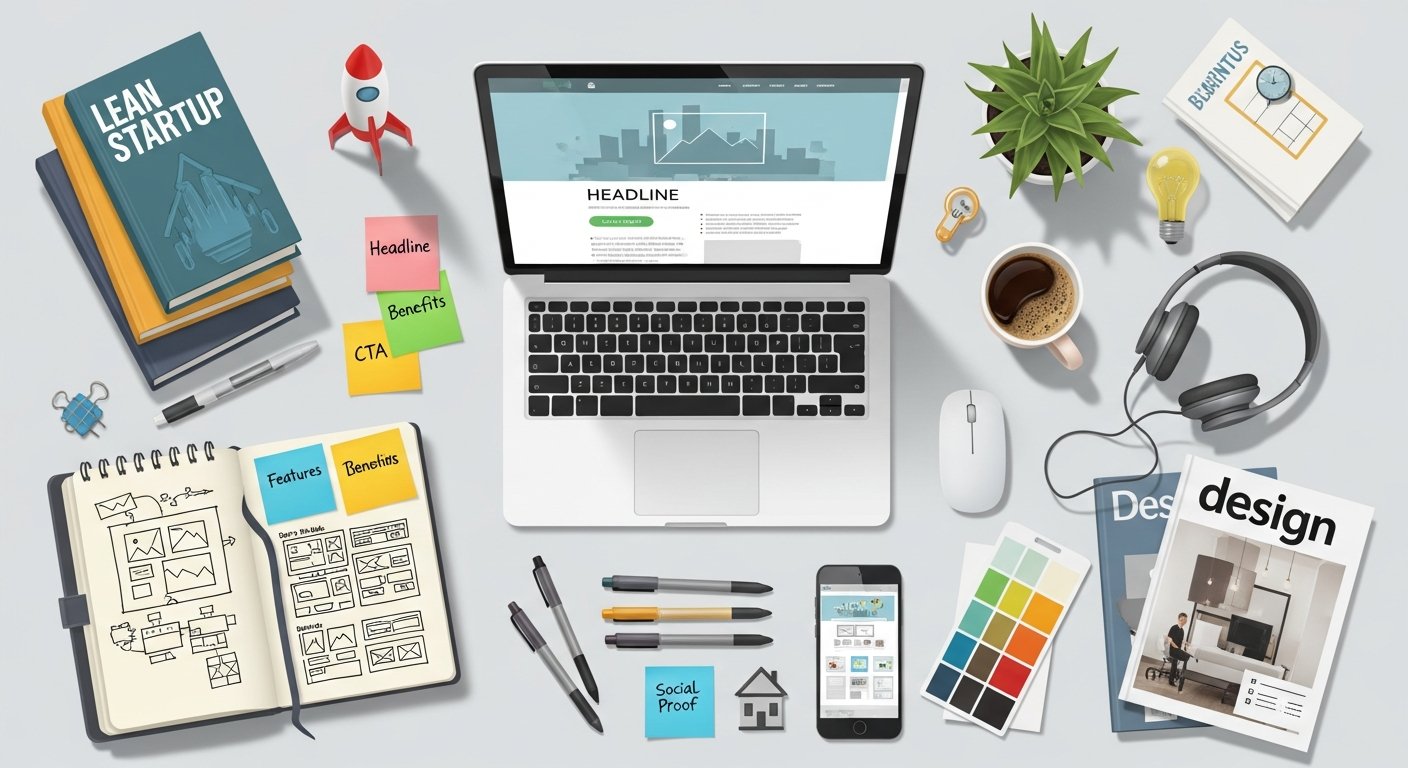
The foundation of a high-converting landing page in 2026 isn’t just about design and copy; it’s about the underlying technology that ensures speed, reliability, and seamless integration. Choosing the right tech stack is a strategic decision that impacts everything from development velocity to future scalability and, crucially, your conversion rates. For most startups, the focus should be on low-code or no-code solutions that empower rapid iteration without sacrificing performance.
Which landing page builder is best for early-stage startups?
Leading landing page builders like Unbounce, Instapage, Leadpages, and Webflow offer distinct advantages. Unbounce and Instapage are highly optimized for A/B testing and conversion optimization, providing dynamic text replacement and AI-powered conversion insights. They often include built-in analytics and integrations with popular marketing tools. Instapage, for example, boasts an average page load time of under 2 seconds and offers features like heatmaps and form analytics directly within its platform. Leadpages is known for its affordability and ease of use, making it ideal for early-stage startups needing to launch quickly. Webflow, while requiring a slightly steeper learning curve, offers unparalleled design flexibility and clean code generation, making it a favorite for those who want custom designs without full-stack development. It also offers powerful CMS capabilities, allowing for dynamic content generation for personalized landing pages at scale.
Beyond the builder, consider your hosting and content delivery. Leveraging a CDN (Content Delivery Network) like Cloudflare or Fastly is non-negotiable for global reach and lightning-fast load times. These services cache your content at edge locations worldwide, drastically reducing latency. For more advanced setups, serverless functions (e.g., AWS Lambda, Google Cloud Functions) can power dynamic content or form submissions without managing dedicated servers, offering scalability and cost efficiency. Integration is another critical component. Your landing page must seamlessly connect with your CRM (e.g., HubSpot, Salesforce, Pipedrive) to capture leads and segment them effectively. Email marketing platforms (Mailchimp, ConvertKit, ActiveCampaign) should be integrated for automated follow-up sequences. Analytics tools (Google Analytics 4, Mixpanel, Amplitude) are essential for tracking user behavior and conversion events, feeding into your optimization loop. Finally, consider marketing automation platforms (e.g., HubSpot, Marketo) that can orchestrate complex multi-channel campaigns triggered by landing page interactions, ensuring every lead is nurtured effectively towards becoming a paying customer. A well-chosen tech stack reduces friction, accelerates growth, and ultimately, drives higher conversions.

How Can a Data-Driven Approach Optimize Your Startup Landing Page in 2026?
In 2026, guesswork is a luxury no startup can afford. Building a high-converting landing page is an ongoing, data-driven process of optimization, personalization, and iteration. Your initial launch is just the beginning; true success comes from relentless analysis and continuous refinement based on how real users interact with your page. This scientific approach to CRO (Conversion Rate Optimization) is what separates stagnant pages from those that consistently deliver exceptional results.
A foundational step before diving into analytics is customer journey mapping. Deeply understanding your users’ paths and touchpoints allows you to anticipate their needs and tailor your landing pages more effectively. Once you have this understanding, start with robust analytics. Google Analytics 4 (GA4) is your primary tool for understanding user behavior. Track key metrics like conversion rate, bounce rate, time on page, scroll depth, and exit rates. Go beyond surface-level data; segment your audience by device, traffic source, geography, and even custom parameters to identify specific groups that are performing well or poorly. For instance, if mobile users from organic search have a significantly lower conversion rate, it signals a specific area for mobile UX improvement. Complement GA4 with qualitative data from heatmaps and session recordings provided by tools like Hotjar or FullStory. Heatmaps visually show where users click, scroll, and ignore, while session recordings allow you to watch anonymized user journeys, revealing points of confusion, friction, or drop-off that quantitative data alone cannot. This combination of “what” and “why” is invaluable for forming hypotheses.
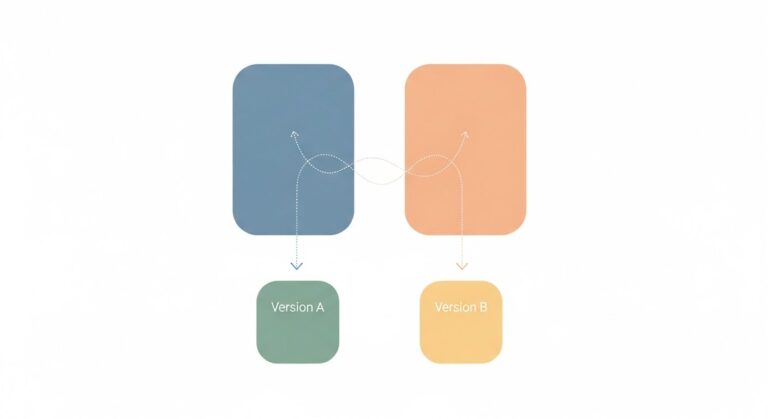
Once you have hypotheses, A/B testing is your weapon of choice. Platforms like Optimizely (or Google Optimize until its deprecation and its alternatives) enable you to test variations of headlines, CTAs, imagery, form fields, and even entire page layouts against your control version. Always test one major change at a time to isolate its impact. Aim for statistical significance (usually 95%) before declaring a winner. Don’t be afraid of “losing” tests; they still provide valuable learning. Beyond A/B testing, explore personalization. This also extends to advanced PPC strategies like retargeting and programmatic advertising, which feed into dynamic content delivery based on various triggers. Tools and platforms in 2026 allow for dynamic content delivery based on various triggers. Imagine serving different hero images or testimonials to visitors based on the ad they clicked, their company size (via IP lookup), or whether they’re a returning visitor. For example, a returning visitor who previously downloaded an ebook might see a CTA for a free trial, while a first-time visitor sees a CTA for a demo. This level of granular personalization can elevate conversion rates by 20% or more, as demonstrated by companies like HubSpot and Optimizely in their own case studies (e.g., HubSpot and Optimizely case studies). The key is to establish a continuous feedback loop: analyze, hypothesize, test, implement, and then repeat the cycle, constantly pushing your conversion rates higher.

How to Ensure Compliance & Build Trust for Your Startup Landing Page in the Privacy-First Web of 2026?
The digital landscape of 2026 is defined not only by technological advancement but also by a profound shift towards greater user privacy and data protection. For startups, navigating this privacy-first web is not merely a legal obligation but a critical component of building trust and brand reputation, directly impacting conversion rates. A non-compliant or untrustworthy landing page will deter users faster than any design flaw.
Understanding and adhering to regulations like GDPR (General Data Protection Regulation) in Europe, CCPA/CPRA (California Consumer Privacy Act/California Privacy Rights Act) in the US, and emerging privacy frameworks globally is paramount. This means implementing clear, explicit cookie consent banners that allow users granular control over data collection. Avoid dark patterns that manipulate users into accepting cookies they don’t want. Instead, provide clear choices and explain the purpose of data collection in plain language. Tools like OneTrust or Cookiebot can help manage consent effectively and ensure ongoing compliance, dynamically adjusting consent banners based on the user’s geographical location.
Beyond cookies, transparent data usage is key. Your privacy policy should be easily accessible, written in an understandable manner, and clearly outline what data you collect, why you collect it, how it’s stored, and with whom it’s shared. Providing options for users to access, rectify, or delete their personal data (Data Subject Access Requests) is also crucial. Failure to comply can result in hefty fines – GDPR penalties can reach up to €20 million or 4% of global annual revenue, a catastrophic blow for any startup. Furthermore, the impending deprecation of third-party cookies by major browsers like Chrome by late 2024 (and fully by 2026) means a fundamental shift in tracking and advertising. Startups must pivot towards first-party data strategies, server-side tracking, and privacy-enhancing technologies (PETs) to maintain valuable insights without infringing on user privacy. This involves direct data collection via forms, surveys, and integrations with your own CRM, rather than relying on external tracking pixels.
Security is the bedrock of trust. An SSL certificate (HTTPS) is non-negotiable, encrypting data transmitted between the user’s browser and your server. Clearly displaying security badges (e.g., McAfee Secure, Norton Secured, or an ‘SSL Secured’ badge) can enhance user confidence, especially for pages that collect sensitive information or process payments. By prioritizing compliance and demonstrating a genuine commitment to user privacy and security, your startup can build a strong foundation of trust that translates directly into higher conversion rates and long-term customer loyalty in the privacy-conscious era of 2026.

How to Scale Your Startup Landing Page Strategy for Hypergrowth in 2026?
For a tech startup on a hypergrowth trajectory, a single, static landing page strategy is a bottleneck. In 2026, scaling your landing page efforts means embracing automation, dynamic content, and a modular approach to ensure your conversion engine can keep pace with your expanding market reach and evolving product offerings. The goal is not just to build one great page, but to build a system that can generate and optimize hundreds or even thousands of great pages.
The first step towards scaling is adopting a modular design system. Break down your landing page into reusable components: hero sections, testimonial blocks, feature lists, CTA modules, and forms. Tools like Webflow or advanced features in Unbounce allow you to create these components once and reuse them across multiple pages. This ensures brand consistency, accelerates page creation, and simplifies A/B testing (as you can test a component across all pages simultaneously). For example, a startup might have 5 core product features, 10 different customer segments, and 3 distinct value propositions. By combining these modules dynamically, they can generate a highly personalized landing page for each specific ad campaign or user journey without starting from scratch every time.
Automation plays a crucial role. Integrating your landing page platform with marketing automation tools (e.g., HubSpot, ActiveCampaign, Marketo) allows for automated lead scoring, email nurturing sequences, and CRM updates based on landing page interactions. Imagine a user downloading an ebook from your landing page; automation can instantly tag them, send a personalized follow-up email, and notify your sales team, initiating a tailored sales funnel. Furthermore, consider dynamic content generation. For SaaS companies, this could mean creating unique landing pages for each integration partner, dynamically pulling partner logos and specific benefits from a database. For example, if your product integrates with Slack, a landing page targeting Slack users could automatically feature Slack’s logo and highlight specific Slack integration benefits, boosting relevance and conversion for that segment.
Finally, scaling requires a robust analytics infrastructure that can handle a multitude of pages and campaigns. Implement a clear naming convention for your pages and tracking parameters to ensure data clarity in GA4. Leverage custom dashboards to monitor performance across various segments and campaigns at a glance. Regularly review your entire landing page portfolio, identifying high-performing pages to replicate patterns from, and underperforming pages to either optimize or sunset. As your startup grows, consider dedicated landing page teams or specialists who focus solely on CRO and personalization, ensuring that your landing pages remain cutting-edge and continue to deliver impressive conversion rates, supporting your journey towards hypergrowth and market dominance.
Comparison Table: Leading Landing Page Builders for 2026 Startups
Choosing the right platform is crucial for building and scaling high-converting landing pages. Here’s a comparison of popular tools, keeping 2026 needs in mind.
| Platform | Key Features | Best For | Pricing Range (Monthly) | Integration Score (out of 5) | Performance Score (out of 5) |
|---|---|---|---|---|---|
| Unbounce | AI-powered Smart Builder, Dynamic Text Replacement, A/B Testing, Popups & Sticky Bars, Conversion Intelligence | CRO-focused marketers, high-volume lead generation, agencies | $99 – $225+ (Standard to Business) | 4.5 | 4.0 |
| Instapage | AdMap, Heatmaps, Dynamic Content, Real-time Collaboration, Enterprise-grade Security, A/B Testing | Enterprise marketing teams, PPC advertisers, high-security requirements | $199 – Custom (Building to Enterprise) | 4.5 | 4.5 |
| Leadpages | Drag-and-Drop Builder, Conversion-optimized Templates, Alert Bars, Pop-ups, Payment Integrations | Early-stage startups, small businesses, budget-conscious users, quick launches | $49 – $99+ (Standard to Advanced) | 3.5 | 3.8 |
| Webflow | Visual CMS, Advanced Customization, Clean Code Export, Interactions & Animations, E-commerce capabilities | Design-focused startups, agencies, custom development needs, modular scaling | $29 – $79+ (Basic to Business, plus CMS/E-commerce) | 4.0 | 4.8 |
Frequently Asked Questions about Startup Landing Pages in 2026
What is the most critical factor for a high-converting startup landing page in 2026?
The most critical factor is AI-driven personalization combined with lightning-fast performance and a mobile-first user experience. Users in 2026 expect highly relevant content delivered instantly, tailored to their specific needs and context.
How important is data privacy for landing page conversions in 2026?
Data privacy is paramount. With regulations like GDPR and CCPA, and the deprecation of third-party cookies, transparent data practices and robust security are essential for building user trust. Non-compliant or untrustworthy pages will significantly deter conversions.
Can I build a high-converting startup landing page without coding in 2026?
Absolutely. Leading low-code and no-code landing page builders like Unbounce, Instapage, Leadpages, and Webflow offer powerful features for design, A/B testing, and integration, enabling startups to create high-converting pages rapidly without extensive coding knowledge.
What is Your Action Plan for Startup Landing Page Conversion Dominance in 2026?
The journey to building a high-converting startup landing page in 2026 is an exciting, continuous evolution. It demands a forward-thinking mindset, a deep understanding of your audience, and a commitment to leveraging cutting-edge technology and data. We’ve explored how the digital landscape of the mid-2020s necessitates AI-driven personalization, lightning-fast performance, ethical data practices, and designs that relentlessly guide users to action. Your landing page is not just a digital asset; it’s a dynamic, intelligent sales machine that must adapt and optimize in real-time to capture the fleeting attention of your target market.
To summarize, success in 2026 will hinge on: crafting hyper-relevant, benefit-driven messaging that resonates instantly; designing intuitive, mobile-first experiences that build trust and reduce friction; selecting a tech stack that empowers rapid iteration and seamless integration; and, critically, embracing a data-driven culture of continuous optimization and personalization. Don’t view your landing page as a static project to be completed, but as a living, breathing entity that requires constant care and refinement.
Actionable Next Steps:
Step 1: Audit Your Current Pages
Step 2: Map Your User Journeys
Step 3: Invest in AI & CRO Tools
Step 4: Prioritize Privacy & Trust
Step 5: Establish an A/B Testing Cadence
Step 6: Plan for Dynamic Content
By taking these steps, your startup won’t just keep pace with the competition; you’ll set the standard, transforming your landing pages into powerful conversion engines that fuel your growth and secure your market position in the exciting digital future of 2026 and beyond. Get started today, and watch your conversion rates soar.