How to Build a Powerful Personal Brand Online: A 2026 Guide for Founders
In today’s hyper-connected and competitive digital landscape, understanding **how to build a personal brand online** is no longer optional for startup founders and ambitious entrepreneurs—it’s a strategic imperative. Your digital identity is a powerful asset that attracts talent, secures startup funding, opens doors to partnerships, and establishes market authority. This isn’t about vanity; it’s about strategic leverage. This comprehensive guide will arm you with the frameworks, tools, and actionable tactics required to forge an unshakeable personal brand online, designed to thrive in the dynamic digital ecosystem of today and beyond, especially looking towards 2026.

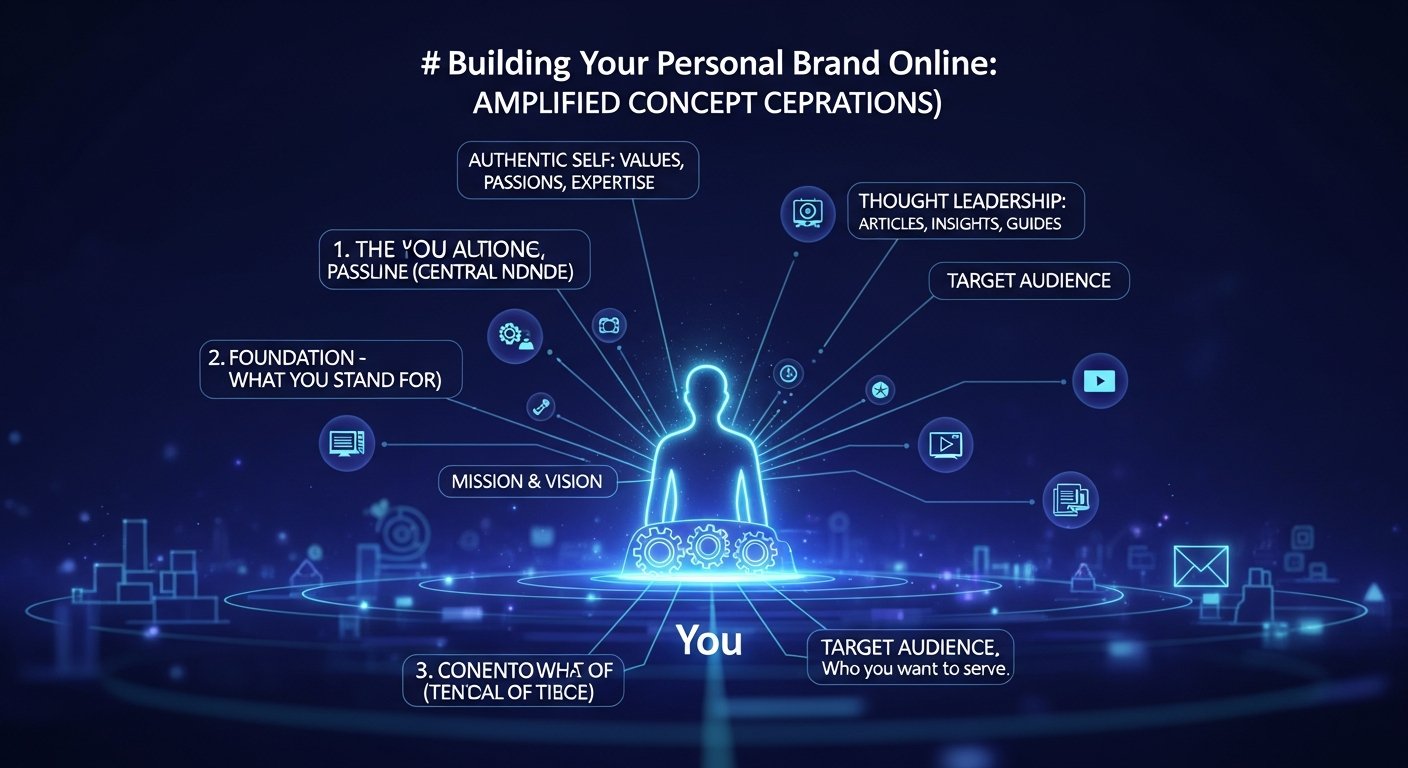
Before you publish a single post or craft a compelling bio, you must lay a robust strategic foundation for **building your personal brand online**. Without clarity on who you are, what you stand for, and who you aim to serve, your efforts will be scattered and ineffective. This initial phase is about introspection and market analysis, culminating in your unique personal brand proposition.
How to Define Your Personal Brand’s Strategic Foundation?
Before you publish a single post or craft a compelling bio, you must lay a robust strategic foundation. Without clarity on who you are, what you stand for, and who you aim to serve, your efforts will be scattered and ineffective. This initial phase is about introspection and market analysis, culminating in your unique personal brand proposition.
Step 1: Self-Assessment & Niche Identification
Your personal brand must be rooted in authenticity and expertise. Begin by dissecting your professional DNA.
- Identify Your Core Strengths & Expertise: What problems do you solve exceptionally well? What knowledge do you possess that others seek? Use a SWOT analysis (Strengths, Weaknesses, Opportunities, Threats) to gain clarity. For example, are you a master of lean product development, an expert in AI ethics, or a visionary in sustainable tech?
- Uncover Your Passions & Values: What genuinely excites you? What principles guide your decisions? Your brand will feel most authentic when it aligns with your intrinsic motivations. If you’re passionate about democratizing access to education, this should permeate your content.
How do I define my unique value proposition?
- Define Your Unique Value Proposition (UVP): Combine your strengths, expertise, and passions to articulate what makes you distinct. Why should someone follow you, listen to you, or collaborate with you over anyone else? This isn’t just about what you do, but how you do it and the unique perspective you bring. Consider the “Ikigai” framework – finding the intersection of what you love, what you’re good at, what the world needs, and what you can be paid for.

Step 2: Audience Analysis
Who are you trying to reach? Your content, platforms, and tone must resonate deeply with this specific group.
- Identify Your Ideal Audience: Are they early-stage founders seeking mentorship? Investors looking for the next unicorn? Potential hires? Industry peers? Be as specific as possible. Create audience personas, detailing their demographics, psychographics, pain points, aspirations, and where they consume information.
- Understand Their Needs & Challenges: What problems do your target audience face that you can help solve? What questions do they ask? What solutions are they looking for? Your personal brand should position you as a trusted resource and problem-solver. For instance, if your audience is overwhelmed by scaling tech, your brand should offer clear, actionable strategies.
Step 3: Crafting Your Narrative & Core Message
Your personal brand needs a compelling story and a consistent, clear message.
- Develop Your Brand Story: Humans are wired for stories. What’s your journey? What challenges have you overcome? What pivotal moments shaped your perspective? Your story creates an emotional connection and makes you relatable. Sahil Lavingia, founder of Gumroad, built his brand on transparently sharing his entrepreneurial journey, including failures and pivots, fostering deep trust with his audience.
- Refine Your Core Message: This is the concise, consistent statement that encapsulates your UVP and what you stand for. It should be memorable and easily repeatable. Think of it as your elevator pitch for your personal brand. For example: “I empower founders to build resilient, scalable tech infrastructure through pragmatic, data-driven strategies.”
- Define Your Brand Voice & Tone: Is it authoritative and academic? Witty and irreverent? Empathetic and inspiring? This should be consistent across all your digital touchpoints.
How to Build Your Digital Ecosystem and Online Presence?

Your Digital Hub: The Professional Website/Portfolio
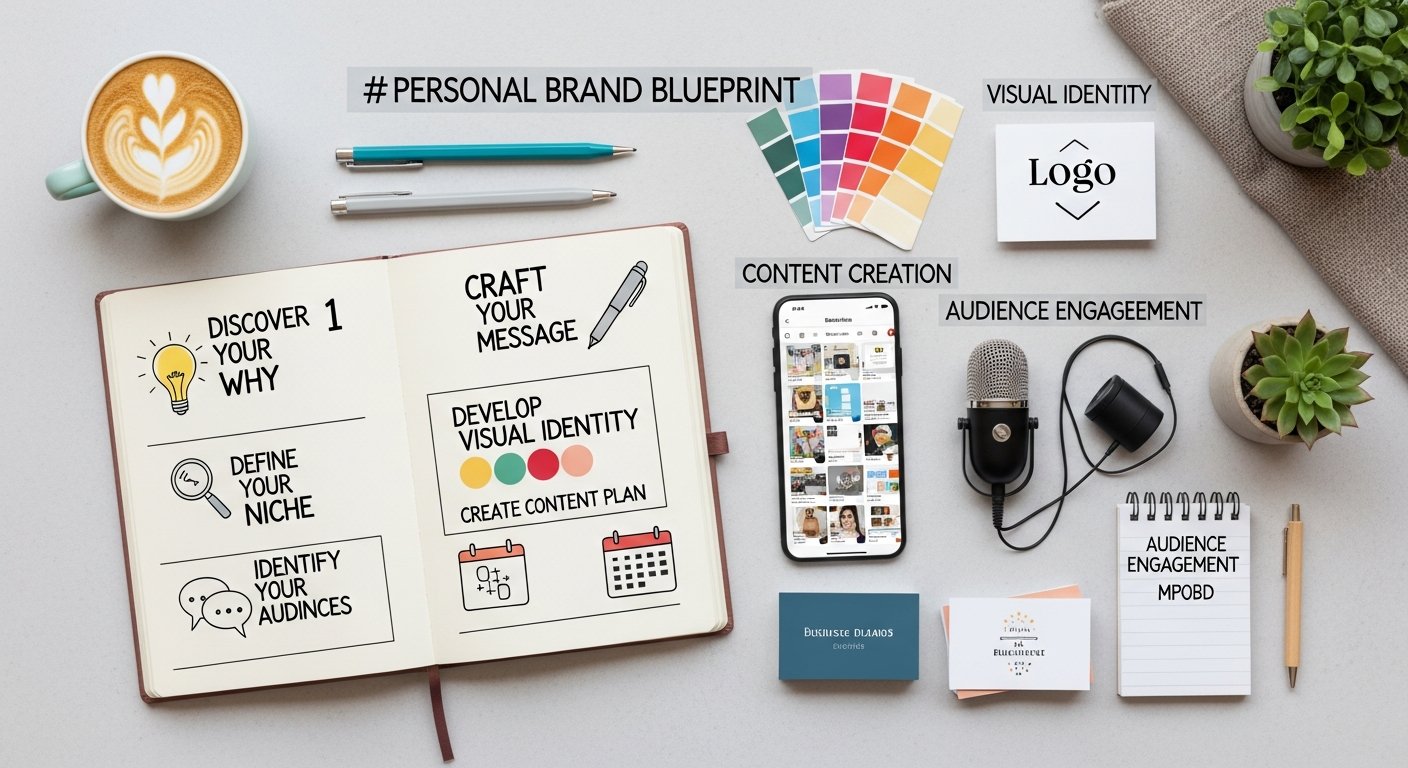
This is your owned media, the definitive source of truth for your personal brand. It’s non-negotiable.
- Why it’s crucial: It’s a central repository for your work, thoughts, and contact information, independent of platform algorithms. It validates your expertise and serves as a powerful SEO asset.
- Key Elements:
- About Me/Bio: Your refined brand story, mission, and professional journey.
- Portfolio/Case Studies: Tangible proof of your capabilities. Detail your contributions, challenges, solutions, and measurable outcomes.
- Blog/Insights: Your thought leadership in action. Regularly publish articles, essays, or deep dives on your niche topics.
- Speaking/Media: Showcase any public appearances, podcast interviews, or media mentions.
- Contact & Social Links: Make it easy for people to connect with you.
- Tools: For a professional, no-code solution, consider Webflow for ultimate design flexibility, or Squarespace for elegant simplicity. For a content-focused hub, Ghost.org offers a powerful, open-source publishing platform.
Strategic Social Media Domination
Choose platforms where your target audience congregates and where you can authentically express your brand voice. Don’t try to be everywhere; be strategic.
- LinkedIn: The Professional Powerhouse
- Strategy: Position yourself as an industry leader. Share original insights, comment thoughtfully on industry news, and engage with posts from peers and target connections. LinkedIn is responsible for over 80% of B2B social media leads, making it indispensable for founders.
- Content Types: Long-form articles, short posts with actionable tips, video insights, carousel posts (e.g., “5 Growth Hacks for SaaS Founders”). Actively participate in relevant groups.
- Example: Patrick Collison (Stripe CEO) uses LinkedIn to share deep insights on economics, tech, and societal challenges, subtly reinforcing his intellectual gravitas without overt self-promotion.
- X (formerly Twitter): Real-time Insights & Community Building
- Strategy: Ideal for rapid-fire thought leadership, news commentary, and direct engagement. Use it to share emerging trends, ask provocative questions, and participate in industry conversations.
- Content Types: Threads (for deeper dives), quick takes on current events, sharing valuable resources, engaging in replies, live-tweeting events.
- Example: Many venture capitalists and tech journalists use X as their primary platform for breaking news and real-time analysis, demonstrating the platform’s power for thought leadership.
- Niche Platforms: Deep Dives & Targeted Engagement
- Strategy: Identify forums, subreddits (e.g., r/SaaS, r/Entrepreneur), Slack/Discord communities, or industry-specific platforms (e.g., Product Hunt, Indie Hackers) where your audience is highly concentrated.
- Content Types: Provide genuine value by answering questions, sharing expertise, and participating in discussions without overt self-promotion. Be a helpful expert, not a marketer.
- Visual Platforms (YouTube, Instagram, TikTok): Authenticity & Reach
- Strategy: Leverage video and compelling visuals to showcase your personality, share quick tips, offer behind-the-scenes glimpses, or explain complex concepts simply. Video content is projected to account for 82% of all internet traffic by 2026, making it a critical channel.
- Content Types: Short-form educational videos (TikTok, Instagram Reels), longer tutorials or interviews (YouTube), visual storytelling.
- Example: Gary Vaynerchuk’s empire is built on relentless, authentic video content across every major platform, demonstrating the power of visual storytelling and consistent output.
- Content Repurposing Strategy: Don’t create unique content for every platform. Create pillar content (e.g., a long-form blog post) and then slice it into micro-content for different platforms (e.g., LinkedIn carousel, X thread, Instagram Reel, email newsletter snippet). Tools like Descript can help generate captions and clip video efficiently.
How to Use Content as Your Currency for Personal Branding?
Personal Finance, Business & E
Your content is the engine of your personal brand. It demonstrates your expertise, builds trust, and provides value to your audience.
The Content Strategy Blueprint
Effective content strategy starts with a plan.
- Pillar Content vs. Micro-Content:
- Pillar Content: Comprehensive, evergreen pieces (e.g., ultimate guides, research papers, long-form blog posts) that establish your authority. These are typically hosted on your website.
- Micro-Content: Shorter, digestible pieces derived from your pillar content or timely insights, distributed across social media.
- Develop a Content Calendar: Plan your topics, formats, and distribution channels in advance. This ensures consistency and relevance. Aim for a mix of evergreen content and timely responses to industry trends.
- Topic Ideation:
- Problem-Solving: Address common pain points of your target audience.
- Thought Leadership: Offer unique perspectives on industry shifts, future trends, or established paradigms.
- Personal Insights: Share lessons learned from your entrepreneurial journey, failures, and successes.
- Industry Trends: Break down complex topics, provide analysis, and predict future implications.
Creation & Optimization
Quality and consistency are paramount.
- Text-Based Content:
- Blog Posts/Articles: Deep dives, how-to guides, opinion pieces for your website and LinkedIn. Structure for readability (headings, bullet points, short paragraphs).
- Newsletters: A direct line to your most engaged audience. Platforms like Substack or Beehiiv are excellent for building and nurturing an email list. Offer exclusive content or early access.
- Optimization: Use tools like Ahrefs or SEMrush for keyword research to ensure your content ranks in search engines. Optimize titles, meta descriptions, and image alt tags.
- Audio Content:
- Podcasts: If you enjoy speaking and deep conversations, a podcast can position you as an expert interviewer or commentator. Platforms like Anchor (Spotify for Podcasters) make it accessible.
- Video Content:
- Short-form (Reels, TikTok): Quick tips, explainers, behind-the-scenes. Tools like CapCut offer powerful mobile editing.
- Long-form (YouTube): Tutorials, interviews, event summaries. Use tools like OBS Studio for recording and DaVinci Resolve (free) or Adobe Premiere Pro for professional editing.
- Live Streams: Q&As, industry discussions, product demos.
- Visual Content:
- Infographics, Carousels, Quote Cards: Highly shareable content for platforms like LinkedIn and Instagram. Tools like Canva or Adobe Express make design accessible for non-designers.

Distribution & Amplification
Creating great content is only half the battle; getting it seen is the other.
- Cross-Promotion: Share your content across all your active platforms, tailoring the caption and call-to-action for each.
- Email List: Drive traffic from social media to your newsletter, and vice versa. Your email list is your most valuable owned audience.
- Community Engagement: Share your content in relevant online communities (where appropriate and not spammy), inviting feedback and discussion.
- Strategic Paid Promotion: While organic reach is key, judiciously using LinkedIn Ads or X Ads to boost high-performing content can expand your reach to specific target audiences, especially for key announcements or thought leadership pieces.
How to Drive Engagement, Networking, and Community Building for Your Brand?
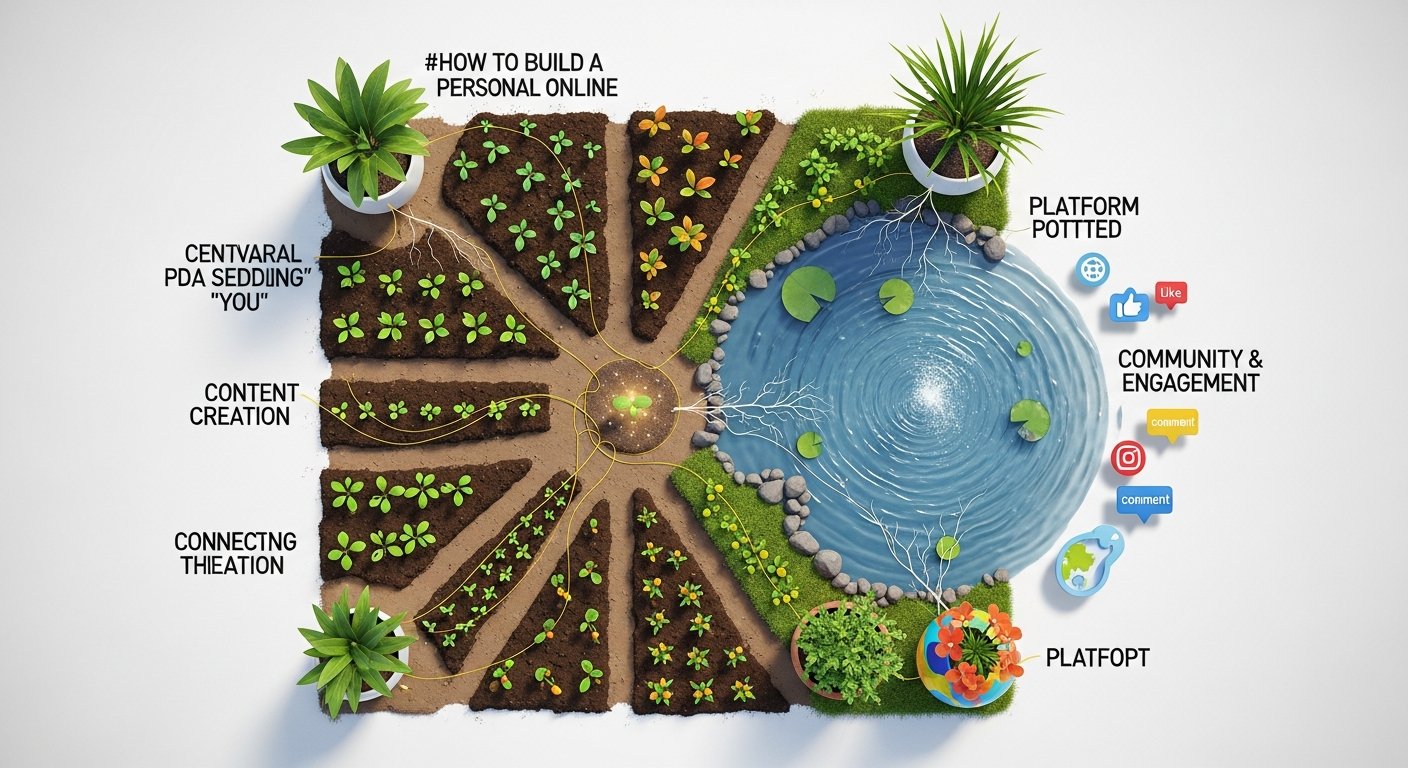
A personal brand is not a monologue; it’s a dynamic conversation. Your ability to engage, connect, and foster community amplifies your influence exponentially.
Active Engagement Strategies
Don’t just broadcast; interact.
- Respond Thoughtfully: Reply to comments, direct messages, and mentions across all platforms. Show genuine interest and provide further value. This signals respect for your audience and builds loyalty.
- Participate in Conversations: Don’t wait for people to come to you. Actively seek out and contribute to discussions initiated by other thought leaders, industry news outlets, or relevant communities. Add value, don’t just agree.
- Ask Questions & Spark Debate: Pose insightful questions related to your niche. This encourages interaction and positions you as a curious, engaged leader.
- Give Credit & Amplify Others: Share content from others in your industry that you find valuable. Tag them, give credit, and explain why you’re sharing it. This builds goodwill and positions you as a connector.
Strategic Networking
Beyond online engagement, actively seek out meaningful connections.
- Virtual Events & Webinars: Attend industry events, participate in Q&A sessions, and connect with other attendees and speakers.
- Guest Appearances: Seek opportunities to be a guest on podcasts, webinars, or industry panels. This expands your reach to new audiences and validates your expertise. For example, a founder specializing in AI ethics might guest on a popular tech ethics podcast.
- Collaborations: Partner with other founders, experts, or content creators on joint projects, live streams, or content pieces. This offers mutual exposure and diverse perspectives.
- LinkedIn Outreach: Send personalized connection requests with a clear reason for connecting (e.g., “I enjoyed your recent article on X, and I’m also passionate about Y”). Follow up with value, not a sales pitch.
Building a Tribe: From Audience to Community
True influence comes from cultivating a loyal community.
- Nurturing Your Audience: Go beyond surface-level interactions. Offer exclusive content, early access, or direct support to your most engaged followers.
- Creating Private Communities: Consider establishing a private Slack channel, Discord server, or Geneva group for your most dedicated audience members. This fosters deeper connections, allows for peer-to-peer learning, and provides you with invaluable feedback. For instance, a founder building a developer tool might create a Discord for early adopters to get direct feedback and build a community around the product.
- Host Your Own Events: Organize virtual meetups, AMAs (Ask Me Anything) sessions, or workshops. This offers a direct, interactive experience with your audience.
How to Measure, Iterate, and Ensure Longevity for Your Personal Brand?
Building a personal brand is an ongoing, iterative process. To ensure your efforts yield tangible results, you must constantly measure, analyze, and adapt.
Key Performance Indicators (KPIs)
What does success look like for your personal brand? Define clear metrics.
- Reach & Impressions: How many people are seeing your content? (e.g., social media reach, website unique visitors).
- Engagement Rate: How actively are people interacting with your content? (e.g., likes, comments, shares, saves, click-through rates).
- Website Traffic: How much traffic are your social platforms driving to your owned hub?
- Lead Generation/Conversions: Are you attracting potential investors, customers, or talent for your startup? (e.g., inbound inquiries, application submissions, demo requests).
- Speaking Engagements/Media Mentions: These indicate growing authority and influence.
- Audience Growth & Retention: Are your follower counts growing steadily, and are people staying engaged over time?
- Sentiment Analysis: What is the overall tone of conversations around your brand? Tools like Brandwatch or Mention can help track this.
Tools for Tracking & Analytics
Leverage data to refine your strategy.
- Google Analytics 4: Essential for tracking website traffic, user behavior, and conversion goals.
- Native Social Media Analytics: All major platforms (LinkedIn, X, Instagram, YouTube) offer robust built-in analytics dashboards.
- Newsletter Analytics: Platforms like Substack and Beehiiv provide open rates, click rates, and subscriber growth.
- CRM/Sales Tools: If your personal brand directly feeds into lead generation for your business, integrate tracking to see the impact.
Adapting to the Future: AI & Beyond
The digital landscape is constantly evolving. Staying agile is key.
- Leveraging AI for Content Ideation & Creation: AI tools like ChatGPT or Jasper can be invaluable for brainstorming content ideas, drafting outlines, generating captions, or even writing initial drafts. Midjourney can assist with unique visual content. Studies show that up to 70% of marketers expect to use AI for content creation in 2026. However, always review and infuse your unique voice and expertise; AI should augment, not replace, your originality.
- Anticipating Platform Shifts: Keep an eye on emerging platforms and changes in established ones. Be prepared to experiment and adapt your content strategy.
- Ethical AI Usage: As AI becomes more prevalent, transparency about AI-assisted content and ensuring ethical data practices will become integral to maintaining trust with your audience.
- Continuous Learning: Dedicate time to staying informed about digital marketing trends, new technologies, and shifts in audience behavior.

Key Takeaways for Building Your Personal Brand Online
- Authenticity is Paramount: Your brand must genuinely reflect your strengths, passions, and values.
- Strategic Foundation First: Define your UVP, target audience, and core message before diving into content.
- Owned Media is Your Hub: A professional website is non-negotiable for control and authority.
- Platform Specialization: Choose social media platforms where your audience is, and where you can excel.
- Content is Your Voice: Consistently create valuable pillar and micro-content that demonstrates expertise.
- Engage, Don’t Just Broadcast: Active participation, networking, and community building amplify your reach.
- Data-Driven Iteration: Measure KPIs, use analytics, and adapt your strategy based on performance and future trends like AI.
- Long-Term Commitment: Building a powerful personal brand is a marathon, requiring consistent effort and evolution.
Conclusion: Your Unstoppable Digital Legacy Starts Now
The era of the anonymous founder is over. In 2026, your personal brand is your most potent competitive advantage—a digital legacy that transcends your current venture, attracting opportunities and fostering a community around your vision. It demands strategic foresight, relentless consistency, and an unwavering commitment to delivering value. This isn’t a side project; it’s a core pillar of your entrepreneurial strategy. Start by defining your unique value, choosing your platforms wisely, and committing to a content strategy that educates, inspires, and engages. Measure your impact, adapt to the ever-shifting digital currents, and never compromise on authenticity. The digital landscape awaits your unique voice; it’s time to master your identity and **build an unstoppable personal brand online**.
About the Author: Alex Chen is a Digital Marketing Expert at Eamped, specializing in personal branding and growth strategies for startups. With over a decade of experience helping founders amplify their digital presence, Alex is passionate about leveraging data-driven insights and innovative content approaches to build authentic and influential online brands.