
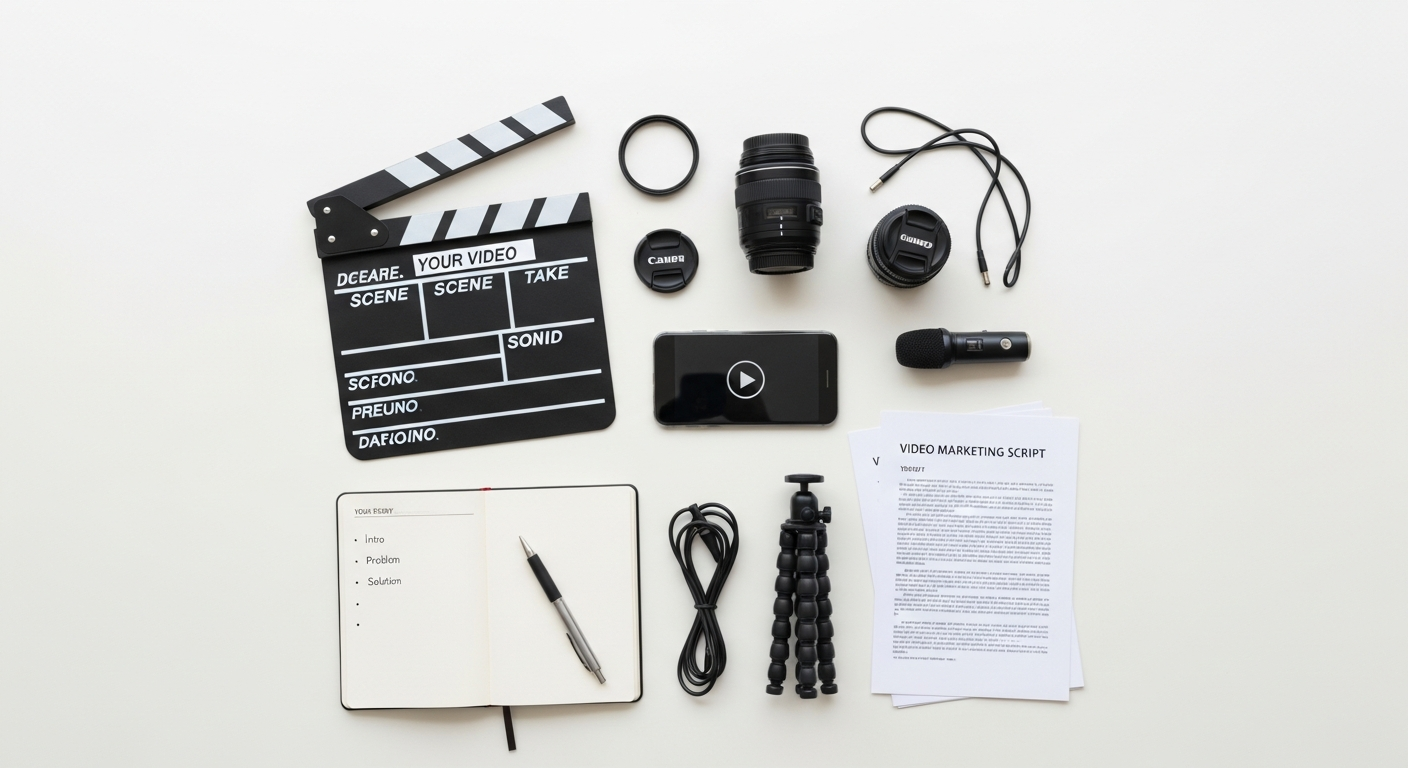
What is Video Marketing and How to Use It for Your Brand: An Entrepreneur’s Guide
Think about it: from the lightning-fast scrolls through TikTok to the deep dives on YouTube, from product demos on landing pages to live Q&As on Instagram, video dominates our digital consumption. It’s the most effective way to communicate complex ideas quickly, build genuine connections, and drive measurable results. But embarking on video marketing can feel daunting. Where do you start? What kind of videos should you make? How do you measure success without blowing your budget?
This comprehensive guide from Eamped is designed to cut through the noise, offering direct, actionable advice just like you’d get from a seasoned tech entrepreneur. We’ll demystify video marketing, explore its undeniable benefits, break down the types of content that resonate, and equip you with a practical framework to integrate it seamlessly into your brand’s growth strategy. By the end, you’ll have a clear roadmap to leverage video for increased brand awareness, customer engagement, and ultimately, a healthier bottom line.
Defining Video Marketing: More Than Just Moving Pictures
At its core, video marketing is the strategic use of video content to promote a product, service, brand, or idea. It’s not just about producing a single commercial; it’s an overarching approach that integrates various video formats across different platforms to achieve specific business objectives. For a startup or a growing brand, this means thinking beyond viral stunts and embracing a consistent, value-driven video content strategy.
It encompasses everything from short, snappy social media clips designed for quick engagement to long-form educational content that establishes thought leadership. It’s about storytelling, problem-solving, and relationship-building. Unlike traditional advertising, modern video marketing is often less about direct selling and more about providing value, entertainment, and connection that subtly guides your audience through the sales funnel.
What it Encompasses:
- Brand Awareness: Videos that introduce your brand, its mission, and values.
- Lead Generation: Content designed to capture interest and collect contact information.
- Customer Education: How-to guides, tutorials, and explainer videos.
- Sales & Conversion: Product demos, testimonials, and unboxing videos.
- Customer Support: FAQs, troubleshooting guides, and onboarding videos.
- Community Building: Live streams, Q&As, and behind-the-scenes content.
Actionable Insight: Start by identifying one core business objective you want video to support. Is it explaining a complex product? Driving sign-ups? Building trust? Your initial video efforts should directly align with this single, clear goal.
Why Your Brand Can’t Afford to Ignore Video Marketing
The statistics speak for themselves: video isn’t just a trend; it’s the dominant language of the internet. For founders, marketers, and small business owners, ignoring video marketing is akin to ignoring the internet itself in the early 2000s. The competitive edge it offers is too significant to overlook.
1. Unmatched Engagement and Attention
“The human brain processes visuals 60,000 times faster than text.”
Video captures attention like no other medium. Viewers are more likely to watch a video than read a block of text, especially on mobile devices. Data consistently shows that video posts on social media generate significantly more engagement (likes, shares, comments) than other content types. This higher engagement means your message cuts through the noise and stays with your audience longer.
2. Significant SEO Benefits
3. Builds Trust and Authenticity Faster
Video allows your audience to see and hear you, creating a more personal connection than text or images alone. This human element is crucial for building trust, especially for new brands or startups. Testimonials, behind-the-scenes content, or even a founder’s direct address can forge authenticity that translates into loyalty. People buy from people they trust.
4. Drives Higher Conversion Rates
5. Excellent Return on Investment (ROI)
Despite perceived costs, video marketing consistently delivers strong ROI. While production can vary in expense, the impact on engagement, traffic, and conversions often far outweighs the investment. The ability to repurpose video content across multiple platforms also extends its value, making it a highly efficient marketing asset.
Actionable Insight: Conduct a quick audit of your current digital presence. Where could a simple video (e.g., a founder’s welcome, a short product overview) immediately enhance user experience or clarify a core message? Start there, measure the impact, and build.
Key Types of Video Marketing Content for Your Brand
Effective video marketing isn’t a one-size-fits-all endeavor. The type of video you create should align with your specific marketing goals, target audience, and the platform where it will be distributed. Here’s a breakdown of essential video content types for any brand looking to master what is video marketing and how to use it for your brand effectively:
1. Explainer and Product Demo Videos
- Purpose: To simplify complex ideas, showcase how a product or service works, and highlight its benefits.
- Best For: SaaS companies, tech startups, e-commerce brands with innovative products.
- Example: A 90-second animated video illustrating how a project management tool streamlines workflows, or a screen-share demo of a new app feature.
- Tip: Keep it concise, focus on solving a problem, and show, don’t just tell.
2. Customer Testimonial and Case Study Videos
- Purpose: To build social proof and trust by featuring satisfied customers sharing their positive experiences.
- Best For: Any brand, especially B2B and service-oriented businesses.
- Example: An interview with a client explaining how your software helped them achieve a specific business goal, complete with measurable results.
- Tip: Authenticity is key. Let your customers speak naturally, and ask them to focus on the problem they had and how your solution helped.
3. Live Video
- Purpose: To engage with your audience in real-time, fostering immediacy and authenticity.
- Best For: Q&A sessions, product launches, behind-the-scenes glimpses, interviews.
- Example: A founder hosting a live AMA (Ask Me Anything) session on Instagram or LinkedIn to discuss industry trends or new features.
- Tip: Promote your live session in advance, engage with comments during the stream, and repurpose key moments later.
4. Short-Form and Social Media Videos
- Purpose: Designed for quick consumption and maximum shareability on platforms like TikTok, Instagram Reels, YouTube Shorts, and LinkedIn.
- Best For: Driving brand awareness, quick tips, viral content, trend participation.
- Example: A 15-second video demonstrating a quick life hack related to your product, or a humorous take on an industry challenge.
- Tip: Hook viewers in the first 3 seconds, use trending audio, and add captions for silent viewing.
5. Behind-the-Scenes and Culture Videos
- Purpose: To humanize your brand, showcase your company culture, and attract talent.
- Best For: Employer branding, building community, demonstrating transparency.
- Example: A tour of your office, an introduction to your team, or a glimpse into a typical day at your startup.
- Tip: Focus on authenticity and genuine moments. Show your team’s passion and personality.
6. Thought Leadership and Educational Content
- Purpose: To establish your brand as an authority in your industry and provide valuable insights to your audience.
- Best For: B2B companies, consultants, brands targeting niche expertise.
- Example: A 5-minute video discussing a complex industry trend, offering solutions, or sharing expert predictions.
- Tip: Focus on solving audience problems, use clear visuals (charts, graphs), and speak with authority and confidence.
Actionable Insight: Don’t try to create every type of video at once. Select 1-2 types that directly address your immediate marketing objectives and fit your current resource capabilities. Iterate and expand from there.
Crafting a Robust Video Marketing Strategy
Randomly posting videos, no matter how good, won’t yield sustained results. A strategic approach is essential for any brand, especially startups with limited resources. Here’s how to build a powerful video marketing strategy:
1. Define Your Goals
What do you want to achieve with video? Be specific and measurable.
- Examples: Increase brand awareness by 20%, generate 50 qualified leads per month, reduce customer support calls by 15%, boost website traffic by 30%.
- Action: Use the SMART framework (Specific, Measurable, Achievable, Relevant, Time-bound) for your video goals.
2. Understand Your Audience
Who are you trying to reach? What are their pain points, interests, and preferred platforms?
- Examples: Are they busy professionals on LinkedIn, Gen Z on TikTok, or developers seeking technical tutorials on YouTube?
- Action: Develop detailed buyer personas, including their demographics, psychographics, and online behavior. Tailor your video content, tone, and distribution accordingly.
3. Choose Your Platforms Wisely
Not all videos belong on all platforms. Each platform has its own best practices and audience expectations.
- Examples: YouTube for long-form educational content and SEO, Instagram/TikTok for short, engaging clips, LinkedIn for professional thought leadership, website for product demos.
- Action: Research the optimal video formats, lengths, and content styles for your chosen platforms. Don’t spread yourself too thin; focus on 1-3 key channels initially.
4. Budget and Resources Allocation
Be realistic about what you can spend on production, distribution, and promotion. Video doesn’t have to be expensive.
- Examples: Start with a smartphone and free editing apps, invest in a good microphone, consider hiring a freelance videographer for key pieces.
- Action: Create a clear budget for equipment, software, talent (if needed), and paid promotion. Explore repurposing existing content or creating evergreen videos to maximize ROI.
5. Content Calendar and Distribution Plan
Consistency is key. Plan your video content in advance and strategize how it will reach your audience.
- Examples: A monthly explainer video, weekly short-form social media clips, a quarterly live Q&A.
- Action: Develop a content calendar outlining themes, video types, publishing dates, and distribution channels. Don’t just upload—actively promote your videos through email, social media, and paid ads.
Actionable Insight: Your strategy doesn’t need to be perfect from day one. Start with a lean plan, execute, collect data, and be prepared to pivot. The beauty of digital marketing is the ability to iterate quickly.
Mastering the Art: Practical Tips for Effective Video Marketing
Once you have your strategy, execution is everything. These practical tips will help you create videos that not only look good but also achieve your business objectives.
1. Storytelling is King
People connect with stories, not just facts. Frame your video content around a narrative, even if it’s a short product demo.
- Tip: Identify a problem, present your solution, and show the positive outcome. Use emotion, relatable characters, and a clear arc. Even a 30-second ad can tell a compelling micro-story.
2. Quality Matters (But Don’t Wait for Perfection)
While high-end production isn’t always necessary, clarity in audio and visuals is non-negotiable. Poor sound or blurry images can immediately deter viewers.
- Tip: Invest in a good external microphone (even for smartphone shooting). Ensure good lighting (natural light is often best). Shoot in a quiet environment. Use stable shots (a tripod helps immensely). Prioritize clear audio over pristine video quality if resources are tight.
3. Strong Call to Action (CTA)
Every video should have a purpose, and your CTA guides viewers to take the next step.
- Tip: Make your CTA clear, concise, and easy to act on. Include it verbally and visually (on-screen text, end card). Examples: “Visit our website,” “Subscribe to our channel,” “Download the free guide,” “Book a demo.”
4. Optimize for Discovery (SEO, Thumbnails, Captions)
Even the best video is useless if no one sees it. Treat video content like any other piece of SEO-optimized content.
- Tip:
- Keywords: Use relevant keywords in your video titles, descriptions, and tags.
- Thumbnails: Create compelling, custom thumbnails that grab attention and accurately represent your video’s content.
- Captions/Transcripts: Always add captions or provide a full transcript. This improves accessibility, boosts SEO, and helps viewers watch in sound-off environments.
- Descriptions: Write detailed descriptions with links to relevant resources.
5. Promote and Distribute Widely
Don’t just upload and forget. Actively promote your videos across all your relevant channels.
- Tip: Share on social media, embed on your website and blog, include in email newsletters, and consider running targeted paid ad campaigns to reach a wider audience. Repurpose longer videos into shorter clips for different platforms.
6. Engage with Your Audience
Video marketing is a two-way street. Foster interaction and build community.
- Tip: Respond to comments, ask questions in your videos, run polls, and encourage user-generated content related to your brand.
Actionable Insight: Pick one of these tips that feels most achievable right now and implement it consistently across your next three videos. Small, consistent improvements lead to significant results over time.
Measuring Success: Proving Your Video Marketing ROI
Without measurement, you’re just guessing. For founders and marketers, proving ROI is critical to justifying resources and refining your strategy. Here’s how to track the effectiveness of your video marketing efforts.
1. Key Metrics to Track
Focus on metrics that directly correlate with your initial goals.
- Awareness: Views, impressions, unique viewers, reach.
- Engagement: Watch time/average view duration, completion rate, likes, shares, comments, click-through rate (CTR) on CTAs.
- Traffic: Website visits originating from video embeds or links in video descriptions.
- Lead Generation: Form submissions after watching a video, lead magnet downloads from video links.
- Conversions: Sales, sign-ups, demo requests directly attributed to video content.
- Brand Sentiment: Analysis of comments, brand mentions in relation to your video content.
2. Leverage Analytics Tools
Most video platforms and marketing tools offer robust analytics.
- YouTube Analytics: Provides deep insights into audience demographics, watch time, traffic sources, and retention.
- Social Media Insights: Facebook, Instagram, TikTok, and LinkedIn all offer native analytics for video performance.
- Website Analytics (e.g., Google Analytics): Track how video embeds impact page dwell time, bounce rate, and conversion paths.
- Video Hosting Platforms (e.g., Vimeo, Wistia): Offer advanced heatmaps showing which parts of your video viewers rewatched or skipped, crucial for optimization.
- CRM/Marketing Automation: Integrate video views into lead scoring to see how video influences lead progression.
3. A/B Testing Your Videos
Don’t be afraid to experiment.
- Tip: Test different video lengths, CTAs, thumbnails, opening hooks, and even different narrative approaches. Run two versions of a video campaign to see which performs better against a specific metric.
4. Analyze and Refine
Data is only useful if you act on it.
- Tip: Regularly review your video performance reports. What’s working? What isn’t? Why? Use these insights to inform your next video projects, adjust your strategy, and improve your content over time. If a specific type of video performs well, double down on it. If a certain platform isn’t yielding results, re-evaluate its inclusion in your strategy.
Actionable Insight: Pick one key performance indicator (KPI) for your next video campaign. Before you launch, determine how you’ll measure it and what success looks like. This forces a results-driven mindset.
Overcoming Common Video Marketing Challenges
Even with the best intentions, startups and small businesses often face hurdles in video marketing. Recognizing these challenges and having strategies to overcome them is crucial.
1. Budget Constraints
The perception: Video is expensive. The reality: It can be, but it doesn’t have to be.
- Solution:
- Start Lean: Utilize existing resources like smartphones, natural light, and free editing software (e.g., CapCut, DaVinci Resolve Free).
- Focus on Authenticity over Polish: Viewers often prefer genuine, less-produced content over overly slick videos.
- Repurpose Content: Turn blog posts into video scripts, webinars into short clips, or podcasts into animated audiograms.
- Batch Production: Plan multiple videos around a single shoot day to maximize efficiency.
- User-Generated Content (UGC): Encourage customers to create videos, which are highly trusted and cost-effective.
2. Time and Resources
Producing regular, high-quality video content takes time, which is a scarce commodity for lean teams.
- Solution:
- Strategic Planning: A robust content calendar prevents last-minute scrambling.
- Delegate: Assign specific roles within your team (e.g., scriptwriter, editor, on-camera talent).
- Outsource Selectively: For complex projects, consider hiring a freelance videographer or editor for a specific piece while handling simpler content internally.
- Lean on Templates: Use video templates from tools like Canva or Biteable for quick, branded social media videos.
3. Creative Block and Quality Concerns
Fear of not being creative enough or producing “bad” videos can be paralyzing.
- Solution:
- Study Competitors & Industry Leaders: Analyze what works for others, but adapt, don’t just copy.
- Focus on Value: If your video solves a problem or provides clear value, viewers are more forgiving of minor imperfections.
- Start Simple: Begin with simple talking-head videos, screen recordings, or animated text videos.
- Practice Makes Perfect: The more you create, the better you’ll become. Don’t let perfection be the enemy of good.
- Gather Feedback: Share early drafts with trusted colleagues or a small test audience to get constructive criticism.
Actionable Insight: Identify your biggest video marketing challenge right now. Brainstorm three specific, small steps you can take this week to address it. Taking action, however small, is key to momentum.
Conclusion: The Future is Moving Pictures. Are You?
You now have a comprehensive understanding of what is video marketing and how to use it for your brand. From defining its scope and recognizing its undeniable benefits to strategizing content, executing with purpose, and meticulously measuring ROI, video marketing is no longer a luxury—it’s a fundamental pillar of modern digital growth.
For founders navigating the competitive startup landscape, for marketers striving to break through the noise, and for small business owners dreaming of scale, video offers an unparalleled opportunity to connect, convert, and cement brand loyalty. It humanizes your message, amplifies your reach, and drives tangible business outcomes in a way static content simply cannot match.
The beauty of today’s video landscape is its accessibility. You don’t need a Hollywood budget; you need a clear strategy, compelling stories, and a commitment to consistently delivering value. Start small, learn fast, and iterate often. The journey to mastering video marketing is ongoing, but the rewards are immense.
Your Next Step: Don’t just read about it—do it. Take the first actionable insight from this guide that resonates most with your current needs and implement it this week. Whether it’s defining your first video goal, outlining a simple explainer video, or just recording a quick personal message on your phone, seize the opportunity to bring your brand to life through video. The future of marketing is moving pictures, and your brand deserves to be in the frame.