What is Video Marketing? Unpacking the Core Concept
At its essence, video marketing is the strategic use of video content to promote a product or service, increase brand awareness, drive traffic to a website, or boost sales. It encompasses everything from short, snappy social media clips to in-depth product demonstrations and compelling brand documentaries. Far beyond merely uploading a video to YouTube, effective video marketing involves a holistic approach that integrates content creation, optimization, distribution, and analysis into a cohesive strategy aligned with overarching business objectives.
In 2026, video marketing has evolved significantly from its early days. It’s no longer just about broadcasting; it’s about connecting, interacting, and building communities. The ubiquity of high-speed internet, affordable recording equipment, and sophisticated editing software has democratized video creation, allowing brands of all sizes to produce high-quality content. However, this accessibility also means increased competition for viewer attention, necessitating a thoughtful and strategic approach.
Key components of modern video marketing include:
- Storytelling: Videos excel at conveying narratives that evoke emotion and create memorable experiences.
- Information Dissemination: Complex ideas can be broken down and explained visually in an easy-to-digest format.
- Brand Building: Video allows brands to showcase their personality, values, and unique selling propositions.
- Engagement: Interactive elements, calls-to-action, and comments sections foster direct engagement with the audience.
- SEO Benefits: Videos are highly favored by search engines, offering significant advantages for visibility.
Understanding these fundamental aspects is the first step toward leveraging video as a powerful tool in your digital marketing arsenal. It’s about creating content that resonates, provides value, and ultimately moves your audience closer to your brand.
Why Video Marketing is Non-Negotiable for Your Brand in 2026
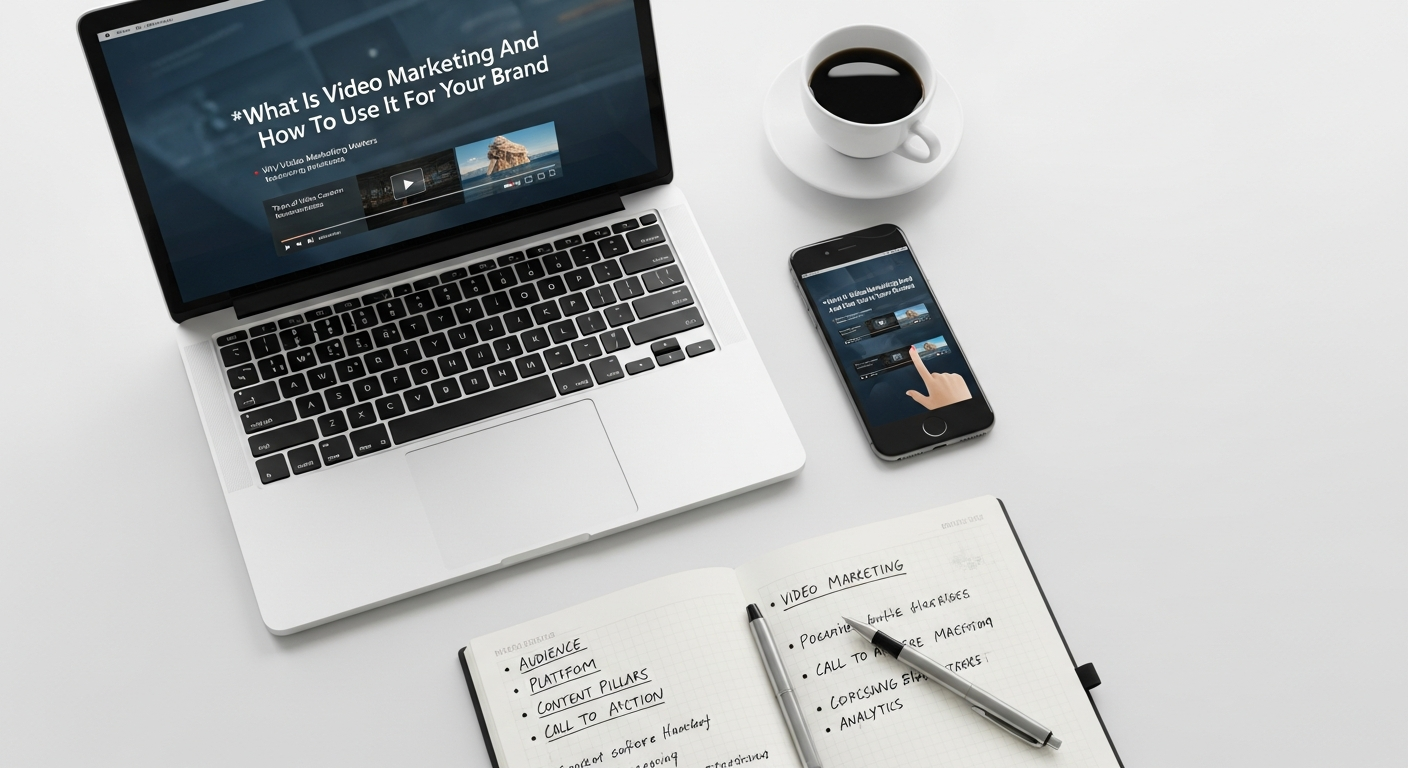
The statistics speak for themselves: video content dominates online consumption. By 2026, projections indicate that video will account for an even larger share of all internet traffic. This isn’t just a trend; it’s a fundamental shift in how people prefer to consume information and engage with brands. Ignoring video marketing means missing out on a massive opportunity to connect with your target audience where they already spend their time.
Enhanced Engagement and Retention
Videos capture attention more effectively than static images or text. The combination of visuals, audio, and motion creates a multi-sensory experience that is inherently more engaging. Viewers are more likely to watch a video to its completion than read a lengthy article, and they retain information presented in video format more readily. This translates to stronger brand recall and a deeper understanding of your products or services.
Improved SEO Performance
Search engines like Google actively prioritize video content. Websites with embedded videos often rank higher in search results, and videos themselves frequently appear in dedicated video carousels. YouTube, the world’s second-largest search engine, is a prime example of how video content can drive organic traffic. By optimizing your videos with relevant keywords, compelling titles, and rich descriptions, you can significantly boost your online visibility. This is akin to understanding How To Write Blog Posts That Rank Google, but applied to a different medium – the principles of keyword research, content quality, and user intent remain paramount.
Higher Conversion Rates
Video has a proven track record of driving conversions. Product demonstration videos, explainer videos, and customer testimonials can significantly influence purchasing decisions. Seeing a product in action or hearing a genuine endorsement from a satisfied customer builds trust and confidence, reducing friction in the sales funnel. Many businesses report a substantial increase in conversion rates after incorporating video onto their landing pages.
Building Trust and Authenticity
In an age of skepticism, authenticity is highly valued. Video allows brands to showcase their human side, introduce their team, and articulate their mission in a genuine way. Live videos, Q&A sessions, and behind-the-scenes glimpses foster transparency and build a stronger emotional connection with the audience, establishing trust that is crucial for long-term brand loyalty.
Unmatched Reach and Accessibility
Video content is highly shareable across various platforms, from social media to email campaigns. It transcends geographical barriers and, with proper captioning and translation, can reach diverse global audiences. Furthermore, video content caters to different learning styles and accessibility needs, making your message more inclusive.
For startups, in particular, video marketing offers a cost-effective way to make a significant impact. While initial production might seem daunting, the long-term ROI in terms of brand recognition, customer acquisition, and engagement makes it an undeniable asset. In 2026, the question is no longer if your brand needs video marketing, but how effectively you are implementing it.
Crafting Your Video Marketing Strategy: A Step-by-Step Guide
1. Define Your Goals and Target Audience
Before pressing record, ask yourself: what do you want to achieve with your video? Common goals include:
- Increasing brand awareness
- Driving website traffic
- Generating leads
- Boosting sales/conversions
- Educating customers
- Building customer loyalty
Equally important is understanding your target audience. Who are they? What are their pain points, interests, and preferred platforms? Tailoring your content to their needs and preferences is crucial for resonance.
2. Choose Your Video Content Types
The world of video content is vast, and different formats serve different purposes:
- Explainer Videos: Simplify complex products or services, often animated.
- Product Demos: Showcase how a product works in real-time.
- Testimonials/Case Studies: Feature satisfied customers sharing their positive experiences.
- Brand Story Videos: Convey your company’s mission, values, and origin story.
- How-To/Tutorials: Provide valuable instructions or tips related to your industry.
- Live Videos: Engage in real-time Q&A, behind-the-scenes, or event coverage.
- Short-Form Social Videos: Quick, attention-grabbing content for platforms like TikTok and Instagram Reels.
- Webinars/Long-Form Content: In-depth educational sessions, often used for lead generation.
- User-Generated Content (UGC): Encourage customers to create videos featuring your brand.
Consider which types best align with your goals and audience.
3. Plan Your Production and Resources
Once you know what you’re making and why, it’s time to plan the how. This involves:
- Scripting/Storyboarding: Outline your video’s narrative, dialogue, and visual elements.
- Budgeting: Determine financial allocation for equipment, talent, editing, and promotion.
- Equipment: Decide if you need professional gear, or if a smartphone and good lighting suffice for initial efforts.
- Team: Who will be responsible for shooting, editing, and distribution? For managing the entire lifecycle of a video project, especially for a startup with multiple content initiatives, leveraging the Best Project Management Software Startups use can be incredibly beneficial. Tools like Asana, Trello, or Monday.com can help coordinate tasks, track progress, and ensure deadlines are met seamlessly.
4. Select Your Distribution Channels
Where will your videos live? Your choice of platform impacts content format and optimization:
- YouTube: Ideal for long-form content, tutorials, and building a subscriber base. Excellent for SEO.
- Social Media (Instagram, Facebook, TikTok, LinkedIn, X): Tailor content to each platform’s unique audience and format requirements (e.g., short, vertical videos for TikTok/Reels, professional content for LinkedIn).
- Your Website/Blog: Embed videos on relevant pages to improve engagement and SEO.
- Email Marketing: Include video thumbnails with links to increase click-through rates.
- Paid Advertising: Utilize video ads on platforms like Google, YouTube, and social media for targeted reach.
5. Measure and Analyze Performance
The strategy doesn’t end with publishing. Continuously monitor key metrics like:
- Views and Reach: How many people saw your video?
- Watch Time/Retention: How much of your video did viewers watch?
- Engagement Rate: Likes, comments, shares.
- Click-Through Rate (CTR): For videos with calls-to-action.
- Conversions: Did the video lead to sign-ups, downloads, or purchases?
Use these insights to refine your strategy, identify what resonates with your audience, and continuously improve your video content moving forward.
Essential Video Marketing Tools and Technologies for Startups
Building an effective video marketing strategy requires more than just creative ideas; it demands the right tools and technologies. For startups, resourcefulness and smart tech choices are paramount. Understanding What Is A Tech Stack How To Choose is crucial here, as your video marketing tools will integrate into your broader operational and marketing infrastructure.
1. Production Equipment
- Cameras: While high-end DSLRs or mirrorless cameras offer superior quality, modern smartphones (e.g., iPhone 15 Pro Max, Samsung Galaxy S24 Ultra) are capable of shooting stunning 4K video, especially with external lenses or gimbals.
- Microphones: Good audio is often more important than good video. Lavalier mics (clip-on), shotgun mics, or USB microphones (like the Blue Yeti) can significantly improve sound quality.
- Lighting: A basic ring light or softbox kit can dramatically enhance visual appeal, making your subjects look professional and well-lit.
- Tripods/Gimbals: Essential for stable, professional-looking footage, whether using a phone or a dedicated camera.
2. Video Editing Software
The choice of editing software depends on your skill level and budget:
- Beginner-Friendly: In-app editors on social platforms, Canva (for quick social videos), iMovie (Mac), or DaVinci Resolve (free, but powerful).
- Intermediate: Adobe Premiere Rush, Filmora, or LumaFusion (iPad/iPhone).
- Professional: Adobe Premiere Pro, Final Cut Pro (Mac), or DaVinci Resolve Studio (paid version).
3. Stock Media and Graphics
Not every shot needs to be original. Stock footage, images, and music can fill gaps and enhance production value:
- Stock Footage: Shutterstock, Adobe Stock, Pexels, Unsplash (free).
- Music/Sound Effects: Epidemic Sound, Artlist, YouTube Audio Library (free).
- Graphic Design: Canva, Adobe Express, or dedicated graphic design software for creating thumbnails, lower thirds, and intro/outro animations.
4. Distribution and Hosting Platforms
- YouTube: The undisputed king for public video hosting and organic reach.
- Vimeo: Often preferred by creatives and businesses for its ad-free experience and professional features.
- Wistia/Vidyard: Excellent for businesses focused on lead generation, offering advanced analytics, CTAs, and integration with marketing automation platforms.
- Social Media Platforms: Directly upload to Instagram, TikTok, LinkedIn, Facebook, and X for native playback and engagement.
5. Analytics and Optimization Tools
- YouTube Analytics: Provides deep insights into audience demographics, watch time, traffic sources, and more.
- Social Media Insights: Most platforms offer native analytics for video performance.
- Google Analytics: Track how embedded videos impact website behavior (e.g., bounce rate, time on page).
- A/B Testing Tools: Some platforms or third-party tools allow testing different thumbnails, titles, or CTAs.
6. AI-Powered Video Tools (Emerging in 2026)
The landscape of video creation is being revolutionized by AI:
- AI Video Generators: Tools like Synthesys X or Pictory can generate videos from text, create voiceovers, or summarize long videos.
- Automated Editing: AI can assist with cutting, B-roll selection, and even color grading.
- Transcription Services: Tools like Happy Scribe or Rev.com provide accurate video transcripts, crucial for SEO and accessibility. Many AI voice-to-text tools are now integrating directly into editing software.
Choosing the right tech stack for your video marketing efforts requires careful consideration of your budget, team’s capabilities, and strategic goals. Starting with free or freemium tools and gradually investing in more advanced solutions as your needs grow is a common and sensible approach for startups.
Optimizing Your Videos for Maximum Reach and Impact (Video SEO)
Creating compelling video content is only half the battle; the other half is ensuring it gets seen by the right audience. This is where Video SEO (Search Engine Optimization) comes into play. Much like optimizing blog posts for Google, video SEO involves a series of practices designed to improve your video’s visibility on search engines and video platforms like YouTube. The principles you apply when learning How To Write Blog Posts That Rank Google are directly transferable to video, emphasizing keywords, user intent, and quality content.
1. Keyword Research for Video
Start by identifying keywords and phrases your target audience uses to search for video content. Tools like Google Keyword Planner, Ahrefs, Semrush, or even YouTube’s search bar suggestions can help. Look for keywords with high search volume and reasonable competition. Consider both broad terms and long-tail keywords relevant to your video’s topic.
2. Compelling Titles and Descriptions
- Titles: Your video title should be catchy, concise, and include your primary target keyword early on. It needs to grab attention and accurately reflect the video’s content. Aim for titles that spark curiosity or clearly state the value proposition.
- Descriptions: Write detailed, keyword-rich descriptions (200-500 words is a good target). Include your primary keyword and secondary keywords naturally. Provide context, summarize the video, and include timestamps for key moments. Add relevant links to your website, social media, and other related videos. Think of this as the “blog post” for your video – it provides crucial information for both viewers and search engines.
3. Optimize Your Thumbnail
The video thumbnail is your first impression. A custom, eye-catching thumbnail with clear text and relevant imagery is crucial for attracting clicks. It should be high-resolution, visually appealing, and accurately represent your video’s content. Avoid generic auto-generated thumbnails.
4. Tags and Categories
Use relevant tags (keywords) that describe your video’s content, topic, and niche. Don’t spam tags; focus on quality over quantity. Choose the most appropriate category for your video on platforms like YouTube to help it reach the right audience.
5. Transcripts and Closed Captions (CC)
Providing transcripts and closed captions offers multiple benefits:
- Accessibility: Makes your video accessible to hearing-impaired viewers and those watching without sound.
- SEO: Search engines can “read” the text in your captions and transcripts, understanding your video’s content more deeply and improving its search ranking for relevant keywords.
- User Experience: Allows viewers to follow along or quickly scan for specific information.
6. Call-to-Actions (CTAs)
What do you want viewers to do after watching your video? Include clear, compelling CTAs within the video itself, in the description, and using platform-specific features (e.g., YouTube end screens, cards). Examples include “Subscribe,” “Visit our website,” “Download the free guide,” or “Learn more.”
7. Promote Your Videos
Don’t just upload and forget. Actively promote your videos across all your digital channels:
- Share on social media platforms (tailoring the post to each platform).
- Embed videos on relevant blog posts and website pages.
- Include videos in your email newsletters.
- Collaborate with influencers or other brands for cross-promotion.
- Consider paid promotion to boost initial reach and visibility.
8. Encourage Engagement
Videos with high engagement (likes, comments, shares, watch time) are favored by platform algorithms. Encourage viewers to comment, ask questions, and share the video. Respond to comments to foster a community around your content.
By consistently applying these video SEO practices, you can dramatically increase the chances of your videos being discovered, watched, and acted upon, maximizing your brand’s reach and impact in the competitive digital landscape of 2026.
Measuring Success and Adapting Your Video Marketing Efforts
Launching a video marketing campaign is just the beginning. To truly succeed and ensure a strong return on investment (ROI), it’s crucial to continuously measure performance, analyze results, and adapt your strategy based on data-driven insights. This iterative process is what separates good video marketing from great video marketing.
Key Metrics to Track
Understanding which metrics matter most is fundamental:
- Views/Reach: The number of times your video has been watched. While a vanity metric on its own, it indicates initial exposure.
- Unique Viewers: How many distinct individuals watched your video, providing a better sense of audience size.
- Watch Time/Audience Retention: This is arguably one of the most important metrics. It indicates how long viewers are engaged with your content. High watch time signals quality and relevance to platform algorithms.
- Engagement Rate: Measured by likes, dislikes, comments, and shares relative to views. High engagement shows your content resonates with the audience.
- Click-Through Rate (CTR): For videos with clickable calls-to-action (e.g., cards, end screens, links in descriptions), CTR indicates how effectively your video drives viewers to your desired destination.
- Conversion Rate: The percentage of viewers who complete a desired action after watching your video (e.g., signing up for a newsletter, making a purchase, downloading a resource). This is a direct measure of business impact.
- Lead Generation: How many qualified leads were generated directly or indirectly from your video content.
- Brand Mentions/Sentiment: Track how your brand is discussed in comments or other online channels in relation to your videos.
- Return on Investment (ROI): Calculate the revenue generated from your video marketing efforts versus the cost of production and promotion. This helps justify your investment and optimize future spending.
Utilizing Analytics Tools
Most video platforms (YouTube, Vimeo, social media) offer robust native analytics dashboards. Supplement these with tools like Google Analytics (for website performance linked to embedded videos) and potentially third-party marketing analytics platforms. These tools provide demographic data, traffic sources, device usage, and critical behavioral patterns that help you understand your audience better.
A/B Testing and Experimentation
Don’t be afraid to experiment. A/B test different elements of your video marketing:
- Thumbnails: Test various images and text overlays to see which drives higher click-through rates.
- Titles and Descriptions: Experiment with different keyword placements and messaging.
- Calls-to-Action: Try different phrasing, placement, and types of CTAs.
- Video Length: See if shorter or longer videos perform better for specific content types or platforms.
- Content Formats: Compare the performance of explainer videos versus testimonials, or live streams versus pre-recorded content.
The insights gained from A/B testing can lead to significant improvements in your video performance over time.
Adapting to Trends and Feedback
The digital landscape of 2026 is dynamic. New platforms emerge, algorithms change, and viewer preferences evolve. Stay abreast of industry trends, monitor competitor strategies, and most importantly, listen to your audience’s feedback.
- Comment Analysis: Read comments to understand what viewers liked, disliked, or wanted more of.
- Surveys: Directly ask your audience for their preferences regarding video content.
- Industry News: Keep up with blogs like Eamped to understand the latest developments in digital marketing and video technology.
By establishing a robust measurement framework and committing to continuous adaptation, your brand can ensure its video marketing efforts remain effective, relevant, and highly impactful, driving sustainable growth and fostering deeper connections with your audience well into 2026 and beyond.
Frequently Asked Questions
Recommended Resources
You might also enjoy Illustrator Vs Photoshop Which To Use from Layout Scene.
Learn more about this topic in Best Mechanical Keyboards For Productivity at Bookmark Sharer.