The Digital Imperative: Why Traditional Document Management Fails in 2026
For decades, businesses relied on physical filing cabinets, overflowing shelves, and cumbersome paper trails. Even the early forays into digital storage often resulted in disorganized folders on shared drives, creating a different kind of chaos. In 2026, such antiquated methods are not just inefficient; they are a significant liability for any forward-thinking tech startup. The volume of data generated by businesses today is astronomical, encompassing everything from client contracts and intellectual property documents to financial records and internal HR policies. Managing this deluge manually is akin to attempting to navigate a modern highway system with a horse and buggy – slow, prone to errors, and utterly incapable of keeping pace.
The limitations of traditional document management are stark and multifaceted. Physical documents demand valuable office space, are susceptible to damage or loss from unforeseen events like fires or floods, and can only be accessed by those physically present. Retrieving a specific document can be a time-consuming scavenger hunt, often leading to significant productivity drains. Furthermore, sharing and collaborating on physical documents is inherently cumbersome, involving printing, scanning, mailing, and endless rounds of revisions that are difficult to track. This process not only wastes time and resources but also introduces version control nightmares, where critical decisions might be based on outdated information.
Fragmented digital systems, while seemingly an improvement, often present their own set of challenges. Documents scattered across individual desktops, email attachments, and various cloud storage platforms without a centralized system lead to information silos. This makes searching for crucial information an arduous task, wastes employee time, and frequently results in duplication of effort. Security is another paramount concern; physical documents can be misplaced or stolen, while disorganized digital files are vulnerable to unauthorized access, cyber threats, and data breaches without proper protocols. In an era of stringent data privacy regulations like GDPR and CCPA, the inability to effectively manage and secure sensitive information can lead to severe legal penalties and reputational damage.
The need for real-time access and remote collaboration, accelerated by global shifts in work culture, further highlights the inadequacy of traditional systems. Tech startups, often operating with distributed teams across different time zones, simply cannot afford bottlenecks created by inaccessible or poorly managed documents. The inability to quickly locate, share, and collaborate on documents directly impacts project timelines, client satisfaction, and overall business agility. Therefore, embracing a comprehensive digital document management strategy is no longer a luxury but a critical strategic imperative for maintaining competitiveness and fostering innovation in 2026.
Core Pillars of Digital Document Management
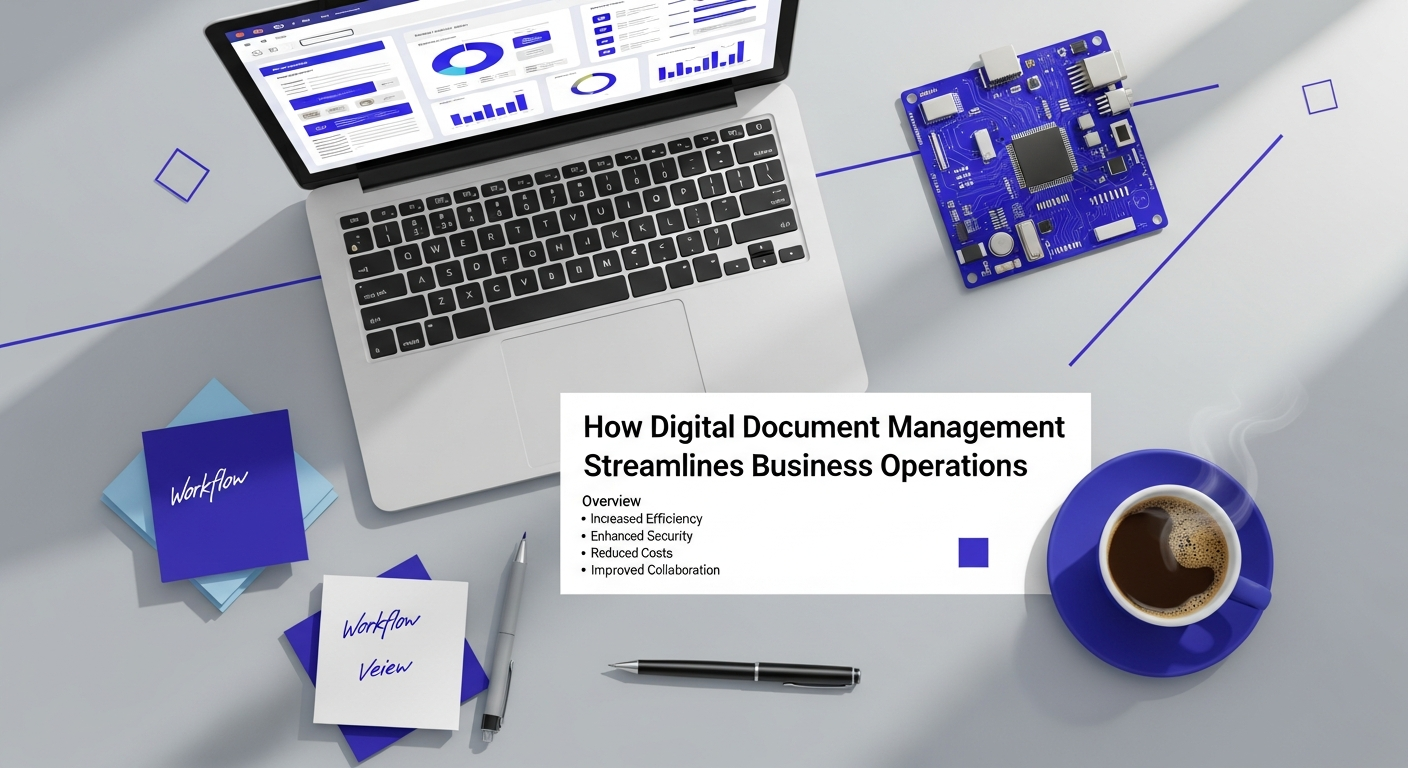
Digital Document Management (DDM) is more than just scanning documents and saving them as PDFs. It encompasses a holistic strategy and technological framework designed to manage the entire lifecycle of an organization’s documents – from creation and storage to sharing, archiving, and eventual disposal. At its heart, a robust DDM system provides a centralized, secure, and accessible repository for all organizational information, transforming chaotic document workflows into streamlined, efficient processes. Understanding its core pillars is crucial for any tech entrepreneur looking to leverage its full potential.
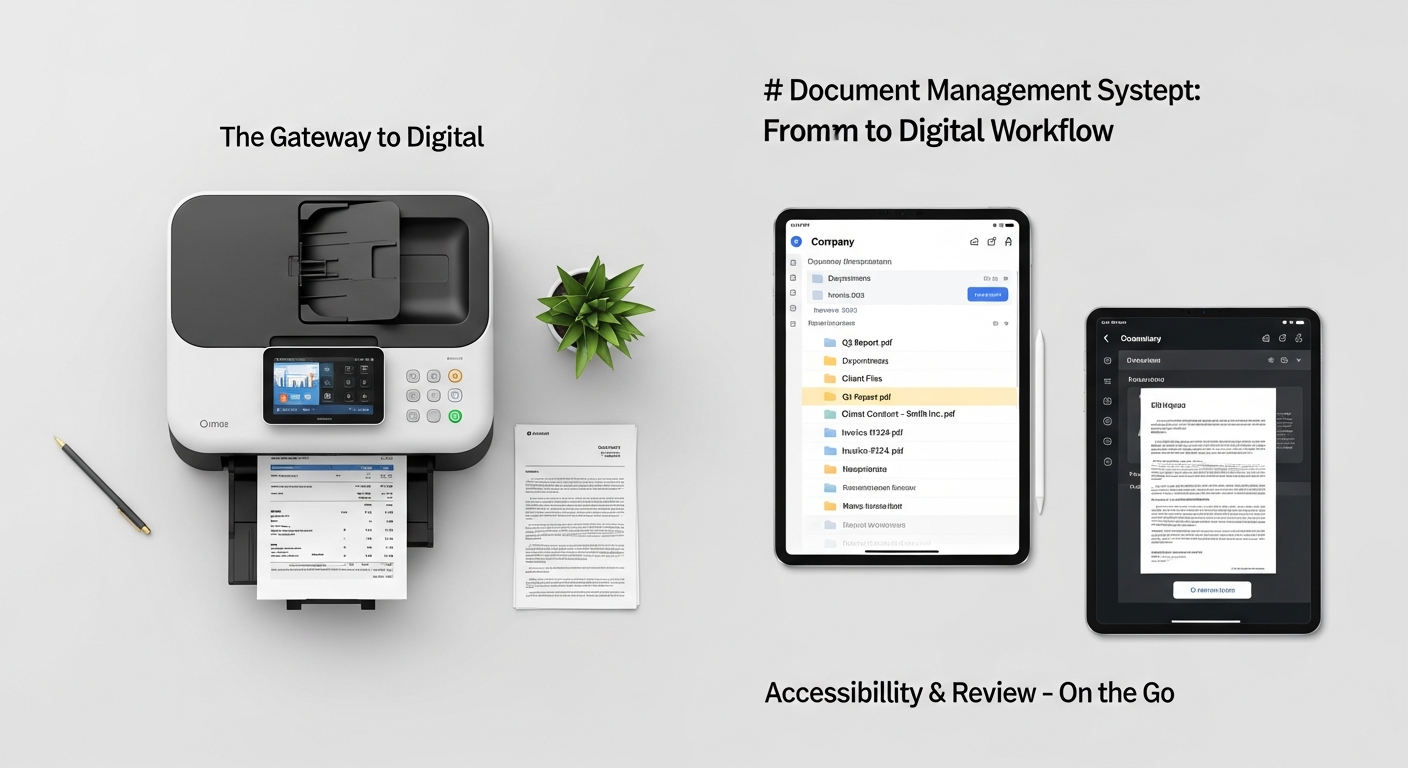
The first pillar is Document Capture and Ingestion. This involves converting physical documents into digital formats through high-speed scanning and optical character recognition (OCR) technology. OCR doesn’t just create an image; it makes the text searchable, allowing for rapid indexing and retrieval. For born-digital documents, ingestion involves seamlessly importing files from various sources, such as email, business applications, or network drives, directly into the DDM system. This initial step is critical for eliminating paper and creating a unified digital archive.
Next is Centralized Storage and Organization. Instead of disparate folders or physical archives, DDM provides a single, secure, and structured repository. Documents are tagged with metadata – information about the document, such as author, date, department, project, and keywords. This metadata acts as a powerful indexing system, enabling precise categorization and lightning-fast searches. Imagine needing to find all contracts related to a specific client from the past two years – with metadata, this is a matter of seconds, not hours.
Efficient Retrieval and Search forms the third pillar. Once documents are captured and organized with rich metadata, retrieving them becomes effortless. Advanced search capabilities, including full-text search (thanks to OCR), allow users to find documents based on keywords, phrases, dates, or any custom metadata field. This dramatically reduces the time employees spend searching for information, freeing them to focus on higher-value tasks and directly contributing to increased productivity.
Robust Security and Access Control is non-negotiable for any DDM system. This pillar ensures that sensitive information is protected from unauthorized access, cyber threats, and data breaches. Features include role-based access permissions, encryption for data at rest and in transit, audit trails that log every document interaction, and version control to track all changes. This level of security is vital for protecting intellectual property, client data, and complying with stringent regulatory requirements.
The fifth pillar is Workflow Automation and Collaboration. This is where DDM truly transforms operations. It allows for the automation of routine document-centric processes, such as approvals, reviews, and routing. Documents can automatically move through predefined steps, triggering notifications and tasks for relevant stakeholders. For example, an expense report can automatically route to a manager for approval, then to accounting for processing. This pillar also enhances collaboration by providing tools for co-authoring, commenting, and real-time document sharing, ensuring everyone works on the latest version.
Finally, Retention, Archiving, and Disposal ensures compliance and manages the document lifecycle. DDM systems allow organizations to define and enforce retention policies, automatically moving documents to archives after a specified period or flagging them for secure disposal when they are no longer needed. This prevents information overload, reduces storage costs, and helps meet legal and regulatory obligations for data retention.
By effectively implementing these core pillars, a digital document management system transforms from a simple storage solution into a dynamic, intelligent platform that drives operational excellence and supports strategic business objectives.
Unlocking Operational Efficiency: The Direct Impact of DDM
One of the primary ways DDM boosts efficiency is by drastically reducing manual tasks and human error. Traditional document processes are rife with repetitive, time-consuming activities such as printing, scanning, filing, photocopying, and manual data entry. Each of these steps is not only inefficient but also a potential point of human error, leading to misfilings, lost documents, or incorrect data. DDM automates many of these tasks. For instance, invoice processing can be automated from receipt to approval and payment, with documents automatically indexed and routed. This aligns perfectly with the broader Benefits of Automation Software, where repetitive tasks are offloaded to technology, freeing up valuable human capital for more strategic, creative, and problem-solving activities that truly drive innovation. Employees spend less time on administrative chores and more time on core business functions, directly impacting productivity and job satisfaction.
Faster document retrieval and access is another cornerstone of operational efficiency. Imagine a sales team needing immediate access to a client’s contract details during a critical negotiation, or a developer requiring a specific technical specification from an archived project. With a DDM system, these documents can be located and accessed within seconds using advanced search functions and metadata – irrespective of the user’s physical location. This real-time access accelerates decision-making processes, ensures that teams are always working with the most current information, and significantly improves response times to client inquiries or internal demands. The cumulative effect of saving minutes or hours on countless document searches across an organization translates into substantial productivity gains over time.
Furthermore, DDM systems introduce sophisticated workflow automation capabilities that transform linear, often stalled, processes into dynamic, self-propelling ones. Instead of waiting for a physical document to be passed from one desk to another for approval, or for an email chain to conclude, DDM allows for the creation of predefined workflows. Documents can be automatically routed to the next person in the approval chain, with notifications triggered at each step. Deadlines can be set, and escalations can be automated if a task is not completed on time. This ensures that critical business processes – such as contract approvals, onboarding new employees, managing project documentation, or processing expense reports – move forward smoothly and predictably, minimizing delays and improving accountability.
By streamlining these document-centric processes, DDM directly contributes to a more agile and responsive organization. It eliminates information silos, ensuring that all relevant stakeholders have access to the information they need, when they need it. This fosters better internal communication and collaboration, reducing misunderstandings and rework. The reduction in paper consumption, printing costs, and physical storage requirements also contributes to operational efficiency by cutting down on overheads and promoting a more sustainable business model. In essence, DDM acts as a force multiplier, optimizing resource utilization and enabling tech startups to operate with greater precision, speed, and cost-effectiveness, positioning them for accelerated growth in 2026.
Enhanced Security and Compliance in a Digital Age
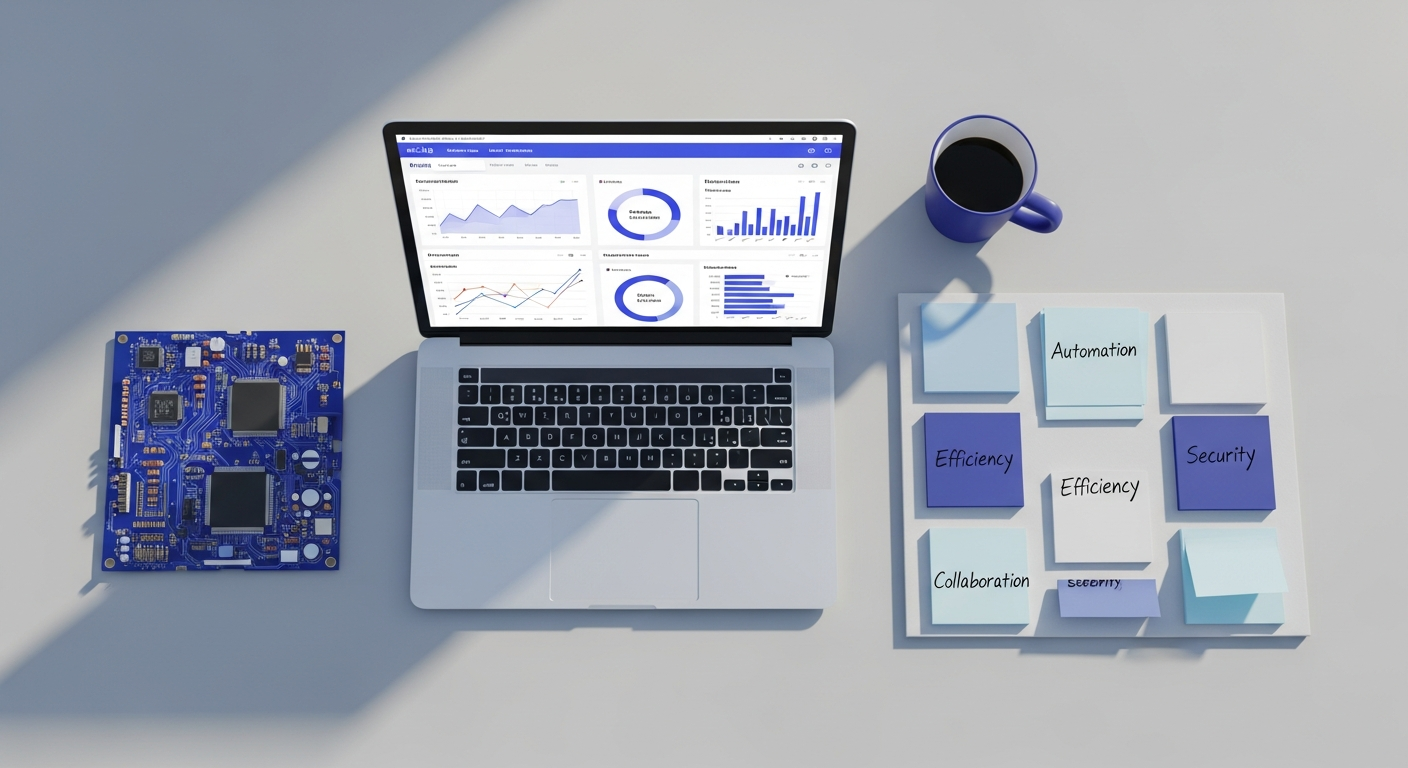
In the digital landscape of 2026, where data breaches are increasingly common and regulatory frameworks are becoming more stringent, robust security and unwavering compliance are not merely optional – they are existential requirements for any tech startup. Digital Document Management (DDM) systems offer a formidable defense against these threats, providing a level of security and control that traditional paper-based or ad-hoc digital methods simply cannot match. For businesses handling sensitive client data, proprietary code, or financial information, DDM is an indispensable tool for safeguarding assets and maintaining trust.
One of the foundational security features of DDM is granular access control. Unlike physical documents that can be accessed by anyone with a key to a filing cabinet, DDM allows administrators to define precisely who can view, edit, print, or delete specific documents or document types. This role-based access ensures that employees only interact with the information necessary for their job functions, significantly reducing the risk of internal misuse or accidental exposure. For instance, HR records might only be accessible to the HR department, while financial statements are restricted to the finance team and executive leadership. This segmented access is critical for protecting sensitive data from internal threats.
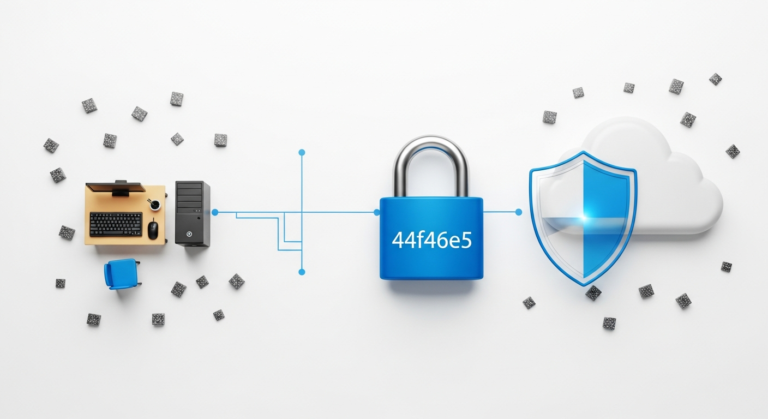
Beyond access control, DDM systems employ advanced cryptographic measures. Encryption protects data both at rest (when stored on servers) and in transit (when being accessed or shared over networks). This means that even if a cyber attacker manages to breach your system, the intercepted data would be unreadable without the proper decryption keys, rendering it useless. This layer of protection is vital in an era where data compromise can lead to devastating financial and reputational consequences.
Another crucial element is the implementation of comprehensive audit trails and version control. Every interaction with a document – who accessed it, when, what changes were made, and when it was approved – is meticulously recorded. This creates an immutable history that provides complete transparency and accountability. If a discrepancy arises or an unauthorized action occurs, the audit trail can pinpoint the exact moment and individual responsible. Version control ensures that every revision of a document is saved, preventing accidental overwrites and allowing users to revert to previous versions if needed. This is particularly valuable for legal documents, contracts, and technical specifications where changes must be tracked precisely.
Furthermore, DDM systems are instrumental in helping businesses achieve and maintain regulatory compliance. With regulations such as GDPR, HIPAA, ISO 27001, and SOX imposing strict requirements on data privacy, security, and retention, businesses must have demonstrable controls in place. DDM facilitates compliance by:
- Enforcing automated retention policies for different document types, ensuring records are kept for the legally required duration and then securely disposed of.
- Providing robust security features that meet industry standards for data protection.
- Generating comprehensive audit trails that serve as proof of compliance during regulatory inspections.
- Enabling rapid retrieval of specific documents required for legal discovery or audits.
The ability to quickly locate and produce specific documents, along with their full history, is invaluable during legal proceedings or compliance audits, significantly reducing associated risks and potential penalties.
Finally, DDM contributes to disaster recovery and business continuity. By storing documents digitally with automated backups, often replicated across multiple secure locations (especially when leveraging cloud-based solutions), organizations are protected against data loss from physical disasters, hardware failures, or cyberattacks. This ensures that critical business information remains accessible and operations can resume quickly, minimizing downtime and safeguarding the business’s future. In summary, DDM transforms document management from a security vulnerability into a strategic asset, providing peace of mind and a resilient foundation for growth in 2026.
Collaboration, Accessibility, and the Power of Cloud Computing
In the modern business environment, particularly for agile tech startups, the ability to collaborate seamlessly and access information from anywhere at any time is no longer a luxury – it’s a fundamental operational requirement. Digital Document Management (DDM) systems, especially when powered by the immense capabilities of cloud computing, are at the forefront of enabling this hyper-connected and flexible way of working. This synergy significantly enhances teamwork, boosts productivity, and ensures business continuity regardless of geographical dispersion.
DDM inherently fosters enhanced collaboration by centralizing all documents in a single, accessible repository. This eliminates the chaos of documents scattered across emails, local drives, or various personal cloud accounts. Teams can work on the same document simultaneously, with real-time updates and version control ensuring everyone is always operating with the most current information. Features like integrated commenting, task assignment, and automated review cycles streamline the collaborative process, reducing communication overhead and accelerating project completion. For example, a development team can collaborate on technical specifications, a marketing team on campaign assets, or a legal team on contract drafts – all within the secure confines of the DDM system, ensuring consistency and accountability.
The concept of universal accessibility is a direct outcome of modern DDM solutions. Employees are no longer tied to their office desks to access critical files. With DDM, documents can be securely accessed from any device – laptops, tablets, or smartphones – provided there’s an internet connection and appropriate authentication. This is incredibly empowering for remote teams, field sales personnel, or executives traveling for business. The ability to retrieve and work on documents on the go means that productivity doesn’t cease outside the traditional office environment, supporting flexible work models and expanding recruitment possibilities beyond local geographical constraints.
This universal accessibility and enhanced collaboration are overwhelmingly driven by the power of Cloud Computing Benefits. Deploying a DDM system in the cloud offers a multitude of advantages that are particularly appealing to tech startups:
- Scalability: Cloud DDM solutions can effortlessly scale up or down based on your business needs. As your startup grows and generates more documents, your storage and processing power can be expanded almost instantaneously, without the need for significant upfront hardware investments or complex IT infrastructure management.
- Cost-Effectiveness: By eliminating the need for on-premise servers, maintenance, and dedicated IT staff for infrastructure, cloud DDM significantly reduces capital expenditure and operational costs. You typically pay a subscription fee based on usage, making it a predictable and manageable expense.
- Reliability and Uptime: Reputable cloud providers offer robust infrastructure with high availability and redundancy. This means your documents are almost always accessible, and the risk of downtime due to hardware failures or localized issues is dramatically minimized.
- Automatic Updates and Maintenance: Cloud DDM providers handle all software updates, security patches, and system maintenance. This ensures your system is always running on the latest, most secure version without requiring any effort from your internal IT team, allowing them to focus on core business innovation.
- Disaster Recovery: Cloud platforms typically include sophisticated backup and disaster recovery mechanisms. Your data is often replicated across multiple data centers, providing superior protection against data loss compared to most on-premise solutions.
- Enhanced Security: While security is often a concern with the cloud, leading cloud providers invest heavily in state-of-the-art security measures, often exceeding what individual businesses can afford to implement on their own. This includes physical security of data centers, network security, and advanced threat detection.
Moreover, DDM systems frequently offer seamless integration with other cloud-based business tools. Whether it’s connecting to CRM platforms for client document management, ERP systems for operational data, or specific project management software, DDM acts as a central hub for all document-related information. This interconnected ecosystem further streamlines workflows, eliminates data silos, and provides a holistic view of business operations. The ability to integrate DDM with platforms that facilitate the Benefits of Automation Software amplifies efficiency, ensuring that document-driven processes are not only managed but also automated end-to-end. By harnessing the combined strength of DDM and cloud computing, tech startups can create a dynamic, highly collaborative, and incredibly resilient operational environment, perfectly poised for rapid growth and innovation in 2026.
Strategic Advantages: Beyond Efficiency to Business Growth
While the immediate benefits of Digital Document Management (DDM) in terms of operational efficiency and security are undeniable, its true strategic value for tech entrepreneurs lies in its capacity to drive sustainable business growth and competitive advantage. DDM is not just about doing things better; it’s about enabling your business to do better things, faster, and more intelligently. It transforms document handling from a necessary chore into a strategic asset that underpins innovation, customer satisfaction, and market leadership.
One significant strategic advantage is substantial cost savings. Beyond the obvious reduction in paper, printing, and physical storage costs, DDM dramatically cuts down on labor expenses associated with manual document processing. Time saved searching for files, correcting errors, and performing repetitive tasks translates directly into reduced operational costs. Employees freed from administrative burdens can reallocate their efforts to revenue-generating activities, product development, or customer engagement. These savings can then be reinvested into research and development, marketing, or talent acquisition, fueling further growth. The Benefits of Automation Software, inherently embedded within DDM, amplify these savings by minimizing human intervention in repetitive, rule-based processes.
DDM also leads to improved customer service and satisfaction. In a fast-paced market, customers expect quick responses and accurate information. With a DDM system, your sales, support, and service teams can instantly access customer histories, previous interactions, contracts, and product specifications. This enables them to provide faster, more informed responses to inquiries, resolve issues more efficiently, and deliver a more personalized experience. For instance, quickly retrieving a signed agreement or a past technical support ticket can significantly enhance a customer’s perception of your company’s professionalism and efficiency, fostering loyalty and repeat business. This responsiveness is a critical differentiator in competitive markets.
A less obvious but profoundly impactful strategic advantage is the ability to derive better data analytics and insights. When documents are digitized, indexed with metadata, and centrally stored, they become a rich source of structured data. This data can be analyzed to identify trends, bottlenecks in workflows, areas for process improvement, and even insights into customer behavior or project performance. For example, analyzing contract approval times can reveal inefficiencies, or tracking sales proposal versions can inform future strategy. Integrating DDM with business intelligence tools allows startups to transform raw document data into actionable insights, enabling more informed strategic decision-making and fostering a culture of continuous improvement.
Furthermore, DDM significantly enhances business agility and responsiveness to market changes. The ability to quickly adapt is crucial for startups. With a flexible DDM system, new workflows can be rapidly designed and implemented to accommodate evolving business processes, new compliance requirements, or sudden market shifts. The ease of access and collaboration supports rapid prototyping, faster product development cycles, and quicker time-to-market for new offerings. This inherent agility provides a significant competitive edge, allowing tech startups to outmaneuver slower, less organized competitors.
For financial management, the integration of DDM with leading Best Accounting Software solutions is transformative. Financial documents – invoices, receipts, purchase orders, expense reports – are critical. A DDM system ensures these are accurately captured, securely stored, and readily available for accounting processes, audits, and financial reporting. Automated workflows can ensure that invoices are approved and paid on time, improving cash flow and vendor relationships. The seamless flow of financial documents between DDM and accounting software reduces manual data entry, minimizes errors, and provides real-time visibility into the financial health of the organization, which is paramount for strategic financial planning and investor relations.
In essence, by streamlining operations, securing vital information, enhancing collaboration through the Cloud Computing Benefits, and providing actionable insights, DDM elevates a tech startup beyond mere efficiency. It empowers strategic decision-making, accelerates growth, improves customer relationships, and builds a resilient foundation for long-term success in the dynamic business environment of 2026. It’s an investment that pays dividends not just in cost savings, but in competitive positioning and market opportunity.
Implementing Digital Document Management: A Strategic Roadmap
Embarking on the journey of implementing a Digital Document Management (DDM) system is a strategic decision that requires careful planning, execution, and ongoing commitment. For tech entrepreneurs, it’s not just about selecting software; it’s about transforming fundamental business processes and fostering a new organizational culture around information management. A well-executed implementation ensures maximum return on investment and minimizes disruption. Here’s a strategic roadmap for integrating DDM into your startup’s ecosystem in 2026.
1. Conduct a Comprehensive Needs Assessment and Discovery:
Before looking at any software, thoroughly understand your current document landscape. Identify:
- What types of documents do you manage (contracts, invoices, HR records, technical specs, marketing materials)?
- Which departments handle the most documents, and what are their current pain points?
- What are your current document workflows (creation, review, approval, storage)? Map these out.
- What are your regulatory and compliance requirements for document retention and security?
- What are your integration needs with existing systems like CRM, ERP, and your chosen Best Accounting Software?
- What are your future growth projections for document volume and users?
This initial phase is crucial for defining clear objectives and establishing a baseline for success.
2. Define Clear Goals and KPIs:
Translate your needs into measurable goals. Examples include:
- Reduce document retrieval time by X%.
- Decrease paper consumption by Y%.
- Improve contract approval time by Z days.
- Achieve compliance with specific regulations by a target date.
- Reduce storage costs by A%.
These Key Performance Indicators (KPIs) will help you track progress and demonstrate the value of your DDM investment.
3. Research and Select the Right DDM Solution:
The market for DDM systems is vast. Focus on solutions that align with your specific needs, budget, and scalability requirements. Consider:
- Cloud-based vs. On-premise: For most tech startups, the Cloud Computing Benefits (scalability, lower upfront costs, remote accessibility, automatic updates) make cloud-based solutions highly attractive.
- Features: Does it offer robust search, workflow automation, version control, security, and integration capabilities? Look for systems that can provide the Benefits of Automation Software specific to document processes.
- Usability: Is the interface intuitive and easy to use? User adoption is critical.
- Vendor Reputation and Support: Research vendor track records, customer reviews, and the quality of their support.
- Integration Capabilities: Ensure it can seamlessly integrate with your existing tech stack, especially for critical systems.
Request demos and free trials to test solutions with your actual documents and workflows.
4. Plan Document Migration and Indexing Strategy:
This is often the most labor-intensive part. Decide:
- Which existing documents need to be migrated? Not everything needs to move immediately.
- What is the best way to digitize physical documents (in-house scanning vs. third-party services)?
- What metadata strategy will you use to tag and categorize documents
Recommended Resources
Learn more about this topic in Responsive Design Principles Guide at Layout Scene.
Related reading: How To Use Notion For Productivity (Bookmark Sharer).