The Dawn of Digital Transformation: Cloud Computing for Small Businesses
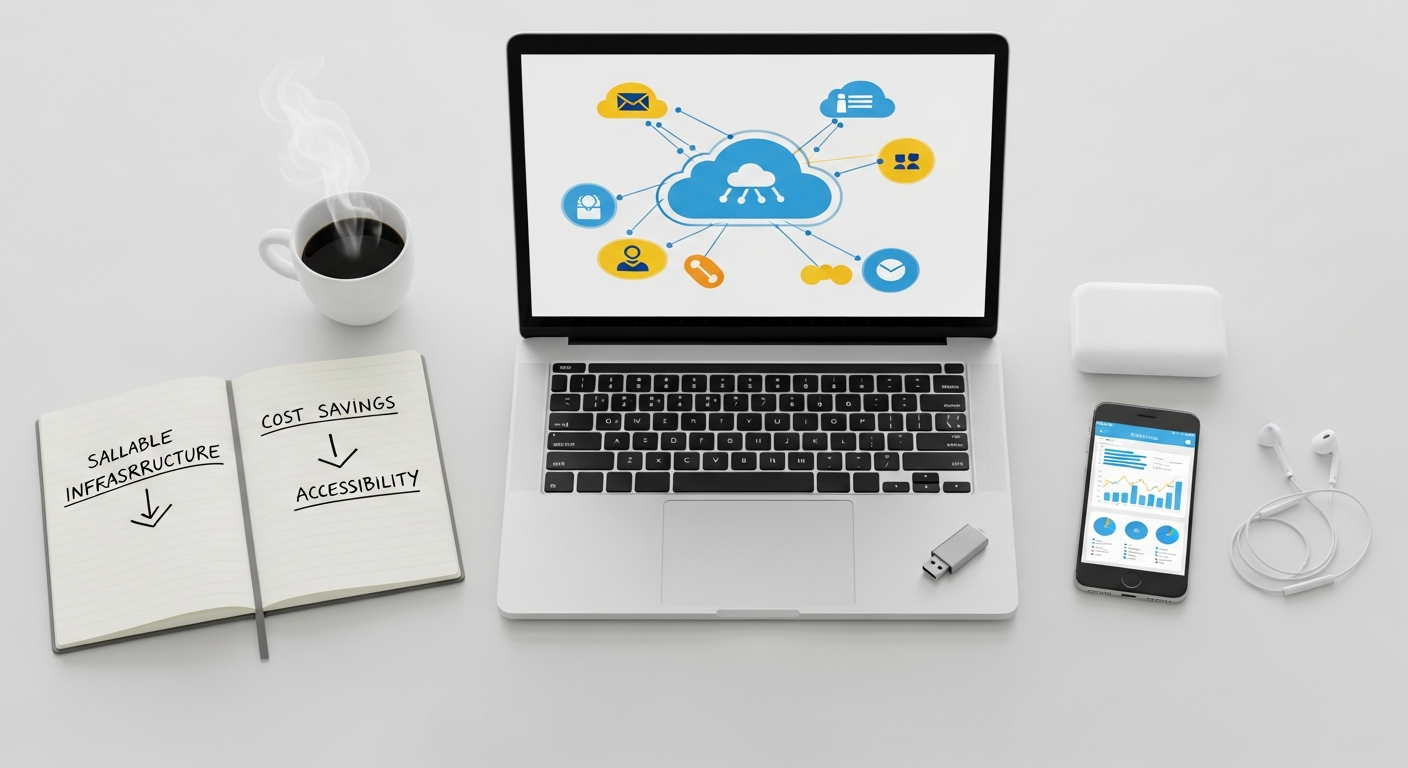
Cloud computing, in its essence, refers to the delivery of on-demand computing services—including servers, storage, databases, networking, software, analytics, and intelligence—over the Internet (“the cloud”). Instead of owning their computing infrastructure or data centers, businesses can access these services from a cloud provider like Amazon Web Services (AWS), Google Cloud, or Microsoft Azure. This fundamental shift from a capital expenditure (CAPEX) model to an operational expenditure (OPEX) model is a game-changer for small businesses.
Historically, an SMB looking to expand its digital capabilities faced significant hurdles: purchasing expensive servers, maintaining complex software licenses, and investing in a robust IT infrastructure. These requirements often led to either under-resourcing, which stifled growth, or over-resourcing, which led to wasteful spending. Cloud computing eliminates these barriers, offering a flexible, scalable, and cost-effective alternative that empowers small businesses to embrace digital transformation without breaking the bank.
By 2026, the global adoption rate of cloud services by SMBs is projected to reach unprecedented levels, driven by the undeniable advantages it offers. From streamlining daily operations to fostering innovation and enhancing customer engagement, the cloud provides a resilient foundation upon which small businesses can build their future. It’s about more than just storing data; it’s about gaining agility, intelligence, and a competitive edge in an increasingly digital world.
The paradigm shift represented by cloud computing means that small businesses can now leverage sophisticated applications and infrastructure that were once the exclusive preserve of large corporations. This democratization of technology is not just about cost savings; it’s about enabling a new era of efficiency, collaboration, and strategic growth. By moving to the cloud, SMBs can shed the burden of IT management, freeing up valuable resources and personnel to focus on core business activities and innovation.
Furthermore, the inherent flexibility of cloud services allows small businesses to quickly adapt to market changes, experiment with new ideas, and pivot strategies without significant technical overhead. This agility is crucial in today’s fast-paced business environment, where the ability to respond swiftly to opportunities and challenges can make or break a venture. The cloud provides a dynamic platform that grows with your business, ensuring that your technology infrastructure is always aligned with your strategic objectives.
Unlocking Economic Advantages: Cost Efficiency and Unprecedented Scalability
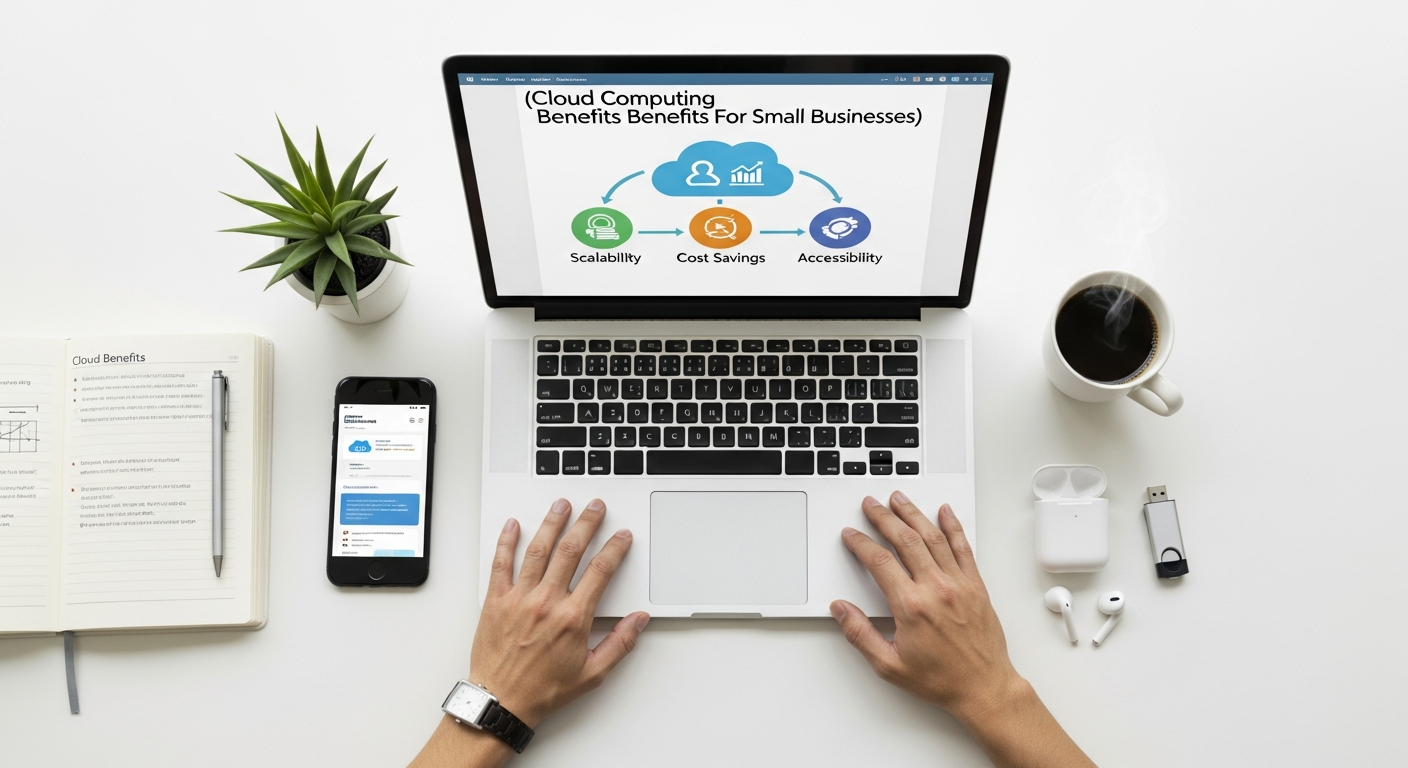
One of the most compelling arguments for small businesses to embrace cloud computing revolves around its profound economic benefits, primarily through significant cost efficiencies and unparalleled scalability. These advantages directly impact a small business’s bottom line and its ability to grow sustainably.
Reduced Upfront Capital Expenditure (CAPEX)
- No Hardware Costs: Traditional IT infrastructure requires substantial upfront investment in servers, networking equipment, storage devices, and other hardware. With cloud computing, these physical assets are owned and maintained by the cloud provider, eliminating the need for SMBs to purchase them.
- Software Licensing: Many cloud services operate on a Software-as-a-Service (SaaS) model, where software is licensed on a subscription basis. This removes the need for perpetual licenses, which can be expensive and require frequent updates. Instead, businesses pay a predictable monthly or annual fee, which often includes updates and maintenance.
- Infrastructure Set-up: The cost and time associated with designing, installing, and configuring an on-premise IT infrastructure are completely sidestepped. Cloud services are ready to use almost instantly, allowing businesses to get up and running much faster.
Shift to Operational Expenditure (OPEX)
By transforming CAPEX into OPEX, cloud computing allows small businesses to manage their cash flow more effectively. Instead of large, infrequent outlays, IT expenses become predictable monthly operating costs. This budgeting predictability is invaluable for small businesses, which often operate with tighter margins and need clear financial visibility.
- Predictable Monthly Costs: Subscription-based models offer clear, consistent pricing, making financial planning easier and more accurate.
- Utility-Based Billing: Many cloud services operate on a pay-as-you-go model, similar to electricity or water. Businesses only pay for the resources they actually consume, preventing overspending on underutilized infrastructure.
Lower IT Maintenance and Operational Costs
Maintaining an on-premise IT infrastructure is a costly and time-consuming endeavor. It involves:
- Staffing: Hiring dedicated IT personnel to manage, monitor, and troubleshoot servers, networks, and software. Cloud providers handle this, reducing the need for an extensive internal IT team.
- Power and Cooling: Servers consume significant electricity and require specialized cooling systems to prevent overheating, adding to operational expenses. Cloud data centers are optimized for energy efficiency, and these costs are absorbed by the provider.
- Upgrades and Patches: Keeping software and hardware updated is crucial for security and performance but requires ongoing effort and investment. Cloud providers automatically manage these updates, ensuring businesses always have access to the latest versions and security patches without manual intervention.
Unprecedented Scalability and Flexibility
One of the most powerful features of cloud computing for small businesses is its inherent scalability. Small businesses often experience fluctuating demands, seasonal peaks, or rapid growth phases. Traditional IT infrastructure struggles to adapt to these changes efficiently.
- Elastic Resources: Cloud platforms allow businesses to instantly scale their computing resources (CPU, RAM, storage) up or down based on real-time demand. If a marketing campaign goes viral or there’s a sudden surge in website traffic, resources can be provisioned within minutes to handle the load, preventing downtime and lost revenue. Conversely, during quieter periods, resources can be scaled down to reduce costs.
- Agility for Growth: As a small business grows, its IT needs evolve. Cloud computing ensures that infrastructure can keep pace with growth without requiring complete overhauls or significant new investments. This agility is vital for startups and rapidly expanding businesses that need to remain nimble.
- Geographic Expansion: For businesses looking to expand into new markets or serve a global customer base, cloud providers offer data centers in various regions worldwide. This allows SMBs to deploy applications closer to their users, reducing latency and improving user experience without the need to build physical infrastructure in each new location.
By offering a powerful combination of reduced costs and unparalleled flexibility, cloud computing empowers small businesses to allocate their precious capital and human resources more strategically, focusing on core business objectives rather than IT maintenance. This economic advantage is not just about saving money; it’s about creating a more resilient, adaptable, and growth-oriented business model for the future.
Supercharging Operations: Enhanced Productivity and Seamless Collaboration
Access Anywhere, Anytime, on Any Device
One of the most tangible benefits of cloud-based applications and data is ubiquitous access. For small businesses, this translates into several advantages:
- Remote Work Enablement: The cloud has been instrumental in facilitating remote and hybrid work models. Employees can access all necessary applications, documents, and data from any location with an internet connection, using a laptop, tablet, or smartphone. This flexibility improves employee satisfaction and retention, broadens the talent pool, and ensures business continuity in the face of unforeseen circumstances.
- Mobile Accessibility: Business doesn’t stop when you leave the office. Cloud solutions allow sales teams to update CRM records on the go, field service technicians to access repair manuals from a client site, or business owners to approve invoices while traveling. This constant connectivity ensures that operations remain fluid and responsive.
- Business Continuity: In the event of a local disaster (e.g., power outage, office damage), cloud-stored data and applications remain accessible from an alternate location, minimizing downtime and ensuring that critical business functions can continue uninterrupted.
Streamlined Collaboration and Communication
Collaboration is the bedrock of modern business success, and cloud computing provides a suite of tools that tear down traditional communication silos.
- Real-time Document Collaboration: Platforms like Google Workspace or Microsoft 365 allow multiple team members to work on the same document, spreadsheet, or presentation simultaneously, seeing edits in real-time. This eliminates version control issues, reduces email attachments, and accelerates project completion.
- Shared Workspaces: Cloud-based platforms create centralized hubs for teams to share files, discuss projects, assign tasks, and track progress. This fosters transparency and ensures everyone is on the same page.
- Integrated Communication Tools: Many cloud suites integrate messaging, video conferencing, and email, providing a unified communication experience that keeps teams connected and informed, regardless of their physical location.
When considering the Best Project Management Software Startups, it becomes evident how deeply intertwined they are with cloud computing. Modern project management tools like Asana, Trello, Monday.com, and ClickUp are inherently cloud-based. They offer features such as task assignment, progress tracking, shared calendars, file sharing, and communication channels—all accessible from a web browser or mobile app. For a small business, leveraging such cloud-based PM tools means:
- Improved Project Visibility: Everyone on the team, from the project manager to individual contributors, has a clear view of project status, deadlines, and responsibilities.
- Enhanced Accountability: Tasks are clearly assigned and tracked, making it easier to identify bottlenecks and ensure timely completion.
- Efficient Resource Allocation: Project managers can better understand team workloads and allocate resources effectively, preventing burnout and maximizing productivity.
- Faster Decision-Making: Real-time updates and collaborative features enable quicker responses to challenges and opportunities within a project.
Automation and Workflow Optimization
Many cloud applications come with built-in automation capabilities or integrate seamlessly with other automation tools. For a small business, this means:
- Reduced Manual Tasks: Automating repetitive tasks like data entry, report generation, or customer follow-ups frees up employees to focus on higher-value activities that require human creativity and problem-solving.
- Streamlined Workflows: Cloud platforms can connect different business functions (e.g., CRM to accounting software, marketing automation to sales tools), creating end-to-end workflows that reduce errors and improve efficiency.
- Faster Processes: Automated processes run continuously and without human intervention, accelerating everything from order fulfillment to customer service responses.
By empowering employees with flexible access, fostering robust collaboration, and automating routine tasks, cloud computing significantly enhances the overall productivity of a small business. This efficiency gain is not just about doing more work; it’s about doing smarter work, leading to better outcomes and a stronger competitive position.
Fortifying Your Fortress: Robust Security and Reliable Data Protection
For many small businesses, concerns about security are a primary barrier to cloud adoption. The idea of entrusting sensitive data to an external provider can be daunting. However, in reality, cloud computing often provides a far more robust and sophisticated security posture than most small businesses could ever hope to achieve on their own. Cloud providers invest billions in security infrastructure, expertise, and protocols, offering enterprise-grade protection that is virtually unattainable for individual SMBs.
Enterprise-Grade Security Infrastructure
Leading cloud providers operate data centers with security measures that far exceed the capabilities of a typical small business IT setup. These include:
- Physical Security: Cloud data centers are highly secured facilities with multi-layered access controls, biometric authentication, 24/7 surveillance, and armed guards. They are designed to withstand various threats, from natural disasters to unauthorized physical intrusion.
- Network Security: Advanced firewalls, intrusion detection and prevention systems (IDPS), DDoS mitigation, and sophisticated network segmentation are standard. Cloud providers employ expert cybersecurity teams constantly monitoring for threats and vulnerabilities.
- Data Encryption: Data is typically encrypted both in transit (as it moves between your device and the cloud) and at rest (when stored on servers). This ensures that even if unauthorized access were gained, the data would be unreadable.
- Regular Audits and Compliance: Cloud providers adhere to stringent industry standards and regulatory compliance frameworks such as ISO 27001, SOC 1/2/3, GDPR, HIPAA, and PCI DSS. This means they undergo regular third-party audits to ensure their security controls are effective, helping small businesses meet their own compliance obligations.
Comprehensive Data Backup and Disaster Recovery
Data loss can be catastrophic for any business, and small businesses are particularly vulnerable due to limited resources for sophisticated backup and recovery solutions. Cloud computing offers a superior approach:
- Automated Backups: Cloud services typically include automated, frequent backups of data. This eliminates the need for manual backup processes, which are often prone to human error or oversight.
- Geographical Redundancy: Data is often replicated across multiple geographically dispersed data centers. This means that even if one data center experiences a catastrophic failure, your data remains safe and accessible from another location, ensuring maximum uptime.
- Rapid Recovery: In the event of data loss, system failure, or even a cyberattack, cloud-based disaster recovery solutions allow for rapid restoration of services and data, minimizing downtime and business disruption. This level of resilience is incredibly difficult and expensive to achieve with on-premise infrastructure.
- Reduced Downtime: By ensuring business continuity through robust backup and recovery, cloud computing minimizes the financial impact of downtime, which can be devastating for small businesses.
Proactive Threat Management and Updates
Cybersecurity threats are constantly evolving, requiring continuous vigilance and updates. Cloud providers handle this burden for their customers:
- Continuous Monitoring: Cloud security teams continuously monitor their infrastructure for suspicious activity, vulnerabilities, and emerging threats, often leveraging AI and machine learning for advanced threat detection.
- Automatic Updates and Patching: Operating systems, software, and firmware are regularly updated and patched by the cloud provider. This ensures that known vulnerabilities are addressed promptly, reducing the attack surface for small businesses without requiring manual intervention.
- Expertise: Cloud providers employ thousands of cybersecurity experts, a level of specialized talent that no small business could afford to hire independently. This collective expertise is deployed to protect all their customers.
While cloud security is robust, it’s crucial for small businesses to understand the shared responsibility model. Cloud providers secure the “cloud itself,” while the customer is responsible for security “in the cloud.” This means configuring user access, managing data encryption settings, and ensuring employees adhere to best practices for password hygiene and data handling. However, by leveraging the foundational security offered by cloud providers, small businesses can significantly elevate their overall security posture and gain peace of mind that their valuable data is protected by industry-leading measures, allowing them to focus on their core business with greater confidence.
Fueling Innovation and Gaining a Competitive Edge
In today’s fast-evolving market, innovation is not a luxury but a necessity for survival and growth. Cloud computing serves as a powerful accelerator for innovation, providing small businesses with access to advanced technologies and capabilities that were once out of reach, thereby enabling them to gain a significant competitive edge.
Access to Advanced Technologies
Cloud platforms are continuously integrating the latest technological advancements, making them available as services that small businesses can consume on demand. This includes:
- Artificial Intelligence (AI) and Machine Learning (ML): Cloud providers offer ready-to-use AI/ML services for tasks like natural language processing, image recognition, predictive analytics, and personalized recommendations. Small businesses can leverage these sophisticated capabilities to automate customer service, analyze market trends, or enhance product offerings without needing to hire a team of data scientists or invest in powerful computing hardware.
- Big Data Analytics: Processing and analyzing large datasets can yield invaluable insights. Cloud-based big data tools allow small businesses to collect, store, and analyze vast amounts of customer, operational, and market data to identify patterns, forecast trends, and make more informed decisions.
- Internet of Things (IoT): For businesses dealing with connected devices, cloud platforms provide the infrastructure to manage, process, and analyze data generated by IoT sensors, enabling new services, operational efficiencies, and deeper insights into product usage.
The ability to harness these cutting-edge technologies democratizes innovation. Small businesses can now experiment with and deploy solutions that were previously exclusive to large enterprises with massive R&D budgets. This access fosters a culture of innovation and allows SMBs to punch above their weight.
Faster Time to Market and Experimentation
The agility of cloud infrastructure significantly reduces the time it takes to develop, test, and deploy new applications, products, or services. For a small business, this means:
- Rapid Prototyping: Developers can quickly spin up virtual environments, test new features, and gather feedback without the lengthy procurement and setup process of traditional IT.
- Reduced Risk in Experimentation: The pay-as-you-go model allows businesses to experiment with new ideas or business models at a lower cost. If an experiment doesn’t work out, resources can be de-provisioned quickly without significant sunk costs. This encourages innovation by making failure less financially punitive.
- Quicker Deployment: Cloud platforms streamline the deployment process, allowing new applications and updates to reach customers faster, giving the business a competitive advantage in responsiveness.
Improved Customer Experience and Targeted Marketing
Cloud computing underpins many of the tools used to understand and engage with customers effectively:
- CRM Systems: Cloud-based Customer Relationship Management (CRM) systems (e.g., Salesforce, HubSpot) provide a centralized view of customer interactions, sales pipelines, and support tickets. This enables small businesses to offer personalized service, build stronger relationships, and drive repeat business.
- Marketing Automation: Cloud platforms facilitate marketing automation, allowing businesses to execute targeted email campaigns, manage social media, and track customer journeys more efficiently.
This is particularly relevant when considering What Is Pay Per Click Advertising. Cloud-based analytics tools and CRM systems are indispensable for optimizing PPC campaigns. Small businesses can use cloud tools to:
- Track Performance: Monitor ad spend, click-through rates, conversions, and ROI in real-time across various platforms.
- Analyze Customer Data: Integrate PPC data with CRM insights to understand which customer segments are most responsive to specific ads and tailor future campaigns accordingly.
- A/B Testing: Easily run multiple ad variations and quickly analyze results in the cloud to identify the most effective messaging and visuals.
- Refine Targeting: Leverage cloud analytics to identify new audience segments and refine targeting parameters, ensuring ad spend is maximized for optimal reach and conversion.
By providing the infrastructure for sophisticated analytics and customer engagement, the cloud helps small businesses not only reach their target audience more effectively but also deliver a superior, more personalized customer experience, which is a key differentiator in crowded markets.
Global Reach and Market Expansion
For small businesses with global aspirations, the cloud provides an unparalleled advantage:
- Global Infrastructure: Cloud providers have data centers worldwide. This allows SMBs to deploy applications and services closer to their international customers, reducing latency and improving performance, without the need to establish physical offices or infrastructure in each region.
- Localized Services: The cloud facilitates the customization of services and content for different geographical markets, enabling small businesses to compete effectively on a global scale.
In essence, cloud computing empowers small businesses to innovate at a speed and scale previously unimaginable. It transforms them from technology consumers into technology leverages, enabling them to develop new products, optimize customer engagement, and expand into new markets with unprecedented agility. This ability to continuously innovate and adapt is the cornerstone of gaining and maintaining a competitive edge in the rapidly evolving business landscape of 2026 and beyond.
Navigating the Cloud Landscape: Challenges and the Path Forward
While the benefits of cloud computing for small businesses are profound and transformative, it’s also important to approach cloud adoption with a clear understanding of potential challenges. Recognizing and preparing for these hurdles ensures a smoother transition and maximizes the return on investment in cloud services.
Addressing Potential Challenges
- Vendor Lock-in: A common concern is becoming overly reliant on a single cloud provider, making it difficult and costly to switch providers later. To mitigate this, small businesses should:
- Choose providers with open standards and APIs.
- Prioritize services that offer data portability.
- Consider a multi-cloud strategy for critical applications, distributing workloads across different providers to avoid single points of failure and increase flexibility.
- Internet Dependency: Cloud services inherently rely on a stable and fast internet connection. For businesses in areas with unreliable internet infrastructure, this can be a bottleneck. Solutions include:
- Investing in redundant internet connections.
- Utilizing cloud applications with robust offline capabilities that synchronize data once connectivity is restored.
- Exploring hybrid cloud solutions where some critical data or applications remain on-premise.
- Data Governance and Compliance: While cloud providers offer robust security, small businesses are still responsible for managing their data effectively, understanding regional data sovereignty laws (like GDPR or CCPA), and ensuring compliance. It’s crucial to:
- Understand the shared responsibility model: the cloud provider secures the cloud, and the customer secures what’s in the cloud.
- Carefully review service level agreements (SLAs) and data processing agreements (DPAs) with cloud providers.
- Implement strong internal policies for data access, usage, and retention.
- Cost Management: While cloud computing can be cost-effective, improper management can lead to unexpected expenses. This often happens when resources are over-provisioned or left running unnecessarily. Best practices include:
- Regularly monitoring cloud usage and costs using provider-supplied tools.
- Implementing automation to scale resources down during off-peak hours.
- Training staff on cost-aware cloud resource management.
- Skill Gap: Adopting cloud technologies may require new skills within the business. While cloud providers simplify many aspects, a basic understanding of cloud architecture and management is beneficial. Small businesses can address this by:
- Investing in training for key personnel.
- Partnering with managed service providers (MSPs) specializing in cloud management.
- Leveraging user-friendly SaaS solutions that require minimal technical expertise.
The Path Forward: Future Trends and Strategic Considerations for 2026
As we advance towards 2026 and beyond, the cloud landscape will continue to evolve, presenting new opportunities and considerations for small businesses:
- Serverless Computing: This model allows businesses to run application code without provisioning or managing servers. It offers even greater scalability and cost efficiency, as you only pay when your code is executing. SMBs can leverage serverless for event-driven applications, backend services, and automated tasks.
- Edge Computing: For applications requiring extremely low latency or processing large amounts of data close to the source (e.g., IoT devices, retail analytics), edge computing will become more prevalent. This involves processing data closer to where it’s generated, often in conjunction with cloud services for broader analysis and storage.
- Increased AI and Machine Learning Integration: AI/ML capabilities will become even more embedded into everyday cloud services, making intelligent automation and data-driven insights more accessible and easier to implement for SMBs.
- Sustainability in Cloud Operations: With growing environmental concerns, cloud providers are increasingly focusing on sustainable data center operations. Small businesses choosing cloud services can indirectly contribute to environmental goals, and this will become a stronger factor in vendor selection.
- Hybrid and Multi-Cloud Strategies: The future will see more businesses adopt hybrid models (combining on-premise and public cloud) and multi-cloud strategies (using services from multiple public cloud providers) to optimize for performance, cost, compliance, and resilience.
For small businesses, the key to navigating this dynamic landscape is strategic planning. It involves not just migrating to the cloud but carefully selecting the right services, understanding the shared responsibilities, and continuously optimizing cloud usage. By proactively addressing potential challenges and staying abreast of emerging trends, small businesses can fully harness the power of cloud computing to drive innovation, achieve sustainable growth, and secure their place in the digital economy of 2026 and beyond.
Frequently Asked Questions
Recommended Resources
You might also enjoy Social Media Graphics Design Guide from Layout Scene.
You might also enjoy Freelancer Tools And Apps To Use In 2026 from Bookmark Sharer.