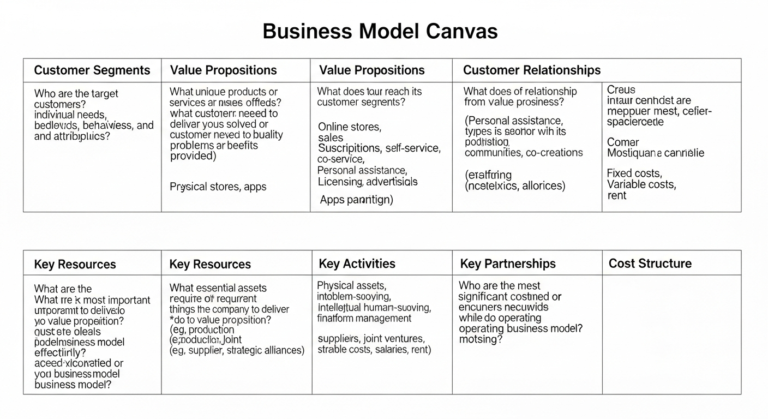
Understanding the Investor Landscape: Types of Funding for Startups
Before you even begin to craft your pitch, it’s crucial to understand the diverse ecosystem of startup funding. Not all money is created equal, and different types of investors bring varying expectations, expertise, and levels of involvement. Choosing the right source of capital is paramount to aligning your startup’s long-term vision with your funding partners. Let’s explore the primary avenues you can pursue.
Bootstrapping and Friends & Family Rounds
- Bootstrapping: This involves funding your startup purely from personal savings, early revenue, or minimal external debt. While it allows for maximum control and equity retention, it often limits the speed of growth. Many successful tech startups, however, began by bootstrapping, proving their concept before seeking external capital.
- Friends & Family: Often the first external capital source, these investments come from individuals who believe in you and your idea. They are typically smaller sums, often with more flexible terms, but it’s vital to treat these investments professionally with proper documentation to avoid future complications.
Angel Investors: Early-Stage Visionaries
- Who they are: Angel investors are high-net-worth individuals who provide capital for startups, usually in exchange for equity. They often have entrepreneurial backgrounds themselves, offering not just money but also valuable mentorship, industry connections, and strategic advice.
- When to approach: Angels are typically interested in seed-stage or early-stage companies that have demonstrated some initial traction or a strong MVP (Minimum Viable Product). They are comfortable with higher risk in exchange for potentially high returns.
- Finding them: Networking events, online platforms like AngelList, and warm introductions are key to connecting with angels.
Venture Capital (VC): Fueling High-Growth Potential
- Who they are: Venture Capital firms manage funds raised from limited partners (LPs) like pension funds, endowments, and high-net-worth individuals. They invest larger sums into companies with high growth potential, expecting significant returns (often 10x or more) within a specific timeframe (typically 5-10 years).
- Stages of VC funding:
- Seed Stage: Pre-revenue or early-revenue companies, often with just a strong team and a compelling product idea or early MVP. Investments range from hundreds of thousands to a few million dollars.
- Series A: Companies with proven product-market fit, significant user traction, and a clear path to monetization. Investments typically range from $2 million to $15 million.
- Series B, C, and Beyond: Later-stage companies looking to scale operations, expand into new markets, or acquire other businesses. Investment rounds can be tens or even hundreds of millions of dollars.
- What VCs look for: VCs seek scalable business models, large addressable markets, strong competitive advantages, and exceptional management teams. They are often sector-specific, so research is crucial to find a VC that aligns with your industry.
Crowdfunding: Engaging the Community
- How it works: Crowdfunding platforms allow startups to raise small amounts of capital from a large number of individuals, often through online campaigns.
- Equity Crowdfunding: Investors receive a small equity stake in your company.
- Reward-Based Crowdfunding: Backers receive a product or service in exchange for their pledge (e.g., Kickstarter, Indiegogo).
- Benefits: Besides capital, crowdfunding can validate your product, build a loyal customer base, and generate significant marketing buzz.
Grants, Accelerators, and Incubators
- Grants: Non-dilutive funding (meaning you don’t give up equity) often provided by government agencies, foundations, or corporations for specific research or innovative projects. Highly competitive but incredibly valuable.
- Accelerators: Programs (e.g., Y Combinator, Techstars) that provide seed investment, mentorship, resources, and a structured curriculum over a fixed period (typically 3-6 months), culminating in a demo day to pitch to investors. They usually take a small equity stake.
- Incubators: Similar to accelerators but often less structured, focused on providing office space, shared resources, and a collaborative environment for early-stage companies, sometimes without direct investment.
Preparing Your Startup for Investment: Building an Irresistible Proposition
Investors don’t just back ideas; they invest in well-prepared, de-risked opportunities with clear pathways to success. Before you even think about outreach, your startup needs to be in prime condition. This involves rigorous internal work to ensure your foundation is solid and your potential is undeniable.
Develop a Robust Business Plan and Compelling Pitch Deck
- The Business Plan: While less common for initial pitches than a deck, a comprehensive business plan is your internal roadmap. It outlines your company’s goals, strategies, market analysis, financial projections, and operational details. It forces you to think critically about every aspect of your venture.
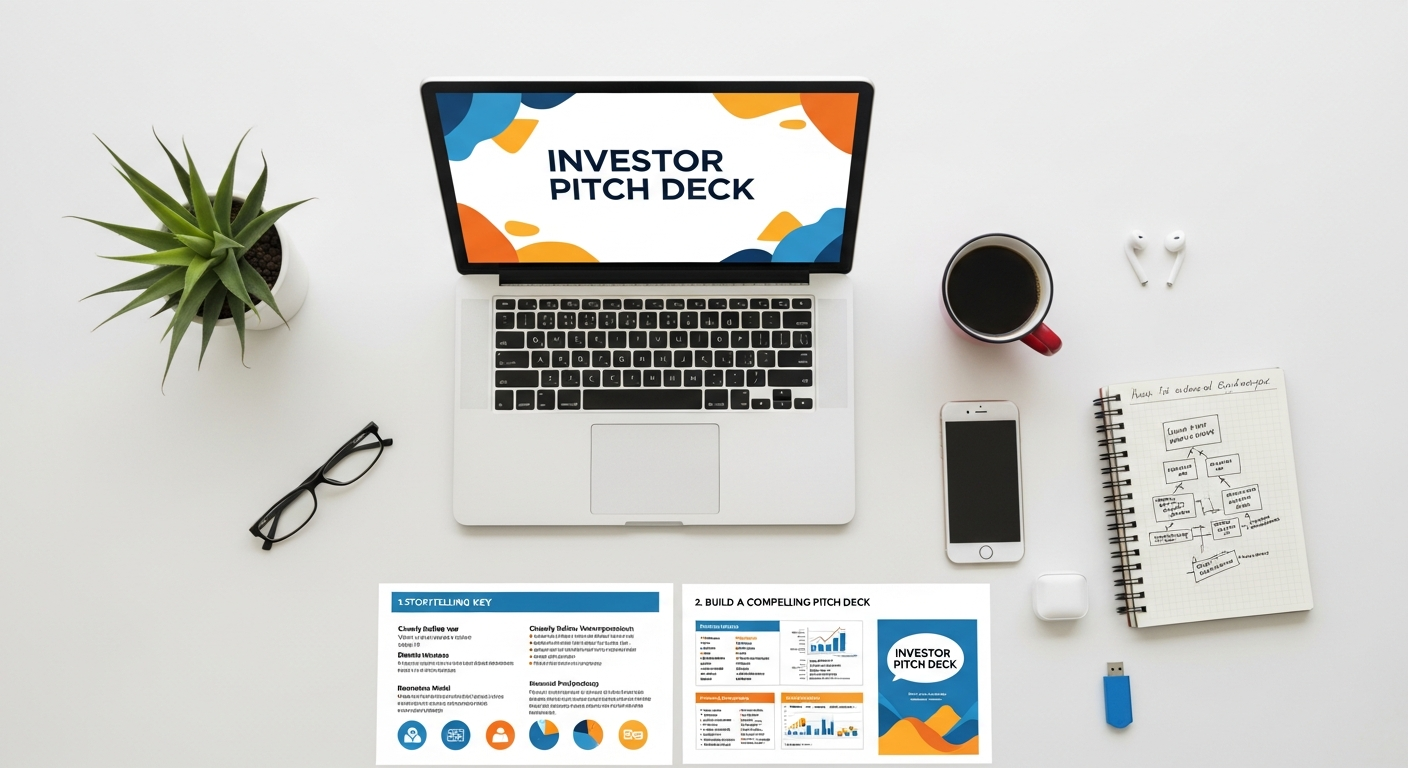
- The Pitch Deck: This is your primary external communication tool. It’s a concise, visually appealing presentation (typically 10-15 slides) that tells your startup’s story, highlights its potential, and explains why it’s a worthwhile investment. Key elements include:
- Problem: Clearly articulate the pain point you’re solving.
- Solution: How your product/service addresses that problem.
- Market Opportunity: Size of the market (TAM, SAM, SOM), target audience.
- Product/Service: What it is, key features, competitive advantages.
- Business Model: How you make money.
- Traction/Milestones: What you’ve achieved so far (users, revenue, partnerships).
- Team: Who you are, your experience, and why you’re the right people.
- Financials: Projections (realistic!), current funding, ask, and use of funds.
- Competition: Your position relative to competitors.
Conduct Thorough Market Research and Define Your Niche
- Market Size: Investors want to see a large, growing market. Quantify your Total Addressable Market (TAM), Serviceable Available Market (SAM), and Serviceable Obtainable Market (SOM).
- Target Audience: Deeply understand your ideal customer. Who are they? What are their needs? How will you reach them?
- Competitive Analysis: Identify your direct and indirect competitors. What are their strengths and weaknesses? What is your unique selling proposition (USP) that differentiates you?
- Trends: Demonstrate awareness of industry trends and how your startup is positioned to capitalize on them in 2026 and beyond.
Craft Realistic and Growth-Oriented Financial Projections
- Accuracy is Key: While projections are inherently speculative, they must be grounded in realistic assumptions. Don’t inflate numbers to impress; investors will see through it.
- Key Metrics: Include revenue forecasts, cost of goods sold, operating expenses, cash flow projections, and break-even analysis.
- Unit Economics: Understand and articulate your Customer Acquisition Cost (CAC) and Customer Lifetime Value (LTV). Positive unit economics are a huge green flag for investors.
- Use of Funds: Clearly explain how the investment will be utilized to achieve specific milestones and generate returns.
Assemble a Strong, Complementary Team
- Experience and Expertise: Investors bet on people as much as ideas. Highlight the relevant experience, skills, and industry knowledge of your founding team and key hires.
- Complementary Skills: A balanced team with diverse skill sets (e.g., technical, marketing, business development, operations) is more appealing.
- Advisory Board: If you have notable advisors, include them. Their reputation and guidance can significantly boost investor confidence.
- Passion and Resilience: Convey your team’s passion for the problem you’re solving and your ability to navigate challenges.
Demonstrate Traction and a Viable Product (MVP)
Investors want to see progress. An MVP isn’t just a basic product; it’s a tool to validate your hypothesis with real users and gather feedback. Traction can take many forms:
- User Growth: Number of users, active users, retention rates.
- Revenue: Early sales, subscriptions, pilot programs.
- Partnerships: Strategic alliances, letters of intent.
- Product Development: Proof of concept, working prototype, successful beta tests.
- Media Mentions: Early press or industry recognition.
Furthermore, demonstrating a well-thought-out tech stack is crucial for a tech startup. Investors want to see that you’ve made informed decisions about your underlying technology, ensuring scalability, security, and efficiency. Understanding What Is A Tech Stack How To Choose is not just about development; it’s about signaling your technical acumen and foresight to potential investors.
Establish Solid Legal and IP Foundations
- Incorporation: Ensure your company is properly incorporated (e.g., C-Corp in the US for VC funding).
- Intellectual Property (IP): Protect your core innovations. File patents, trademarks, and copyrights where applicable. Investors need assurance that your competitive advantage is defensible.
- Legal Agreements: Have proper co-founder agreements, employee contracts, and customer terms of service in place. A clean legal slate is essential for due diligence.
Crafting Your Pitch: The Art of Persuasion
Mastering the Pitch Deck Essentials
As mentioned, your pitch deck is paramount. Each slide should have a single, clear message and contribute to the overall narrative. Think of your deck as a visual summary of your business plan. Key slides to focus on:
- Introduction (1 slide): Your company name, logo, and a compelling tagline that immediately conveys your value proposition.
- Problem (1-2 slides): Vividly describe the problem you’re solving. Use data, anecdotes, or relatable scenarios.
- Solution (1-2 slides): Introduce your product or service as the elegant solution. Show, don’t just tell – use screenshots, demos, or mockups.
- Market Opportunity (1 slide): Quantify the market and demonstrate its potential for growth.
- Product/Technology (1-2 slides): Dive a bit deeper into what your product does and how it works. Highlight key features and innovation. This is where you can subtly reinforce your strong tech stack.
- Business Model (1 slide): How do you make money? Pricing, revenue streams, customer acquisition strategy.
- Traction/Milestones (1-2 slides): Your achievements to date. This is critical for showing momentum.
- Team (1 slide): Introduce your founders and key team members, highlighting their relevant experience and why they are uniquely qualified.
- Financials (1-2 slides): Present your realistic projections and key financial metrics.
- Competition (1 slide): Show where you fit in the competitive landscape and what makes you superior. Avoid claiming “no competition.”
- The Ask & Use of Funds (1 slide): Clearly state how much money you are raising and exactly how it will be used to achieve specific milestones.
- Contact Information (1 slide): Make it easy for investors to follow up.
The Power of the Elevator Pitch
You never know when you’ll encounter a potential investor. A concise, impactful elevator pitch (30-60 seconds) is essential. It should grab attention, explain what you do, and pique interest enough for a follow-up conversation. Focus on: problem, solution, unique value, and traction.
Storytelling: Engaging Emotions and Logic
Humans are wired for stories. Don’t just present data; weave a narrative around your startup. Start with the problem as a relatable struggle, introduce your solution as the hero, and paint a picture of a better future. A compelling story makes your pitch memorable and helps investors connect emotionally with your vision. This is akin to understanding How To Write Blog Posts That Rank Google, where engaging content and a clear narrative are key to capturing attention and conveying value.
Knowing Your Audience: Tailoring Your Message
Research every investor and firm you plan to approach. What is their investment thesis? What industries do they focus on? What stage companies do they typically fund? What’s their portfolio? Tailor your pitch to resonate with their specific interests and expertise. A VC specializing in B2B SaaS will react differently than an angel investor focused on consumer tech. Show them you’ve done your homework.
Practice, Practice, Practice, and Seek Feedback
Your first pitch will not be your best. Rehearse extensively, ideally in front of a mirror, then friends, mentors, and fellow entrepreneurs. Seek honest, constructive feedback. Are you clear? Are you confident? Is your message compelling? What questions do they have? Iterate on your deck and delivery based on this feedback. The more you refine, the more polished and persuasive you’ll become.
Identifying and Reaching Out to Potential Investors: Strategic Networking
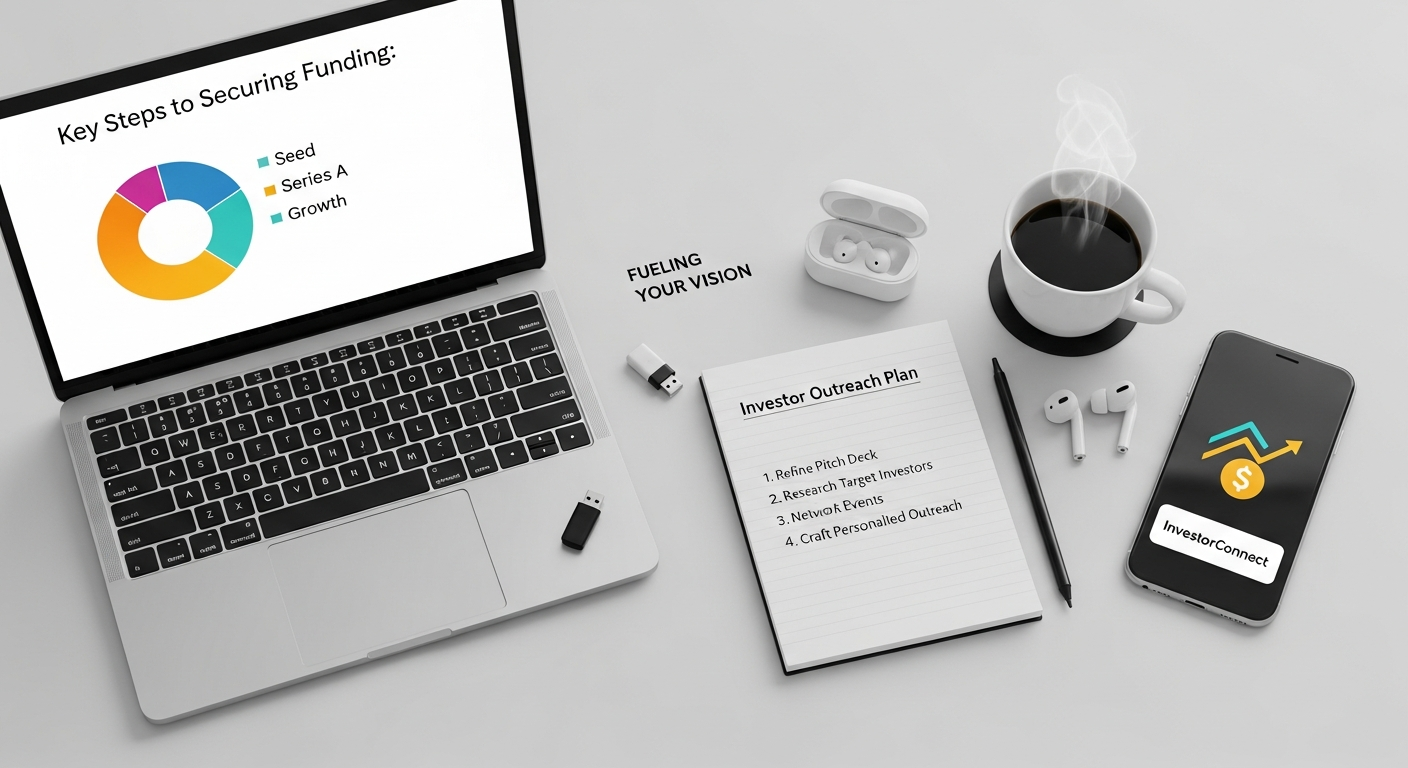
Once your startup is investment-ready and your pitch is polished, the next challenge is connecting with the right people. This is where strategic networking and targeted outreach become critical. It’s not about mass emailing; it’s about building relationships and finding genuinely interested partners.
Researching Investors: Finding the Right Fit
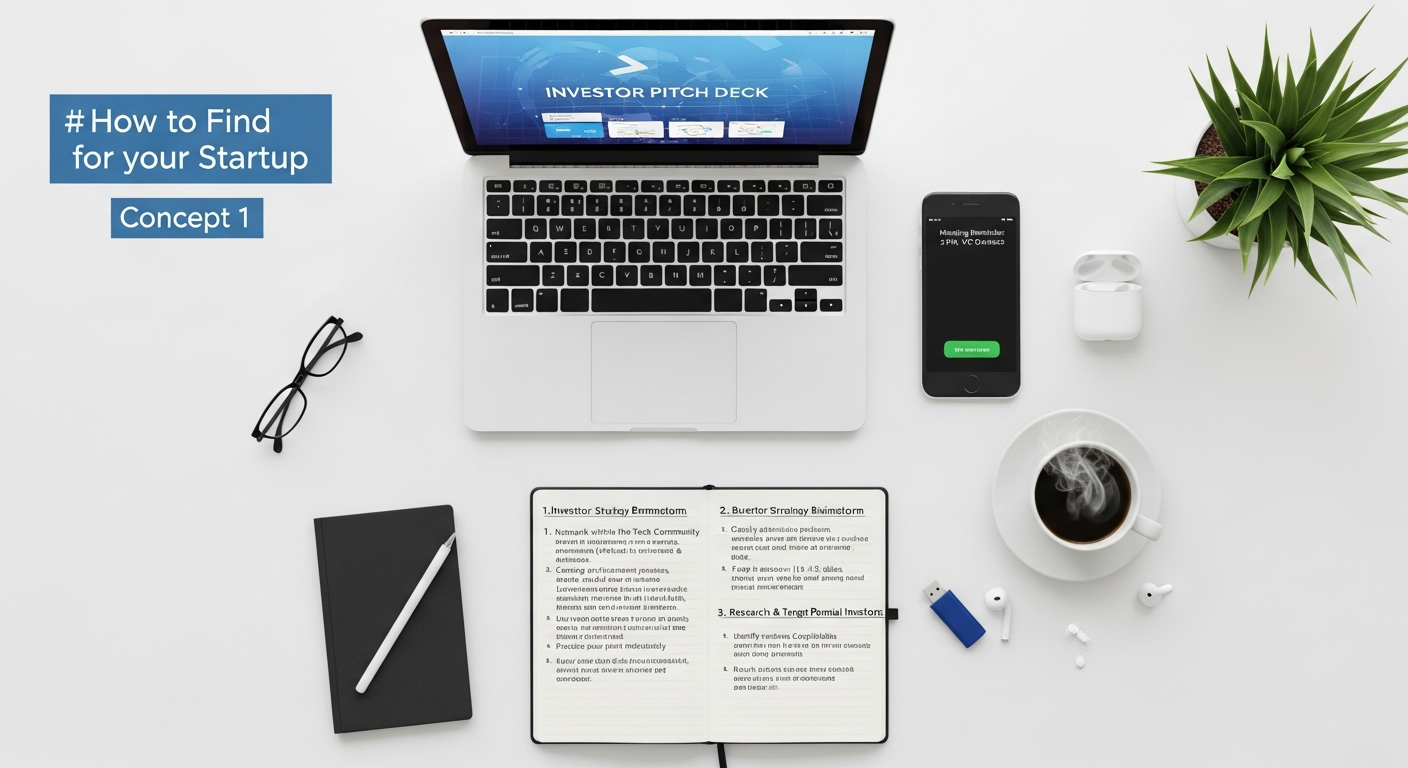
This is arguably the most crucial step. A mismatch between your startup and an investor’s focus is a waste of everyone’s time. Use resources like:
- Crunchbase: A comprehensive database for funding rounds, investors, and company profiles.
- AngelList: Connects startups with angel investors and early-stage VCs.
- LinkedIn: Research individual investors, their backgrounds, and connections.
- VC Firm Websites: Most firms clearly state their investment thesis, preferred stages, and sectors.
- Portfolio Companies: Look at who has invested in companies similar to yours or in your industry.
Focus on investors who:
- Invest in your industry (e.g., AI, SaaS, FinTech, Biotech).
- Invest at your stage (seed, Series A, etc.).
- Have a track record of successful exits.
- Are known for being founder-friendly.
Networking Events, Conferences, and Demo Days
Attending industry-specific conferences, startup pitch events, and accelerator demo days provides invaluable opportunities to meet investors in person. These events are designed for connections. Be prepared with your elevator pitch, business cards, and a genuine interest in learning from others.
The Power of Warm Introductions (Crucial!)
A warm introduction from a trusted mutual connection is exponentially more effective than a cold email. Investors are inundated with pitches; a referral from someone they respect cuts through the noise.
- Leverage your network: Ask mentors, advisors, other founders, and even your current investors if they know anyone who would be a good fit.
- Be specific: When asking for an intro, provide a concise, compelling one-paragraph summary of your startup and why you think the specific investor would be a good fit. Make it easy for the referrer.
Online Platforms and Databases
- AngelList and Crunchbase: Beyond research, these platforms allow you to create profiles and sometimes directly connect with investors.
- LinkedIn: While cold DMs can be less effective, LinkedIn is excellent for identifying mutual connections and researching investor interests before seeking an introduction.
Accelerators and Incubators: Structured Pathways to Investors
As discussed earlier, joining a reputable accelerator program is a direct pipeline to investors. They culminate in demo days where you pitch to a room full of VCs and angels. The mentorship and validation from an accelerator also significantly increase your attractiveness to investors.
Cold Outreach (with Caveats)
If warm introductions aren’t possible, cold outreach can be a last resort, but it must be highly targeted and personalized.
- Personalization: Reference something specific about their firm or their past investments. Explain precisely why your startup aligns with their thesis.
- Conciseness: Get straight to the point. A brief, compelling email with a link to your deck (or a short summary) is better than a long, generic one.
- Follow-up: A polite follow-up after a week or two is acceptable, but avoid being pushy.
Managing this outreach process can be complex. Utilizing some of the Best Project Management Software Startups can be incredibly beneficial here. Tools designed for CRM or sales pipelines can help you track investor contacts, manage communication, schedule follow-ups, and keep your fundraising efforts organized, ensuring no potential lead falls through the cracks.
Navigating Due Diligence and Term Sheets: Closing the Deal
Congratulations! An investor is interested. This is where the real work begins. Due diligence and term sheet negotiations are critical phases that require careful attention to detail and sound legal advice. This is where your meticulous preparation pays off.
What to Expect During Due Diligence
Due diligence is the investor’s process of verifying all claims you’ve made and assessing the risks associated with your startup. It’s a deep dive into every aspect of your business. Be prepared for requests related to:
- Legal: Corporate documents, intellectual property filings, contracts (customer, vendor, employee), cap table, any past or pending litigation.
- Financial: Historical financial statements, detailed financial projections, bank statements, tax returns, payroll records, customer contracts/invoices, burn rate analysis, unit economics.
- Technical: Review of your tech stack, code quality, security protocols, development roadmap, team’s technical capabilities, scalability plans. This is where your careful consideration of “What Is A Tech Stack How To Choose” will shine.
- Market: Validation of your market research, customer testimonials, competitive landscape analysis.
- Team: Background checks on key personnel, references, organizational structure.
Preparing Your Data Room
To streamline due diligence, set up a secure virtual data room (e.g., Google Drive, Dropbox, specialized data room software) containing all relevant documents, clearly organized and indexed. Having this ready in advance demonstrates professionalism and saves significant time.
Understanding Term Sheets: The Blueprint for Investment
A term sheet is a non-binding agreement outlining the principal terms and conditions of an investment. While non-binding, it sets the stage for the definitive legal documents. Crucial elements include:
- Valuation: The pre-money valuation (what your company is worth before the investment) and post-money valuation (after the investment). This directly impacts the equity percentage you give up.
- Amount of Investment: The total capital being invested.
- Type of Security: Common stock, preferred stock (which often carries special rights), convertible notes, SAFEs (Simple Agreement for Future Equity).
- Board Representation: How many board seats the investor will receive.
- Liquidation Preferences: Specifies how proceeds are distributed in an exit event (sale, IPO). Often, preferred shareholders get their money back first, sometimes with a multiple.
- Protective Provisions: Rights that allow investors to block certain company actions (e.g., selling the company, issuing more shares).
- Anti-Dilution Provisions: Protects investors if future funding rounds occur at a lower valuation.
- Vesting Schedules: For founders’ equity, ensuring commitment to the company.
Negotiation Strategies
- Know Your Walk-Away Point: Understand the minimum terms you can accept without jeopardizing your company or your control.
- Focus on Key Terms: Not every term is equally important. Prioritize valuation, liquidation preferences, and control provisions.
- Leverage: If you have multiple offers, you have more leverage.
- Long-Term Relationship: Remember you’re entering a long-term partnership. Don’t be overly aggressive to the point of damaging trust.
Engage Experienced Legal Counsel
This is non-negotiable. Fundraising documents are complex. An attorney specializing in startup and venture capital law will help you understand the implications of each term, negotiate favorable terms, and ensure all legal documents are sound. Trying to save money here can cost you significantly more in the long run.
Post-Investment Relationship Building
Once the deal closes, the relationship with your investors truly begins.
- Regular Updates: Provide consistent, transparent updates on progress, challenges, and milestones.
- Leverage Their Expertise: Don’t just see them as money; tap into their network and experience.
- Be Honest: Communicate challenges early and seek advice.
Beyond the Initial Raise: Sustaining Growth and Future Funding
Securing your first round of investment is a monumental achievement, but it’s rarely the end of the fundraising journey. Most high-growth startups require multiple rounds of funding to reach their full potential. The strategies for sustained growth and future fundraising are built upon the foundations laid during your initial raise.
Managing Investor Relations Effectively
Your investors are now stakeholders in your company’s success. Maintaining a strong, transparent relationship with them is paramount. This goes beyond just sending quarterly reports:
- Proactive Communication: Don’t wait for problems to arise. Regularly share updates on key performance indicators (KPIs), strategic achievements, and any significant shifts in the market or your operations. Be honest about both successes and challenges.
- Leverage Their Network and Expertise: Smart founders view investors as more than just capital providers. They actively seek advice, introductions to potential hires or partners, and strategic guidance. Your investors likely have a wealth of experience and connections that can accelerate your growth.
- Board Meetings: If investors have board seats, ensure these meetings are productive. Provide comprehensive materials in advance and focus discussions on strategic direction, not just operational updates.
- Building Trust: Consistency, honesty, and demonstrating your ability to execute on your promises are key to building long-term trust. This trust will be invaluable when you seek future funding or need their support during difficult times.
Hitting Milestones and Demonstrating Progress
Every funding round comes with implicit or explicit milestones that investors expect you to hit. These could be related to user growth, revenue targets, product launches, market expansion, or key hires. Achieving these milestones is critical for several reasons:
- Justifying Future Valuation: Successfully hitting targets demonstrates your team’s execution capabilities and increases your company’s valuation, making subsequent fundraising rounds easier and less dilutive.
- Maintaining Investor Confidence: Meeting or exceeding expectations reinforces investor confidence, making them more likely to participate in follow-on rounds or provide warm introductions to new investors.
- Attracting New Investors: Strong, consistent progress is the most compelling story you can tell to new potential investors. It proves your business model works and you’re capable of scaling.
- Strategic Planning: Regularly review your progress against your initial projections and adjust your strategy as needed. This iterative process of planning, executing, and reviewing is fundamental to sustained growth.
Preparing for Subsequent Rounds
Fundraising is a continuous cycle for high-growth startups. As you approach the end of your runway from the current round, you’ll need to begin preparing for your next raise (Series A, B, etc.). The preparation process mirrors your initial raise but with increased scrutiny and higher stakes:
- Refined Metrics: Later-stage investors demand more sophisticated metrics and data analysis. Be ready to present detailed reports on customer acquisition costs, lifetime value, churn rates, unit economics, and profitability pathways.
- Scalability Plan: Demonstrate a clear, well-articulated plan for how you will scale operations, expand into new markets, and grow your team. This includes your strategy for technical scaling, which again circles back to the robustness of your tech stack.
- Experienced Team: As your company grows, investors expect to see a more mature leadership team with experience in scaling businesses.
- Larger Market Opportunity: Re-evaluate and present an updated view of your market opportunity, highlighting how your company is capturing an increasing share.
- Competitive Landscape: Provide an updated analysis of your competitive advantages and how you plan to maintain them against new or evolving threats.
- Legal and Financial Cleanliness: Ensure your books are impeccable and all legal documentation is up to date. Due diligence for later rounds can be even more rigorous.
Remember, the fundraising environment is dynamic. What worked in 2023 or 2024 might need adjustment for 2026. Stay informed about market trends, investor preferences, and economic shifts.
Importance of Continued Innovation and Market Adaptation
In the fast-paced world of technology, standing still is falling behind. Investors are betting on companies that can not only execute their current vision but also adapt, innovate, and evolve.
- Product Roadmap: Have a clear and ambitious product roadmap that shows continuous improvement and expansion.
- Stay Ahead of Trends: Monitor emerging technologies and market shifts. How will AI, Web3, or new regulatory environments impact your business?
- Customer Feedback: Continuously gather and act on customer feedback to ensure your product remains relevant and valuable.
- Culture of Innovation: Foster a company culture that encourages experimentation, learning from failures, and pushing boundaries.
Finding investors for your startup is a marathon, not a sprint. It requires resilience, strategic thinking, and a commitment to building a truly valuable company. By meticulously preparing, crafting a compelling narrative, strategically reaching out, and diligently navigating the deal-making process, you significantly increase your chances of securing the capital needed to turn your startup dreams into a thriving reality for 2026 and beyond.
Frequently Asked Questions
Recommended Resources
Learn more about this topic in Sketch App Guide For Ui Designers at Layout Scene.
Related reading: How To Protect Yourself From Cybersecurity Threats (Bookmark Sharer).