
Laying the Groundwork: Strategic Planning Before Action
Before you even think about posting your first piece of content, a clear, well-defined strategy is non-negotiable. Many aspiring brands leap straight into content creation, only to find their efforts yield minimal returns. The key to growing your social media following from scratch, especially in a competitive environment like the tech industry, lies in meticulous planning.
Defining Your Target Audience with Precision
Who are you trying to reach? This isn’t a rhetorical question. Generic answers like “everyone” or “people interested in tech” are insufficient. You need to create detailed buyer personas. What are their demographics (age, location, income)? What are their psychographics (interests, values, pain points, aspirations)? What social media platforms do they frequent, and why? For instance, if your startup offers an innovative B2B SaaS solution, your audience might be C-suite executives, project managers, or IT decision-makers. Understanding their challenges will inform the type of content you create and the language you use. This foundational research is critical for tailoring your message and choosing the right channels.
Setting SMART Goals for Measurable Progress
Your social media goals must be SMART: Specific, Measurable, Achievable, Relevant, and Time-bound. Instead of “get more followers,” aim for “increase Instagram follower count by 20% within the next three months by posting daily Reels and engaging with 50 relevant accounts per week.” Specific goals allow you to track progress, identify what’s working, and adjust your strategy when necessary. Are you aiming for brand awareness, lead generation, website traffic, or customer support? Each goal dictates a different content and engagement strategy.
Choosing Your Platforms Wisely: Quality Over Quantity
In 2026, the social media landscape is vast, with platforms like TikTok, Instagram, LinkedIn, X (formerly Twitter), Facebook, and niche communities vying for attention. It’s a common mistake for new brands to try and establish a presence everywhere. This often leads to diluted effort and inconsistent performance. Instead, focus on the platforms where your target audience is most active and engaged. If you’re a B2B tech startup, LinkedIn and X might be your primary battlegrounds, while a consumer-facing app might thrive on TikTok and Instagram. Research which platforms align best with your content capabilities and audience demographics. A strong, consistent presence on one or two platforms is far more effective than a weak, sporadic presence across many.
Cultivating a Unique Brand Voice and Aesthetic
Your brand voice is its personality. Is it informative and professional, witty and casual, or inspiring and aspirational? Consistency in your voice and visual aesthetic across all chosen platforms is crucial for brand recognition and recall. Develop a style guide that dictates your brand colors, fonts, image style, and messaging tone. This ensures that every piece of content reinforces your brand identity, helping you stand out and build a recognizable presence from day one.
Crafting Compelling Content That Resonates and Converts

Content is the engine of social media growth. Without valuable, engaging, and relevant content, even the most robust strategy will falter. The goal is not just to post, but to publish content that genuinely captures attention, educates, entertains, or inspires your target audience.
Identifying Your Content Pillars and Themes
To maintain consistency and relevance, establish 3-5 core content pillars related to your brand and industry. For a tech startup, these might include: industry insights and trends, product features and benefits, behind-the-scenes glimpses, customer success stories, and thought leadership pieces. These pillars act as categories for your content, ensuring a balanced mix and preventing your feed from becoming monotonous. They also make content planning much easier, as you always have a framework to work within.
Diversifying Content Types for Maximum Engagement
Don’t limit yourself to just one type of content. A diverse mix keeps your audience engaged and caters to different preferences. Consider:
- Educational Content: How-to guides, tutorials, infographics explaining complex tech concepts, industry reports, expert interviews. This positions your brand as a thought leader.
- Entertaining Content: Relatable memes, short-form video skits, quizzes, polls. This helps build rapport and humanizes your brand.
- Inspirational Content: Success stories, motivational quotes, visions for the future of technology.
- Promotional Content: Product launches, special offers, event promotions, testimonials. Remember the 80/20 rule: 80% value, 20% promotion.
- Interactive Content: Live Q&A sessions, polls, quizzes, user-generated content prompts.
High-quality visuals are non-negotiable. Whether it’s stunning photography, professional-grade videos, crisp infographics, or well-designed carousels, visuals are often the first point of contact and crucial for stopping the scroll. Invest in good design tools or talent. When considering your overall digital infrastructure for content creation, understanding what is a tech stack how to choose becomes relevant. Your tech stack for social media might include design software like Adobe Creative Suite or Canva, video editing tools, scheduling platforms, and analytics dashboards. Choosing the right tools can significantly streamline your content production and distribution, making it easier to maintain quality and consistency.
Storytelling: Connecting on an Emotional Level
People connect with stories, not just products. Share your startup’s journey, the challenges you’ve overcome, the vision that drives you, and the impact you aim to make. Use narratives to explain complex ideas, showcase your values, and build a more personal connection with your audience. Authentic storytelling fosters trust and loyalty, which are essential for long-term growth.
Delivering Undeniable Value in Every Post
Every piece of content you publish should offer value. Ask yourself: “What problem does this solve for my audience? What insight does it provide? How does it make them feel?” Whether it’s a quick tip, a deep dive into an industry trend, or a laugh, ensure your content consistently delivers something worthwhile. This positions your brand as a go-to resource and encourages repeat engagement.
Optimizing Your Profiles for Maximum Discoverability and Impact
Crafting a Professional and Recognizable Profile Picture/Logo
Your profile picture or logo is often the first visual impression. For businesses, use your official logo – clear, high-resolution, and easily recognizable even at a small size. For personal brands, a professional headshot that reflects your industry and personality is ideal. Consistency across all platforms reinforces your brand identity.
Writing a Compelling Bio with Keywords and a Clear CTA
Your bio is prime real estate. It should succinctly explain who you are, what you do, and what value you offer. Incorporate relevant keywords that your target audience might search for. For instance, if you’re a “AI-powered CRM startup,” make sure those terms are present. Crucially, include a clear call to action (CTA). This could be “Click the link below to learn more,” “Join our community,” or “Download our free guide.” Make it easy for visitors to understand what to do next.
Leveraging Your “Link in Bio” Strategy
Most social media platforms only allow one clickable link in your bio. Maximize its potential. Instead of linking directly to your homepage, consider using a link-in-bio tool (like Linktree or Beacons AI) that allows you to create a micro-landing page with multiple links. This can direct traffic to your latest blog post, product page, webinar registration, newsletter signup, or even multiple social channels. Regularly update this link to reflect your current priorities and campaigns.
Ensuring Consistent Branding Across All Channels
From your profile picture to your cover photos, bio text, and even the tone of your posts, maintain absolute consistency across all your chosen social media platforms. This includes using the same brand colors, fonts, and imagery where possible. A unified brand presence builds trust and makes your brand instantly recognizable, regardless of where your audience encounters you online.
Engagement: The Heartbeat of Sustainable Social Growth

Social media isn’t a broadcasting platform; it’s a two-way street. Active engagement is vital for building a loyal community, fostering relationships, and increasing your organic reach. Algorithms favor accounts that spark conversations and interactions.
Responding Promptly and Thoughtfully to Comments and DMs
Every comment, direct message, or mention is an opportunity to connect. Respond to all relevant interactions promptly and thoughtfully. Avoid generic replies. Personalize your responses, ask follow-up questions, and show genuine appreciation. This makes your audience feel valued and encourages further engagement. Even negative feedback can be an opportunity to demonstrate excellent customer service and transparency.
Proactive Engagement: Don’t Wait to Be Found
Don’t just wait for people to come to you. Actively seek out and engage with accounts relevant to your niche. Follow other industry leaders, comment on their posts, participate in relevant conversations, and join industry-specific groups or communities. Offer valuable insights, ask pertinent questions, and contribute positively. This increases your visibility to a relevant audience and helps you build a network within your industry. Think of it as networking in the digital sphere.
Encouraging and Leveraging User-Generated Content (UGC)
UGC is incredibly powerful. It acts as social proof and builds community. Encourage your audience to share their experiences with your product or service, use a specific hashtag, or tag your brand in their posts. Reposting and acknowledging UGC (with permission) not only rewards your loyal followers but also provides authentic, trustworthy content for your feed. Running contests or campaigns that specifically ask for UGC can be a highly effective way to kickstart this.
Hosting Interactive Sessions: Polls, Quizzes, Q&A, and Live Streams
Platforms offer various interactive features designed to boost engagement. Use them! Run polls in your stories to gather opinions or spark debates. Host Q&A sessions where your audience can ask you anything about your industry or product. Go live to discuss new features, interview an expert, or simply connect with your community in real-time. Live streams, in particular, often receive preferential treatment from algorithms and create a sense of immediacy and exclusivity.
Strategic Promotion & Amplification: Expanding Your Reach
While organic growth is the ultimate goal, strategically promoting your social media presence across other channels and leveraging amplification tactics can significantly accelerate your growth from scratch.
Cross-Promotion Across All Your Digital Assets
Don’t keep your social media presence a secret. Promote your social channels everywhere your brand has an online footprint. Add social media icons to your website, blog, and email signatures. Include links to your profiles in your email newsletters. Mention your social handles in any offline marketing materials. If you have a podcast or YouTube channel, encourage viewers/listeners to follow you on social media for updates and community engagement. Make it easy for people who already know and trust your brand to find you on social.
Collaborations and Influencer Marketing
Partnering with other brands or influencers in your niche can expose your account to a new, relevant audience. Look for collaborators whose values align with yours and whose audience would genuinely be interested in your offerings. This could involve co-hosting a live session, creating joint content, or running a shared giveaway. For influencer marketing, even micro-influencers with highly engaged, niche followings can be incredibly effective, often delivering better ROI than celebrity endorsements for startups. Managing these collaborations effectively might involve leveraging some of the best project management software startups use to track tasks, communication, and deliverables, ensuring everyone is on the same page.
Leveraging Paid Advertising for Targeted Growth
While the focus is often on organic growth, paid social media advertising offers unparalleled targeting capabilities to reach your ideal audience quickly and efficiently. Platforms like Facebook Ads, LinkedIn Ads, and X Ads allow you to target users based on demographics, interests, behaviors, and even professional titles. Understanding what is pay per click advertising is crucial here. PPC campaigns on social media can be incredibly effective for driving initial follower growth, promoting specific content, or generating leads. Start with a modest budget, test different ad creatives and targeting options, and scale what works. Paid ads can provide the initial momentum needed to break through the noise and kickstart your organic growth.
Contests, Giveaways, and Challenges
These are powerful tools for rapid follower growth and engagement. Require participants to follow your account, tag friends, share your post, or use a specific hashtag to enter. Offer prizes that are relevant and valuable to your target audience – perhaps a free trial of your software, a premium product, or an exclusive consultation. Challenges encourage user participation and content creation, further amplifying your reach. Ensure your contests comply with platform guidelines and local regulations.
Mastering Hashtag Strategy
Hashtags are still a primary tool for discoverability on many platforms. Research relevant, trending, and niche-specific hashtags. Mix broad hashtags with highly specific ones. Don’t just copy-paste; tailor your hashtags to each post. Look at what hashtags your competitors and target audience are using. Tools are available to help you find popular and relevant hashtags, but always prioritize relevance over sheer popularity. Using a strategic mix can significantly increase your content’s visibility to users who aren’t yet following you.
Analyze, Adapt, and Scale: The Iterative Process of Growth
Social media growth is not a one-time setup; it’s an ongoing, iterative process of learning, adjusting, and optimizing. Data is your most valuable asset in understanding what truly resonates with your audience.
Monitoring Key Performance Indicators (KPIs)
Regularly track your social media analytics. Don’t just look at follower count. Dive deeper into metrics like:
- Reach: How many unique users saw your content?
- Impressions: How many times was your content displayed?
- Engagement Rate: The percentage of your audience that interacted with your content (likes, comments, shares, saves). This is a crucial indicator of content quality.
- Website Clicks: How much traffic are you driving to your site?
- Conversion Rate: Are social media users taking desired actions (e.g., signing up for a newsletter, making a purchase)?
- Audience Demographics: Are you reaching your target audience?
Most platforms offer native analytics dashboards, and third-party tools can provide more in-depth insights. Set up regular reporting to monitor trends and identify areas for improvement.
A/B Testing Your Content Strategy
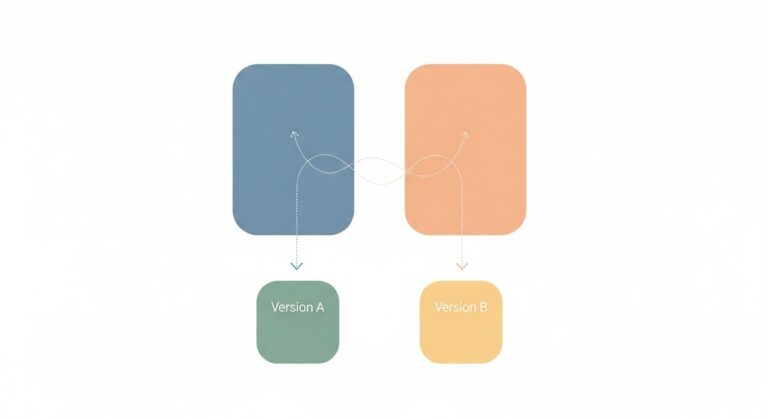
Don’t be afraid to experiment. A/B test different elements of your content: varying headlines, different visual styles, post timings, call-to-action phrasing, and even content formats (e.g., carousel vs. single image). By testing one variable at a time, you can scientifically determine what performs best with your audience. For instance, does a question in the caption lead to more comments than a statement? Does a short video outperform a long one? Use your analytics to inform your next experiment.
Adapting Your Strategy Based on Data
The insights gained from your analytics and A/B tests are meaningless if you don’t act on them. If your video content consistently outperforms images, allocate more resources to video production. If posts published on Tuesdays at 10 AM receive the highest engagement, adjust your scheduling. The social media landscape is constantly evolving, with new features and algorithm changes emerging regularly. Stay agile and be prepared to pivot your strategy based on performance data and industry shifts. This proactive adaptation is what differentiates successful social growth from stagnant efforts.
Staying Ahead of Trends and Platform Changes in 2026
The social media world moves at lightning speed. What worked yesterday might not work tomorrow. Keep an eye on emerging platforms, new features rolled out by established ones, and evolving content consumption habits. Attend industry webinars, read reputable marketing blogs (like Eamped!), and follow thought leaders. For tech startups, specifically, understanding and quickly adopting new functionalities (e.g., AI-driven content creation tools, advanced AR filters, or new live commerce features) can provide a significant competitive edge in 2026. Managing your content calendar, team tasks, and campaign launches effectively as you adapt can be greatly assisted by some of the best project management software startups are using today, ensuring that your dynamic social strategy remains organized and efficient.
Frequently Asked Questions
Recommended Resources
Related reading: Best Cloud Storage Services 2026 (Bookmark Sharer).
Related reading: Adobe Illustrator For Beginners Guide (Layout Scene).