
Igniting Tech Startup Growth: Leveraging Digital Marketing, Marketing Automation, and SaaS Go-to-Market Strategies
Affiliate disclosure: This article may contain affiliate links. Recommendations are independent and editorially driven.
In the fiercely competitive landscape of 2026, tech startups face an existential challenge: how to achieve exponential growth amidst a sea of innovation and established players. The answer lies in a synergistic approach that seamlessly integrates cutting-edge digital marketing tactics, robust marketing automation platforms, and meticulously crafted SaaS go-to-market (GTM) strategies. For nascent companies and scaling ventures alike, understanding these pillars is not merely advantageous—it’s absolutely critical for survival and long-term success. At eamped, we believe that true startup growth is not accidental; it’s engineered through strategic foresight and precise execution.
This comprehensive guide delves deep into the mechanisms that drive tech startup expansion. We’ll explore how modern digital marketing methodologies can attract and convert your target audience, how marketing automation liberates valuable resources and personalizes customer journeys, and how a well-defined SaaS GTM strategy ensures your product reaches the right customers at the right time. Prepare to unlock the full potential of your tech venture by mastering these interconnected disciplines, propelling your startup from concept to market leader.
The Dynamic Ecosystem of Tech Startups and Digital Marketing
The journey of a tech startup is characterized by rapid iteration, innovative disruption, and an unyielding pursuit of market fit. In this high-stakes environment, digital marketing transcends its traditional role as merely a promotional tool; it becomes the very bloodstream of customer acquisition, brand building, and sustained engagement. Understanding the intricate relationship between a lean startup model and agile digital marketing tactics is fundamental to securing a competitive edge.
Understanding the Modern Tech Startup Landscape
Modern tech startups operate within an ecosystem defined by rapid technological advancements, evolving consumer expectations, and global market access. Unlike traditional businesses, tech startups often leverage scalable software, data, and internet infrastructure to deliver novel solutions. This inherently digital nature makes digital marketing not just an option, but an integrated component of their business model. From pre-seed funding to Series C and beyond, each stage demands a refined approach to reaching, engaging, and converting target users.
Key characteristics of this landscape include:
- Innovation at Core: Solving problems through technology is the primary driver.
- Scalability: Products and services are designed to grow exponentially without a proportional increase in costs.
- Data-Driven Decisions: Analytics inform every aspect of product development and marketing strategy.
- Global Ambition: Digital products inherently have a global reach, opening up vast market opportunities but also increasing competition.
- Lean Operations: Many startups begin with minimal resources, necessitating efficient and cost-effective marketing strategies.
The Indispensable Role of Digital Marketing
Digital marketing provides tech startups with unparalleled opportunities to connect with their audience, validate their value proposition, and drive user adoption at scale. It offers precision targeting, measurable results, and cost-efficiency that traditional marketing channels often cannot match. For a tech startup focused on customer acquisition and iterative improvement, digital marketing is the feedback loop that informs product development and market positioning.
The core functions of digital marketing for tech startups include:
- Brand Visibility and Awareness: Establishing a presence in a crowded market and ensuring potential customers know about your solution.
- Lead Generation: Attracting qualified prospects through various online channels and converting them into leads.
- Customer Acquisition: Guiding leads through the sales funnel to become paying customers.
- User Engagement and Retention: Keeping existing customers active and satisfied to reduce churn and foster loyalty.
- Market Validation: Gathering insights and feedback to refine product features and marketing messages.
- Scalable Growth: Implementing strategies that can expand as the startup grows, without breaking the bank.
Without a robust digital marketing strategy, even the most innovative tech product can languish in obscurity. It’s the bridge between your groundbreaking idea and the market that desperately needs it.
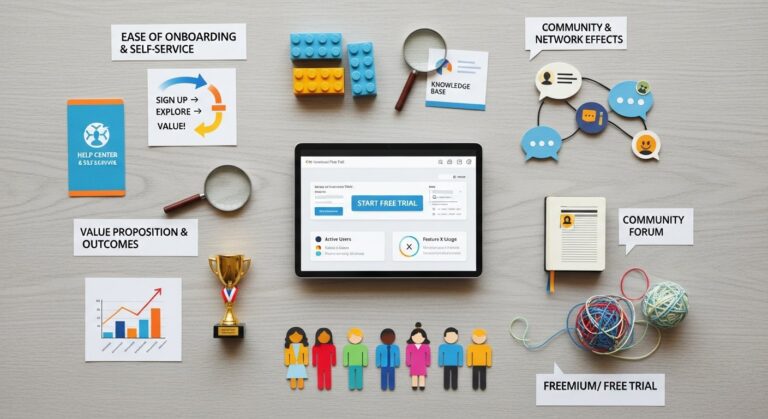
[INLINE IMAGE 1: place after second H2 | alt=” concept illustration”]
Architecting Sustainable Startup Growth: From Awareness to Advocacy

Sustainable startup growth is a multifaceted objective that extends beyond initial product launch. It involves a systematic approach to attracting, converting, and retaining customers, ensuring that each marketing dollar spent contributes to long-term value. For tech startups, this often means navigating a complex journey from gaining initial traction to establishing market leadership. Digital marketing channels, when strategically deployed, become the primary tools in this architectural endeavor.
Defining Growth Stages for Tech Startups
The growth trajectory of a tech startup can typically be broken down into several distinct stages, each with its own marketing imperatives:
- Pre-Seed/Seed Stage: Discovery & Validation:
- Focus: Market research, validating problem-solution fit, building an MVP (Minimum Viable Product).
- Marketing Goals: Generating early interest, gathering user feedback, building a waitlist.
- Channels: Content marketing (blogging, whitepapers), social media for community building, early PR, landing pages for sign-ups.
- Early Stage (Series A): Traction & Product-Market Fit:
- Focus: Acquiring initial users, demonstrating product value, refining the product based on feedback.
- Marketing Goals: Proving user acquisition channels, optimizing conversion rates, establishing initial KPIs.
- Channels: SEO, paid advertising (SEM, social ads), email marketing, influencer partnerships, community engagement.
- Growth Stage (Series B/C): Scaling & Expansion:
- Focus: Expanding market share, optimizing operational efficiency, exploring new markets/features.
- Marketing Goals: Scaling successful channels, enhancing customer lifetime value (CLTV), reducing customer acquisition cost (CAC).
- Channels: Advanced marketing automation, ABM (Account-Based Marketing), retargeting campaigns, content syndication, partner marketing.
Each stage requires a dynamic shift in marketing priorities and resource allocation, emphasizing the need for agile and adaptable strategies.
Key Digital Marketing Channels for Acquisition
Effective customer acquisition hinges on leveraging a diverse mix of digital channels, tailored to your target audience and specific growth stage. The goal is to maximize reach while maintaining cost efficiency and relevance.
- Search Engine Optimization (SEO): For tech startups, SEO is about ensuring your product appears prominently when potential customers search for solutions you provide. This involves keyword research, technical SEO, on-page optimization, and building high-quality backlinks. A strong SEO foundation drives organic, sustainable traffic over time, reducing reliance on paid channels.
- Content Marketing: Creating valuable, relevant, and consistent content (blogs, whitepapers, case studies, videos, webinars) helps tech startups establish thought leadership, attract inbound leads, and nurture prospects. It’s particularly effective for complex SaaS products that require education.
- Paid Advertising (PPC, Social Media Ads): Google Ads (PPC/SEM) and social media advertising (LinkedIn, Facebook, X, etc.) offer immediate visibility and precise targeting. They are excellent for testing market demand, driving targeted traffic, and scaling user acquisition rapidly. Robust analytics allow for continuous optimization of ad spend.
- Social Media Marketing: Beyond paid ads, organic social media presence is crucial for brand building, community engagement, and direct interaction with users. Platforms vary in effectiveness depending on your target audience (e.g., LinkedIn for B2B SaaS, Instagram/TikTok for consumer tech).
- Email Marketing: Still one of the most effective channels for lead nurturing, customer onboarding, and retention. Automated email sequences can guide users through the sales funnel, announce new features, and deliver personalized content, significantly boosting user engagement and CLTV.
- Affiliate & Partner Marketing: Collaborating with complementary businesses or industry influencers can extend your reach and leverage their existing audiences. This performance-based marketing model can be highly cost-effective for customer acquisition.
Content Marketing as a Growth Engine
For many tech startups, particularly those in the SaaS space, content marketing is not just a support function; it’s a primary growth engine. It addresses several critical aspects of inbound marketing and customer education:
- Attracting Top-of-Funnel Traffic: Educational blog posts, guides, and infographics answer common user questions and attract individuals early in their problem-solving journey.
- Establishing Authority and Trust: High-quality, well-researched content positions your startup as an expert in its field, building credibility and trust with potential customers.
- Nurturing Leads: Gated content like whitepapers, e-books, and webinars can capture leads and provide valuable information that moves them further down the sales funnel.
- Supporting Sales Efforts: Case studies, product comparisons, and detailed feature breakdowns provide sales teams with assets to address prospect objections and demonstrate ROI.
- Improving SEO: Regularly publishing optimized content signals relevance to search engines, boosting organic rankings and visibility.
- Customer Onboarding and Retention: Tutorials, best practice guides, and release notes help users derive maximum value from your product, reducing churn and encouraging upgrades.
A strategic content calendar, aligned with customer pain points and product features, is essential for leveraging content marketing to its fullest potential for sustainable startup growth.
Unleashing Efficiency with Marketing Automation for Startups
For tech startups operating with lean teams and tight budgets, marketing automation is not a luxury but a strategic necessity. It transforms repetitive, manual tasks into streamlined, personalized, and scalable processes, allowing marketers to focus on strategy and creativity rather than administrative overhead. This efficiency is critical for accelerating startup growth and optimizing the entire customer lifecycle.
What is Marketing Automation and Why Tech Startups Need It?
Marketing automation refers to software platforms and technologies designed to automate repetitive marketing activities. This includes email marketing, social media posting, ad campaign management, lead nurturing, and CRM updates. By automating these tasks, businesses can personalize customer experiences at scale, improve lead quality, and measure campaign performance with greater accuracy.
For tech startups, the benefits are profound:
- Scalability: Automating processes means you can handle a growing number of leads and customers without proportionally increasing your marketing team’s size or workload. This is fundamental for tech companies aiming for rapid expansion.
- Efficiency and Cost Savings: By reducing manual labor, marketing automation frees up valuable time and resources, allowing teams to focus on higher-value strategic initiatives. It also helps in optimizing ad spend by automatically pausing underperforming campaigns or adjusting bids.
- Personalization at Scale: Automation platforms can segment audiences based on behavior, demographics, and preferences, delivering highly relevant content and messages at the opportune moment. This significantly improves engagement and conversion rates, which is crucial for standing out in a competitive market.
- Improved Lead Nurturing: Automated workflows can guide prospects through the sales funnel with a series of targeted communications, ensuring no lead is left unengaged. This is especially vital for SaaS products with longer sales cycles.
- Better Data and Analytics: Marketing automation tools provide detailed insights into campaign performance, lead behavior, and customer journeys. This data empowers startups to make data-driven decisions, optimize strategies, and identify areas for improvement.
- Enhanced Customer Experience: From personalized onboarding emails to automated support follow-ups, automation ensures a consistent and positive experience for every customer, fostering loyalty and reducing churn.
Core Marketing Automation Use Cases
Marketing automation can be applied across various stages of the customer journey:
- Lead Nurturing: Automatically sending a series of emails to new sign-ups, tailored to their initial interaction or expressed interest.
- Email Drip Campaigns: Scheduled sequences of emails for onboarding new users, promoting new features, or re-engaging inactive customers.
- Behavioral Triggered Communications: Sending specific messages based on user actions, such as visiting a pricing page, abandoning a cart, or downloading a resource.
- Social Media Scheduling & Management: Automating posts across multiple platforms, tracking engagement, and managing social listening.
- Ad Campaign Optimization: Automatically adjusting bids, pausing ads, or reallocating budget based on real-time performance metrics.
- CRM Integration & Data Sync: Ensuring that customer data is consistently updated across marketing and sales platforms, providing a unified view of each prospect.
- Personalized Website Content: Dynamically changing website elements or content based on a visitor’s history, location, or demographic data.
- Event Management: Automating registrations, reminders, and follow-ups for webinars, demos, or conferences.
Selecting the Right Marketing Automation Platform
Choosing the appropriate marketing automation platform is a critical decision for tech startups, as it impacts everything from workflow efficiency to budget allocation. The ideal platform should align with your current needs, offer scalability for future growth, and integrate seamlessly with your existing tech stack. Here’s a comparison of popular platforms relevant to tech startups:
| Platform | Key Features & Strengths | Best For | Considerations |
|---|---|---|---|
| HubSpot Marketing Hub | All-in-one inbound marketing, sales, and service. Strong CRM, email, landing pages, SEO tools, analytics. User-friendly interface. | Startups needing an integrated suite for entire customer journey; strong emphasis on inbound. | Can be expensive at higher tiers; robust but potentially overwhelming for very small teams. |
| ActiveCampaign | Powerful email marketing automation with advanced segmentation, CRM light, site tracking, and machine learning. | Startups prioritizing sophisticated email marketing and personalized customer journeys. | CRM is less comprehensive than dedicated solutions; UI can be steep for beginners. |
| Pardot (Salesforce) | B2B marketing automation built for Salesforce users. Strong lead scoring, grading, email marketing, and analytics. | B2B SaaS startups heavily invested in Salesforce ecosystem. | Requires Salesforce integration; higher price point; primarily B2B focused. |
| Marketo Engage (Adobe) | Enterprise-grade marketing automation for complex campaigns, lead management, and analytics. Highly customizable. | Larger B2B tech startups or those with complex, multi-channel marketing needs. | Steeper learning curve; higher price point; best for experienced marketing teams. |
| Mailchimp (with Automation) | Easy-to-use email marketing with basic automation, landing pages, and CRM functionalities. Good for beginners. | Early-stage startups needing reliable email marketing and basic automation. | Automation features are less advanced compared to specialized platforms; better for B2C than B2B complex workflows. |
| Braze | Customer engagement platform focusing on mobile, push, in-app messaging, email, and web. Real-time data processing. | Mobile-first or app-centric tech startups needing multi-channel messaging. | Focuses heavily on customer engagement post-acquisition; integration might be more complex for traditional web-only. |
When evaluating platforms, consider factors such as ease of use, integration capabilities with your existing tech stack (CRM, analytics, customer support), pricing, and the specific automation features most critical to your startup’s marketing strategy and growth objectives.
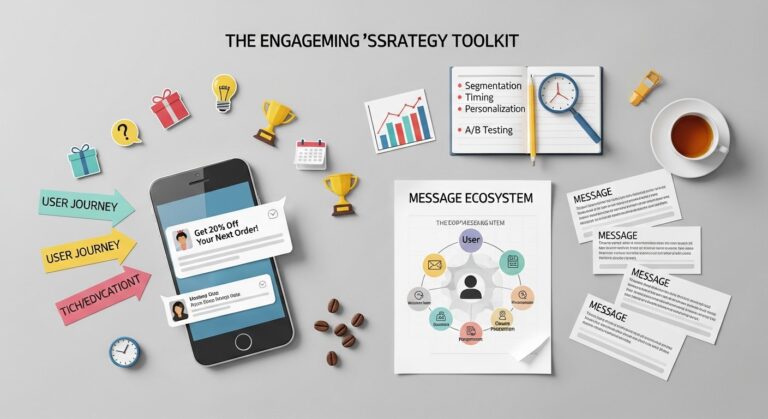
[INLINE IMAGE 2: place after fourth H2 | alt=” comparison illustration”]
Mastering SaaS Go-to-Market (GTM) Strategies for Market Domination
For SaaS (Software as a Service) tech startups, a well-defined Go-to-Market (GTM) strategy is the blueprint for introducing a new product to the market, acquiring customers, and achieving sustainable revenue. It encompasses everything from product positioning and pricing to sales channels and customer success. Without a coherent GTM plan, even the most innovative SaaS product can fail to gain traction. The goal is not just to launch, but to launch effectively, capturing market share and establishing a defensible competitive advantage.
Understanding the SaaS GTM Imperative
A SaaS GTM strategy is a tactical action plan that outlines how a company will reach its target customers and competitively position itself to achieve its business goals. It’s a holistic strategy that aligns product development, marketing, sales, and customer success teams around a common objective. The unique aspects of SaaS—subscription models, recurring revenue, continuous product updates, and customer lifetime value (CLTV)—necessitate a distinct GTM approach compared to traditional software or physical products.
Key components of a robust SaaS GTM strategy include:
- Target Audience Definition: A deep understanding of ideal customer profiles (ICPs) and buyer personas, including their pain points, needs, and buying behavior.
- Value Proposition & Messaging: Clearly articulating what makes your SaaS product unique and how it solves specific customer problems.
- Pricing Strategy: Determining the optimal pricing model (e.g., per-user, tiered, usage-based) that reflects value, market conditions, and profitability goals.
- Sales Strategy & Channels: Deciding how customers will acquire the product (e.g., self-service, inside sales, field sales, partners).
- Marketing Strategy: Leveraging digital marketing channels to generate awareness, leads, and conversions (as discussed in previous sections).
- Customer Success & Retention: Planning how to onboard, support, and retain customers to ensure high CLTV and reduce churn.
- Competitive Analysis: Understanding the landscape of competitors and identifying differentiating factors.
The GTM strategy is not static; it evolves as the product matures, market conditions change, and customer feedback is gathered.
Product-Led Growth (PLG): The Modern Approach
Product-Led Growth (PLG) has emerged as a dominant GTM strategy for many successful SaaS companies. In a PLG model, the product itself is the primary driver of customer acquisition, conversion, and expansion. Users can typically experience the product’s value firsthand through free trials, freemium models, or self-service onboarding, reducing reliance on traditional sales teams. The product is designed to be intuitive, valuable, and inherently viral.
Characteristics of a PLG strategy:
- Free Trial/Freemium: Offering a limited version or time-bound access to the product allows users to experience its core value without commitment.
- Self-Service Onboarding: The product is designed for users to discover its features and value independently, minimizing the need for extensive sales or support intervention.
- Focus on User Experience (UX): An intuitive, delightful, and efficient user experience is paramount, as it drives adoption and retention.
- Viral Loops & Network Effects: Encouraging users to invite others or deriving more value as more users join (e.g., collaboration tools).
- Data-Driven Product Development: Product roadmaps are heavily influenced by user behavior data within the application, constantly optimizing for activation and conversion.
- Lower CAC: By reducing sales touchpoints, PLG often leads to a lower Customer Acquisition Cost (CAC) and faster sales cycles.
Companies like Slack, Zoom, and Dropbox are prime examples of successful PLG strategies, demonstrating how the product can be the most effective salesperson.
Sales-Led Growth (SLG) and Hybrid Models
While PLG is popular, Sales-Led Growth (SLG) remains a vital GTM strategy, especially for high-value enterprise SaaS products or those requiring complex integrations and extensive consultation. In an SLG model, a dedicated sales team actively engages with prospects, builds relationships, demonstrates value, and closes deals. This approach is characterized by longer sales cycles and higher average contract values (ACVs).
Key aspects of SLG:
- Dedicated Sales Team: Business Development Representatives (BDRs) and Account Executives (AEs) actively pursue and nurture leads.
- Personalized Demos & Consultations: Sales teams tailor product presentations to specific client needs and use cases.
- Relationship Building: Emphasis on building trust and long-term relationships with key stakeholders, especially in B2B.
- Higher ACV: Often associated with enterprise deals and custom solutions.
- Targeted Outreach: Account-Based Marketing (ABM) strategies are common to target specific high-value accounts.
Many SaaS startups today adopt a Hybrid GTM Model, blending elements of both PLG and SLG. This often means:
- Offering a freemium or free trial for initial user acquisition (PLG).
- Identifying high-potential users within the free tier based on product usage data.
- Having a sales team engage with these “product-qualified leads” (PQLs) to upsell them to paid or enterprise plans (SLG).
- This allows for broad market reach while retaining the ability to serve complex enterprise needs with a human touch.
The choice between PLG, SLG, or a hybrid approach depends on your product’s complexity, target market, pricing, and organizational capabilities.
Crafting a Robust GTM Plan
Developing an effective SaaS GTM plan requires meticulous planning and cross-functional collaboration. Here are the essential steps:
- Market Research & Segmentation: Identify your total addressable market (TAM), serviceable available market (SAM), and target segments. Understand their pain points, demographics, and behavioral patterns.
- Define Your Ideal Customer Profile (ICP) & Buyer Personas: Create detailed profiles of your ideal customers to guide all subsequent GTM activities.
- Develop Your Value Proposition & Messaging: Clearly articulate the unique benefits of your product and craft compelling messages that resonate with your ICPs.
- Determine Your Pricing Strategy: Research competitor pricing, evaluate the perceived value of your product, and select a pricing model that supports your revenue goals.
- Choose Your Sales & Distribution Channels: Decide whether your product will be self-service, sales-assisted, partner-led, or a hybrid.
- Outline Your Marketing & Demand Generation Strategy: Detail the digital marketing channels and tactics you’ll use to create awareness, generate leads, and drive conversions. This includes content marketing, SEO, paid ads, email, and social media.
- Plan for Customer Success & Retention: Design an onboarding process, define customer support protocols, and strategize how to continuously engage and retain customers.
- Set Clear KPIs & Metrics: Establish measurable goals for each stage of your GTM plan, such as CAC, CLTV, conversion rates, trial-to-paid conversions, and churn rate.
- Develop a Launch Plan & Timeline: Outline key milestones, responsibilities, and timelines for product launch and ongoing GTM execution.
- Iterate & Optimize: Continuously collect data, analyze performance, gather feedback, and be prepared to adapt your GTM strategy based on market response and evolving conditions.
A well-executed GTM strategy is the cornerstone of successful SaaS growth, ensuring your innovative product finds its rightful place in the market and achieves enduring success.
Data-Driven Decision Making: Analytics and Optimization for Growth
In the world of tech startups, where agility and rapid iteration are paramount, making decisions based on intuition alone is a recipe for disaster. Data-driven decision-making is the bedrock of sustainable startup growth, allowing companies to understand what’s working, what’s not, and where to allocate resources for maximum impact. By meticulously tracking, analyzing, and acting upon key performance indicators (KPIs), startups can continuously optimize their digital marketing, marketing automation, and SaaS go-to-market strategies.
Key Performance Indicators (KPIs) for Tech Startups
Identifying and monitoring the right KPIs is crucial for measuring progress and holding teams accountable. For tech startups, especially those in the SaaS space, these metrics often extend beyond traditional marketing numbers to encompass product usage, customer satisfaction, and financial health.
Essential KPIs include:
- Customer Acquisition Cost (CAC): The total cost of sales and marketing efforts divided by the number of new customers acquired. A low CAC is vital for profitability.
- Customer Lifetime Value (CLTV): The predicted revenue that a customer will generate throughout their relationship with a company. A high CLTV relative to CAC indicates a healthy business model.
- Conversion Rate: The percentage of users who complete a desired action (e.g., signing up for a trial, subscribing to a paid plan, downloading an e-book). This can be tracked at various stages of the funnel.
- Churn Rate: The rate at which customers cancel their subscriptions or stop using a service. Minimizing churn is critical for SaaS growth.
- Monthly Recurring Revenue (MRR) / Annual Recurring Revenue (ARR): Key financial metrics for SaaS, representing the predictable revenue generated from subscriptions.
- Average Revenue Per User (ARPU): The total revenue divided by the number of users/customers, indicating how much each customer contributes on average.
- User Engagement Metrics: Daily Active Users (DAU), Monthly Active Users (MAU), feature adoption rates, session duration, and frequency of use—these show how valuable users find the product.
- Lead-to-Opportunity Conversion Rate: The percentage of qualified leads that progress to become sales opportunities.
- Opportunity-to-Win Rate: The percentage of sales opportunities that convert into paying customers.
- Net Promoter Score (NPS): A measure of customer loyalty and satisfaction, indicating how likely customers are to recommend your product.
By regularly reviewing these KPIs, startups can gain a holistic view of their performance and identify areas requiring attention.
Utilizing Analytics for Continuous Improvement
Collecting data is only the first step; the real value comes from robust analytics that translate raw data into actionable insights. Tech startups should implement a comprehensive analytics stack to track user behavior, marketing campaign performance, and product usage.
Key analytics practices:
- Centralized Data Platforms: Consolidating data from various sources (website analytics, CRM, marketing automation, product analytics) into a single dashboard or data warehouse for unified reporting.
- Funnel Analysis: Mapping out the customer journey and identifying drop-off points in the acquisition and conversion funnels to pinpoint areas for optimization.
- Cohort Analysis: Grouping users by their signup date or acquisition channel to understand how different groups behave over time. This helps in identifying the effectiveness of various marketing efforts.
- Segmentation: Analyzing different segments of your audience (e.g., by demographic, behavior, subscription tier) to tailor marketing messages and product features.
- Attribution Modeling: Understanding which marketing touchpoints contribute most to conversions, allowing for more informed allocation of marketing budget.
Tools like Google Analytics, Mixpanel, Amplitude, Heap, and dedicated marketing automation platforms provide the necessary data and visualization capabilities to perform these analyses effectively.
A/B Testing and Conversion Rate Optimization (CRO)
Once insights are gained from analytics, the next crucial step is to act on them through systematic experimentation. Conversion Rate Optimization (CRO) is the process of improving the percentage of website visitors or app users who complete a desired goal. A/B testing (or split testing) is the primary method used in CRO.
How A/B testing and CRO drive growth:
- Hypothesis Generation: Based on analytics, identify specific areas for improvement (e.g., low conversion on a landing page, high churn after a specific onboarding step). Formulate hypotheses about what changes might improve performance.
- Experiment Design: Create two versions (A and B) of a web page, email, ad, or product feature. Version A is the control, and Version B includes the proposed change.
- Traffic Split & Data Collection: Route a percentage of your audience to each version and collect data on how each performs against a predefined metric (e.g., click-through rate, conversion rate).
- Analysis & Iteration: Statistically analyze the results to determine if the change in Version B led to a significant improvement. If successful, implement the winning version. If not, learn from the experiment and iterate with new hypotheses.
- Continuous Improvement: CRO is an ongoing process. Small, incremental improvements across various touchpoints can lead to significant cumulative gains in conversion rates, ultimately fueling faster startup growth.
From optimizing call-to-action buttons and headline copy to redesigning entire landing pages or onboarding flows, A/B testing and CRO are indispensable tools for any tech startup serious about maximizing its digital marketing and SaaS GTM effectiveness. They ensure that every change made is backed by data, leading to a more efficient and impactful path to scaling.
Building a Resilient Digital Marketing Stack for Scalability

The success of modern tech startups hinges not just on innovative products but also on the robust infrastructure that supports their growth. A “digital marketing stack” refers to the collection of technologies that marketers use to manage, execute, and analyze their digital marketing efforts. For rapidly scaling startups, choosing the right combination of tools – beyond core marketing automation – is paramount for efficiency, integration, and future-proofing their operations.
Essential Tools Beyond Automation
While marketing automation platforms are central, a comprehensive digital marketing stack includes a variety of specialized tools, each playing a crucial role:
- Analytics & Business Intelligence (BI):
- Google Analytics 4 (GA4): Essential for website and app traffic, user behavior, and conversion tracking.
- Mixpanel/Amplitude/Heap: Product analytics tools focused on user engagement within your SaaS platform.
- Tableau/Power BI: For advanced data visualization and aggregating insights from multiple data sources.
- Customer Relationship Management (CRM):
- Salesforce Sales Cloud: Industry standard for managing sales pipelines and customer interactions.
- HubSpot CRM: Free tier often great for startups, seamlessly integrates with HubSpot Marketing Hub.
- Pipedrive: Visually intuitive CRM focused on sales pipeline management.
- Content Management System (CMS):
- WordPress: Flexible and widely used for blogs and content hubs.
- Webflow: Powerful for visual design and responsive websites, often preferred by design-focused startups.
- Headless CMS (e.g., Contentful, Strapi): For greater flexibility in delivering content across multiple platforms (web, mobile app).
- SEO Tools:
- Ahrefs/SEMrush: For keyword research, competitive analysis, backlink monitoring, and site audits.
- Google Search Console: Essential for monitoring organic search performance and identifying technical SEO issues.
- Advertising Platforms:
- Google Ads: For search engine marketing (SEM).
- LinkedIn Ads/Facebook Ads Manager/X Ads: For social media advertising, targeting specific demographics and professional networks.
- Conversion Rate Optimization (CRO) & A/B Testing:
- Google Optimize (deprecated, look for alternatives in 2026 like Optimizely or VWO): For A/B testing landing pages and website elements.
- Hotjar/FullStory: Heatmaps, session recordings, and surveys to understand user behavior qualitatively.
- Customer Support & Engagement:
- Intercom/Zendesk: For in-app messaging, live chat, knowledge bases, and customer support.
Igniting Tech Startup Growth: Leveraging Digital Marketing, Marketing Automation, and SaaS Go-to-Market Strategies
Affiliate disclosure: This article may contain affiliate links. Recommendations are independent and editorially driven.
In the fiercely competitive landscape of 2026, tech startups face an existential challenge: how to achieve exponential growth amidst a sea of innovation and established players. The answer lies in a synergistic approach that seamlessly integrates cutting-edge digital marketing tactics, robust marketing automation platforms, and meticulously crafted SaaS go-to-market (GTM) strategies. For nascent companies and scaling ventures alike, understanding these pillars is not merely advantageous—it’s absolutely critical for survival and long-term success. At eamped, we believe that true startup growth is not accidental; it’s engineered through strategic foresight and precise execution.
This comprehensive guide delves deep into the mechanisms that drive tech startup expansion. We’ll explore how modern digital marketing methodologies can attract and convert your target audience, how marketing automation liberates valuable resources and personalizes customer journeys, and how a well-defined SaaS GTM strategy ensures your product reaches the right customers at the right time. Prepare to unlock the full potential of your tech venture by mastering these interconnected disciplines, propelling your startup from concept to market leader.
The Dynamic Ecosystem of Tech Startups and Digital Marketing
The journey of a tech startup is characterized by rapid iteration, innovative disruption, and an unyielding pursuit of market fit. In this high-stakes environment, digital marketing transcends its traditional role as merely a promotional tool; it becomes the very bloodstream of customer acquisition, brand building, and sustained engagement. Understanding the intricate relationship between a lean startup model and agile digital marketing tactics is fundamental to securing a competitive edge.
Understanding the Modern Tech Startup Landscape
Modern tech startups operate within an ecosystem defined by rapid technological advancements, evolving consumer expectations, and global market access. Unlike traditional businesses, tech startups often leverage scalable software, data, and internet infrastructure to deliver novel solutions. This inherently digital nature makes digital marketing not just an option, but an integrated component of their business model. From pre-seed funding to Series C and beyond, each stage demands a refined approach to reaching, engaging, and converting target users.
Key characteristics of this landscape include:
- Innovation at Core: Solving problems through technology is the primary driver.
- Scalability: Products and services are designed to grow exponentially without a proportional increase in costs.
- Data-Driven Decisions: Analytics inform every aspect of product development and marketing strategy.
- Global Ambition: Digital products inherently have a global reach, opening up vast market opportunities but also increasing competition.
- Lean Operations: Many startups begin with minimal resources, necessitating efficient and cost-effective marketing strategies.
The Indispensable Role of Digital Marketing
Digital marketing provides tech startups with unparalleled opportunities to connect with their audience, validate their value proposition, and drive user adoption at scale. It offers precision targeting, measurable results, and cost-efficiency that traditional marketing channels often cannot match. For a tech startup focused on customer acquisition and iterative improvement, digital marketing is the feedback loop that informs product development and market positioning.
The core functions of digital marketing for tech startups include:
- Brand Visibility and Awareness: Establishing a presence in a crowded market and ensuring potential customers know about your solution.
- Lead Generation: Attracting qualified prospects through various online channels and converting them into leads.
- Customer Acquisition: Guiding leads through the sales funnel to become paying customers.
- User Engagement and Retention: Keeping existing customers active and satisfied to reduce churn and foster loyalty.
- Market Validation: Gathering insights and feedback to refine product features and marketing messages.
- Scalable Growth: Implementing strategies that can expand as the startup grows, without breaking the bank.
Without a robust digital marketing strategy, even the most innovative tech product can languish in obscurity. It’s the bridge between your groundbreaking idea and the market that desperately needs it.
[INLINE IMAGE 1: place after second H2 | alt=” concept illustration”]
Architecting Sustainable Startup Growth: From Awareness to Advocacy
Sustainable startup growth is a multifaceted objective that extends beyond initial product launch. It involves a systematic approach to attracting, converting, and retaining customers, ensuring that each marketing dollar spent contributes to long-term value. For tech startups, this often means navigating a complex journey from gaining initial traction to establishing market leadership. Digital marketing channels, when strategically deployed, become the primary tools in this architectural endeavor.
Defining Growth Stages for Tech Startups
The growth trajectory of a tech startup can typically be broken down into several distinct stages, each with its own marketing imperatives:
- Pre-Seed/Seed Stage: Discovery & Validation:
- Focus: Market research, validating problem-solution fit, building an MVP (Minimum Viable Product).
- Marketing Goals: Generating early interest, gathering user feedback, building a waitlist.
- Channels: Content marketing (blogging, whitepapers), social media for community building, early PR, landing pages for sign-ups.
- Early Stage (Series A): Traction & Product-Market Fit:
- Focus: Acquiring initial users, demonstrating product value, refining the product based on feedback.
- Marketing Goals: Proving user acquisition channels, optimizing conversion rates, establishing initial KPIs.
- Channels: SEO, paid advertising (SEM, social ads), email marketing, influencer partnerships, community engagement.
- Growth Stage (Series B/C): Scaling & Expansion:
- Focus: Expanding market share, optimizing operational efficiency, exploring new markets/features.
- Marketing Goals: Scaling successful channels, enhancing customer lifetime value (CLTV), reducing customer acquisition cost (CAC).
- Channels: Advanced marketing automation, ABM (Account-Based Marketing), retargeting campaigns, content syndication, partner marketing.
Each stage requires a dynamic shift in marketing priorities and resource allocation, emphasizing the need for agile and adaptable strategies.
Key Digital Marketing Channels for Acquisition
Effective customer acquisition hinges on leveraging a diverse mix of digital channels, tailored to your target audience and specific growth stage. The goal is to maximize reach while maintaining cost efficiency and relevance.
- Search Engine Optimization (SEO): For tech startups, SEO is about ensuring your product appears prominently when potential customers search for solutions you provide. This involves keyword research, technical SEO, on-page optimization, and building high-quality backlinks. A strong SEO foundation drives organic, sustainable traffic over time, reducing reliance on paid channels.
- Content Marketing: Creating valuable, relevant, and consistent content (blogs, whitepapers, case studies, videos, webinars) helps tech startups establish thought leadership, attract inbound leads, and nurture prospects. It’s particularly effective for complex SaaS products that require education.
- Paid Advertising (PPC, Social Media Ads): Google Ads (PPC/SEM) and social media advertising (LinkedIn, Facebook, X, etc.) offer immediate visibility and precise targeting. They are excellent for testing market demand, driving targeted traffic, and scaling user acquisition rapidly. Robust analytics allow for continuous optimization of ad spend.
- Social Media Marketing: Beyond paid ads, organic social media presence is crucial for brand building, community engagement, and direct interaction with users. Platforms vary in effectiveness depending on your target audience (e.g., LinkedIn for B2B SaaS, Instagram/TikTok for consumer tech).
- Email Marketing: Still one of the most effective channels for lead nurturing, customer onboarding, and retention. Automated email sequences can guide users through the sales funnel, announce new features, and deliver personalized content, significantly boosting user engagement and CLTV.
- Affiliate & Partner Marketing: Collaborating with complementary businesses or industry influencers can extend your reach and leverage their existing audiences. This performance-based marketing model can be highly cost-effective for customer acquisition.
Content Marketing as a Growth Engine
For many tech startups, particularly those in the SaaS space, content marketing is not just a support function; it’s a primary growth engine. It addresses several critical aspects of inbound marketing and customer education:
- Attracting Top-of-Funnel Traffic: Educational blog posts, guides, and infographics answer common user questions and attract individuals early in their problem-solving journey.
- Establishing Authority and Trust: High-quality, well-researched content positions your startup as an expert in its field, building credibility and trust with potential customers.
- Nurturing Leads: Gated content like whitepapers, e-books, and webinars can capture leads and provide valuable information that moves them further down the sales funnel.
- Supporting Sales Efforts: Case studies, product comparisons, and detailed feature breakdowns provide sales teams with assets to address prospect objections and demonstrate ROI.
- Improving SEO: Regularly publishing optimized content signals relevance to search engines, boosting organic rankings and visibility.
- Customer Onboarding and Retention: Tutorials, best practice guides, and release notes help users derive maximum value from your product, reducing churn and encouraging upgrades.
A strategic content calendar, aligned with customer pain points and product features, is essential for leveraging content marketing to its fullest potential for sustainable startup growth.
Unleashing Efficiency with Marketing Automation for Startups
For tech startups operating with lean teams and tight budgets, marketing automation is not a luxury but a strategic necessity. It transforms repetitive, manual tasks into streamlined, personalized, and scalable processes, allowing marketers to focus on strategy and creativity rather than administrative overhead. This efficiency is critical for accelerating startup growth and optimizing the entire customer lifecycle.
What is Marketing Automation and Why Tech Startups Need It?
Marketing automation refers to software platforms and technologies designed to automate repetitive marketing activities. This includes email marketing, social media posting, ad campaign management, lead nurturing, and CRM updates. By automating these tasks, businesses can personalize customer experiences at scale, improve lead quality, and measure campaign performance with greater accuracy.
For tech startups, the benefits are profound:
- Scalability: Automating processes means you can handle a growing number of leads and customers without proportionally increasing your marketing team’s size or workload. This is fundamental for tech companies aiming for rapid expansion.
- Efficiency and Cost Savings: By reducing manual labor, marketing automation frees up valuable time and resources, allowing teams to focus on higher-value strategic initiatives. It also helps in optimizing ad spend by automatically pausing underperforming campaigns or adjusting bids.
- Personalization at Scale: Automation platforms can segment audiences based on behavior, demographics, and preferences, delivering highly relevant content and messages at the opportune moment. This significantly improves engagement and conversion rates, which is crucial for standing out in a competitive market.
- Improved Lead Nurturing: Automated workflows can guide prospects through the sales funnel with a series of targeted communications, ensuring no lead is left unengaged. This is especially vital for SaaS products with longer sales cycles.
- Better Data and Analytics: Marketing automation tools provide detailed insights into campaign performance, lead behavior, and customer journeys. This data empowers startups to make data-driven decisions, optimize strategies, and identify areas for improvement.
- Enhanced Customer Experience: From personalized onboarding emails to automated support follow-ups, automation ensures a consistent and positive experience for every customer, fostering loyalty and reducing churn.
Core Marketing Automation Use Cases
Marketing automation can be applied across various stages of the customer journey:
- Lead Nurturing: Automatically sending a series of emails to new sign-ups, tailored to their initial interaction or expressed interest.
- Email Drip Campaigns: Scheduled sequences of emails for onboarding new users, promoting new features, or re-engaging inactive customers.
- Behavioral Triggered Communications: Sending specific messages based on user actions, such as visiting a pricing page, abandoning a cart, or downloading a resource.
- Social Media Scheduling & Management: Automating posts across multiple platforms, tracking engagement, and managing social listening.
- Ad Campaign Optimization: Automatically adjusting bids, pausing ads, or reallocating budget based on real-time performance metrics.
- CRM Integration & Data Sync: Ensuring that customer data is consistently updated across marketing and sales platforms, providing a unified view of each prospect.
- Personalized Website Content: Dynamically changing website elements or content based on a visitor’s history, location, or demographic data.
- Event Management: Automating registrations, reminders, and follow-ups for webinars, demos, or conferences.
Selecting the Right Marketing Automation Platform
Choosing the appropriate marketing automation platform is a critical decision for tech startups, as it impacts everything from workflow efficiency to budget allocation. The ideal platform should align with your current needs, offer scalability for future growth, and integrate seamlessly with your existing tech stack. Here’s a comparison of popular platforms relevant to tech startups:
Platform Key Features & Strengths Best For Considerations HubSpot Marketing Hub All-in-one inbound marketing, sales, and service. Strong CRM, email, landing pages, SEO tools, analytics. User-friendly interface. Startups needing an integrated suite for entire customer journey; strong emphasis on inbound. Can be expensive at higher tiers; robust but potentially overwhelming for very small teams. ActiveCampaign Powerful email marketing automation with advanced segmentation, CRM light, site tracking, and machine learning. Startups prioritizing sophisticated email marketing and personalized customer journeys. CRM is less comprehensive than dedicated solutions; UI can be steep for beginners. Pardot (Salesforce) B2B marketing automation built for Salesforce users. Strong lead scoring, grading, email marketing, and analytics. B2B SaaS startups heavily invested in Salesforce ecosystem. Requires Salesforce integration; higher price point; primarily B2B focused. Marketo Engage (Adobe) Enterprise-grade marketing automation for complex campaigns, lead management, and analytics. Highly customizable. Larger B2B tech startups or those with complex, multi-channel marketing needs. Steeper learning curve; higher price point; best for experienced marketing teams. Mailchimp (with Automation) Easy-to-use email marketing with basic automation, landing pages, and CRM functionalities. Good for beginners. Early-stage startups needing reliable email marketing and basic automation. Automation features are less advanced compared to specialized platforms; better for B2C than B2B complex workflows. Braze Customer engagement platform focusing on mobile, push, in-app messaging, email, and web. Real-time data processing. Mobile-first or app-centric tech startups needing multi-channel messaging. Focuses heavily on customer engagement post-acquisition; integration might be more complex for traditional web-only. When evaluating platforms, consider factors such as ease of use, integration capabilities with your existing tech stack (CRM, analytics, customer support), pricing, and the specific automation features most critical to your startup’s marketing strategy and growth objectives.
[INLINE IMAGE 2: place after fourth H2 | alt=” comparison illustration”]
Mastering SaaS Go-to-Market (GTM) Strategies for Market Domination
For SaaS (Software as a Service) tech startups, a well-defined Go-to-Market (GTM) strategy is the blueprint for introducing a new product to the market, acquiring customers, and achieving sustainable revenue. It encompasses everything from product positioning and pricing to sales channels and customer success. Without a coherent GTM plan, even the most innovative SaaS product can fail to gain traction. The goal is not just to launch, but to launch effectively, capturing market share and establishing a defensible competitive advantage.
Understanding the SaaS GTM Imperative
A SaaS GTM strategy is a tactical action plan that outlines how a company will reach its target customers and competitively position itself to achieve its business goals. It’s a holistic strategy that aligns product development, marketing, sales, and customer success teams around a common objective. The unique aspects of SaaS—subscription models, recurring revenue, continuous product updates, and customer lifetime value (CLTV)—necessitate a distinct GTM approach compared to traditional software or physical products.
Key components of a robust SaaS GTM strategy include:
- Target Audience Definition: A deep understanding of ideal customer profiles (ICPs) and buyer personas, including their pain points, needs, and buying behavior.
- Value Proposition & Messaging: Clearly articulating what makes your SaaS product unique and how it solves specific customer problems.
- Pricing Strategy: Determining the optimal pricing model (e.g., per-user, tiered, usage-based) that reflects value, market conditions, and profitability goals.
- Sales Strategy & Channels: Deciding how customers will acquire the product (e.g., self-service, inside sales, field sales, partners).
- Marketing Strategy: Leveraging digital marketing channels to generate awareness, leads, and conversions (as discussed in previous sections).
- Customer Success & Retention: Planning how to onboard, support, and retain customers to ensure high CLTV and reduce churn.
- Competitive Analysis: Understanding the landscape of competitors and identifying differentiating factors.
The GTM strategy is not static; it evolves as the product matures, market conditions change, and customer feedback is gathered.
Product-Led Growth (PLG): The Modern Approach
Product-Led Growth (PLG) has emerged as a dominant GTM strategy for many successful SaaS companies. In a PLG model, the product itself is the primary driver of customer acquisition, conversion, and expansion. Users can typically experience the product’s value firsthand through free trials, freemium models, or self-service onboarding, reducing reliance on traditional sales teams. The product is designed to be intuitive, valuable, and inherently viral.
Characteristics of a PLG strategy:
- Free Trial/Freemium: Offering a limited version or time-bound access to the product allows users to experience its core value without commitment.
- Self-Service Onboarding: The product is designed for users to discover its features and value independently, minimizing the need for extensive sales or support intervention.
- Focus on User Experience (UX): An intuitive, delightful, and efficient user experience is paramount, as it drives adoption and retention.
- Viral Loops & Network Effects: Encouraging users to invite others or deriving more value as more users join (e.g., collaboration tools).
- Data-Driven Product Development: Product roadmaps are heavily influenced by user behavior data within the application, constantly optimizing for activation and conversion.
- Lower CAC: By reducing sales touchpoints, PLG often leads to a lower Customer Acquisition Cost (CAC) and faster sales cycles.
Companies like Slack, Zoom, and Dropbox are prime examples of successful PLG strategies, demonstrating how the product can be the most effective salesperson.
Sales-Led Growth (SLG) and Hybrid Models
While PLG is popular, Sales-Led Growth (SLG) remains a vital GTM strategy, especially for high-value enterprise SaaS products or those requiring complex integrations and extensive consultation. In an SLG model, a dedicated sales team actively engages with prospects, builds relationships, demonstrates value, and closes deals. This approach is characterized by longer sales cycles and higher average contract values (ACVs).
Key aspects of SLG:
- Dedicated Sales Team: Business Development Representatives (BDRs) and Account Executives (AEs) actively pursue and nurture leads.
- Personalized Demos & Consultations: Sales teams tailor product presentations to specific client needs and use cases.
- Relationship Building: Emphasis on building trust and long-term relationships with key stakeholders, especially in B2B.
- Higher ACV: Often associated with enterprise deals and custom solutions.
- Targeted Outreach: Account-Based Marketing (ABM) strategies are common to target specific high-value accounts.
Many SaaS startups today adopt a Hybrid GTM Model, blending elements of both PLG and SLG. This often means:
- Offering a freemium or free trial for initial user acquisition (PLG).
- Identifying high-potential users within the free tier based on product usage data.
- Having a sales team engage with these “product-qualified leads” (PQLs) to upsell them to paid or enterprise plans (SLG).
- This allows for broad market reach while retaining the ability to serve complex enterprise needs with a human touch.
The choice between PLG, SLG, or a hybrid approach depends on your product’s complexity, target market, pricing, and organizational capabilities.
Crafting a Robust GTM Plan
Developing an effective SaaS GTM plan requires meticulous planning and cross-functional collaboration. Here are the essential steps:
- Market Research & Segmentation: Identify your total addressable market (TAM), serviceable available market (SAM), and target segments. Understand their pain points, demographics, and behavioral patterns.
- Define Your Ideal Customer Profile (ICP) & Buyer Personas: Create detailed profiles of your ideal customers to guide all subsequent GTM activities.
- Develop Your Value Proposition & Messaging: Clearly articulate the unique benefits of your product and craft compelling messages that resonate with your ICPs.
- Determine Your Pricing Strategy: Research competitor pricing, evaluate the perceived value of your product, and select a pricing model that supports your revenue goals.
- Choose Your Sales & Distribution Channels: Decide whether your product will be self-service, sales-assisted, partner-led, or a hybrid.
- Outline Your Marketing & Demand Generation Strategy: Detail the digital marketing channels and tactics you’ll use to create awareness, generate leads, and drive conversions. This includes content marketing, SEO, paid ads, email, and social media.
- Plan for Customer Success & Retention: Design an onboarding process, define customer support protocols, and strategize how to continuously engage and retain customers.
- Set Clear KPIs & Metrics: Establish measurable goals for each stage of your GTM plan, such as CAC, CLTV, conversion rates, trial-to-paid conversions, and churn rate.
- Develop a Launch Plan & Timeline: Outline key milestones, responsibilities, and timelines for product launch and ongoing GTM execution.
- Iterate & Optimize: Continuously collect data, analyze performance, gather feedback, and be prepared to adapt your GTM strategy based on market response and evolving conditions.
A well-executed GTM strategy is the cornerstone of successful SaaS growth, ensuring your innovative product finds its rightful place in the market and achieves enduring success.
Data-Driven Decision Making: Analytics and Optimization for Growth
In the world of tech startups, where agility and rapid iteration are paramount, making decisions based on intuition alone is a recipe for disaster. Data-driven decision-making is the bedrock of sustainable startup growth, allowing companies to understand what’s working, what’s not, and where to allocate resources for maximum impact. By meticulously tracking, analyzing, and acting upon key performance indicators (KPIs), startups can continuously optimize their digital marketing, marketing automation, and SaaS go-to-market strategies.
Key Performance Indicators (KPIs) for Tech Startups
Identifying and monitoring the right KPIs is crucial for measuring progress and holding teams accountable. For tech startups, especially those in the SaaS space, these metrics often extend beyond traditional marketing numbers to encompass product usage, customer satisfaction, and financial health.
Essential KPIs include:
- Customer Acquisition Cost (CAC): The total cost of sales and marketing efforts divided by the number of new customers acquired. A low CAC is vital for profitability.
- Customer Lifetime Value (CLTV): The predicted revenue that a customer will generate throughout their relationship with a company. A high CLTV relative to CAC indicates a healthy business model.
- Conversion Rate: The percentage of users who complete a desired action (e.g., signing up for a trial, subscribing to a paid plan, downloading an e-book). This can be tracked at various stages of the funnel.
- Churn Rate: The rate at which customers cancel their subscriptions or stop using a service. Minimizing churn is critical for SaaS growth.
- Monthly Recurring Revenue (MRR) / Annual Recurring Revenue (ARR): Key financial metrics for SaaS, representing the predictable revenue generated from subscriptions.
- Average Revenue Per User (ARPU): The total revenue divided by the number of users/customers, indicating how much each customer contributes on average.
- User Engagement Metrics: Daily Active Users (DAU), Monthly Active Users (MAU), feature adoption rates, session duration, and frequency of use—these show how valuable users find the product.
- Lead-to-Opportunity Conversion Rate: The percentage of qualified leads that progress to become sales opportunities.
- Opportunity-to-Win Rate: The percentage of sales opportunities that convert into paying customers.
- Net Promoter Score (NPS): A measure of customer loyalty and satisfaction, indicating how likely customers are to recommend your product.
By regularly reviewing these KPIs, startups can gain a holistic view of their performance and identify areas requiring attention.
Utilizing Analytics for Continuous Improvement
Collecting data is only the first step; the real value comes from robust analytics that translate raw data into actionable insights. Tech startups should implement a comprehensive analytics stack to track user behavior, marketing campaign performance, and product usage.
Key analytics practices:
- Centralized Data Platforms: Consolidating data from various sources (website analytics, CRM, marketing automation, product analytics) into a single dashboard or data warehouse for unified reporting.
- Funnel Analysis: Mapping out the customer journey and identifying drop-off points in the acquisition and conversion funnels to pinpoint areas for optimization.
- Cohort Analysis: Grouping users by their signup date or acquisition channel to understand how different groups behave over time. This helps in identifying the effectiveness of various marketing efforts.
- Segmentation: Analyzing different segments of your audience (e.g., by demographic, behavior, subscription tier) to tailor marketing messages and product features.
- Attribution Modeling: Understanding which marketing touchpoints contribute most to conversions, allowing for more informed allocation of marketing budget.
Tools like Google Analytics, Mixpanel, Amplitude, Heap, and dedicated marketing automation platforms provide the necessary data and visualization capabilities to perform these analyses effectively.
A/B Testing and Conversion Rate Optimization (CRO)
Once insights are gained from analytics, the next crucial step is to act on them through systematic experimentation. Conversion Rate Optimization (CRO) is the process of improving the percentage of website visitors or app users who complete a desired goal. A/B testing (or split testing) is the primary method used in CRO.
How A/B testing and CRO drive growth:
- Hypothesis Generation: Based on analytics, identify specific areas for improvement (e.g., low conversion on a landing page, high churn after a specific onboarding step). Formulate hypotheses about what changes might improve performance.
- Experiment Design: Create two versions (A and B) of a web page, email, ad, or product feature. Version A is the control, and Version B includes the proposed change.
- Traffic Split & Data Collection: Route a percentage of your audience to each version and collect data on how each performs against a predefined metric (e.g., click-through rate, conversion rate).
- Analysis & Iteration: Statistically analyze the results to determine if the change in Version B led to a significant improvement. If successful, implement the winning version. If not, learn from the experiment and iterate with new hypotheses.
- Continuous Improvement: CRO is an ongoing process. Small, incremental improvements across various touchpoints can lead to significant cumulative gains in conversion rates, ultimately fueling faster startup growth.
From optimizing call-to-action buttons and headline copy to redesigning entire landing pages or onboarding flows, A/B testing and CRO are indispensable tools for any tech startup serious about maximizing its digital marketing and SaaS GTM effectiveness. They ensure that every change made is backed by data, leading to a more efficient and impactful path to scaling.
Building a Resilient Digital Marketing Stack for Scalability
The success of modern tech startups hinges not just on innovative products but also on the robust infrastructure that supports their growth. A “digital marketing stack” refers to the collection of technologies that marketers use to manage, execute, and analyze their digital marketing efforts. For rapidly scaling startups, choosing the right combination of tools – beyond core marketing automation – is paramount for efficiency, integration, and future-proofing their operations.
Essential Tools Beyond Automation
While marketing automation platforms are central, a comprehensive digital marketing stack includes a variety of specialized tools, each playing a crucial role:
- Analytics & Business Intelligence (BI):
- Google Analytics 4 (GA4): Essential for website and app traffic, user behavior, and conversion tracking.
- Mixpanel/Amplitude/Heap: Product analytics tools focused on user engagement within your SaaS platform.
- Tableau/Power BI: For advanced data visualization and aggregating insights from multiple data sources.
- Customer Relationship Management (CRM):
- Salesforce Sales Cloud: Industry standard for managing sales pipelines and customer interactions.
- HubSpot CRM: Free tier often great for startups, seamlessly integrates with HubSpot Marketing Hub.
- Pipedrive: Visually intuitive CRM focused on sales pipeline management.
- Content Management System (CMS):
- WordPress: Flexible and widely used for blogs and content hubs.
- Webflow: Powerful for visual design and responsive websites, often preferred by design-focused startups.
- Headless CMS (e.g., Contentful, Strapi): For greater flexibility in delivering content across multiple platforms (web, mobile app).
- SEO Tools:
- Ahrefs/SEMrush: For keyword research, competitive analysis, backlink monitoring, and site audits.
- Google Search Console: Essential for monitoring organic search performance and identifying technical SEO issues.
- Advertising Platforms:
- Google Ads: For search engine marketing (SEM).
- LinkedIn Ads/Facebook Ads Manager/X Ads: For social media advertising, targeting specific demographics and professional networks.
- Conversion Rate Optimization (CRO) & A/B Testing:
- Google Optimize (deprecated, look for alternatives in 2026 like Optimizely or VWO): For A/B testing landing pages and website elements.
- Hotjar/FullStory: Heatmaps, session recordings, and surveys to understand user behavior qualitatively.
- Customer Support & Engagement:
- Intercom/Zendesk: For in-app messaging, live chat, knowledge bases, and customer support.
- Intercom/Zendesk: For in-app messaging, live chat, knowledge bases, and customer support.